
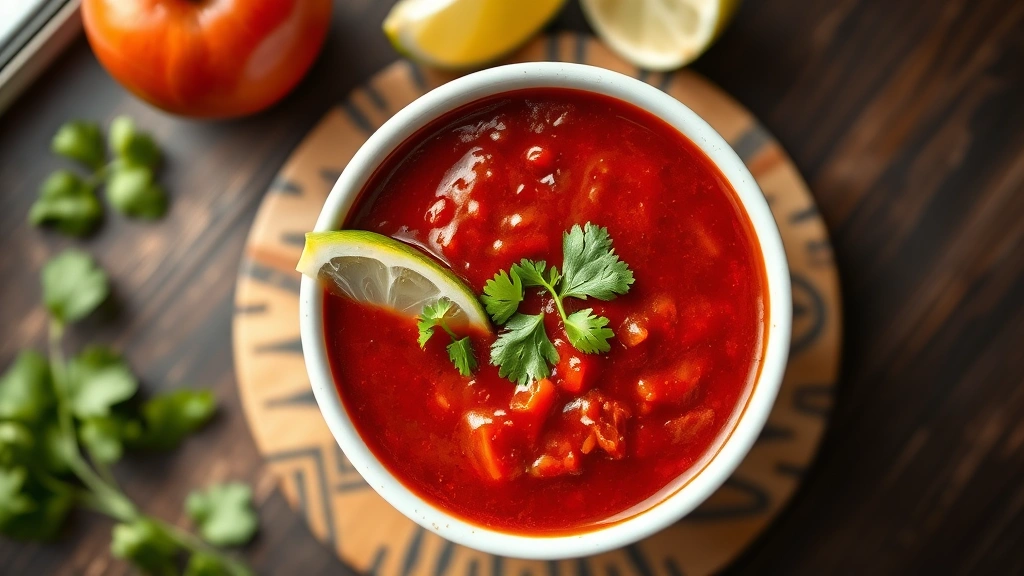
This birria sauce recipe is the real deal—a deeply flavored, authentic Mexican masterpiece that transforms everything it touches. I’m talking about that incredible, complex sauce that makes birria tacos absolutely unforgettable, the one that makes you close your eyes and sigh with pure satisfaction.
Growing up, I watched my grandmother spend hours perfecting her birria sauce, layering flavors and building heat until it became something truly magical. She’d say the secret wasn’t rushing it—it was patience, quality ingredients, and understanding how each component works together. Now I’m sharing that same approach with you, because once you make this sauce at home, you’ll never want store-bought versions again.
Jump To Section
Why This Recipe Works
The magic of birria sauce lies in its balance of dried chiles, warm spices, and rich depth that comes from slow cooking. This isn’t just hot sauce—it’s a complex blend where guajillo chiles provide fruity sweetness, ancho chiles add earthy notes, and a touch of chipotle brings smoky complexity. When you combine these with tomatoes, vinegar, and aromatic spices like cumin and oregano, you create something that’s greater than the sum of its parts.
What makes this particular approach work is the toasting technique. By lightly toasting your dried chiles before soaking them, you wake up their flavors and deepen their character. Additionally, simmering the sauce for a full hour allows all those individual flavors to marry together into one cohesive, velvety sauce that clings to meat and makes every bite memorable.
For instance, if you’ve ever had mediocre birria tacos, it wasn’t the meat—it was likely the sauce. A proper taco sauce should be bold enough to stand on its own yet balanced enough to complement tender shredded meat. This recipe delivers exactly that.
Ingredient Tips & Substitutions
Finding the right chiles is crucial, but don’t stress if your grocery store seems limited. Guajillo chiles are mild and fruity—they’re the backbone of this sauce and worth seeking out at Mexican markets or ordering online. Ancho chiles bring depth and slight sweetness, while chipotles in adobo add that signature smoky kick that makes people ask for your secret.
However, if you absolutely can’t find one of these chiles, there are workarounds. New Mexico chiles can substitute for guajillos in a pinch, though they’re slightly spicier. Pasilla chiles work beautifully in place of anchos if needed. The key is avoiding anything too hot—this sauce should have warmth and complexity, not just heat that overpowers everything else.
Meanwhile, don’t skimp on the tomato paste and apple cider vinegar. These ingredients add brightness and acidity that balance the rich chile flavors. The vinegar especially prevents the sauce from tasting one-dimensional. I’ve seen people use other vinegars, but apple cider’s subtle sweetness really complements the chiles best.
Building Authentic Flavor Layers
The spice blend is where this sauce becomes authentically delicious. Cumin provides earthiness, Mexican oregano (different from Italian, so use it!) adds herbal notes, and cloves bring subtle sweetness and warmth. Some recipes skip the cloves, but they’re the secret ingredient that makes people say “what is that amazing flavor?” when they taste your sauce.
Starting with a good beef or chicken broth as your base matters tremendously. The broth absorbs all those chile and spice flavors while the sauce simmers, creating something richer than water ever could. Additionally, adding the spices early and letting them bloom in the hot oil before adding liquid helps extract their essential oils and maximum flavor potential.
The garlic and onion deserve mention too. These aromatics should be fresh and added after your chiles are soft, preventing them from burning while ensuring they remain tender and fragrant. This is where patience really shows—let that sauce bubble gently for a full hour, and you’ll taste the difference immediately.
Serving Suggestions & Applications
Obviously, this sauce is legendary for Mexican soup applications and birria tacos—dip your corn tortillas in that gorgeous sauce, fill with shredded beef, and finish with fresh onion and cilantro. But that’s just the beginning. This sauce works brilliantly as a dipping sauce for quesadillas, enchilada sauce, or even spooned over simple grilled chicken.
For something different, try serving it alongside crispy carnitas or as a base for a hearty stew. I’ve even used it as a marinade for carne asada, letting meat sit in the sauce overnight before grilling. The possibilities expand once you understand how versatile this sauce really is.
Fresh toppings are essential when serving birria dishes. Diced white onion, fresh cilantro, lime wedges, and crispy radishes provide brightness and textural contrast against the rich, dark sauce. Some people add shredded cabbage or serve it with a Mexican cucumber salad on the side for something crisp and refreshing.
Storage & Make-Ahead Tips
This sauce is incredibly make-ahead friendly, which is one of my favorite things about it. Cool it completely, then store it in an airtight container in the refrigerator for up to five days. The flavors actually deepen overnight, so making it a day ahead is genuinely smarter than serving it immediately.
For longer storage, freeze the sauce in ice cube trays, then transfer the frozen cubes to freezer bags. Each cube is roughly ¼ cup, making it super convenient for quick meals. The sauce freezes beautifully for up to three months without any flavor degradation. When you’re ready to use it, simply thaw and reheat gently over low heat.
Reheating is straightforward—just warm it gently in a saucepan over medium-low heat, stirring occasionally. If it seems too thick after refrigeration or freezing, thin it with a splash of beef broth or water until you reach your preferred consistency. This makes weeknight birria tacos completely feasible when you have this sauce ready to go.
I’ve found that making a double or triple batch during weekend cooking makes sense. You’ll have sauce ready for quick lunches, dinner shortcuts, and emergency entertaining. Plus, your kitchen smells absolutely incredible while it simmers, which is honestly half the joy of making this recipe.
If you’re looking for more inspiration, check out this Serious Eats guide to Mexican cooking for additional context on traditional methods. Additionally, New York Times Cooking has wonderful features on authentic Mexican cuisine that pair beautifully with mastering this sauce.
The beauty of becoming comfortable with a birria sauce recipe is understanding you’re learning a foundational technique. Once this sauce is in your rotation, you’ll use it constantly. It becomes your shortcut to impressive homemade meals that taste like they came from a proper Mexican kitchen, because honestly, they did.
Ingredients
- 4 guajillo chiles, stems and seeds removed
- 3 ancho chiles, stems and seeds removed
- 2 chipotle peppers in adobo sauce
- 1 can (14.5 oz) diced tomatoes
- 3 tablespoons tomato paste
- 4 cups beef or chicken broth
- 1 large white onion, quartered
- 6 garlic cloves, minced
- 3 tablespoons apple cider vinegar
- 2 teaspoons ground cumin
- 1 teaspoon dried Mexican oregano
- ½ teaspoon ground cloves
- ¼ teaspoon black pepper
- 2 tablespoons vegetable oil
- 1 teaspoon salt (adjust to taste)
- ½ teaspoon dried thyme
Instructions
- Heat a large skillet over medium heat. Place the guajillo and ancho chiles directly on the dry skillet for about 30-45 seconds per side, just until fragrant—you’re toasting them, not burning them. This step awakens their flavors and deepens their character.
- Transfer the toasted chiles to a large bowl and cover them with 2 cups of hot water. Let them soak for 15 minutes until completely soft. This softening process makes them easier to blend and extracts their flavors.
- While the chiles soak, heat the vegetable oil in a large pot over medium heat. Add the cumin, oregano, cloves, and thyme, stirring constantly for about 1 minute until the spices become fragrant and their oils release.
- Add the minced garlic to the bloomed spices and cook for another 30 seconds, stirring constantly to prevent burning. The aromatics should smell incredible at this point.
- Pour the broth into the pot with the spices, then add the diced tomatoes with their juices and the tomato paste. Stir everything together until well combined. Bring the mixture to a gentle simmer.
- Once the soaked chiles are completely soft, carefully transfer them to a blender along with ½ cup of their soaking liquid. Add the chipotle peppers in adobo sauce (about 2 whole chipotles plus a tablespoon of sauce). Blend on high speed until completely smooth—this takes about 2-3 minutes.
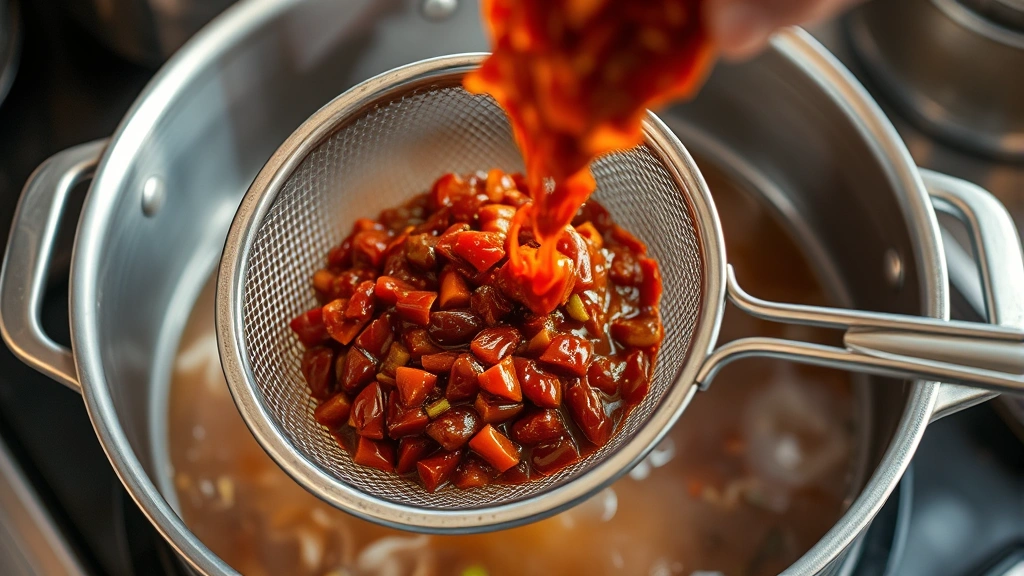
- Pour the blended chile mixture through a fine-mesh strainer into the simmering broth, pressing gently with the back of a spoon to extract as much sauce as possible. This step removes any remaining chile skin for a silky-smooth texture.
- Add the quartered onion to the sauce and bring it back to a simmer. Let everything cook together for 45 minutes to 1 hour, stirring occasionally. The sauce should reduce slightly and develop a deep, rich color.
- After 45 minutes, remove the onion quarters and discard them. Stir in the apple cider vinegar and salt, tasting as you go. The vinegar should brighten the flavors without making the sauce taste sour.
- Continue simmering for another 10-15 minutes if the sauce seems too thin for your preference. It should coat the back of a spoon generously. If it’s too thick, thin it with additional broth.
- Remove from heat and let the sauce cool for 10 minutes before using. For an even silkier texture, you can blend the entire batch briefly with an immersion blender—this step is optional but creates restaurant-quality results.

Pro Tips
This sauce tastes even better the next day, so making it ahead is smart planning. The flavors deepen and meld together overnight, creating something more complex and refined than when it’s freshly made.
When selecting your dried chiles, look for ones that are still pliable, not brittle or cracked. They should have a rich color—guajillos are deep red-brown, anchos are nearly black. Avoid any with white spots or mold, which indicate age and improper storage.
Mexican oregano is genuinely different from Italian oregano. It’s more citrusy and earthy, with a completely different flavor profile. If you can’t find it, don’t substitute regular oregano—just use a bit less and accept that the flavor will be slightly different. This matters more than you might think.
The straining step is important if you want a silky sauce, but it’s also optional if you prefer a thicker, chunkier consistency. Some people like the sauce more rustic and textured. Both approaches are completely valid—it’s purely about your preference.
If your sauce breaks or separates during cooking, it’s usually because the heat was too high or it sat too long without stirring. Simply blend the entire batch with an immersion blender to bring it back together, or strain it through a fine-mesh sieve.
For a less spicy version, remove the seeds from the chipotles before blending, or use just one chipotle instead of two. For more heat, add an extra chipotle or a pinch of cayenne pepper at the end. The beauty of making your own sauce is customizing it to your exact heat preference.
This sauce freezes beautifully for up to three months. Freeze it in ice cube trays for portion control, then pop out cubes as needed. Each cube is roughly ¼ cup, perfect for quick meals or adding to soups and stews.
When reheating from frozen, thaw it in the refrigerator overnight, then warm it gently over low heat. Avoid high heat, which can cause the sauce to separate or become too thick. A splash of broth during reheating helps restore its original consistency.