
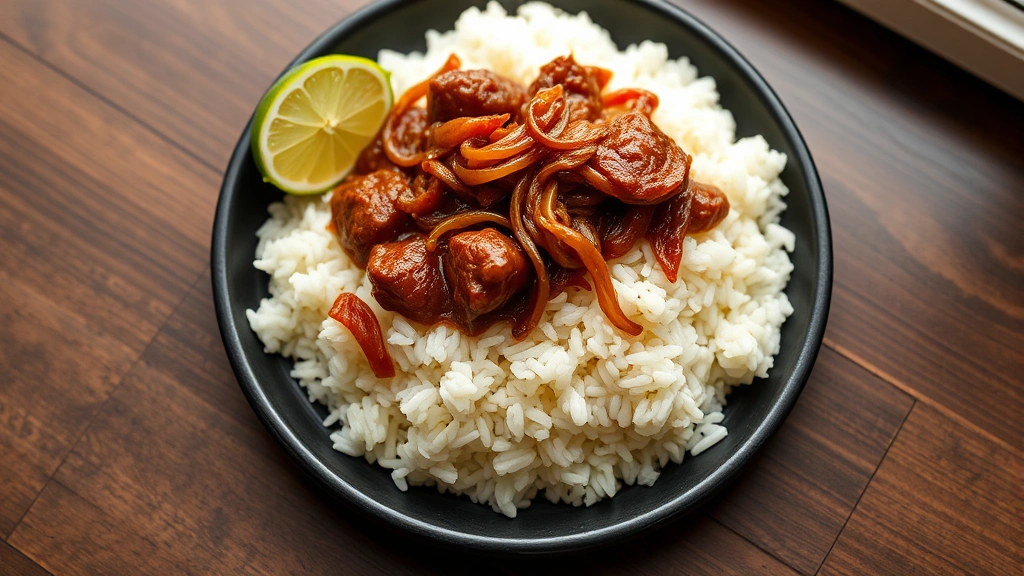
This bistek Filipino food recipe is a beloved home-cooked classic that brings together tender beef, caramelized onions, and a savory-tangy sauce that’ll have everyone asking for seconds. It’s comfort food at its finest—the kind of dish that tastes like a warm hug and reminds you why Filipino cuisine is so incredibly special. If you’ve never made bistek before, you’re in for a treat. This recipe is straightforward, forgiving, and absolutely delicious.
Growing up, bistek was a weeknight staple in Filipino households everywhere. It’s the kind of dish that comes together in under an hour, uses simple pantry ingredients, and transforms humble beef into something restaurant-worthy. The magic happens when you caramelize those onions until they’re golden and sweet, then let them mingle with the beef in a savory sauce that’s equal parts soy and calamansi (or lime, if you’re using what you’ve got on hand).
Jump To Section
What makes this bistek so special is how the flavors develop as everything simmers together. The beef becomes incredibly tender, the onions dissolve into the sauce, and you end up with something that’s greater than the sum of its parts. It’s not fancy or complicated—it’s just honest, delicious food that brings people together.
Why This Recipe Works
The key to great bistek is understanding that you’re really cooking in two stages: first you sear the beef to develop flavor, then you braise it low and slow with the onions and sauce. This two-step method ensures your meat stays tender while the flavors meld beautifully.
Additionally, the ratio of soy sauce to calamansi (or lime juice) creates that perfect balance between salty and tangy. Too much of either and you’ve thrown off the whole dish. The brown sugar adds subtle sweetness that rounds everything out without making it cloying.
Meanwhile, those onions aren’t just a garnish here—they’re a crucial ingredient. As they caramelize and break down in the sauce, they create natural sweetness and body. You’ll end up with a sauce that’s silky and complex, perfect for serving over steamed rice.
For a complementary meal, consider pairing this with best rice noodles recipe for an interesting twist, or serve it the traditional way with white rice to soak up every bit of that incredible sauce.
Ingredient Tips & Substitutions
The beef is your star here, so choose a cut that’s tender but flavorful. Sirloin tip, chuck steak, or even ribeye works beautifully. Slice it thin (about ¼-inch) and against the grain—this matters more than you might think. Thin slices cook faster and are more tender in the final dish.
Calamansi is the authentic choice if you can find it at an Asian market. However, fresh lime juice is an excellent substitute and creates that same bright, tangy note. Some people use lemon juice, which works too, though it’s slightly less acidic than calamansi or lime.
For the soy sauce, use regular soy sauce rather than low-sodium versions. The salt is actually part of the flavor profile here. Dark soy sauce adds deeper color but isn’t necessary—regular soy works just fine.
Brown sugar is traditional, but white sugar works in a pinch. The difference is minimal, mostly affecting the depth of color in the finished sauce. Black pepper should be freshly ground if possible—pre-ground loses its punch over time.
If you’re short on time or want to build even more flavor, try pairing this main with best steak and pasta recipe ideas for a fusion twist that honors both traditions.
Serving Suggestions & Pairings
Bistek is traditionally served over steamed white rice, and honestly, that’s the perfect way to enjoy it. The rice acts as a blank canvas for the rich, savory sauce. Make sure your rice is freshly cooked and fluffy—it makes all the difference.
Alongside your bistek, serve some simple steamed vegetables like bok choy, green beans, or broccoli. The freshness cuts through the richness of the sauce beautifully. A side of pickled vegetables (atchara) is also traditional and adds brightness.
For a more substantial meal, you could serve this with simple old fashioned vegetable beef soup as a starter, though honestly the bistek is hearty enough to stand on its own. Fresh lime wedges on the side let people adjust the tanginess to their preference.
This dish is naturally gluten-free if you use tamari instead of regular soy sauce. It also reheats beautifully, making it perfect for meal prep or feeding a crowd.
Storage & Reheating
Bistek keeps beautifully in the refrigerator for up to four days in an airtight container. The flavors actually deepen as it sits, so leftovers are often even better than the first night. Reheat gently over medium-low heat, adding a splash of water or beef broth if the sauce has thickened too much.
You can also freeze bistek for up to three months. Let it cool completely, then transfer to a freezer-safe container. Thaw overnight in the refrigerator before reheating. The texture of the beef remains tender even after freezing, which is great news for meal planning.
For quick weeknight dinners, consider doubling this recipe and freezing half. You’ll thank yourself later when dinner is already done. Reheat from frozen on the stovetop over low heat for about 15-20 minutes, stirring occasionally.
Final Thoughts on Filipino Beef Cooking
This bistek Filipino food recipe represents something deeper than just a meal—it’s tradition, comfort, and love on a plate. Filipino cooking is all about balance: salty and sweet, tangy and rich, simple and deeply flavorful. Once you master bistek, you’ll understand the philosophy behind so much of Filipino cuisine.
The beauty of this dish is that it doesn’t require fancy equipment or hard-to-find ingredients. Everything comes together in one pot, and the result tastes like you’ve been cooking all day. That’s the magic of Filipino home cooking—maximum flavor with minimum fuss.
If you want to explore similar flavor profiles, try making best stir fry sauce recipe to experiment with soy-based cooking, or explore best lemon rice soup recipe for another tangy Filipino favorite. Each one teaches you something new about balancing these essential flavors.
Make this bistek for your family, make it for friends, make it for yourself on a Tuesday night when you need something warm and comforting. It’s the kind of recipe that becomes a favorite, that gets passed down, that reminds us why we cook in the first place.
Ingredients
- 2 pounds sirloin tip or chuck steak, thinly sliced (about ¼-inch thick)
- 4 large yellow onions, sliced into thick rings
- ½ cup soy sauce
- ¼ cup fresh calamansi or lime juice
- 2 tablespoons brown sugar
- 4 cloves garlic, minced
- 3 tablespoons vegetable oil, divided
- 1 cup beef broth or water
- 1 teaspoon black pepper, freshly ground
- ½ teaspoon salt, or to taste
- 2 bay leaves (optional)
Instructions
- Pat the beef dry with paper towels. This helps it sear properly instead of steaming. Season both sides generously with salt and black pepper.
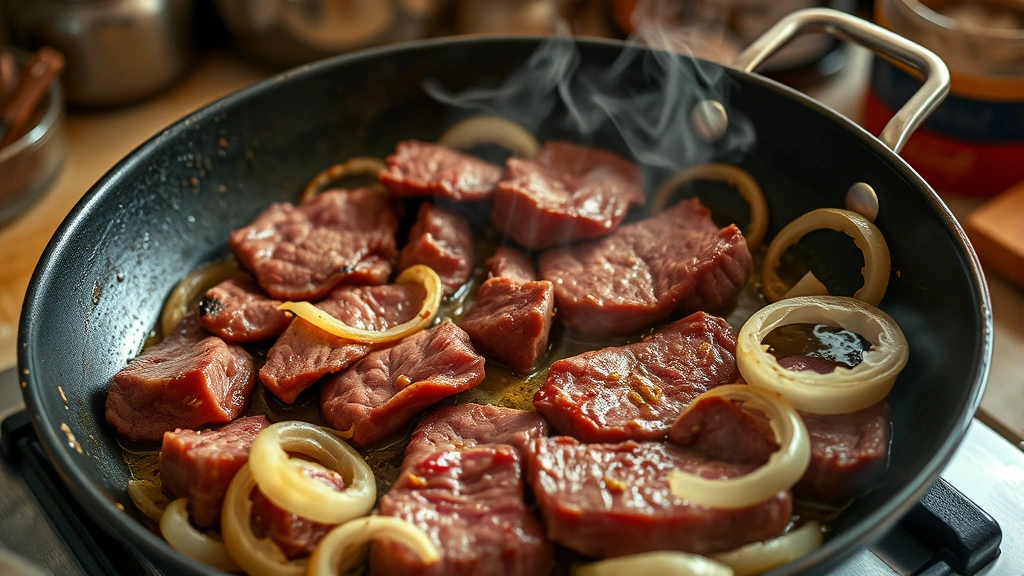
- Heat 1½ tablespoons of oil in a large skillet or Dutch oven over medium-high heat until shimmering. Working in batches to avoid crowding, sear the beef for 1-2 minutes per side until golden brown. Transfer to a plate and set aside.
- Add the remaining 1½ tablespoons of oil to the same skillet. Add the sliced onions and cook for 3-4 minutes, stirring occasionally, until they start to soften and release their moisture.
- Stir in the minced garlic and cook for 30 seconds until fragrant. The garlic should be aromatic but not browned.
- In a small bowl, whisk together the soy sauce, calamansi juice, brown sugar, and beef broth. Pour this mixture into the skillet with the onions, stirring to combine.
- Return the seared beef to the skillet, nestling it among the onions. Add bay leaves if using. Bring the liquid to a simmer.
- Reduce heat to medium-low and simmer gently for 20-25 minutes, stirring occasionally. The beef should be tender and the sauce should reduce slightly, coating the meat beautifully.
- Taste and adjust seasoning as needed—you may want a touch more soy sauce for saltiness or lime juice for tanginess. Remember that flavors intensify as the dish sits.
- Serve hot over steamed white rice, making sure to spoon plenty of the sauce and caramelized onions over each portion.
Pro Tips
The thickness of your beef slices makes a huge difference in how quickly everything cooks. Ask your butcher to slice it for you, or partially freeze the beef (about 2 hours) and slice it yourself with a sharp knife—it’s much easier when it’s firm.
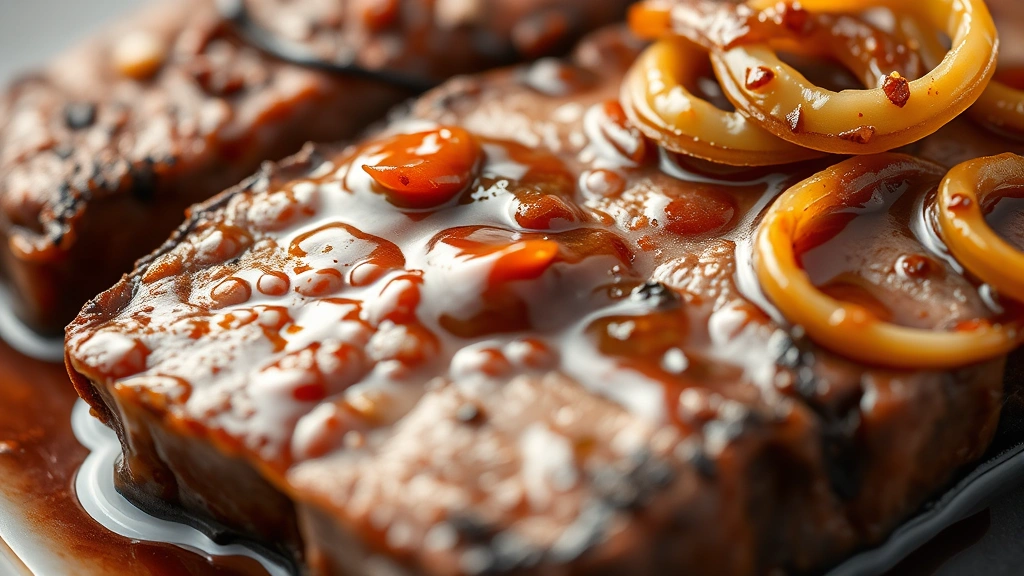
Don’t skip the searing step, even though it seems like an extra task. Those browned bits on the beef and pan floor (called fond) add incredible depth to your final sauce. The Maillard reaction creates flavors you simply can’t get any other way.
If your sauce looks too thin at the end, you have a couple of options. You can simmer uncovered for a few extra minutes to let liquid evaporate, or mix ½ teaspoon of cornstarch with 1 tablespoon of water and stir it in while simmering. However, I like the sauce a bit loose—it’s meant to soak into the rice.
For extra depth of flavor, try adding 1 teaspoon of fish sauce (patis) in addition to the soy sauce. It’s traditional in Filipino cooking and adds a savory complexity that elevates the whole dish. Start with less and taste as you go.
The onions should be sliced thick enough that they hold their shape but cook through. If you slice them too thin, they’ll disappear into the sauce entirely. Thick rings look beautiful in the finished dish and provide nice texture variation.
This recipe scales beautifully for larger groups. Double or triple everything and use a larger pot—just extend the simmering time slightly to ensure all the beef is tender and the flavors meld properly.
If you’re cooking for someone avoiding sodium, use low-sodium soy sauce and reduce the amount slightly, compensating with extra lime juice for flavor. You’ll lose some of that traditional salty-savory note, but it’s still delicious.