
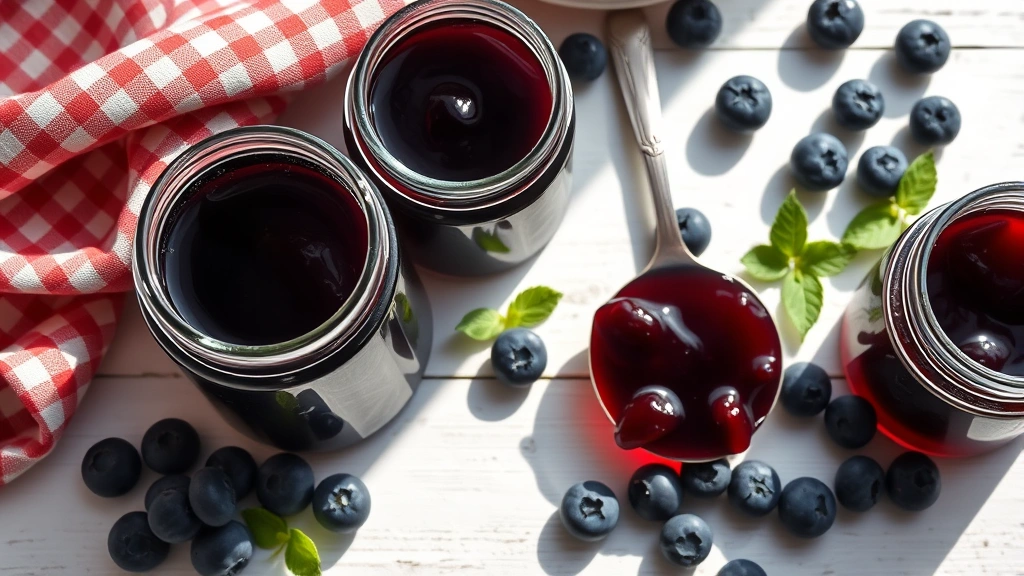
This blueberry jelly recipe is pure magic in a jar—the kind of homemade preserve that tastes like summer itself. If you’ve never made jelly before, don’t worry; this version is surprisingly forgiving and absolutely foolproof, even for beginners. The result? A gorgeous, jewel-toned spread that’s perfect for everything from morning toast to elegant afternoon tea.
I’ll never forget the first time I made homemade jelly. My grandmother had this old copper pot and a wooden spoon that had been used for decades, and there was something almost sacred about the process. She taught me that making jelly isn’t complicated—it’s just about respecting the fruit, understanding the science, and having patience. Now, every time I make a batch, I think of her standing beside me, reminding me that the best things in life are worth the small effort.
Jump To Section
What makes this blueberry jelly recipe so special is how it captures the pure essence of fresh blueberries without any fussy techniques. No fancy equipment needed. No mysterious pectin calculations. Just beautiful berries, sugar, lemon juice, and time. The flavors are bright, the texture is silky, and honestly, it tastes like you spent all day in the kitchen—even though you didn’t.
Why This Recipe Works
The magic happens because we’re using a combination of natural pectin from the berries and a little help from powdered pectin to ensure a perfect set every single time. Blueberries have wonderful natural pectin, especially when you use a mix of ripe and slightly underripe berries, which creates the ideal balance of flavor and gel structure. The lemon juice doesn’t just add brightness; it also helps activate the pectin and brings out the berry flavor in ways that might surprise you.
Additionally, the cooking time is carefully calculated to concentrate the flavors without breaking down all those gorgeous anthocyanins that give blueberries their beautiful color. We’re not overcooking this—precision is your friend here. The result is a jelly that sets beautifully on your spoon and tastes like pure, concentrated blueberry goodness.
For serving, this pairs beautifully with best tea sandwiches for an elegant afternoon spread. However, it’s equally at home on morning toast, swirled into yogurt, or spooned over vanilla ice cream. The versatility is part of what makes homemade jelly so wonderful.
Ingredient Tips & Substitutions
Fresh blueberries are ideal, but frozen work beautifully too—just thaw them first and use any liquid that collects. If you’re using frozen berries, you might need an extra minute or two of cooking time since they release more liquid. The beauty of berries is that they’re forgiving; they just want to become something delicious.
Pectin is the secret ingredient that gives jelly its signature set. I recommend using powdered pectin rather than liquid for this recipe because it’s easier to measure and creates a more reliable texture. You can find it in the baking aisle near the sugar at any grocery store. Meanwhile, the lemon juice is non-negotiable—it brightens the flavor and helps the pectin do its job properly.
Sugar quantity matters more than you might think. While you could reduce it slightly if you prefer less sweetness, going too low can prevent proper setting. For instance, if you want to experiment, reduce it by no more than one-quarter cup, and add an extra half-teaspoon of powdered pectin to compensate.
Making This Jelly Recipe Simple
The process is straightforward: crush your berries, combine everything in a pot, bring it to a rolling boil, then let it set. That’s genuinely it. The crushing step is important because it helps break down the cell walls and release all those wonderful juices and natural pectin. You don’t need a food mill or anything fancy—a potato masher works perfectly fine.
Temperature control is your best friend here. A rolling boil means bubbles that can’t be stirred down—this is exactly what you want. Use a candy or instant-read thermometer to hit 220°F (104°C), which is the magic temperature for jelly setting. It typically takes 15-20 minutes to reach this point, though timing varies based on your stove and pot size.
One helpful trick: place a small plate in the freezer before you start cooking. When you think the jelly is ready, drop a tiny spoonful onto the cold plate. If it wrinkles when you push it with your finger, it’s set. If it’s still runny, keep cooking and test again in a minute or two. This old-fashioned test is more reliable than you’d think.
Serving Suggestions & Storage
Beyond the obvious toast application, this jelly is phenomenal in so many ways. Spread it between layers of a simple vanilla cake for an elegant dessert. Swirl it into the center of thumbprint cookies. Use it as a topping for spring salads with candied pecans and goat cheese. The possibilities are genuinely endless.
For a sophisticated afternoon tea, pair this with slider sandwiches spread with cream cheese and a thin layer of this jewel-toned jelly. Additionally, it’s wonderful stirred into plain Greek yogurt for a gourmet breakfast, or served alongside a cheese board at dinner parties. Your guests will be absolutely impressed by the homemade touch.
Storage is beautifully simple. In sterilized jars with proper canning technique, this keeps for up to one year in a cool, dark cupboard. Once opened, it lasts about three weeks in the refrigerator. For longer storage, freeze it in ice cube trays, then transfer the cubes to freezer bags—they thaw quickly whenever you need a burst of blueberry flavor.
If you’re new to canning, don’t be intimidated. The process is simple: fill hot sterilized jars with hot jelly, leaving a quarter-inch headspace, wipe the rims clean, add lids, and process in a boiling water bath for 10 minutes. The jars will seal with a satisfying pop as they cool—it’s honestly one of the most rewarding kitchen sounds.
Why Homemade Beats Store-Bought
Store-bought jellies often contain corn syrup, artificial pectin, and preservatives that muddy the pure blueberry flavor. When you make this at home, you control every single ingredient. You taste the difference immediately—it’s brighter, more authentic, and genuinely tastes like blueberries rather than sugar with berry flavoring.
Furthermore, there’s something deeply satisfying about making preserves from scratch. You’re connecting with generations of home cooks who’ve done exactly this. You’re creating something with your own hands that will nourish your family and impress your friends. That’s the kind of cooking that matters.
According to Serious Eats, the key to perfect jelly is understanding the relationship between pectin, sugar, and acid. This recipe honors those principles while keeping everything accessible. Bon Appétit emphasizes the importance of fresh ingredients, and that’s absolutely true here.
If you’re looking for more elegant serving ideas, New York Times Cooking has wonderful inspiration for using preserves in both sweet and savory applications. The world of homemade jelly is bigger and more creative than you might imagine.
Making your own preserves also means you can customize the flavor. Want it slightly tangier? Add a bit more lemon juice. Prefer it sweeter? You can adjust. This flexibility is something you simply don’t get with commercial products. That personalization is part of the joy.
So gather your blueberries, find that trusty pot, and prepare to make something truly special. This blueberry jelly recipe is going to become a regular in your kitchen, I promise. Your morning toast will thank you, your tea guests will be impressed, and you’ll feel that quiet satisfaction that comes from creating something beautiful and delicious with your own hands.
Ingredients
- 4 pounds fresh blueberries (about 8 cups), rinsed and drained
- 3 cups granulated sugar
- 2 tablespoons fresh lemon juice
- 1 teaspoon grated lemon zest
- 1 package (1.75 ounces) powdered pectin
- 2 tablespoons unsalted butter (helps reduce foam)
- 1/4 teaspoon salt
Instructions
- Place a small plate in the freezer—you’ll use this to test for doneness later. Rinse and sterilize your jars and lids using boiling water or a dishwasher hot cycle.
- Pour blueberries into a large, heavy-bottomed pot or Dutch oven. Using a potato masher, crush the berries thoroughly to break down the cell walls and release their juices. You want a mixture of crushed berries and juice, not a smooth puree.
- Add the powdered pectin directly to the crushed berries, stirring constantly. This prevents clumping and ensures even distribution throughout the mixture.
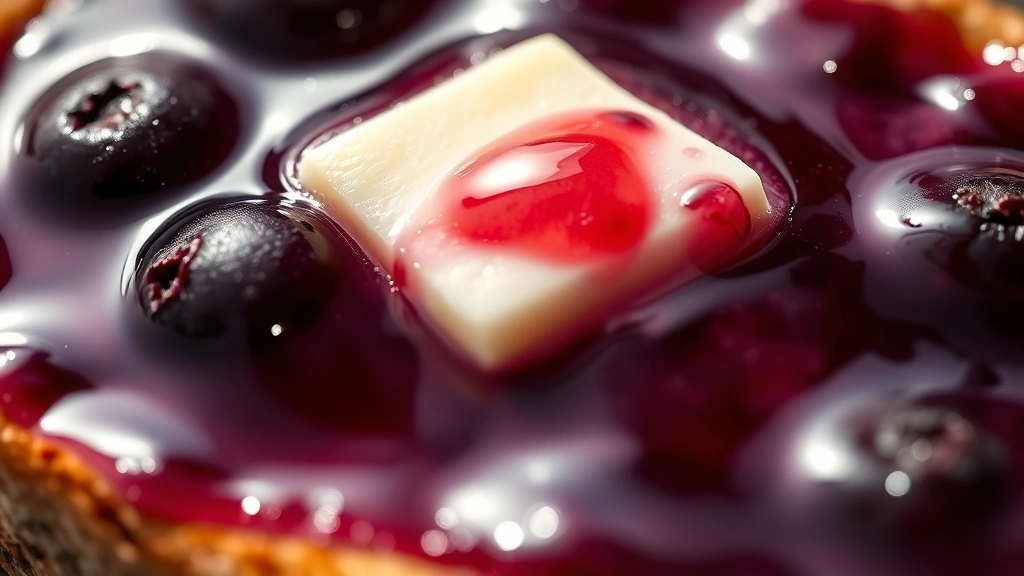
- Stir in the sugar, lemon juice, lemon zest, butter, and salt. Mix thoroughly until the sugar begins to dissolve slightly and everything is well combined.
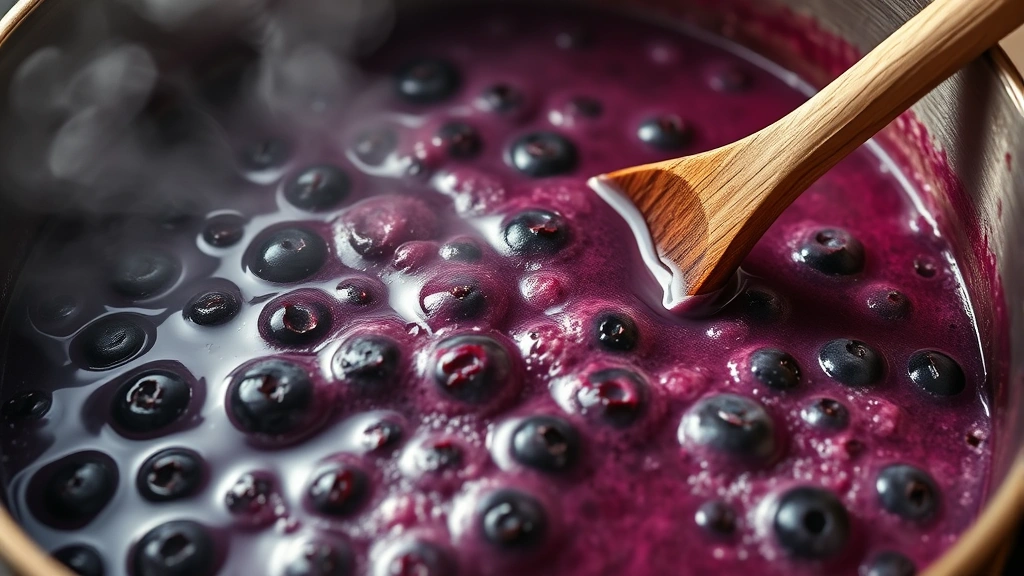
- Place the pot over medium-high heat. Bring the mixture to a full rolling boil—this means large bubbles that break the surface and can’t be stirred down. Stir occasionally to prevent sticking and ensure even cooking.
- Once at a rolling boil, maintain that heat for 15-20 minutes, stirring occasionally. The mixture will darken slightly and become more concentrated. Use a candy thermometer to monitor the temperature; you’re looking for 220°F (104°C).
- To test for doneness without a thermometer, remove the pot from heat and place a teaspoon of jelly on the frozen plate. Let it cool for 30 seconds, then push it gently with your finger. If it wrinkles and doesn’t flow back together, it’s ready. If still runny, return to heat for another minute and test again.
- Once the jelly reaches the proper set point, remove from heat. Skim off any foam from the surface using a spoon—this gives you a clearer, more elegant jelly.
- Carefully ladle the hot jelly into hot sterilized jars, leaving exactly 1/4 inch of headspace at the top. Wipe the rims clean with a damp cloth to remove any drips.
- Apply the lids and rings, tightening the rings until they’re snug but not overly tight. Place the filled jars in a boiling water canner and process for 10 minutes (or 15 minutes if you’re at high altitude above 1,000 feet).
- Remove jars carefully with a jar lifter and place them on a clean kitchen towel to cool undisturbed for 24 hours. You should hear satisfying ‘pops’ as the lids seal. Any jars that didn’t seal should be refrigerated and used within 3 weeks.
Pro Tips
The beauty of this blueberry jelly recipe is how forgiving it is, even with small variations. If your jelly seems too thick after setting, you can actually remix it with a little water and re-cook it—the pectin will still work. Meanwhile, if it’s too thin, you can add a teaspoon more pectin mixed with a tablespoon of water and bring it back to a boil for a minute.
Blueberry varieties matter somewhat, though any fresh blueberries will work. Highbush blueberries have more pectin than wild blueberries, so they set more easily. If using wild blueberries, add an extra quarter-teaspoon of pectin. For instance, some home cooks even combine different berry varieties—blueberries with raspberries create a gorgeous color and deeper flavor.
Storage is straightforward. Unopened jars keep beautifully for up to one year in a cool, dark cupboard away from direct sunlight. Additionally, once you open a jar, it lasts about three weeks refrigerated. For longer-term storage beyond a year, freeze the sealed jars—the cold doesn’t affect the quality, and they thaw beautifully whenever you need them.
If you prefer not to process jars for long-term storage, simply refrigerate them immediately after they cool. This refrigerator jelly is perfect if you’ll use it within a few weeks and don’t want to deal with canning. The flavor and quality are identical; only the storage method changes.
One helpful tip: keep a damp cloth nearby while working with hot jars. If any jelly drips on the outside of a jar, wipe it immediately—hardened jelly on the rim can prevent proper sealing. Cleanliness and attention to detail make all the difference between jars that seal properly and those that don’t.
The lemon juice isn’t just for flavor; it’s crucial for the chemistry of setting. The acid helps activate the pectin and prevents crystallization. Don’t skip it or substitute with lime juice, as the specific acidity level matters for the chemistry. However, you can adjust the amount slightly if you prefer more or less tartness.
If you’re making this for gifting, this jelly recipe is absolutely perfect. Package it in beautiful jars with fabric over the lids and handwritten labels. Homemade preserves are the kind of gift that makes people feel truly appreciated. Include serving suggestions on a little card—tell them about pairing it with cream cheese on toast, or stirring it into yogurt.