
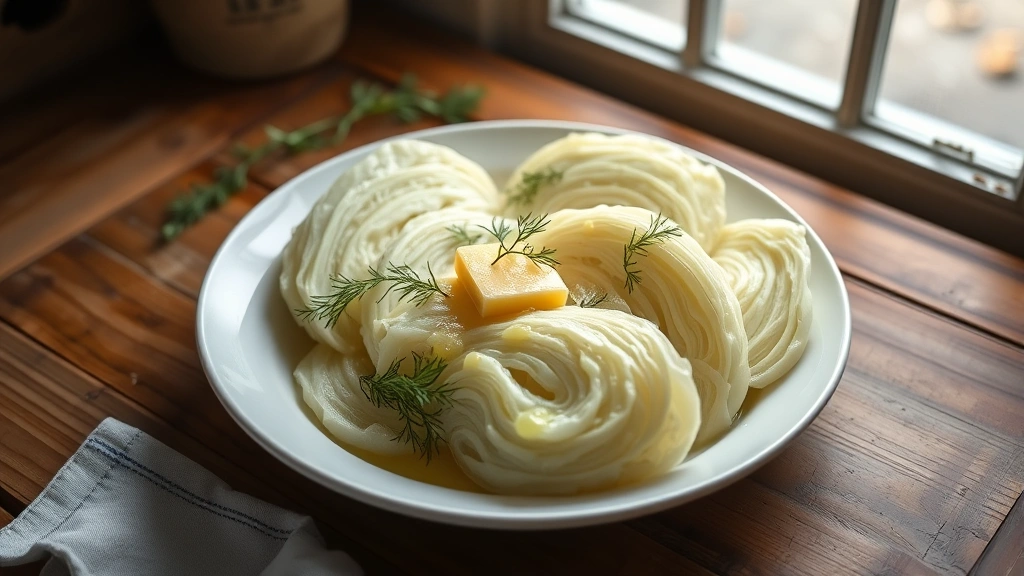
Boiled cabbage recipes are the ultimate comfort food that deserve a place in every home cook’s rotation. There’s something wonderfully simple and honest about taking a humble head of cabbage, bringing a pot of water to a rolling boil, and transforming it into something delicious and deeply satisfying. Whether you’re looking for a quick weeknight side dish or the foundation for a hearty soup, boiled cabbage is your answer.
I grew up watching my grandmother make boiled cabbage with butter and a pinch of salt, and honestly, it was pure magic. The kitchen would fill with this comforting aroma, and suddenly everyone wanted to know what was for dinner. What I’ve learned over the years is that boiled cabbage isn’t just about nostalgia—it’s nutritious, budget-friendly, and incredibly versatile. You can dress it up or keep it simple.
Jump To Section
Why This Recipe Works
The beauty of boiled cabbage recipes lies in their simplicity and flexibility. Boiling cabbage is one of the gentlest cooking methods, which helps preserve its natural sweetness and nutrients. Unlike roasting or sautéing, boiling creates a tender, melt-in-your-mouth texture that’s absolutely craveable. The water-based cooking method also makes it perfect for meal prep—you can boil a big batch and use it throughout the week in different ways.
What makes these recipes truly special is how they adapt to whatever you have on hand. You can serve boiled cabbage as a simple side dressed with nothing more than butter and salt, or incorporate it into vegetable beef soup for something more substantial. The mild flavor of boiled cabbage pairs beautifully with everything from bacon and vinegar to cream sauce and fresh herbs.
Additionally, boiled cabbage is remarkably healthy. It’s low in calories but high in fiber, vitamin C, and antioxidants. For anyone watching their weight or following a specific diet, boiled cabbage recipes offer serious nutritional benefits without any guilt. Meanwhile, the cooking process actually makes some nutrients more bioavailable, so you’re getting maximum health benefits with every bite.
Ingredient Tips & Substitutions
Start with a fresh, firm head of cabbage—green cabbage is the most traditional choice, but red cabbage, napa cabbage, or savoy cabbage all work beautifully. Look for heads that feel heavy for their size with no brown spots or wilted outer leaves. One medium head typically serves 4-6 people depending on your appetite and what you’re pairing it with.
For water, filtered water is ideal if you have it, but tap water works perfectly fine. The key is using enough water to fully submerge the cabbage—typically 6-8 cups depending on how much you’re cooking. Salt is essential; I use sea salt or kosher salt rather than table salt for better flavor control. For flavor additions, you can experiment with chicken or vegetable broth instead of plain water for extra depth.
The fat you choose matters more than you might think. Butter is traditional and gives you that classic rich flavor, but you can also use olive oil for a lighter touch, bacon grease for smoky depth, or even ghee for a nuttier profile. For seasonings, white pepper is traditional but black pepper works too. Fresh dill, caraway seeds, or a splash of apple cider vinegar can elevate simple boiled cabbage into something restaurant-worthy.
Cooking Techniques & Timing
The timing is crucial for perfect boiled cabbage. Cut your cabbage into quarters or thick wedges—this helps it cook evenly while maintaining its structure. Bring your water to a rolling boil before adding the cabbage, which helps maintain the temperature and ensures even cooking from start to finish.
For tender but still slightly firm cabbage, aim for 10-15 minutes depending on how thick your pieces are. If you prefer it more tender, you can go up to 20 minutes. Test with a fork—the cabbage should pierce easily but still hold its shape. For soups like low-calorie soup, you might cook it a bit longer since it will break down further during the simmering process.
Once cooked, drain immediately in a colander and let it sit for a minute to release excess moisture. This prevents your finished dish from becoming watery. If you’re not serving immediately, you can actually set the cooked cabbage aside for up to a day and finish it later—it’s one of the best things about these recipes for meal prep.
Serving Suggestions
The simplest version is the best version sometimes: just toss your boiled cabbage with a generous pat of butter, salt, white pepper, and maybe some fresh dill. It’s elegant, comforting, and ready in minutes. However, you can absolutely take it further. Try adding crispy bacon bits and sautéed onions for a classic Irish-inspired side dish, or stir in a splash of cream and some sharp cheddar for something richer.
For something different, toss your boiled cabbage with apple cider vinegar and a touch of sugar for a quick pickled version that works beautifully alongside pork or duck. You can also incorporate it into pinto bean soup or traditional pasta fagioli for a hearty, nutritious meal. The boiled cabbage becomes incredibly tender in these soups and adds wonderful texture and nutrition.
Don’t forget that boiled cabbage makes an excellent addition to spring salads when served chilled. Just cool it completely, then toss with a vinaigrette and fresh herbs. For something more Mediterranean-inspired, try Mediterranean salad recipes that feature boiled cabbage as a base.
Storage & Make-Ahead Tips
One of the best things about boiled cabbage recipes is how well they store. Cooked cabbage keeps in an airtight container in the refrigerator for 3-4 days. You can reheat it gently in a skillet with a little butter, or even enjoy it cold straight from the fridge. For freezing, cooked cabbage works reasonably well for up to 2 months, though the texture becomes softer—it’s still perfect for soups and stews.
For meal prep, I recommend cooking several heads of cabbage at once and portioning them into containers. This way, you can quickly assemble different dishes throughout the week. On Monday, you might have simple buttered cabbage with dinner. By Wednesday, the same cabbage becomes the base for a hearty soup. It’s incredibly efficient and takes the stress out of weeknight cooking.
If you’re making boiled cabbage recipes for a gathering, you can boil the cabbage several hours ahead and store it at room temperature. Just reheat gently before serving. This makes it perfect for potlucks or holiday dinners when your oven is already full of other dishes.
Boiled cabbage recipes truly are the foundation of good home cooking. They’re forgiving, nutritious, and endlessly adaptable. Whether you’re cooking for one or feeding a crowd, whether you want something simple or more elaborate, these recipes deliver every single time. Start simple with just butter and salt, then experiment with the variations until you find your favorites. Your family will thank you, and you’ll create memories around the table—just like I did with my grandmother.
Ingredients
- 1 medium head of green cabbage (about 2 pounds), cut into quarters or thick wedges
- 6-8 cups water or vegetable broth
- 1 tablespoon salt (plus more to taste)
- 3 tablespoons unsalted butter
- ½ teaspoon white pepper (or black pepper to taste)
- 2 tablespoons fresh dill, chopped (optional)
- Fresh herbs for garnish (parsley, chives, or dill)
Instructions
- Prepare your cabbage by removing any yellowed or damaged outer leaves. Rinse the head under cool running water and pat dry. Cut the cabbage into quarters or thick wedges, keeping some of the core intact so the pieces hold together during cooking.
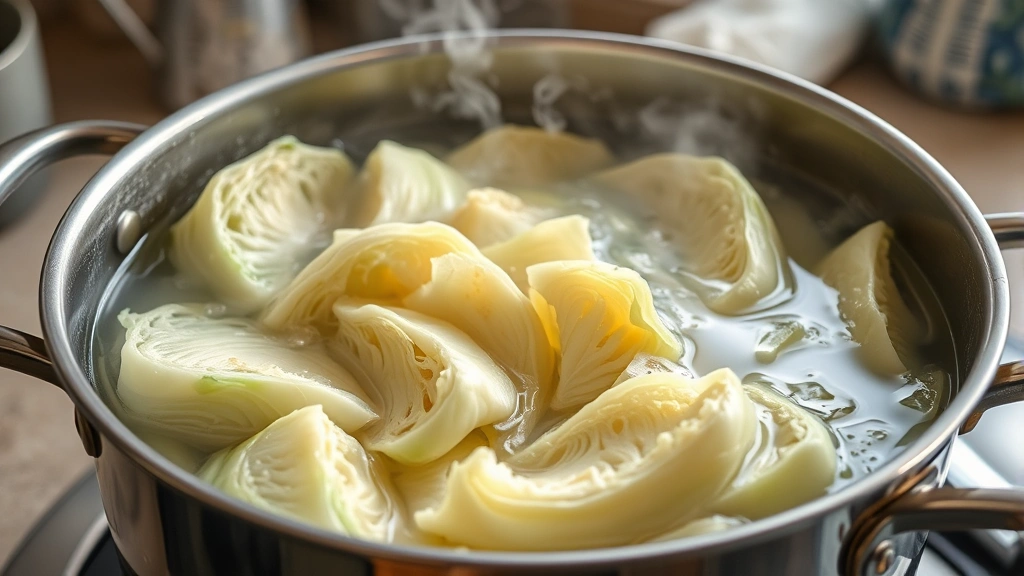
- Fill a large pot with 6-8 cups of water or vegetable broth and bring it to a rolling boil over medium-high heat. Add the salt and stir to combine.
- Carefully place the cabbage wedges into the boiling water. The water should come up around the cabbage, but it’s okay if the very tops are slightly above the water level. Bring back to a boil.
- Reduce heat to medium and simmer for 10-15 minutes, depending on how thick your pieces are and how tender you like your cabbage. Test with a fork—it should pierce easily but still hold its shape.
- Drain the cooked cabbage in a colander, allowing excess water to drip away. Let it sit for a minute to release any remaining moisture.
- Transfer the drained cabbage to a serving dish or individual plates. Top with pats of butter, a pinch of white pepper, and fresh dill if desired. Serve immediately while still warm.
- For variations, you can toss the warm cabbage with bacon bits and sautéed onions, stir in a splash of heavy cream, or add apple cider vinegar and a touch of sugar for a quick pickled version.
- To use in soups or stews, simply add the boiled cabbage pieces to your broth in the final 10-15 minutes of cooking, allowing them to absorb the flavors of your dish.
Pro Tips
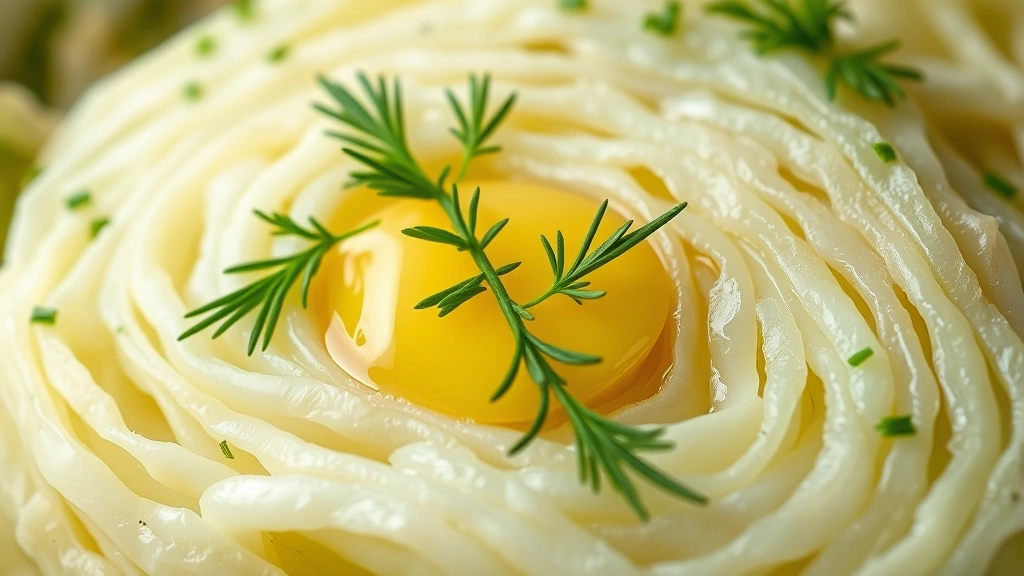
The beauty of boiled cabbage is its versatility. For a creamier version, after draining the cabbage, melt your butter in the same pot, add the cabbage back in, pour in ¼ cup heavy cream, and toss gently. This creates a rich side dish that pairs beautifully with roasted meats.
If you prefer your cabbage with more textural contrast, try topping it with crispy fried onions or breadcrumbs just before serving. You can also add sharp cheddar cheese, making it reminiscent of a creamed vegetable dish. For those watching sodium intake, you can reduce the salt or use low-sodium broth instead of salted water.
Seasoning options are endless here. Caraway seeds are traditional in Eastern European boiled cabbage recipes and add a subtle, sophisticated flavor. A splash of apple cider vinegar or white wine vinegar brightens everything up. Meanwhile, fresh herbs like tarragon, chervil, or parsley add elegance without overwhelming the delicate cabbage flavor.
For storage, cooked boiled cabbage keeps beautifully in the refrigerator for 3-4 days in an airtight container. You can reheat it gently in a skillet with a bit of butter, or enjoy it straight from the fridge. Freezing is possible for up to 2 months, though the texture softens—it’s perfect for soups but less ideal for serving as a plain side.
One helpful tip: if you’re cooking multiple heads of cabbage, you can do them all in batches in the same pot. Just drain each batch thoroughly before adding the next one. This is especially useful for meal prep, as having cooked cabbage on hand opens up countless weeknight dinner possibilities throughout the week.
Additionally, boiled cabbage is naturally vegan and gluten-free, making it an inclusive dish for varied diets. It’s also incredibly affordable—a head of cabbage is one of the cheapest vegetables you can buy, making these recipes perfect for budget-conscious cooking without sacrificing nutrition or flavor.