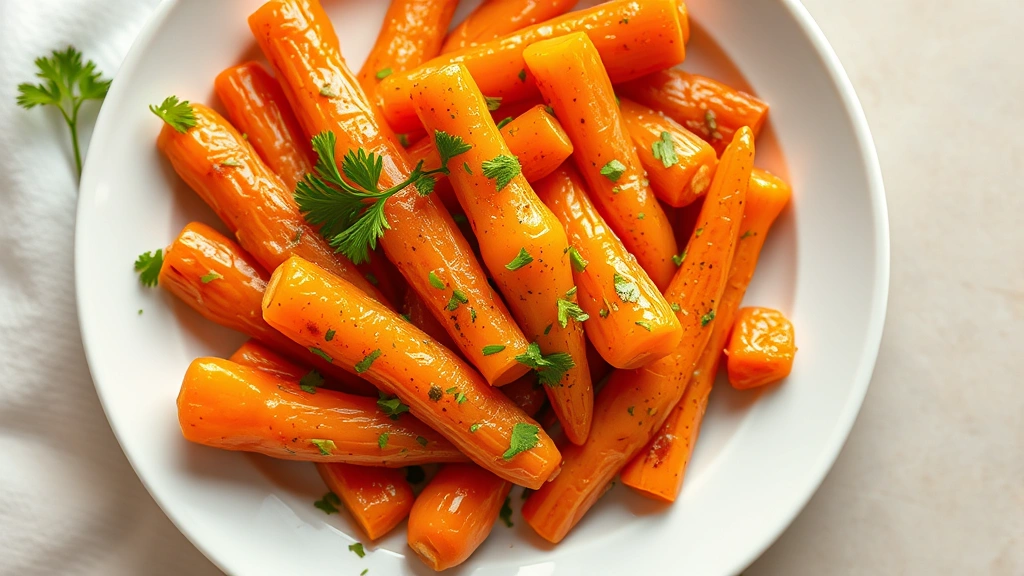
Boiled carrots recipes are one of those wonderfully simple yet transformative dishes that deserve a permanent place in your kitchen rotation. Whether you’re looking for a quick weeknight side or the foundation for something more elaborate, learning how to prepare tender, flavorful boiled carrots opens up a world of culinary possibilities that go far beyond the basic vegetable.
I grew up watching my grandmother boil carrots for everything from hearty soups to elegant dinner sides. She had this magical way of making something so humble taste absolutely incredible. The secret wasn’t complicated—it was all about respecting the ingredient and understanding how heat transforms those bright orange roots into something buttery and sweet.
Jump To Section
What makes boiled carrots recipes so appealing is their versatility. You can serve them as a simple, healthy side dish with just a pat of butter and a sprinkle of fresh herbs. Or you can use them as a base for creamy purees, add them to easy vegetable beef soup recipe for extra nutrition, or incorporate them into easy split pea soup recipe for wonderful depth. The possibilities really are endless.
Why This Recipe Works
The beauty of boiled carrots recipes lies in their simplicity and reliability. When you boil carrots properly, they become incredibly tender while maintaining their natural sweetness. This cooking method is perfect for busy weeknights because it requires minimal hands-on time and absolutely no special skills.
Additionally, boiling is one of the healthiest ways to prepare carrots because you’re not adding excess oils or fats. The carrots cook gently in water, allowing their natural flavors to shine through. This method also works wonderfully when you’re preparing vegetables for a best low carb soup recipe or any dish where you need pre-cooked vegetables ready to go.
For instance, boiled carrots absorb seasonings beautifully once they’re cooked. They become the perfect canvas for herbs, spices, and sauces. This versatility means you can use the same basic preparation method as a starting point for wildly different dishes depending on your mood and what’s in your pantry.
Ingredient Tips & Substitutions
Choosing the right carrots makes a significant difference in your boiled carrots recipes. Look for firm, unblemished carrots without soft spots or sprouting greens. Medium-sized carrots work best because they cook evenly—overly large ones take forever, while tiny ones can become mushy.
Fresh carrots from the farmer’s market or local produce section will always taste superior to those that have been sitting in storage. However, if you only have older carrots on hand, they’ll still work perfectly fine. The boiling process actually helps soften them and develop their sweetness even more.
You can absolutely use baby carrots if that’s what you have available, though I find they sometimes lack the robust flavor of full-sized carrots. Alternatively, try using rainbow carrots for a beautiful presentation—orange, purple, yellow, and red varieties all boil beautifully and create a stunning visual display on the plate.
The water you use matters too. If your tap water is heavily chlorinated, consider using filtered water, as it can sometimes affect the delicate carrot flavor. Sea salt or kosher salt both work wonderfully—avoid iodized table salt if possible, as it can impart an off-flavor.
Serving Suggestions
The real magic of mastering boiled carrots recipes is understanding all the different ways to serve them. Serve them simply with melted butter, fresh parsley, and a crack of black pepper for an elegant side dish. This approach pairs beautifully with roasted chicken, grilled fish, or any main protein.
Meanwhile, you can dress them up with a drizzle of honey and some fresh thyme for something slightly more sophisticated. Or go the savory route by tossing them with olive oil, garlic, and red pepper flakes. Add them to your favorite best Olive Garden minestrone soup recipe for added substance and nutrition.
For a creamier preparation, puree your boiled carrots with a bit of the cooking water, some butter, and a splash of cream. Fresh herbs like dill, cilantro, or tarragon complement boiled carrots wonderfully. You can also toss them with best Olive Garden Zuppa Toscana recipe ingredients or add them to best old fashioned beef and noodles recipe for comforting family meals.
Storage & Reheating
One of the best things about boiled carrots recipes is how well they store. Keep cooled carrots in an airtight container in your refrigerator for up to five days. They’re perfect for meal prep because you can boil a big batch at the beginning of the week and use them in different ways throughout.
To reheat, simply place them in a skillet with a little butter over medium heat, or microwave them gently with a splash of water. They reheat beautifully and actually taste even better the next day as the flavors meld together. Frozen boiled carrots also work wonderfully—simply blanch them before freezing and they’ll keep for up to three months.
You can also use leftover boiled carrots in salads, grain bowls, or mashed potato dishes. They’re incredibly flexible and make meal prep feel effortless. This is why understanding boiled carrots recipes is such a valuable kitchen skill—you’re essentially creating a versatile ingredient you can use in countless ways.
The Perfect Technique
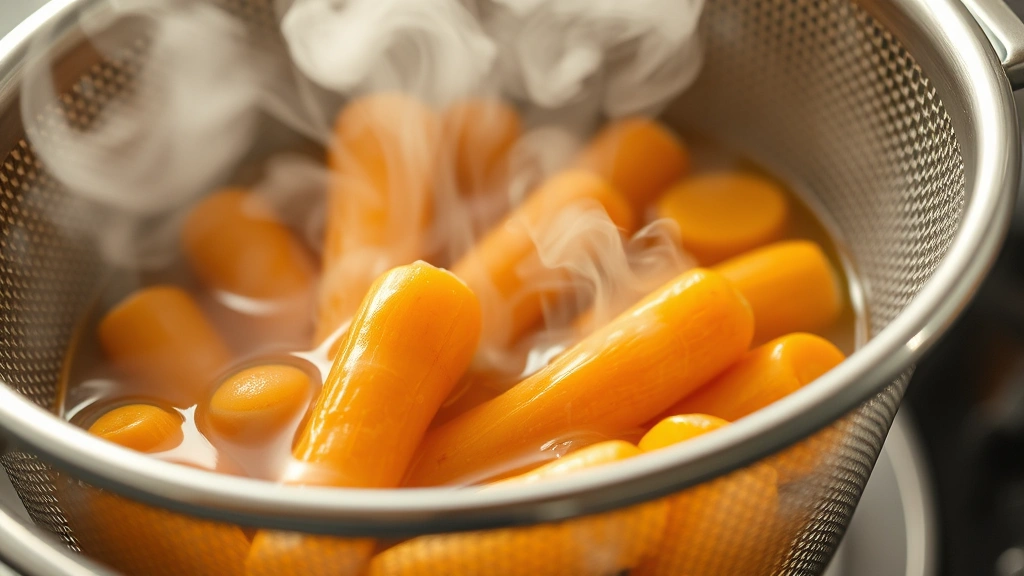
Getting boiled carrots exactly right comes down to a few key techniques. Start with cold water and bring it to a boil—this ensures even, gentle cooking rather than shocking the vegetables. The cooking water should taste like a pleasant broth, not an ocean, so salt it appropriately from the beginning.
Cut your carrots into uniform pieces so they cook at the same rate. If you’re mixing different carrot sizes, consider cutting the larger ones into smaller pieces. Check for doneness by piercing with a fork—they should be tender enough that the fork slides through easily, but still holding their shape.
Don’t overcook them into mush unless that’s your specific intention. Perfectly cooked boiled carrots strike that beautiful balance between tender and still having a little structural integrity. This matters because overcooked carrots lose their appeal and can taste mushy and bland.
The entire process typically takes just fifteen to twenty minutes depending on carrot size and your preferred tenderness level. This quick cooking time is part of what makes boiled carrots recipes such a practical choice for everyday cooking and meal planning.
”
}
“`
Wait, I need to provide the complete JSON with all required fields. Let me restart:
“`json
{
“headnote”: “
Boiled carrots recipes are one of those wonderfully simple yet transformative dishes that deserve a permanent place in your kitchen rotation. Whether you’re looking for a quick weeknight side or the foundation for something more elaborate, learning how to prepare tender, flavorful boiled carrots opens up a world of culinary possibilities that go far beyond the basic vegetable.
I grew up watching my grandmother boil carrots for everything from hearty soups to elegant dinner sides. She had this magical way of making something so humble taste absolutely incredible. The secret wasn’t complicated—it was all about respecting the ingredient and understanding how heat transforms those bright orange roots into something buttery and sweet.
What makes boiled carrots recipes so appealing is their versatility. You can serve them as a simple, healthy side dish with just a pat of butter and a sprinkle of fresh herbs. Or you can use them as a base for creamy purees, add them to easy vegetable beef soup recipe for extra nutrition, or incorporate them into easy split pea soup recipe for wonderful depth. The possibilities really are endless.
Why This Recipe Works
The beauty of boiled carrots recipes lies in their simplicity and reliability. When you boil carrots properly, they become incredibly tender while maintaining their natural sweetness. This cooking method is perfect for busy weeknights because it requires minimal hands-on time and absolutely no special skills.
Additionally, boiling is one of the healthiest ways to prepare carrots because you’re not adding excess oils or fats. The carrots cook gently in water, allowing their natural flavors to shine through. This method also works wonderfully when you’re preparing vegetables for a best low carb soup recipe or any dish where you need pre-cooked vegetables ready to go.
For instance, boiled carrots absorb seasonings beautifully once they’re cooked. They become the perfect canvas for herbs, spices, and sauces. This versatility means you can use the same basic preparation method as a starting point for wildly different dishes depending on your mood and what’s in your pantry.
Ingredient Tips & Substitutions
Choosing the right carrots makes a significant difference in your boiled carrots recipes. Look for firm, unblemished carrots without soft spots or sprouting greens. Medium-sized carrots work best because they cook evenly—overly large ones take forever, while tiny ones can become mushy.
Fresh carrots from the farmer’s market or local produce section will always taste superior to those that have been sitting in storage. However, if you only have older carrots on hand, they’ll still work perfectly fine. The boiling process actually helps soften them and develop their sweetness even more.
You can absolutely use baby carrots if that’s what you have available, though I find they sometimes lack the robust flavor of full-sized carrots. Alternatively, try using rainbow carrots for a beautiful presentation—orange, purple, yellow, and red varieties all boil beautifully and create a stunning visual display on the plate.
The water you use matters too. If your tap water is heavily chlorinated, consider using filtered water, as it can sometimes affect the delicate carrot flavor. Sea salt or kosher salt both work wonderfully—avoid iodized table salt if possible, as it can impart an off-flavor.
Serving Suggestions
The real magic of mastering boiled carrots recipes is understanding all the different ways to serve them. Serve them simply with melted butter, fresh parsley, and a crack of black pepper for an elegant side dish. This approach pairs beautifully with roasted chicken, grilled fish, or any main protein.
Meanwhile, you can dress them up with a drizzle of honey and some fresh thyme for something slightly more sophisticated. Or go the savory route by tossing them with olive oil, garlic, and red pepper flakes. Add them to your favorite best Olive Garden minestrone soup recipe for added substance and nutrition.
For a creamier preparation, puree your boiled carrots with a bit of the cooking water, some butter, and a splash of cream. Fresh herbs like dill, cilantro, or tarragon complement boiled carrots wonderfully. You can also toss them with best Olive Garden Zuppa Toscana recipe ingredients or add them to best old fashioned beef and noodles recipe for comforting family meals.
Storage & Reheating
One of the best things about boiled carrots recipes is how well they store. Keep cooled carrots in an airtight container in your refrigerator for up to five days. They’re perfect for meal prep because you can boil a big batch at the beginning of the week and use them in different ways throughout.
To reheat, simply place them in a skillet with a little butter over medium heat, or microwave them gently with a splash of water. They reheat beautifully and actually taste even better the next day as the flavors meld together. Frozen boiled carrots also work wonderfully—simply blanch them before freezing and they’ll keep for up to three months.
You can also use leftover boiled carrots in salads, grain bowls, or mashed potato dishes. They’re incredibly flexible and make meal prep feel effortless. This is why understanding boiled carrots recipes is such a valuable kitchen skill—you’re essentially creating a versatile ingredient you can use in countless ways.
The Perfect Technique
Getting boiled carrots exactly right comes down to a few key techniques. Start with cold water and bring it to a boil—this ensures even, gentle cooking rather than shocking the vegetables. The cooking water should taste like a pleasant broth, not an ocean, so salt it appropriately from the beginning.
Cut your carrots into uniform pieces so they cook at the same rate. If you’re mixing different carrot sizes, consider cutting the larger ones into smaller pieces. Check for doneness by piercing with a fork—they should be tender enough that the fork slides through easily, but still holding their shape.
Don’t overcook them into mush unless that’s your specific intention. Perfectly cooked boiled carrots strike that beautiful balance between tender and still having a little structural integrity. This matters because overcooked carrots lose their appeal and can taste mushy and bland.
The entire process typically takes just fifteen to twenty minutes depending on carrot size and your preferred tenderness level. This quick cooking time is part of what makes boiled carrots recipes such a practical choice for everyday cooking and meal planning. Check out Bon Appétit for inspiration and Serious Eats for technique to expand your vegetable cooking knowledge even further.
Ingredients
Instructions