
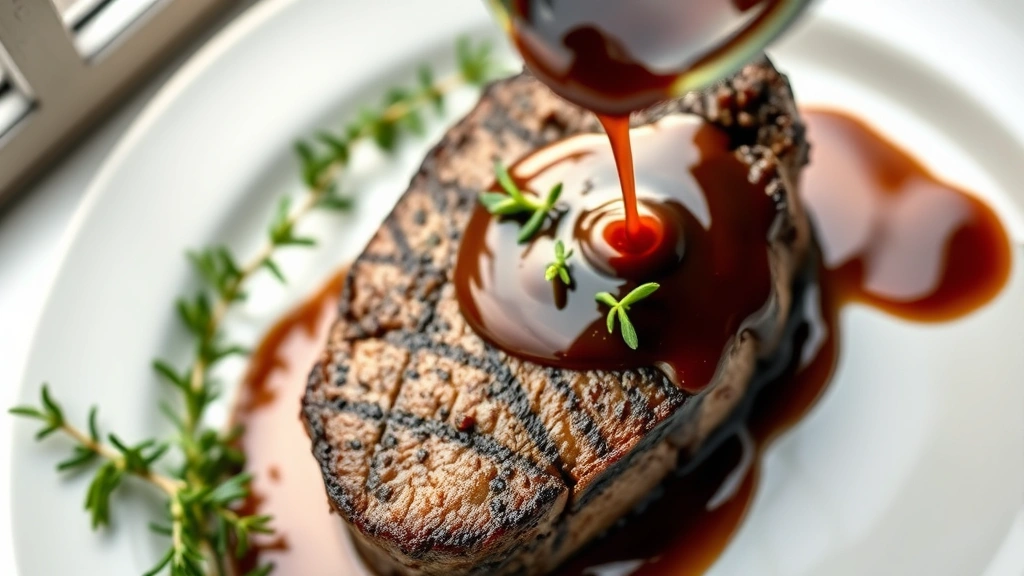
A bordelaise sauce recipe is one of those classic French techniques that sounds intimidating but is absolutely doable in your own kitchen—in just 20 minutes, no less. This rich, deeply savory sauce with its glossy finish and complex wine flavor is the kind of thing that transforms a simple steak or roasted beef into something restaurant-worthy. I’m talking about that beautiful mahogany-colored sauce with hints of red wine, beef stock, and a whisper of herbs that makes you feel like you’ve been cooking French cuisine your whole life.
What makes bordelaise so special is its simplicity paired with sophistication. You’re essentially building layers of flavor—starting with a good red wine reduction, adding beef stock, and finishing with a touch of butter and marrow to create that silky, luxurious texture. The beauty here is that you probably have most of these ingredients already, and the technique is straightforward enough that even home cooks can master it.
Jump To Section
Why This Recipe Works
The magic of bordelaise sauce lies in the wine reduction. By letting your red wine simmer down and concentrate, you’re intensifying those deep, complex flavors that make this sauce so memorable. Meanwhile, the beef stock adds body and richness, while a touch of butter at the end creates that silky mouthfeel that slides across your palate.
This sauce pairs beautifully with beef—think hearty beef dishes that deserve something equally impressive. The acidity from the wine cuts through the richness of the meat, while the umami-forward stock amplifies all those savory notes. Additionally, it’s versatile enough to serve with other proteins, though beef is truly its soulmate.
I love this recipe because it teaches you a fundamental French cooking technique without requiring fancy equipment or hard-to-find ingredients. Once you master this bordelaise sauce, you’ll feel confident making other classic French reductions and sauces.
Ingredient Tips & Substitutions
The red wine you choose matters more than you might think. Use a wine you’d actually drink—something with good structure like a Bordeaux, Burgundy, or even a decent Côtes du Rhône. Avoid anything labeled “cooking wine” because those tend to be oxidized and will make your sauce taste off. A medium-bodied red wine works best since it won’t overpower the other flavors.
For the beef stock, homemade is ideal, but a quality store-bought version works perfectly fine. Look for low-sodium versions so you can control the salt level yourself. If you can only find chicken stock, it’ll work in a pinch, though you’ll lose some of that deep beef flavor that makes bordelaise special.
The marrow mentioned in traditional recipes is optional but adds incredible richness. If you can find beef marrow bones at your butcher, it’s worth it—just roast them first and scoop out the soft marrow to stir in at the end. However, if you can’t find marrow or prefer not to use it, butter alone creates a beautiful sauce. For instance, a quality unsalted butter will give you that glossy finish without the extra step.
Shallots are essential here—they provide a subtle sweetness and complexity that onions simply can’t match. If you absolutely must substitute, use red onions instead, though your sauce won’t have quite the same refinement.
How to Make Bordelaise Sauce Step by Step
Start by mincing your shallots finely so they cook down quickly and incorporate smoothly into the sauce. Heat a heavy-bottomed saucepan over medium heat and add a tablespoon of butter, letting it foam slightly before adding those shallots. You want them to soften and become translucent, which takes about 2-3 minutes of gentle cooking.
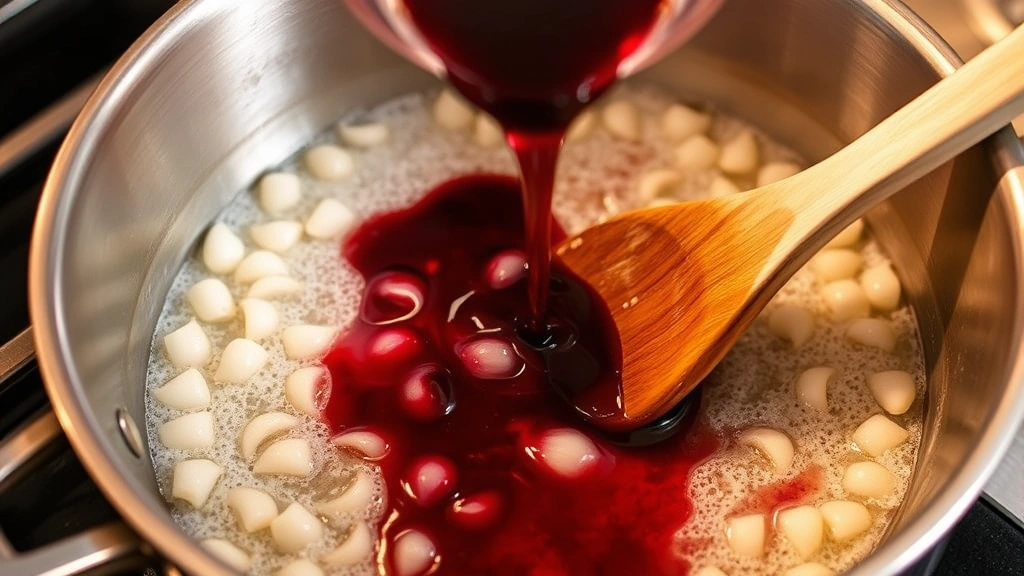
Now pour in your red wine slowly, scraping up any browned bits from the bottom of the pan—those are pure flavor. Let this reduce at a gentle simmer for about 10 minutes, watching as the liquid reduces by roughly two-thirds. You’ll notice the wine becoming more concentrated and developing an even deeper color.
Add your beef stock to the reduced wine and bring everything back to a simmer. Let this bubble gently for another 5-8 minutes so the flavors marry and mellow. The sauce should look rich and glossy, with a depth of color that’s almost black in certain lights.
Strain the sauce through a fine-mesh sieve, pressing gently on the solids to extract all that flavor. Discard the shallots and return the sauce to your pan. This straining step gives you that refined, velvety texture that separates homemade sauce from anything bottled.
Season with salt and pepper to taste—remember that you want to be conservative here since the stock might already contain salt. Whisk in cold butter one tablespoon at a time until the sauce becomes glossy and smooth. This is called mounting with butter, and it’s what creates that restaurant-quality finish.
Serving Suggestions
Bordelaise sauce is the ultimate companion to a perfectly seared ribeye, filet mignon, or strip steak. The rich sauce sits beautifully alongside the beef without overwhelming it, instead enhancing those savory, mineral notes. I also love serving it with roasted beef tenderloin or even beef short ribs that have been braised until they’re fall-apart tender.
Beyond beef, this sauce works wonderfully with roasted lamb or duck—any rich protein that can stand up to its intensity. Additionally, you can spoon it over beef Wellington or use it to top grilled portobello mushrooms for a vegetarian option that’s equally impressive.
For plating, I like to drizzle the sauce artfully around the protein rather than drowning it, allowing the meat to be the star. A sprinkle of fresh thyme or parsley on top adds a pop of color and a hint of freshness that balances the sauce’s richness.
Storage & Make-Ahead Tips
Bordelaise sauce keeps beautifully in the refrigerator for up to 4 days in an airtight container. Simply reheat it gently over low heat, whisking occasionally to prevent any separation. If the sauce seems a bit thick after chilling, add a splash of beef stock or water to loosen it back up.
You can also freeze this sauce for up to 3 months, though I’d recommend freezing it before you add the final butter mounting for best results. Thaw overnight in the refrigerator and reheat gently, then whisk in the cold butter just before serving to achieve that glossy finish.
Here’s a time-saving tip: make the wine reduction and beef stock combination ahead of time, then store that base separately from the butter finishing. When you’re ready to serve, just reheat and finish with butter—this takes the pressure off when you’re in the middle of cooking your main protein.
The beauty of mastering a bordelaise sauce recipe is that once you understand the technique, you’ll feel confident making it anytime you want to elevate a simple piece of meat into something spectacular. Whether you’re cooking for family or impressing guests, this classic French sauce delivers that restaurant-quality result every single time. Learn more about complementary sauces to expand your cooking repertoire, or explore quick sauce techniques for weeknight dinners. For those who want to explore other sauce options, check out this easy sauce recipe for versatility.
Once you’ve mastered this classic French technique, you’ll have a signature sauce that restaurant diners recognize immediately. The Serious Eats guide to French sauces offers additional context on classical cooking, while New York Times cooking provides excellent beef preparation techniques to pair with your sauce. For more inspiration on French cooking fundamentals, Bon Appétit’s French cooking collection is an invaluable resource.
Ingredients
- 2 tablespoons unsalted butter, divided
- 3 medium shallots, minced finely
- 1 cup dry red wine (Bordeaux or Burgundy preferred)
- 1 cup beef stock or broth
- 2 sprigs fresh thyme
- 1 bay leaf
- 2 tablespoons cold unsalted butter, for finishing
- Salt and black pepper to taste
- Optional: 2 tablespoons beef marrow, roasted and softened
Instructions
- Heat a heavy-bottomed saucepan over medium heat and add 2 tablespoons of butter, allowing it to foam slightly.
- Add the minced shallots to the foaming butter and cook for 2-3 minutes, stirring occasionally, until they become translucent and fragrant.
- Slowly pour in the red wine, using a wooden spoon to scrape up any browned bits from the bottom of the pan—these flavor bits are liquid gold.
- Bring the wine to a gentle simmer and let it reduce for 10 minutes, watching as the liquid concentrates and becomes deeper in color, reducing by roughly two-thirds.
- Add the beef stock, thyme sprigs, and bay leaf to the reduced wine, stirring to combine.
- Return to a gentle simmer and cook for 5-8 minutes, allowing the flavors to marry and mellow together.
- Pour the sauce through a fine-mesh sieve into a clean saucepan, pressing gently on the solids to extract all the flavor. Discard the solids.
- Season the strained sauce with salt and pepper to taste, keeping in mind that the stock may already contain some sodium.
- Over low heat, whisk in the cold butter one tablespoon at a time until the sauce becomes glossy and silky.
- If using beef marrow, whisk it in gently until fully incorporated, creating an even richer sauce.
- Taste and adjust seasonings as needed, then serve immediately over your favorite beef dish.
Pro Tips
The key to a silky bordelaise sauce is the quality of your ingredients. Use a red wine you’d actually enjoy drinking—avoid cooking wines, which tend to be oxidized and will negatively affect the final flavor profile. A wine with good structure and body, like a Bordeaux or Burgundy, will give you that complexity and depth that makes this sauce special.
When reducing the wine, keep the heat at medium rather than high. A gentle simmer allows the wine to concentrate slowly and develop more nuanced flavors, whereas a hard boil can create a harsh, astringent taste. Watch the sauce as it reduces—you’re aiming for roughly two-thirds reduction, which takes about 10 minutes.
The straining step is important if you want that refined restaurant-quality texture. However, if you prefer a rustic version with visible shallot pieces, you can skip this step—just make sure your shallots are minced very finely so they integrate smoothly. Additionally, some cooks prefer to remove the thyme and bay leaf before serving rather than straining.
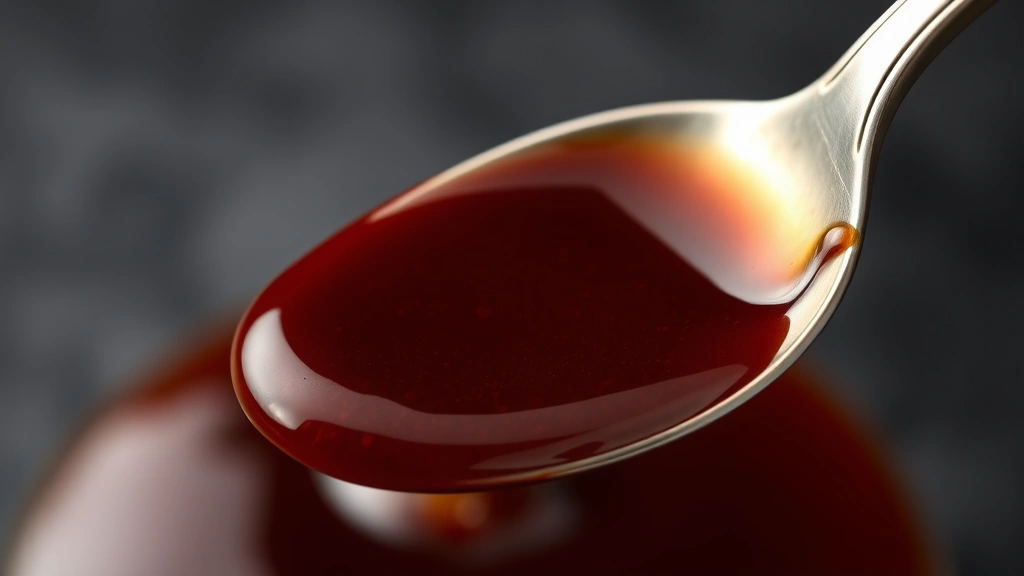
Mounting with butter—that final step of whisking in cold butter—transforms the sauce into something truly luxurious. The cold butter emulsifies with the sauce, creating a glossy, silky texture that coats the back of a spoon beautifully. For instance, if your sauce looks thin or lacks that glossy finish, you haven’t whisked in enough butter yet.
If you can source beef marrow bones from your butcher, roast them in a 400°F oven for 15-20 minutes until the marrow is soft and easily scoops out. Whisk this into your finished sauce for an incredibly rich, traditional version. However, the sauce is absolutely delicious without it—butter alone creates that silky finish.
For make-ahead convenience, you can prepare the wine reduction and stock combination several hours before serving. Simply store it in the refrigerator and reheat gently over low heat before finishing with the cold butter. This takes the stress out of timing when you’re coordinating multiple dishes for dinner.
If your sauce breaks or separates (you’ll see a greasy, split appearance), don’t panic. Remove it from heat and whisk in a tablespoon of cold beef stock or water to help re-emulsify it. Return to low heat and whisk constantly until it comes back together. This usually happens if the heat was too high during the final butter-mounting stage.