
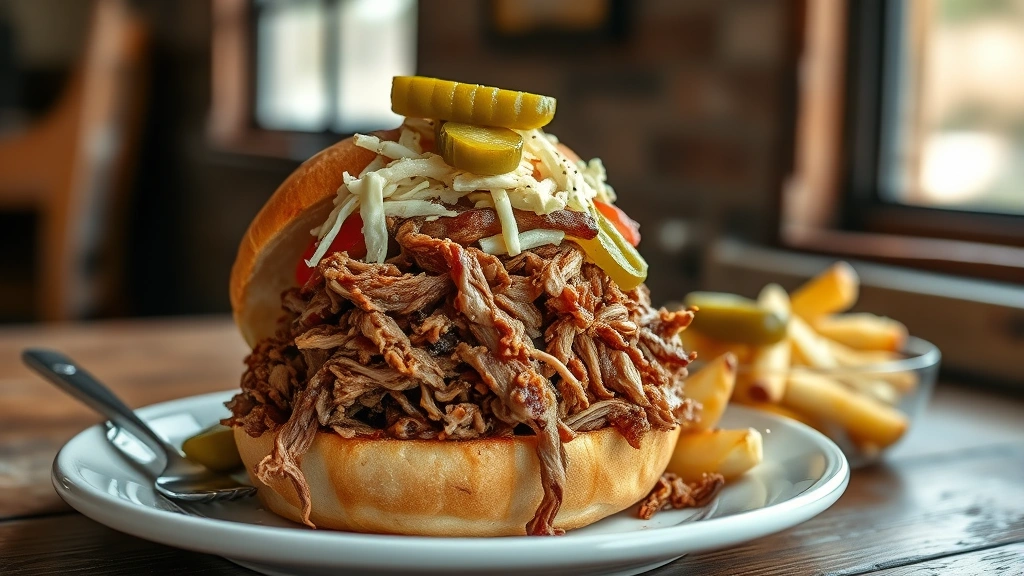
This boston butt recipe is your ticket to making the most incredible pulled pork you’ve ever tasted. I’m talking tender, juicy, fall-apart-in-your-mouth perfection that’ll have everyone at your table asking for seconds. Whether you’re planning a backyard barbecue or just craving some serious comfort food, this guide will walk you through every single step.
Let me tell you—there’s something magical about slow-cooking a boston butt (which is actually the shoulder, not the rear end, fun fact!). The long, low heat transforms what seems like an intimidating cut of meat into something absolutely spectacular. I’ve made this recipe dozens of times, and honestly, it never gets old.
Jump To Section
Why This Recipe Works
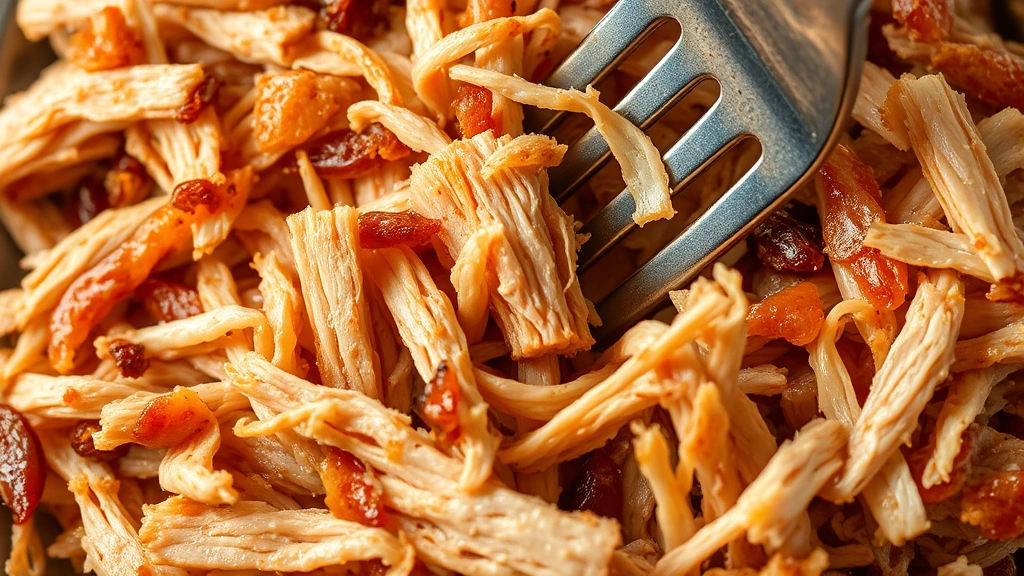
The magic here comes down to time and temperature. A boston butt has beautiful marbling and enough fat to stay moist during hours of cooking. When you cook it low and slow, all that collagen breaks down into gelatin, making the meat incredibly tender. The result? Pulled pork that shreds with just a fork.
Additionally, the dry rub creates this amazing bark—that flavorful, slightly crusty exterior that makes every bite interesting. The combination of brown sugar, paprika, garlic, and spices creates a flavor profile that’s complex without being overwhelming. However, the real star is patience; rushing this process defeats the purpose entirely.
For serving inspiration, check out these amazing options: best pork tacos recipe or try quick tasty pork stir fry recipe to repurpose your leftovers.
Ingredient Tips & Substitutions
Start with a boston butt that’s at least 6-8 pounds. Smaller cuts dry out too easily, and you want that fat cap to protect the meat during cooking. If your butcher asks if you want it trimmed, say no—leave that fat on. It’s basically liquid gold for flavor and moisture.
The dry rub is where you can get creative. I use brown sugar, paprika, garlic powder, onion powder, cayenne, salt, and black pepper, but you can adjust based on your preferences. Like things spicy? Add more cayenne or some chipotle powder. Prefer it milder? Cut back the heat and focus on the sweet and savory elements.
For the liquid, apple juice or apple cider vinegar mixed with water works beautifully. The acidity helps break down the meat while adding subtle flavor. Meanwhile, if you want deeper smoky notes, consider using Serious Eats’ smoking guide for inspiration on wood selections and techniques.
You’ll need either a slow cooker, Dutch oven, or smoker. Each method works perfectly—it’s really about what equipment you have on hand. The slow cooker is the most convenient for beginners, but an oven-roasted method gives you more control over the cooking process.
Serving Suggestions
The classic approach is serving pulled pork on soft buns with coleslaw and your favorite barbecue sauce. There’s a reason this combination is timeless—it just works. The cool, crunchy slaw provides balance to the rich, savory meat. Add pickles for that tangy punch.
However, don’t limit yourself to sandwiches. Pulled pork is incredibly versatile. Pile it into tacos with fresh cilantro and lime, serve it over rice bowls with pickled vegetables, or use it as a filling for best panini sandwich recipe variations.
For a healthier option, try it over best spicy cucumber salad recipe for a fresh, light meal. Or incorporate it into best tasty soup beans recipe for a heartier dish. You can even use it as a topping for nachos, baked potatoes, or grain bowls.
Storage & Reheating
Pulled pork keeps beautifully in the refrigerator for up to four days when stored in an airtight container. Actually, many people say it tastes even better the next day once the flavors have melded together. For longer storage, freeze it for up to three months—just make sure to let it cool completely before freezing.
Reheating is simple. You can warm it gently in a low oven, on the stovetop with a splash of water or broth, or even in the slow cooker on low heat. The key is not letting it dry out, so adding a little liquid during reheating makes all the difference. Some people shred it finer or coarser depending on how they’re serving it—totally up to you.
For inspiration on best sourdough sandwich bread recipe to serve alongside, consider making fresh bread at home. There’s nothing quite like warm, crusty sourdough with tender pulled pork. Check out Bon Appétit’s pulled pork guide for additional pro tips and variations on this classic dish.
Pro Tips for Success
Don’t skip the dry rub application step. Generously coat every surface of the meat and let it sit for at least 30 minutes before cooking—overnight is even better. This allows the spices to penetrate the meat and develop deeper flavor. Meanwhile, trimming just a thin layer of the fat cap (leaving most of it) helps the rub make better contact with the meat.
Use a meat thermometer and aim for an internal temperature of 190-205°F. This range ensures the collagen has fully broken down without the meat becoming dry or stringy. Additionally, when the meat reaches temperature, let it rest for at least 15 minutes before shredding—this helps retain juices.
Most importantly, resist the urge to open the oven or slow cooker constantly. Every time you peek, you’re releasing heat and extending cooking time. Trust the process. I know it’s tempting when those amazing smells start wafting through your kitchen, but patience truly pays off here. This is genuinely one of the most rewarding recipes you can make—the effort is minimal, but the results are maximum.
Ingredients
- 1 boston butt (pork shoulder), 8-10 pounds, skin-on
- 1/4 cup packed brown sugar
- 3 tablespoons paprika
- 2 tablespoons garlic powder
- 2 tablespoons onion powder
- 1 tablespoon cayenne pepper
- 2 tablespoons kosher salt
- 1 tablespoon black pepper
- 1 teaspoon dry mustard
- 1 teaspoon smoked paprika
- 1 cup apple juice
- 1/2 cup apple cider vinegar
- 1/2 cup water
- Barbecue sauce for serving
- Soft buns or rolls for serving
Instructions
- Remove the boston butt from the refrigerator 1 hour before cooking to bring it closer to room temperature. This ensures more even cooking throughout the meat.
- In a small bowl, combine the brown sugar, paprika, garlic powder, onion powder, cayenne pepper, kosher salt, black pepper, dry mustard, and smoked paprika. Mix thoroughly until well blended.
- Pat the pork shoulder dry with paper towels. This helps the dry rub adhere better and creates a better bark on the exterior.
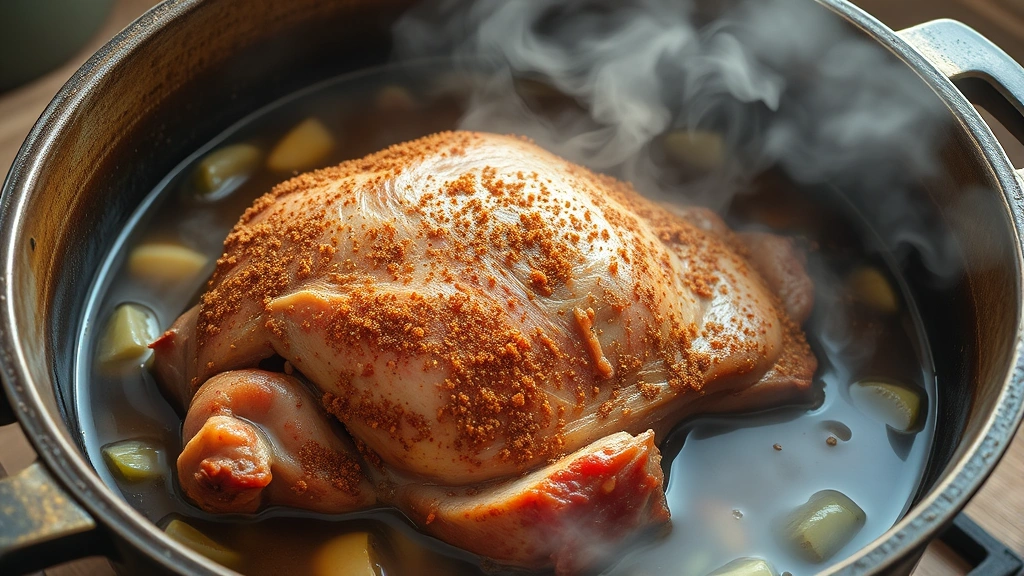
- Generously rub the spice mixture all over the meat, working it into every crevice and covering all surfaces evenly. Don’t be shy—use all the rub.
- If using a slow cooker: Combine apple juice, apple cider vinegar, and water in the slow cooker. Place the rubbed pork in the slow cooker, fat-side up. Cover and cook on low for 8-10 hours until the meat reaches 190-205°F internally.
- If using an oven: Preheat oven to 300°F. Pour the apple juice, vinegar, and water into a large Dutch oven or roasting pan. Place the rubbed pork in the pan, fat-side up. Cover tightly with foil or a lid, then roast for 7-9 hours until the meat reaches 190-205°F internally.
- Check the internal temperature using a meat thermometer inserted into the thickest part of the meat, away from bone. The pork is done when it reaches 190-205°F.
- Carefully remove the pork from the slow cooker or oven and let it rest for 15-20 minutes. This resting period allows juices to redistribute throughout the meat.
- Using two forks or meat shredding claws, shred the pork into bite-sized pieces. The meat should pull apart easily; if it’s still tough, it needs more cooking time.
- Transfer shredded pork to a large serving bowl. Pour some of the cooking liquid over the meat to keep it moist and add extra flavor.
- Serve the pulled pork hot on soft buns, topped with coleslaw, pickles, and your favorite barbecue sauce. Or use as desired in tacos, bowls, or other dishes.
Pro Tips
Choosing the right cut is crucial for this recipe. A boston butt (pork shoulder) is different from a picnic shoulder, though they can be used interchangeably. The boston butt has better marbling and tends to be more tender. Ask your butcher for a bone-in cut if possible—the bone adds flavor to the cooking liquid.
The bark—that flavorful, slightly crispy exterior—is one of the best parts of pulled pork. To enhance it further, you can uncover the meat during the last 30 minutes of cooking if using an oven method. This allows the surface to dry out slightly and develop more color and texture.
Temperature control is essential. Low and slow is the name of the game. If you’re using an oven, resist the urge to increase the temperature to speed things up. Meanwhile, slow cookers naturally maintain a consistent low temperature, making them foolproof for this recipe. However, oven roasting gives you more flexibility with finishing techniques.
The cooking liquid can be transformed into a delicious sauce. After shredding the pork, strain the liquid and skim off excess fat. Reduce it in a saucepan over medium-high heat for a concentrated, flavorful gravy or sauce. Alternatively, serve it on the side for dipping or drizzling.
For those who prefer leaner meat, trim more of the fat cap before cooking. Keep in mind this will result in slightly less moist pulled pork, so compensate by adding more cooking liquid. Additionally, you can always drizzle extra sauce over the finished dish to add moisture and flavor.
Leftovers are genuinely fantastic. Pulled pork works wonderfully in breakfast hash with potatoes and eggs, on top of nachos with cheese and jalapeños, in quesadillas with melted cheese, or as a pizza topping. The versatility of this recipe means you’ll never tire of it.
If you’re cooking for a crowd, this recipe doubles easily. Simply use two large boston butts and adjust cooking time—it may take an additional hour or two depending on total weight. The beauty of pulled pork is that it’s forgiving and can stay warm in a slow cooker for several hours without drying out, making it perfect for entertaining.