
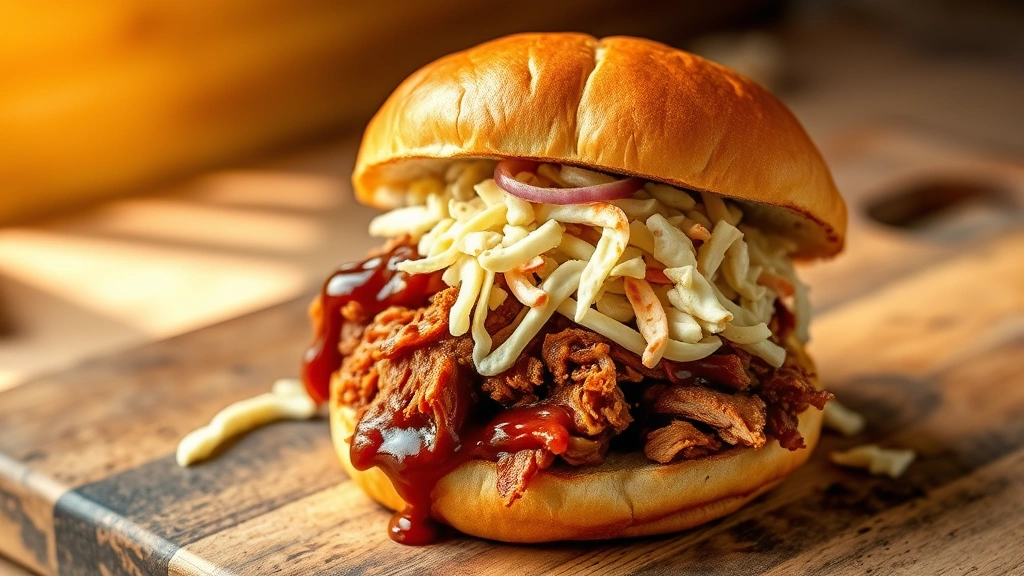
Boston butt recipes are the ultimate secret to feeding a crowd with minimal effort and maximum flavor. This cut of pork—actually the upper shoulder—transforms into the most tender, succulent pulled pork when you know the right techniques. Whether you’re planning a casual backyard gathering or a special family dinner, mastering boston butt recipes will become your go-to move.
The beauty of boston butt is its forgiving nature. It’s marbled with fat that keeps the meat moist during long, slow cooking. This means even if you’re not a seasoned pit master, you can still achieve restaurant-quality results at home. The meat practically melts in your mouth when cooked low and slow.
Jump To Section
Why This Recipe Works
Boston butt recipes work brilliantly because this cut has the perfect ratio of fat to lean meat. The connective tissue breaks down during extended cooking, creating that signature pulled texture everyone craves. Plus, it’s budget-friendly compared to other premium cuts.
The key is patience and the right cooking method. Whether you’re smoking it, roasting it, or slow-cooking it, the long cooking time allows flavors to develop deeply. Most boston butt recipes require between 8-12 hours of cooking, but that’s mostly hands-off time where you can relax.
Additionally, boston butt has incredible versatility. You can shred it for sandwiches, cube it for tacos, or serve it as a centerpiece protein. Try making best pork tacos with your pulled pork for a completely different meal experience. The same cooked meat works across multiple cuisines and serving styles.
Ingredient Tips & Substitutions
When selecting your boston butt, choose one that’s at least 8-10 pounds. Smaller cuts can dry out, while larger ones cook more evenly. Look for a bone-in cut if possible—the bone adds flavor and helps the meat stay moist. Don’t trim away all the fat; you need it for moisture.
Your dry rub is essential in boston butt recipes. Brown sugar, paprika, garlic powder, and black pepper create a fantastic base. However, feel free to experiment with different spice blends based on your preferences. Some people add cayenne for heat, while others incorporate cumin for southwestern notes.
For the cooking liquid, apple juice or cider vinegar are classic choices that complement pork beautifully. Meanwhile, some cooks prefer broth or beer for deeper, more complex flavors. The liquid keeps the meat from drying out and infuses it with additional taste.
If you’re making pulled pork sandwiches, consider preparing onion soup mix meatloaf sauce as a topping—the umami flavors pair wonderfully with tender pork. For soups and stews, slow cooker soup recipes offer great inspiration for using your leftover pulled pork.
Serving Suggestions & Pairings
Classic pulled pork sandwiches are always crowd-pleasers, especially when topped with coleslaw and a tangy barbecue sauce. The contrast between tender meat and crunchy slaw is simply irresistible. Toast your buns lightly for extra texture and to prevent sogginess.
For a lighter option, serve shredded boston butt over a bed of greens with your favorite dressing. Try pairing it with quick and tasty olive garden salad recipe for a fresh, satisfying meal. The warm protein against cool, crisp vegetables creates beautiful balance.
Don’t overlook creative applications either. Shredded pulled pork makes incredible filling for best panini recipes when pressed between crusty bread with melted cheese. You can also add it to rice bowls, nachos, or grain-based Buddha bowls for modern presentations.
Soups and stews benefit tremendously from pulled pork too. Consider adding it to vegetable soup recipes as a protein boost, or make a hearty pork and bean chili. These options are perfect for cooler months when people crave warming, comforting meals.
Storage & Reheating Guide
Properly stored pulled pork keeps in the refrigerator for up to five days. Let it cool completely before transferring to an airtight container. For longer storage, freeze it in portions for up to three months—this makes weeknight dinners incredibly convenient.
Reheating is simple and maintains the tender texture when done correctly. Add a splash of cooking liquid or broth before warming to prevent drying out. You can reheat in the oven at 350°F for about 20 minutes, or microwave individual portions for quick meals.
For the best results, reheat low and slow rather than using high heat. This prevents the edges from becoming tough while keeping the interior moist and flavorful. Stirring occasionally ensures even heating throughout the batch.
Why Pulled Pork Stays Popular
Boston butt recipes have remained beloved across generations because they deliver consistent, delicious results every single time. The technique is forgiving—slight variations in temperature or timing rarely ruin the dish. This reliability makes it perfect for beginners and experienced cooks alike.
The economic value is undeniable too. A single boston butt feeds a large group affordably, making it ideal for parties, potlucks, and family gatherings. You get maximum yield from minimal investment, which stretches your cooking budget significantly.
Most importantly, boston butt recipes create an opportunity for people to gather around great food. There’s something special about serving slow-cooked, tender pork that’s been prepared with care and attention. It brings people together in the most delicious way possible.
Whether you’re smoking it in a backyard pit, roasting it in your oven, or letting your slow cooker do the work, boston butt recipes deliver incredible flavor and satisfaction. Start with one method, master it, then explore others. Your kitchen will become famous for this dish in no time.
Ingredients
- 1 bone-in boston butt (8-10 pounds)
- 3 tablespoons brown sugar
- 2 tablespoons smoked paprika
- 1 tablespoon garlic powder
- 1 tablespoon onion powder
- 1 tablespoon black pepper
- 2 teaspoons cayenne pepper
- 2 teaspoons kosher salt
- 1 teaspoon dry mustard
- 2 cups apple juice or apple cider
- 1 cup barbecue sauce (plus more for serving)
- 2 tablespoons apple cider vinegar
Instructions
- Remove the boston butt from the refrigerator 1 hour before cooking to allow it to come to room temperature—this ensures even cooking throughout the meat.
- Preheat your oven to 325°F if roasting, or prepare your smoker to 225-250°F if smoking. Line your baking dish or smoker grate with foil for easier cleanup.
- In a small bowl, combine brown sugar, paprika, garlic powder, onion powder, black pepper, cayenne, salt, and dry mustard to create your dry rub.
- Pat the boston butt dry with paper towels, then generously apply the dry rub all over the meat, massaging it into every crevice and under any loose skin.
- Place the seasoned butt skin-side up in your roasting pan or directly on the smoker grate if smoking.
- Pour apple juice and apple cider vinegar around the meat in the bottom of the pan—this creates steam and keeps the meat moist during the long cooking process.
- Cover tightly with foil if roasting, then place in the preheated oven. If smoking, follow your smoker’s instructions and maintain steady temperature throughout.
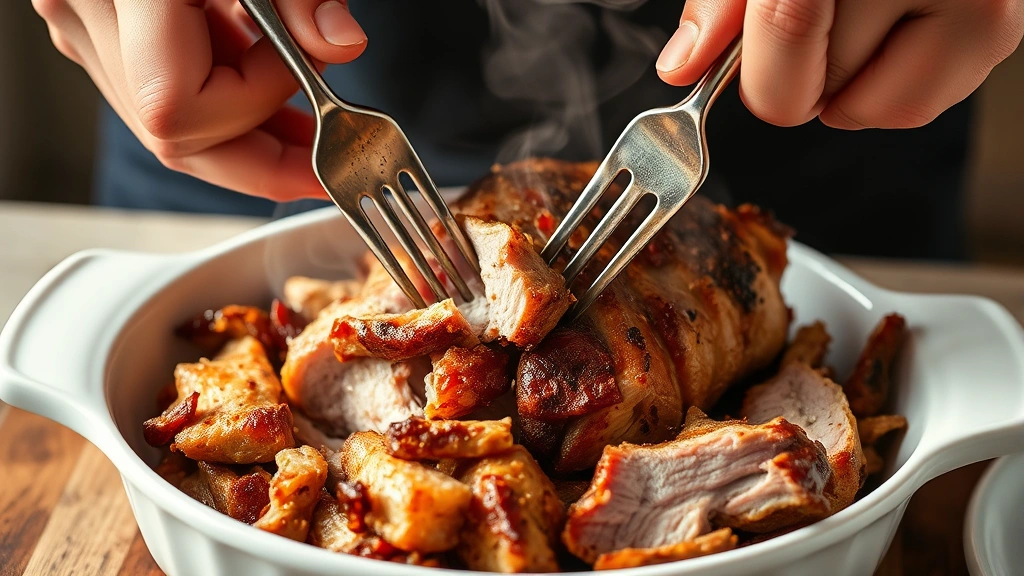
- Cook for approximately 8-10 hours for an 8-10 pound butt, allowing roughly 1 hour per pound. The meat is done when a fork easily shreds the meat and the internal temperature reaches 190-205°F.
- Remove from heat and let rest for 15-20 minutes before shredding—this allows the juices to redistribute throughout the meat.
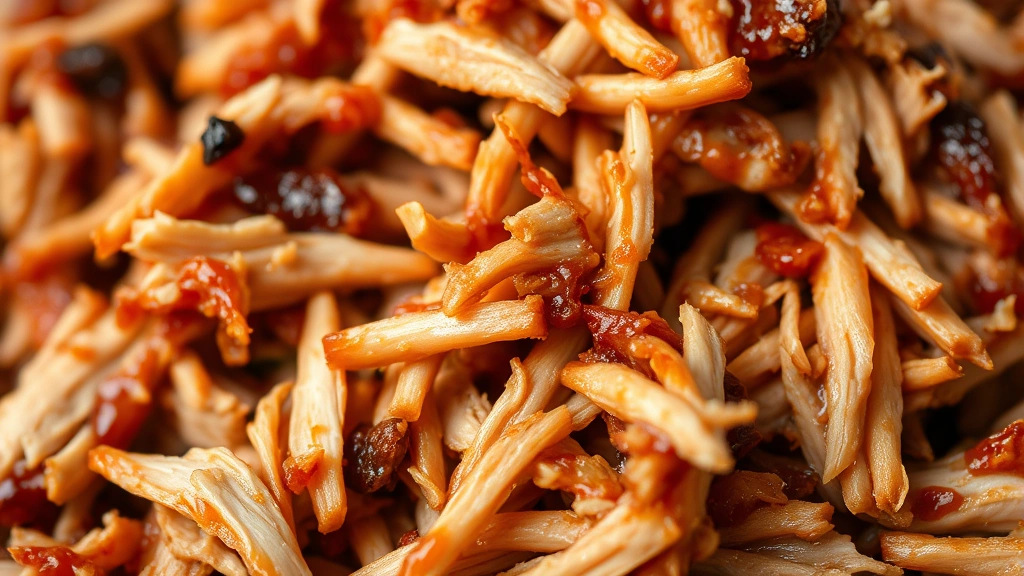
- Using two forks or meat shredders, pull the meat apart into bite-sized pieces, discarding any large chunks of fat or bone.
- Stir in barbecue sauce to taste, using some of the cooking liquid to keep the meat moist and flavorful.
- Serve immediately on toasted buns with coleslaw, or portion into containers for storage and later use.
Pro Tips
The size of your boston butt matters more than you might think. Smaller cuts under 6 pounds tend to dry out because there’s less insulating fat. Aim for 8-10 pounds minimum for best results with most boston butt recipes. Bone-in cuts are preferable to boneless because the bone adds flavor and helps distribute heat evenly.
Your dry rub is completely customizable based on personal preferences. If you prefer milder flavors, reduce the cayenne or skip it entirely. For southwestern-style pulled pork, add cumin and chili powder to the base recipe. Some cooks love adding coffee or cocoa powder for subtle depth.
The cooking liquid prevents the meat from drying out during the long cooking process. Apple juice is traditional and adds a subtle sweetness that complements the smoky flavor. However, beer, broth, or even water work perfectly fine. Avoid anything too acidic unless you specifically want that tanginess.
Temperature control is crucial when cooking boston butt recipes. Invest in a reliable meat thermometer—digital instant-read thermometers take the guesswork out of doneness. The meat should reach 190-205°F internally for optimal tenderness and shredding ability.
Resting time after cooking is non-negotiable. Those 15-20 minutes allow carryover cooking to finish and the meat fibers to relax. This step makes shredding easier and helps retain moisture in the finished dish.
For storage, portion your pulled pork into meal-sized containers before refrigerating. This makes reheating faster and prevents waste. Frozen portions thaw overnight in the refrigerator and reheat beautifully when you add a splash of liquid.
When reheating, always add extra moisture whether you’re using the oven or stovetop. A mixture of broth and barbecue sauce works wonderfully. Low, gentle heat prevents the edges from drying while keeping the interior tender.