
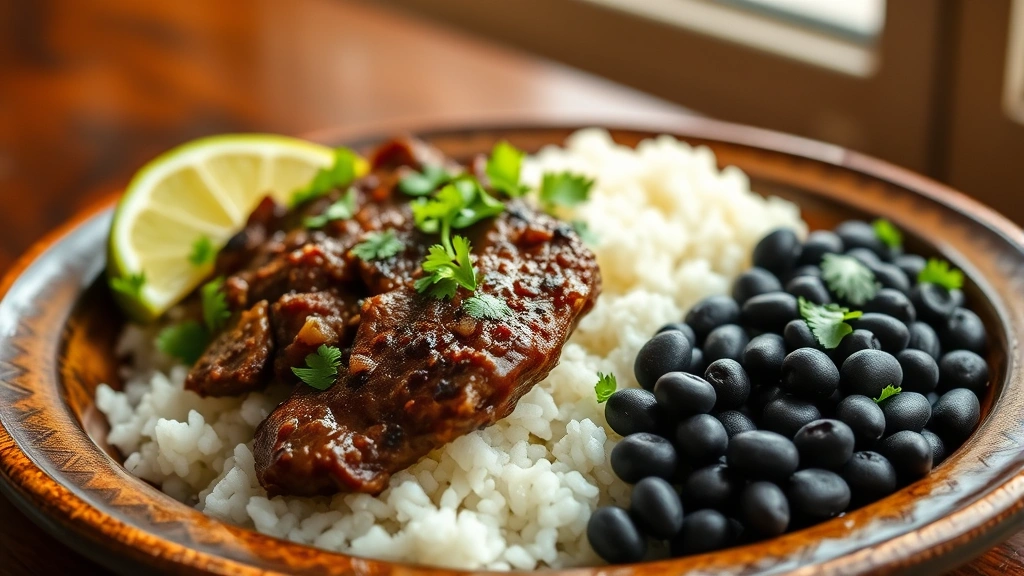
A Brazilian mounjaro recipe is one of those magical dishes that brings people together around the dinner table with its bold, vibrant flavors and comforting warmth. This traditional Brazilian staple has been passed down through generations, and once you understand the simple techniques behind it, you’ll find yourself making it again and again for family dinners and special gatherings.
The beauty of this dish lies in its balance—tender, succulent meat paired with aromatic spices and fresh ingredients that sing on your palate. Whether you’re cooking for a weeknight dinner or impressing guests at a dinner party, this recipe delivers restaurant-quality results right in your own kitchen. The best part? It’s far easier to make than you might think.
Jump To Section
Why This Recipe Works
What makes a Brazilian mounjaro recipe so special is the combination of slow-cooking techniques with bold seasoning. The meat becomes incredibly tender as it braises in its own juices, absorbing all those wonderful flavors. Additionally, the depth of taste comes from building flavor layers—starting with a proper sear, then adding aromatics, and finally letting everything meld together during the cooking process.
The technique is forgiving, which means even if you’re new to Brazilian cooking, you’ll have excellent results. You’re not fighting against the recipe here; instead, you’re working with the natural properties of the ingredients to create something truly delicious. Meanwhile, the hands-on time is surprisingly minimal, making this perfect for busy weeknights when you still want something homemade and special.
For instance, if you enjoy the flavors in a best pork stir fry recipe, you’ll absolutely love how similar proteins shine in Brazilian cuisine. The approach differs slightly—we’re braising rather than stir-frying—but the respect for quality meat and bold seasonings remains the same.
Ingredient Tips & Substitutions
The foundation of any good Brazilian mounjaro recipe starts with quality meat selection. Look for well-marbled cuts that can handle long, slow cooking without drying out. Beef chuck, brisket, or even pork shoulder work beautifully here. The fat content is your friend—it keeps everything moist and adds incredible flavor as it renders down.
Fresh garlic and onions are non-negotiable in this recipe. Don’t even think about substituting powder versions; the fresh aromatics create a completely different flavor profile. Additionally, I recommend using whole spices when possible and toasting them lightly before grinding—this intensifies their flavors significantly. However, if you’re short on time, pre-ground spices will still produce delicious results.
The acidic elements matter too. Whether you’re using lime juice, vinegar, or tomato paste, these ingredients brighten the heavy richness of the meat and add complexity. For those looking for complementary side dishes, a best Mexican corn salad recipe pairs wonderfully with Brazilian mounjaro, providing fresh, light contrast. Consider other substitutions: if you don’t have a specific ingredient, think about what flavor profile it provides and replace it with something similar in your pantry.
For heat lovers, fresh chili peppers elevate this dish considerably. Meanwhile, if you prefer milder flavors, simply reduce the spice quantities—Brazilian cooking is about personalization and making the recipe work for your taste preferences.
Cooking Technique & Process
The magic begins with properly searing your meat. This step creates a flavorful crust through the Maillard reaction, which adds depth to your final dish. Don’t rush this part—let each side of the meat develop a beautiful golden-brown color. The sear creates the foundation for everything that follows.
After searing, you’ll build your flavor base with sautéed aromatics. This is where patience pays off. Allow your onions and garlic to become fragrant and slightly caramelized. Then add your spices, tomato paste, and other seasonings. Toast these for just a minute or two—this blooming process releases aromatic compounds and makes flavors pop. This technique appears throughout Brazilian cooking and is essential to understanding authentic mounjaro recipes.
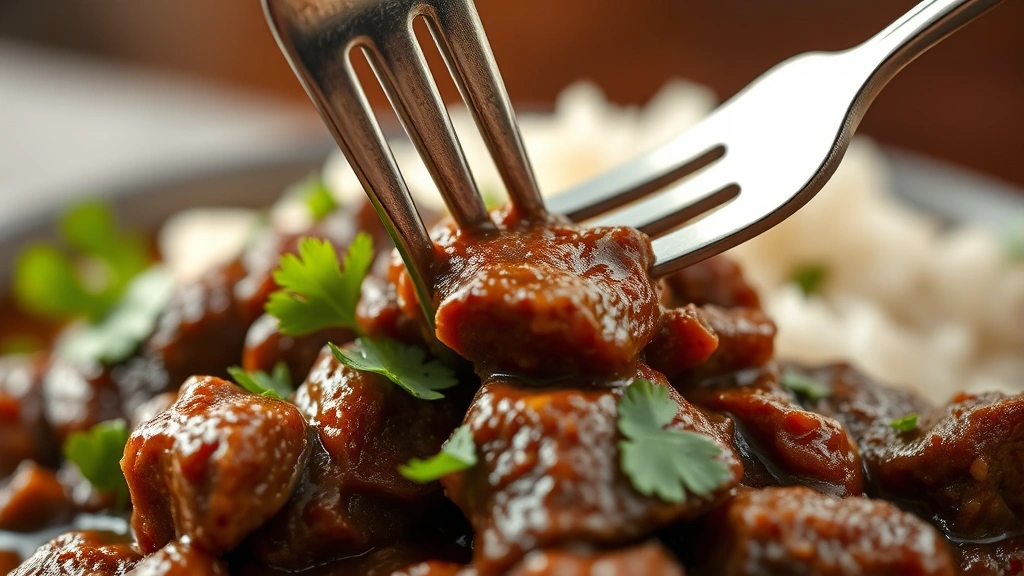
The braising step is where everything comes together. Low, gentle heat over several hours transforms tough cuts of meat into fork-tender perfection. You’ll know it’s ready when the meat practically falls apart at the slightest touch. The liquid reduces, concentrates, and becomes a rich, glossy sauce. This is also an excellent time to prepare complementary dishes, like a best Mexican soup recipe or fresh salad.
Serving Suggestions & Pairings
Brazilian mounjaro is wonderfully versatile at the table. Traditionally, it’s served with white rice, black beans, and fresh orange slices—the citrus cuts through the richness beautifully. Crusty bread is essential for soaking up that incredible sauce. However, you can also serve it with roasted vegetables, creamy polenta, or even over pasta for a fusion twist.
For a complete meal experience, consider adding a fresh best Mexican chicken salad recipe as a vibrant side. The bright, fresh flavors provide excellent balance to the rich, slow-cooked meat. Garnish your mounjaro with fresh cilantro, green onions, or additional fresh lime juice just before serving—these finishing touches add freshness and visual appeal.
The presentation matters too. Serve the meat in the center of the plate, ladle that gorgeous sauce around it, and arrange your sides thoughtfully. A sprinkle of toasted sesame seeds or fresh herbs elevates the entire presentation. Your guests will be impressed by how restaurant-quality this looks.
Storage & Make-Ahead Tips
One of the best things about a Brazilian mounjaro recipe is that it actually improves with time. The flavors deepen and meld together beautifully as the dish sits in the refrigerator overnight. Store it in an airtight container for up to four days. When you’re ready to eat, simply reheat gently on the stovetop over medium-low heat, adding a splash of broth if needed to restore the sauce consistency.
This recipe is also freezer-friendly, making it perfect for meal prep. Freeze in individual portions or as a whole batch for up to three months. Thaw overnight in the refrigerator before reheating. Additionally, you can prepare the dish completely and refrigerate it the day before serving—there’s no stress about last-minute cooking.
For entertaining, this hands-off approach is ideal. Prepare everything in the morning, let it cook while you handle other tasks, and by dinner time, you have an impressive main course ready to go. It’s the kind of dish that makes you look like a culinary genius without requiring you to spend hours in the kitchen.
Consider pairing leftovers with a perfect spicy chicken sandwich recipe for lunch the next day—the mounjaro makes an excellent sandwich filling when shredded. Your weekday meals become exciting and delicious with this kind of advance planning.
If you’re new to Brazilian cuisine, this mounjaro recipe is the perfect starting point. It teaches you fundamental techniques, introduces you to authentic flavors, and proves that restaurant-quality food is absolutely achievable at home. Once you’ve mastered this dish, you’ll feel confident exploring other Brazilian classics. The warmth of Brazilian hospitality shines through in every bite—that’s what makes this recipe truly special.
Ingredients
- 3 pounds beef chuck or brisket, cut into 2-inch chunks
- 3 tablespoons vegetable oil
- 1 large yellow onion, diced
- 6 cloves fresh garlic, minced
- 3 tablespoons tomato paste
- 2 tablespoons ground cumin
- 1 tablespoon ground coriander
- 2 teaspoons smoked paprika
- 1 teaspoon fresh grated ginger
- 3 dried bay leaves
- 1 teaspoon ground black pepper
- 1 teaspoon sea salt, plus more to taste
- 1 cup beef broth
- 1/2 cup orange juice, freshly squeezed
- 3 tablespoons lime juice, freshly squeezed
- 2 dried chili peppers (optional, for heat)
- 1/4 cup fresh cilantro, chopped
- 2 green onions, sliced
Instructions
- Pat your beef chunks completely dry with paper towels—this ensures proper browning and a beautiful crust. Season generously with salt and black pepper on all sides.
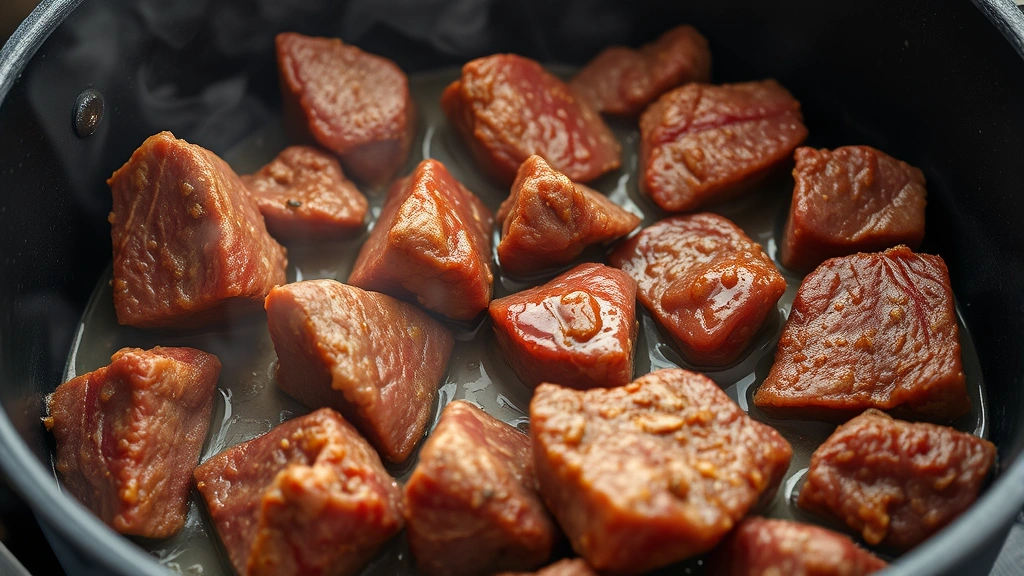
- Heat the vegetable oil in a large heavy-bottomed pot or Dutch oven over medium-high heat. Once shimmering, working in batches, add the beef chunks without crowding the pan. Sear for 3-4 minutes per side until deeply browned. Transfer to a plate and set aside.
- Reduce heat to medium and add the diced onion to the same pot, scraping up any browned bits from the bottom. Cook for 5 minutes until softened and fragrant, stirring occasionally.
- Add the minced garlic and cook for another minute, stirring constantly to prevent burning. You want it fragrant and slightly golden, not dark.
- Stir in the tomato paste and cook for 2 minutes, allowing it to caramelize slightly and deepen in color. This concentrates the flavors significantly.
- Add the ground cumin, coriander, smoked paprika, ginger, and ground black pepper. Toast these spices for 1-2 minutes, stirring constantly. You’ll notice the kitchen filling with amazing aromas—this is the bloom developing.
- Return the seared beef to the pot along with any accumulated juices. Toss everything together to coat the meat with the spices and aromatics.
- Pour in the beef broth, orange juice, and lime juice. Tuck the bay leaves and dried chili peppers (if using) into the liquid. Bring to a gentle simmer.
- Reduce heat to low, partially cover the pot with a lid, and let everything braise for 2.5 to 3 hours. The meat should be fork-tender and the sauce should have reduced and thickened slightly. Stir occasionally during cooking.
- Taste and adjust seasonings as needed. Remove and discard the bay leaves and chili peppers. The sauce should coat the back of a spoon beautifully.
- Serve hot over white rice with black beans on the side. Garnish generously with fresh cilantro and sliced green onions. Finish with additional lime juice if desired.
- Serve with fresh orange slices and crusty bread for soaking up that incredible sauce.
Pro Tips
Make-ahead magic: This dish actually tastes better the next day as flavors meld and deepen. Prepare it completely, cool to room temperature, then refrigerate overnight. Reheat gently on the stovetop with a splash of broth before serving. You’ve just created an impressive meal with minimal last-minute effort.
Meat selection matters tremendously. Chuck roast becomes incredibly tender with long, slow cooking, while brisket offers deeper, beefier flavors. Pork shoulder works beautifully too if you prefer pork—the cooking time remains the same. Whatever you choose, look for well-marbled cuts with good fat distribution.
The citrus elements are crucial to this recipe’s success. Fresh orange and lime juice add brightness and complexity that bottled versions simply cannot replicate. If fresh citrus isn’t available, you can substitute with quality bottled versions, but fresh is always preferred. Additionally, the acid helps tenderize the meat and balances the rich, savory flavors.
For heat control, those dried chili peppers are optional but recommended. They add subtle warmth without overwhelming heat. If you prefer spicier results, add fresh jalapeños or habaneros. If you want zero heat, simply omit them entirely—the dish is delicious either way and caters to your personal preferences.
Freezer-friendly for up to three months: Cool the mounjaro completely, then portion into airtight containers or freezer bags. Thaw overnight in the refrigerator before reheating. This makes meal prep incredibly efficient, giving you restaurant-quality dinners ready whenever you need them.
Sauce consistency is adjustable. If your sauce is too thin after cooking, remove the meat and simmer the liquid uncovered for an additional 15-20 minutes to reduce and thicken. Conversely, if it’s too thick, simply add more broth or water gradually until you reach desired consistency. The sauce should be glossy and coat the meat beautifully.
Fresh herbs elevate everything. Cilantro, green onions, and even fresh mint work wonderfully as garnishes. These bright additions provide visual appeal and fresh flavor that cuts through the richness of the braised meat. Don’t skip this step—the garnish is part of the complete experience.
Substitution options: No cumin? Use ground caraway. Can’t find fresh ginger? Ginger powder works, though use half the amount. Different aromatics like fennel seeds or whole cloves add interesting dimensions. The beauty of this recipe is its flexibility—adapt it based on what you have available while maintaining the core technique and balance of flavors.