
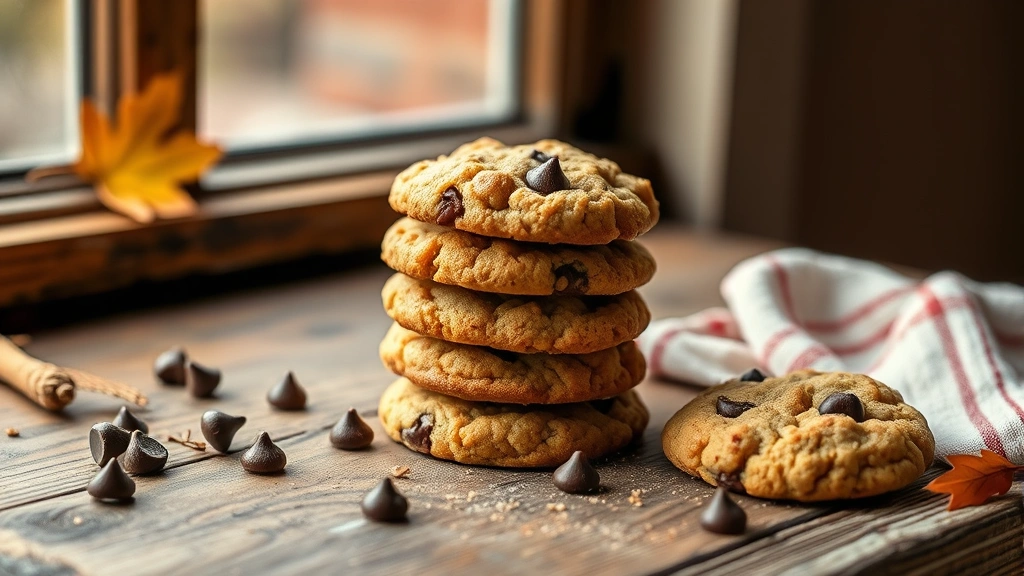
A brown sugar recipe is truly one of the most essential foundations in any baker’s kitchen. This golden-hued sweetener brings depth, moisture, and a subtle molasses complexity that white sugar simply cannot replicate, making it absolutely indispensable for creating that perfect texture and flavor in your favorite treats.
I’ve been baking for years, and I can honestly say that understanding how to work with brown sugar has transformed my baking game entirely. Whether you’re crafting chewy chocolate chip cookies or moist spice cakes, brown sugar does the heavy lifting. It’s not just an ingredient—it’s the secret weapon that separates good baked goods from truly unforgettable ones.
Jump To Section
The magic of brown sugar lies in its molasses content. Unlike regular white sugar, brown sugar contains molasses, which adds moisture, tenderness, and that rich caramel-like flavor that makes people ask for your recipe. This isn’t complicated chemistry; it’s simply understanding what makes baked goods sing.
Why This Brown Sugar Recipe Collection Matters
Every baker needs reliable recipes that celebrate brown sugar’s unique properties. These ten essential baking must-haves showcase exactly how to harness this ingredient’s potential. From cookies to cakes, brownies to quick breads, each recipe demonstrates a different application of this versatile sweetener.
What makes these recipes special is their versatility. You can make them for weeknight desserts, holiday gatherings, or even as gifts for friends and family. They’re the kinds of recipes you’ll return to again and again because they simply work.
I love how brown sugar creates that chewy texture in cookies—the edges get crispy while the centers stay soft and tender. Meanwhile, in cakes and brownies, it keeps everything moist and adds a subtle depth that regular sugar can’t achieve. Additionally, it’s the perfect choice for spiced desserts where those molasses notes really shine through.
Understanding Brown Sugar Types and Selection
Not all brown sugar is created equal, and knowing the difference matters for your brown sugar recipe success. Light brown sugar has less molasses, giving it a milder, more subtle flavor. Dark brown sugar packs in extra molasses, delivering a richer, more pronounced taste that’s perfect for gingerbread and spiced treats.
For most baking applications, light brown sugar works beautifully and provides enough molasses content for moisture without overpowering other flavors. However, don’t hesitate to experiment with dark brown sugar when you want that deeper, more complex molasses note. Some recipes actually call for a combination of both types to achieve the perfect balance.
Storage is crucial for keeping your brown sugar fresh and clump-free. Keep it in an airtight container, and if it hardens, place a slice of bread inside for a day or two to restore moisture. For instance, I always add a small piece of parchment paper with my brown sugar to help prevent clumping during storage.
Essential Ingredient Pairings and Tips
Brown sugar reaches its full potential when paired with the right complementary ingredients. Vanilla extract, cinnamon, nutmeg, and cloves all enhance those warm molasses notes beautifully. Butter is absolutely essential—the combination of butter and brown sugar creates that signature rich, tender crumb that makes baked goods irresistible.
Eggs play an important role too, helping to bind ingredients while the brown sugar adds moisture. Flour type matters as well; all-purpose flour works wonderfully for most applications, though cake flour creates an even more delicate crumb. For chewy textures, slightly underbaking your brown sugar recipe is often the key—those cookies will continue to set as they cool.
Consider how you’re measuring brown sugar, as this affects your results significantly. Always pack brown sugar firmly into your measuring cup, then level it with a knife. If you have a scale, weighing your ingredients takes guesswork out of the equation entirely and ensures consistent results every single time.
Looking for savory applications? Brown sugar works wonderfully in glazes and marinades—try it in your best pork stir fry recipe for a balanced sweet and savory profile. You might also enjoy exploring how brown sugar enhances slow cooker soup recipes with subtle depth and richness.
Flavor Combinations That Elevate Your Baking
The beauty of brown sugar is its compatibility with so many flavor profiles. Chocolate is perhaps the most classic pairing—brown sugar and chocolate together create something magical and indulgent. Caramel flavors naturally emerge when brown sugar is combined with butter and cream, making it perfect for frosting and filling.
Warming spices like cinnamon, ginger, and cardamom complement brown sugar’s molasses notes beautifully. These combinations remind you of autumn and comfort, evoking cozy memories of holiday baking. Coffee and espresso powder can also deepen the complexity of brown sugar desserts, adding a sophisticated edge.
Don’t overlook fruity combinations either. Brown sugar pairs wonderfully with apples, bananas, and dried fruits like raisins and cranberries. These fruits benefit from brown sugar’s moisture-retaining properties, staying tender and flavorful throughout the baking process.
For more inspiration on building flavor layers in your cooking, explore recipes like best sweet potato gnocchi recipe and best steak salad recipe, both of which showcase how thoughtful ingredient combinations create memorable dishes.
Storage, Make-Ahead Tips, and Serving Suggestions
Most brown sugar baked goods keep beautifully for several days when stored in an airtight container at room temperature. Cookies stay fresh for 4-5 days, while cakes and brownies maintain their moisture for up to a week. For longer storage, freeze your baked goods for up to three months—they thaw quickly and taste just as delicious.
Make-ahead potential is one of the best aspects of brown sugar recipes. You can prepare cookie dough, cake batter, or brownie batter ahead of time, refrigerating until you’re ready to bake. This flexibility makes brown sugar recipes perfect for entertaining or managing busy weeknight schedules. Additionally, many of these recipes actually improve in flavor after a day or two as ingredients meld together beautifully.
Serving suggestions depend on your specific recipe, but generally, brown sugar baked goods shine alongside coffee, tea, or cold milk. They’re perfect for lunchboxes, afternoon snacks, or dessert after dinner. Consider pairing them with complementary recipes—for example, serve brown sugar cookies alongside best Waldorf salad recipe for a complete meal offering contrast and balance.
For more detailed baking techniques and inspiration, resources like Bon Appétit’s baking section offer excellent guidance. Serious Eats provides scientific baking explanations, while New York Times Cooking features tested, reliable recipes from renowned chefs.
These ten essential brown sugar recipe must-haves represent the foundation of confident baking. Each one teaches you something valuable about how this ingredient behaves, how it transforms under heat, and how it creates those textures and flavors we all crave. Start with whichever recipe calls to you, then build your collection slowly, mastering each technique along the way.
The wonderful thing about baking is that it’s forgiving when you understand your ingredients. Brown sugar is one of those ingredients worth getting to know intimately. Once you do, you’ll unlock countless possibilities in your kitchen. Happy baking!
Ingredients
- 2 1/4 cups all-purpose flour
- 1 teaspoon baking soda
- 1 teaspoon salt
- 1 cup (2 sticks) unsalted butter, softened
- 3/4 cup granulated sugar
- 3/4 cup packed light brown sugar
- 2 large eggs
- 2 teaspoons vanilla extract
- 2 cups semi-sweet chocolate chips
- 1 cup chopped walnuts or pecans (optional)
Instructions
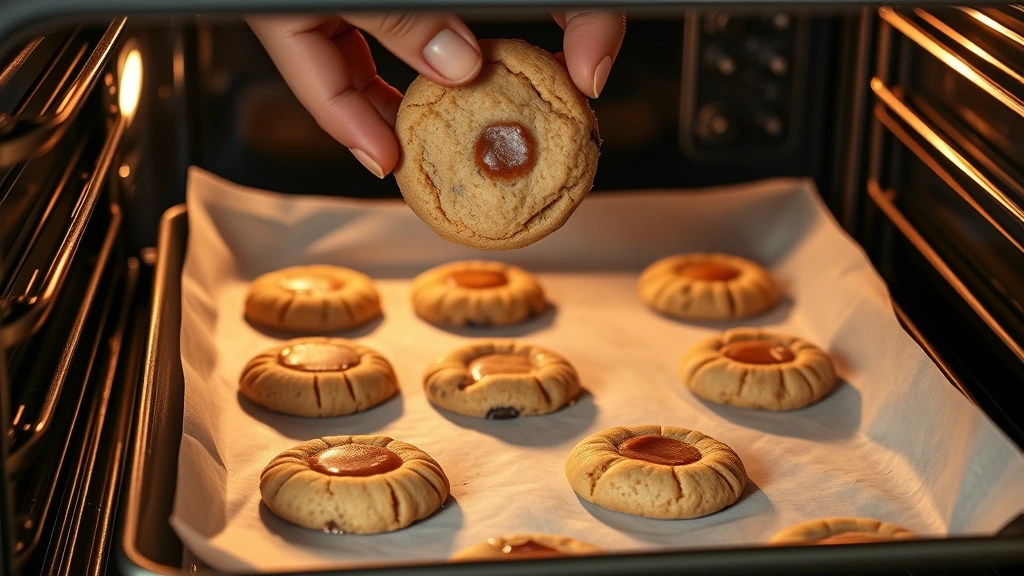
- Preheat your oven to 375°F (190°C) and line baking sheets with parchment paper for easy cleanup and even baking.
- In a small bowl, whisk together flour, baking soda, and salt, then set this mixture aside to use later.
- In a large bowl, cream together softened butter, granulated sugar, and brown sugar until light and fluffy, about 2-3 minutes of beating with an electric mixer.
- Add eggs one at a time to the butter mixture, beating well after each addition, then stir in vanilla extract until fully combined.
- Gradually add the flour mixture to the wet ingredients, stirring until just combined—don’t overmix, as this keeps cookies tender.
- Fold in chocolate chips and nuts if using, distributing them evenly throughout the dough.
- Drop rounded tablespoons of dough onto prepared baking sheets, spacing them about 2 inches apart to allow for spreading.
- Bake for 11-13 minutes until golden brown around the edges but still slightly soft in the centers—this is the secret to chewy cookies.
- Remove from oven and let cookies cool on baking sheets for 5 minutes before transferring to a wire cooling rack.
- Store cooled cookies in an airtight container at room temperature for up to 5 days, or freeze for up to 3 months.
Pro Tips
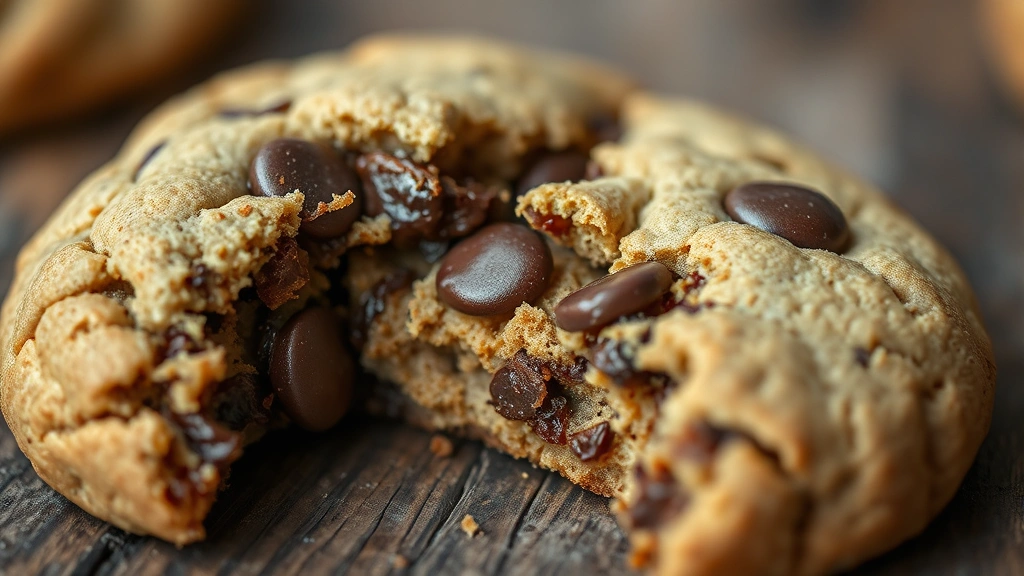
Achieving the perfect brown sugar recipe cookie requires understanding the balance between underbaking and proper doneness. The edges should look set and golden, but the centers should still appear slightly underdone when you remove them from the oven. This is not a mistake—the residual heat will continue cooking them as they rest on the baking sheet.
Brown sugar content makes all the difference in texture and flavor. Light brown sugar provides subtle molasses notes without overwhelming other flavors. However, if you prefer deeper molasses flavor, swap half the brown sugar for dark brown sugar. The result will be a slightly darker, richer-tasting cookie with even more chewiness.
Temperature control matters significantly for brown sugar recipes. Room-temperature butter creams more efficiently with sugar, incorporating air that creates lift during baking. If your butter is too cold, it won’t mix properly; if it’s too warm, your dough becomes greasy. Aim for butter that’s soft enough to leave a slight indent when pressed with your finger.
Make-ahead versatility is one of the best aspects of cookie dough. You can refrigerate prepared dough for up to 48 hours, allowing flavors to develop further. Additionally, frozen dough scoops can bake directly from the freezer with just 2-3 extra minutes of baking time, making fresh cookies possible on busy weeknights.
For substitutions, consider using coconut sugar or muscovado sugar, though these alternatives will slightly change the flavor profile. Muscovado sugar is particularly interesting as it has even more molasses than standard brown sugar, creating an exceptionally moist cookie. Meanwhile, you can replace nuts with dried fruit, white chocolate chips, or even crushed pretzels for texture variation.
Moisture retention is where brown sugar truly excels. The molasses content keeps these cookies tender and chewy for days. Store them in an airtight container with a slice of bread—the cookies will absorb excess moisture from the bread, staying soft and delicious.