

The brush recipe in Minecraft is one of the most useful crafting guides you’ll encounter when exploring the Caves & Cliffs update and beyond. If you’re looking to master this essential tool, you’ve come to the right place for a complete breakdown of how to craft it, what it does, and why every serious player needs one in their inventory.
A brush in Minecraft is a specialized tool used for excavating suspicious blocks with precision and care. Unlike traditional mining tools that destroy blocks instantly, the brush allows you to carefully uncover hidden treasures without breaking them. This makes it absolutely essential for archeological digs and discovering rare artifacts that would otherwise be lost forever.
Jump To Section
Understanding the Brush Recipe Minecraft
To craft a brush, you’ll need to gather specific materials that aren’t always easy to find. The recipe requires one copper ingot, one feather, and one stick arranged in a particular pattern on your crafting table. Think of it like preparing ingredients for a delicate dish—precision matters, and each component serves a specific purpose.
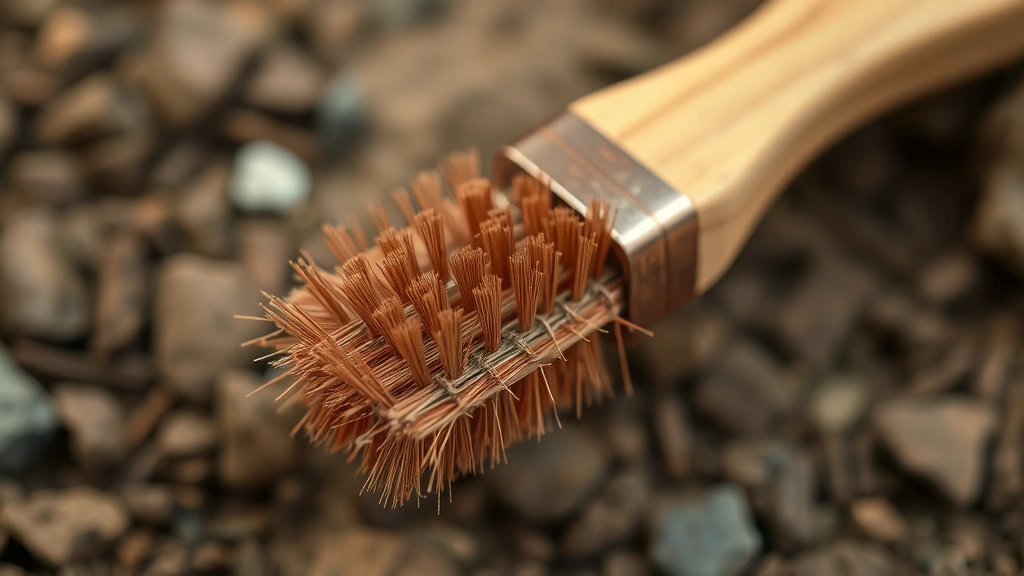
The copper ingot forms the bristles and head of your brush, giving it durability and effectiveness. Feathers provide the actual bristle texture that makes gentle excavation possible. Meanwhile, the stick serves as the handle, keeping everything bound together in a functional tool you can hold and control.
Finding copper ingots requires mining copper ore and smelting it in a furnace, which takes a bit of preparation. Feathers are easier to obtain—simply defeat chickens or find them naturally in the world. Sticks are everywhere, whether you’re breaking wood or finding them on the ground in forests.
Crafting Steps & Placement
When you open your crafting table, arrange your materials carefully for the brush recipe Minecraft players depend on. Place the copper ingot in the top-middle slot of the 3×3 grid. Position the feather directly below it in the center slot, and place your stick in the bottom-middle slot.
This vertical alignment is crucial—the game won’t recognize the recipe if your materials are placed differently. Once arranged correctly, the brush appears in the result box, ready to be collected and used. It’s a straightforward recipe once you understand the pattern, much like muscle memory in the kitchen.
After crafting your first brush, you’ll quickly realize how invaluable this tool becomes during exploration. Many players craft multiple brushes since they do wear out over time with heavy use. Having backups ensures you’re never caught without this essential excavation tool.
What Makes the Brush Essential for Gameplay
The brush recipe Minecraft community celebrates because it opens up entirely new gameplay possibilities. Suspicious blocks appear in ancient cities, trail ruins, and ocean ruins throughout your world. Without a brush, you’ll miss out on pottery shards, diamonds, emeralds, and unique enchanted books hidden within these blocks.
Using the brush requires patience and a gentle touch, much like careful kitchen work. Right-click on a suspicious block and watch as it gradually reveals its contents over a few seconds. This slow excavation process prevents the block from breaking and ensures you collect every treasure inside.
Additionally, the brush is your only way to access the rare pottery shards needed for crafting decorative items. These shards have become highly sought after by builders and decorators who want to customize their bases with unique designs. The brush essentially unlocks a whole category of building possibilities that simply don’t exist otherwise.
Tips for Brush Usage & Maintenance
While brushes don’t require fuel like furnaces, they do have durability—typically lasting about 64 uses before breaking completely. Monitor your brush’s durability bar and craft replacements before you’re left empty-handed during an important dig. Think of it like maintaining kitchen tools; proper care extends their usefulness significantly.
The brush works fastest on suspicious blocks, so focus your excavation efforts on these specific blocks rather than regular stone. You can use the brush on other blocks, but it won’t be nearly as effective or efficient. Prioritizing suspicious blocks means you’ll gather treasures faster and waste less time on unproductive actions.
When exploring ancient cities or trail ruins, bring multiple brushes and plenty of food for healing. These locations are dangerous, filled with hostile mobs and hazards that require constant vigilance. Having backup tools ensures you can complete your excavation mission even if things go sideways unexpectedly.
Advanced Strategies & Building Upon Success
Once you’ve mastered the basic brush recipe Minecraft offers, consider farming copper ore to mass-produce brushes. Establishing a copper farm near your base gives you unlimited brushes for extended excavation expeditions. This strategic preparation separates casual players from dedicated explorers who want to maximize their treasure hunting efficiency.
Combine your brush collection with other mining tools for a comprehensive underground arsenal. Pickaxes handle regular mining, shovels clear dirt and sand efficiently, and your brush carefully excavates precious artifacts. Each tool serves its purpose, and knowing when to switch between them separates expert players from novices.
Finally, share your brush-crafting knowledge with other players in your multiplayer world or community. Teaching others about this essential tool helps everyone enjoy Minecraft’s exploration features more fully. The brush recipe might seem simple on the surface, but its impact on gameplay depth and treasure hunting possibilities is genuinely profound.
Ingredients
- 1 copper ingot
- 1 feather
- 1 stick

Instructions
- Open your crafting table and access the 3×3 crafting grid.
- Place one copper ingot in the top-middle slot of the crafting grid.
- Place one feather directly below the copper ingot in the center slot.
- Place one stick in the bottom-middle slot, completing the vertical line.
- Collect your newly crafted brush from the result box on the right side of the crafting table.
- Transfer the brush to your inventory and head out for your first excavation adventure.
Pro Tips
Durability matters when using your brush repeatedly in the field. Each brush lasts approximately 64 uses before breaking, so craft multiple brushes before embarking on extended excavation missions. Keep track of your brush’s durability bar and replace worn tools proactively to avoid getting stranded without excavation equipment.
Copper ingots are your limiting factor in mass-producing brushes, so focus on mining copper ore efficiently. You’ll find copper ore scattered throughout underground caves and cliff faces, typically between Y-levels 0 and 64. Smelting copper ore in a furnace requires fuel like wood or charcoal, so prepare your fuel supply before attempting large-scale copper farming.
Feathers drop consistently from chickens when defeated, making them relatively easy to obtain. However, if you need massive quantities for a brush-crafting operation, consider building a chicken farm. Automated farms save tremendous time compared to manually hunting chickens throughout the world.
Sticks are abundantly available from breaking wood blocks or collecting fallen branches in forests. You’ll rarely struggle to find sticks unless you’re crafting hundreds of brushes at once. If you do need that many, set up automatic wood farms and stick generators for convenience.
The brush recipe Minecraft players use hasn’t changed since its introduction, making it a stable, reliable crafting pattern. Whether you’re playing vanilla survival, modded servers, or creative mode, this recipe remains consistent and dependable. Understanding this foundational recipe helps you explore ancient structures with confidence and collect valuable artifacts efficiently.
Store your crafted brushes in a dedicated inventory slot or container near your crafting area. This organization prevents losing track of how many brushes you have available for upcoming expeditions. Many experienced players keep at least five brushes on hand at all times for spontaneous exploration opportunities.
When excavating suspicious blocks, move slowly and methodically to avoid accidentally breaking the block. The brush prevents breakage if used properly, but impatience can still lead to mistakes. Treat excavation like delicate work requiring focus and attention to detail for maximum treasure recovery.