
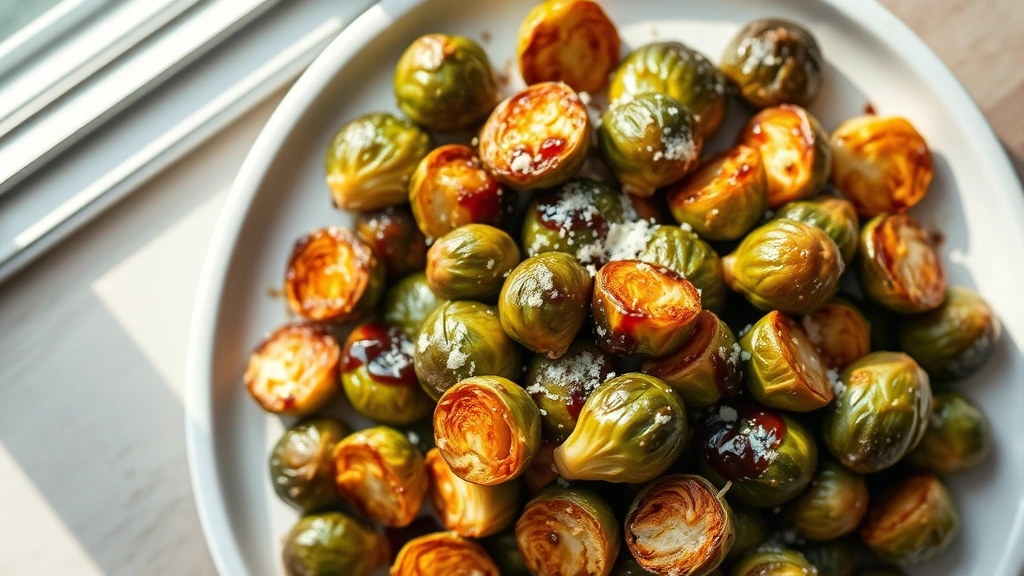
This brussel sprouts recipe balsamic is about to become your new favorite side dish—I promise you that. There’s something magical about roasting these little green gems until they’re crispy on the outside and tender on the inside, then tossing them with tangy balsamic vinegar and a touch of sweetness that makes everyone at the table ask for seconds.
I used to be one of those people who thought brussels sprouts were boring. Then I discovered roasting them with balsamic, and honestly, my whole perspective changed. The balsamic caramelizes beautifully on the high heat, creating this incredible sweet-savory glaze that coats every sprout perfectly.
Jump To Section
Why This Recipe Works
The secret to amazing roasted brussels sprouts is high heat and patience. When you get your oven hot enough and give them space on the pan, the cut sides get beautifully browned and crispy. That’s where all the flavor happens—in those caramelized, crunchy edges.
Balsamic vinegar is the real star here. Unlike regular vinegar, balsamic has natural sweetness and depth that mellows out beautifully when it roasts. The acidity cuts through the richness of the olive oil, while the sugars caramelize and create this gorgeous glossy coating. Additionally, the garlic and parmesan add savory notes that make this dish irresistible.
This isn’t a complicated recipe, which is exactly why it works. You’re essentially doing four things: tossing, roasting, checking, and tossing again. No fancy techniques required, just straightforward cooking that delivers restaurant-quality results in your own kitchen.
Ingredient Tips & Substitutions
When selecting your brussels sprouts, look for ones that are firm and bright green with no yellowing or soft spots. Medium-sized sprouts work best because they roast evenly—if you grab some huge ones, they might not get as crispy inside. Try to choose sprouts that are similar in size so they cook at the same rate.
For the balsamic vinegar, don’t use the cheap stuff if you can help it. Splurge a little on a decent quality balsamic—the flavor difference is noticeable and worth it. If you only have regular balsamic on hand, it’ll still work, but look for one that’s aged at least 10 years if possible. Meanwhile, if you’re out of balsamic, you could substitute red wine vinegar mixed with a touch of honey, though the result won’t be quite the same.
The parmesan is optional but highly recommended. Freshly grated works better than pre-shredded because it melts more smoothly. However, if you’re avoiding dairy, you can skip it entirely and add extra salt and a pinch of red pepper flakes instead. For instance, panko breadcrumbs tossed with garlic powder create a nice textural element if you want something crunchy on top.
Olive oil quality matters here too since it’s one of only a few ingredients. Use extra virgin for the best flavor, and don’t be shy with it—the sprouts need enough oil to crisp up properly. If you prefer, ghee or avocado oil work beautifully as alternatives.
Serving Suggestions
These roasted brussels sprouts are incredibly versatile. Serve them as a simple side dish alongside roasted chicken or fish for a weeknight dinner that feels elegant. They’re also stunning on a holiday table—I’ve brought them to Thanksgiving and Easter, and they always disappear first.
For a lighter meal, toss them into a warm grain bowl with quinoa or farro, then drizzle with extra balsamic vinegar. Check out our quick tasty spring salad recipe for inspiration on building balanced bowls. Alternatively, scatter them over a perfect Easter salad recipe for added depth and texture.
They’re also fantastic served at room temperature as part of an appetizer spread. Pair them with creamy burrata, crusty bread, and a best Italian dressing pasta salad recipe for a sophisticated spread. For meat lovers, these complement best steak and pasta recipe beautifully.
Don’t hesitate to serve them with breakfast either. They’re delicious alongside eggs and toast, adding a gourmet touch to your morning. The roasted vegetables recipe category keeps expanding when you think creatively about timing and pairing.
Storage & Reheating
These brussels sprouts are best enjoyed fresh from the oven when they’re at their crispiest. However, they keep well in an airtight container in the refrigerator for up to four days. The texture softens slightly, but the flavor actually deepens as they sit.
To reheat, spread them on a baking sheet and pop them back in a 375°F oven for about 8-10 minutes until they’re warm and the edges crisp up again. Don’t use the microwave—it’ll make them soggy and sad, which defeats the purpose. For instance, if you’re meal prepping, you can reheat a portion at a time rather than the whole batch.
You can also freeze these for up to three months if you want to make a big batch. Let them cool completely first, then spread them on a baking sheet to freeze individually before transferring to a freezer bag. This prevents them from clumping together, making it easy to grab just what you need.
Chef’s Notes & Final Thoughts
I’ve made this brussel sprouts recipe balsamic more times than I can count, and it never gets old. What I love most is how forgiving it is—even if you slightly overbake them, they’re still delicious. The worst outcome is perfectly roasted brussels sprouts, which isn’t really a problem at all.
One trick I’ve learned: don’t crowd the pan. Give each sprout space to breathe so the cut sides can make direct contact with the hot baking sheet. This is what creates that gorgeous caramelization. If you need more space, use two baking sheets and rotate them halfway through cooking.
For extra depth, try tossing in some toasted pine nuts or candied pecans after roasting. A squeeze of fresh lemon juice at the very end brightens everything up. Some people add crispy bacon pieces, and honestly, that’s never a mistake. Additionally, a drizzle of honey before serving creates an even sweeter glaze that’s absolutely addictive.
This recipe scales beautifully too. Whether you’re cooking for two people or feeding a crowd of twelve, the method stays exactly the same. Just adjust your cooking time slightly if you’re using multiple pans—ovens can have hot spots, so rotate your pans halfway through.
According to Bon Appétit’s roasting guides, the key to perfect vegetables is understanding your oven’s personality. Get to know how your oven distributes heat, and you’ll nail this recipe every single time. For more inspiration, Serious Eats has excellent vegetable science behind why roasting works so well.
The New York Times Cooking section has some fantastic articles on seasonal vegetables that really dive deep into technique. If you want to explore more balsamic-forward recipes, Bon Appétit’s balsamic collection offers endless inspiration.
I genuinely believe that once you make this roasted brussels sprouts recipe, you’ll understand why they’re having such a moment in modern cooking. They’re proof that sometimes the simplest preparations highlight ingredients best. Give this a try soon, and I think you’ll be making it over and over again.
Ingredients
- 2 pounds fresh brussels sprouts, trimmed and halved
- 3 tablespoons extra virgin olive oil
- 3 tablespoons balsamic vinegar
- 4 cloves garlic, minced
- 1 teaspoon salt
- ½ teaspoon black pepper
- ½ teaspoon red pepper flakes (optional)
- ¼ cup freshly grated Parmesan cheese
- 1 tablespoon honey or maple syrup (optional, for extra sweetness)
Instructions
- Preheat your oven to 425°F and position the rack in the upper-middle area for better browning.
- Rinse and trim your brussels sprouts, removing any yellowed or damaged outer leaves, then pat them completely dry with paper towels—this step is crucial for crispiness.
- Cut each sprout in half lengthwise so you have a flat surface that will make direct contact with the baking sheet.
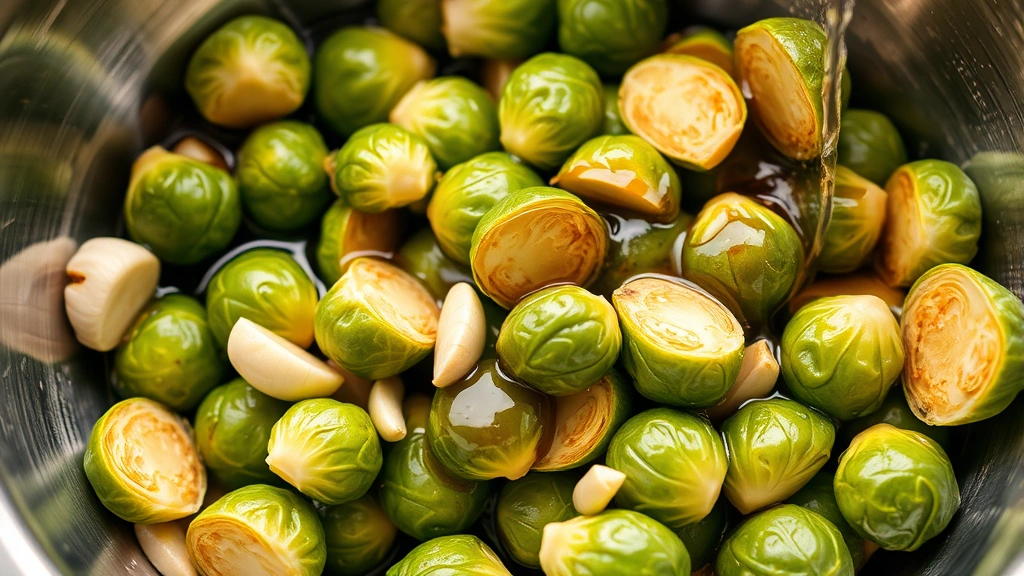
- In a large bowl, whisk together olive oil, balsamic vinegar, minced garlic, salt, black pepper, and red pepper flakes if using.
- Add the brussels sprouts to the bowl and toss thoroughly until every piece is coated with the balsamic mixture.
- Spread the brussels sprouts in a single layer on your baking sheet with the cut side down, making sure they’re not crowded—use two sheets if needed.
- Roast for 15 minutes, then shake the pan or stir the sprouts to ensure even cooking and browning.
- Return to the oven for another 10-12 minutes until the cut sides are deeply caramelized and the outer leaves are crispy and browned.
- Remove from the oven and immediately toss with freshly grated Parmesan cheese while still hot so it melts slightly.
- Taste and adjust seasonings if needed—add more salt, pepper, or a drizzle of balsamic if desired.
- Serve immediately while the sprouts are at their crispiest, or let cool to room temperature for serving at an appetizer gathering.
Pro Tips
The most important tip for this recipe is ensuring your brussels sprouts are completely dry before roasting. Any moisture on the surface creates steam, which prevents proper browning. Pat them very thoroughly with paper towels or use a salad spinner if you have one.
If your brussels sprouts are particularly large, cut them into quarters instead of halves so they cook evenly. Smaller sprouts take less time, so if you’re using particularly petite ones, reduce the cooking time by a few minutes and check them earlier. Meanwhile, the goal is crispy edges with a tender interior, not burnt or overly soft.
For a dairy-free version, simply omit the Parmesan and add an extra pinch of salt and garlic powder instead. The recipe works beautifully without it. However, if you want to add richness, crispy bacon pieces, toasted nuts, or a drizzle of truffle oil all complement the balsamic beautifully.
Storage is straightforward—keep leftovers in an airtight container in the refrigerator for up to four days. Reheat in a 375°F oven for 8-10 minutes to restore crispiness. Don’t microwave, as this creates a mushy texture. For instance, spreading them on a baking sheet rather than reheating in a container helps them regain that crunchy exterior.
If you’re meal prepping, you can assemble the balsamic mixture the night before and store it separately from the brussels sprouts. In the morning, just toss them together and roast. This works wonderfully for busy weeknights when you want to minimize last-minute cooking.
The honey or maple syrup is optional but adds complexity to the glaze. If using it, drizzle it over the brussels sprouts before roasting—it caramelizes during cooking and creates an even more luxurious coating. Additionally, a squeeze of fresh lemon juice right before serving brightens the dish and cuts through the richness.
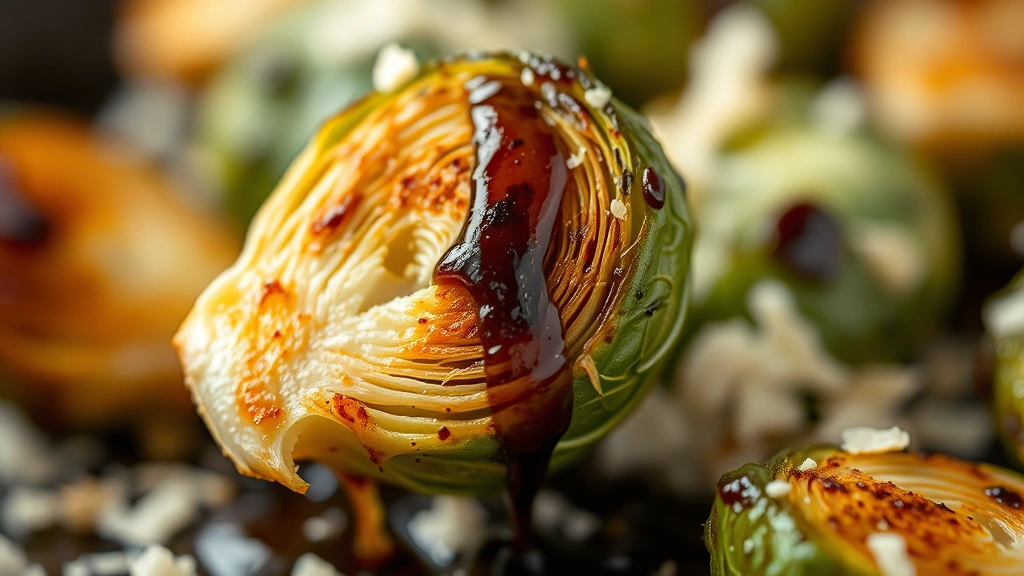
Oven temperatures vary, so keep an eye on your sprouts during the last few minutes of roasting. Every oven has hot spots, so rotate your pans halfway through if using multiple sheets. The brussels sprouts are done when the cut sides are deeply browned and the outer leaves are crispy and charred at the edges.