
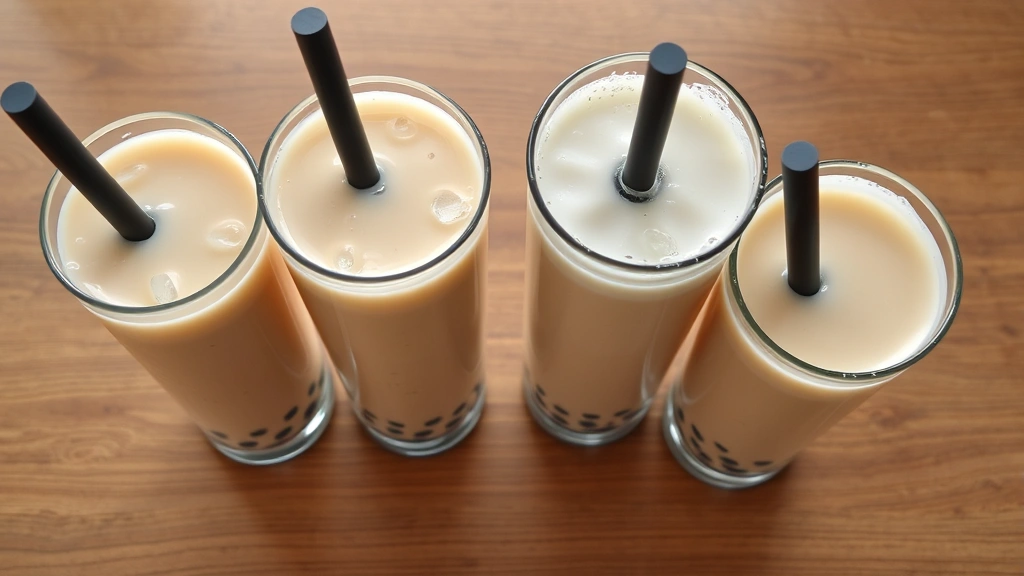
Making bubble tea recipes at home is easier than you’d think, and honestly, it’s one of the most rewarding kitchen projects you can tackle. There’s something magical about those chewy tapioca pearls bobbing around in a perfectly sweetened tea—it’s like drinking a little edible experience. Once you master the basics, you’ll never want to pay those café prices again.
I fell in love with bubble tea years ago during a trip to Taiwan, and I’ve been obsessed ever since. The problem? My local shops were either too expensive or didn’t make them quite the way I wanted. So I started experimenting in my own kitchen, and what began as a fun weekend project turned into my favorite way to cool down in summer. Now I’m sharing everything I’ve learned with you.
Jump To Section
Why Homemade Bubble Tea Wins Every Time
When you make bubble tea at home, you control absolutely everything. Want extra sweet? Done. Prefer less ice? Your call. Need it dairy-free or with a specific milk alternative? No problem at all. Store-bought versions often use artificial flavors and overly processed syrups, but homemade versions taste fresher and more authentic.
Beyond taste, there’s the financial angle—making bubble tea recipes at home costs a fraction of what you’d spend at a café. A single store-bought boba drink can run $6-8, but you can make multiple drinks at home for that same price. Plus, there’s genuine joy in creating something this delicious from scratch. Your friends will be amazed when you serve them homemade bubble tea.
The base of any great bubble tea is quality tea, and that’s where you should invest your effort. Whether you’re brewing black tea, green tea, or oolong, starting with loose-leaf tea makes a noticeable difference. The tea should be strong enough to shine through the milk and sweeteners, but not so intense that it tastes bitter.
Essential Ingredients & Equipment You’ll Need
To make bubble tea recipes successfully, you’ll need tapioca pearls (also called boba), which are those signature chewy spheres. You can find dried tapioca pearls at most Asian markets or online, and they’re incredibly affordable. Some people use popping boba instead—those juice-filled pearls that burst in your mouth—which creates a totally different texture experience.
Beyond the pearls, you’ll need quality tea, milk (dairy or non-dairy), sweetener, and ice. A good tea infuser or strainer is essential for brewing loose-leaf tea properly. Additionally, you’ll want clear glasses or cups to show off those beautiful pearls, and wide straws are absolutely necessary—regular straws just won’t work with tapioca.
Don’t overlook the importance of a good measuring scale for consistency. When you nail your ratios once, you can replicate them every single time. A shaker bottle is also helpful for mixing syrups and creating flavored versions of your bubble tea recipes.
Cooking Perfect Tapioca Pearls Every Time
This is the part that intimidates people, but honestly, cooking tapioca pearls is straightforward once you understand the process. Bring a large pot of water to a rolling boil—and I mean really boiling, not just steaming. The pearls need that vigorous water to cook evenly and develop that perfect chewy texture.
Add your dried tapioca pearls and stir immediately to prevent sticking. They’ll sink at first, then gradually float to the surface as they cook. Most pearls take about 5-7 minutes once they start floating, though thicker ones might need closer to 10 minutes. The timing varies depending on your brand, so check the package instructions as a baseline.
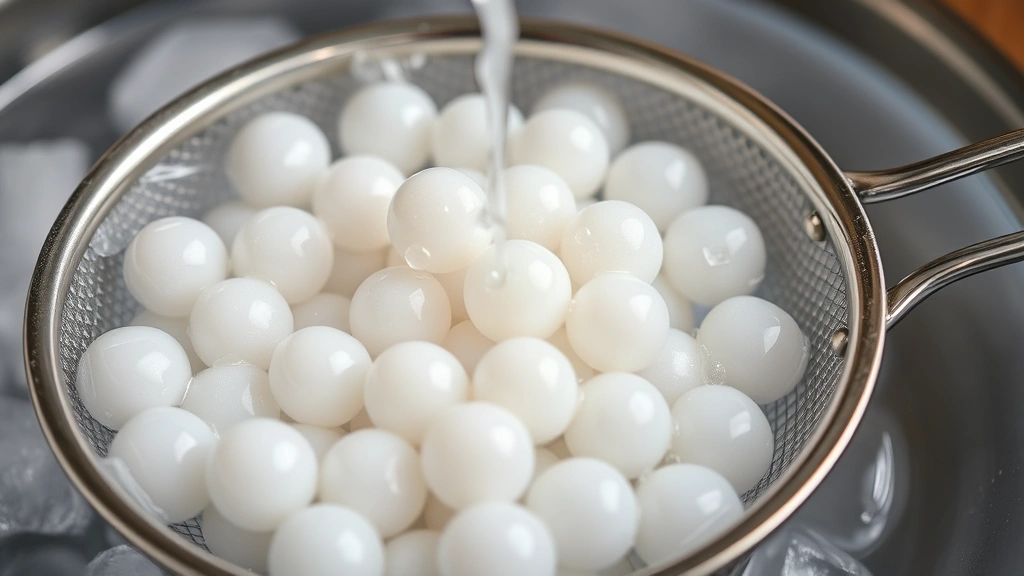
Here’s the secret that changed my bubble tea game: once cooked, immediately transfer the pearls to a bowl of ice water to stop the cooking process. This prevents them from becoming mushy. Then drain them well and toss with a bit of brown sugar syrup—this keeps them from drying out and adds flavor. Cooked pearls stay fresh in the refrigerator for about 2-3 days, though they’re best enjoyed the same day.
Brewing Tea Like a Pro
The quality of your tea determines the quality of your entire drink, so don’t rush this step. Use one teaspoon of loose-leaf tea per 8 ounces of water, then steep for 3-5 minutes depending on the type. Black tea benefits from slightly hotter water (around 200°F) and longer steeping, while green tea prefers cooler water (around 160-180°F) and shorter steeping times.
After steeping, strain the tea immediately to prevent over-extraction, which causes bitterness. Let it cool to room temperature, then refrigerate it until you’re ready to make drinks. Cold-brewed tea is another excellent option—it’s naturally less bitter and smoother. Just place tea leaves in cold water and let them sit overnight in the fridge for a mellow, sweet result.
Meanwhile, you can prepare your sweetener of choice. A simple brown sugar syrup works beautifully for classic bubble tea recipes and complements the tapioca pearls perfectly. Dissolve equal parts brown sugar and water over medium heat, let it cool, and store it in a jar for whenever inspiration strikes.
Flavor Combinations That Actually Work
Once you’ve mastered the basic formula, experimentation becomes fun. Classic milk tea is the gateway drug—it’s forgiving, delicious, and appeals to almost everyone. But consider trying Thai tea with its warm spices, or matcha bubble tea for something more earthy and sophisticated. Taro is another crowd-pleaser that transforms your bubble tea recipes into something visually stunning.
Fruit flavors work wonderfully too. Strawberry, mango, and passion fruit add brightness and natural sweetness. You can use fresh fruit purees, quality syrups, or even cold brew fruit-infused teas. The key is balancing the fruit flavor so it doesn’t overpower the tea itself.
For those with a sweet tooth, brown sugar bubble tea has become incredibly popular, and rightfully so. The caramelized depth of brown sugar pairs beautifully with creamy milk and chewy pearls. Don’t be afraid to get creative with your bubble tea recipes—some of the best versions come from happy accidents in your own kitchen.
Serving & Storage Tips
Assemble your drinks just before serving for the best experience. Start with a handful of cooked tapioca pearls in the bottom of your glass, then add your cooled brewed tea. Next comes the milk—whole milk creates the richest flavor, but oat milk and almond milk make excellent dairy-free versions. Top with ice and your sweetener, then stir well.
The wide straws are non-negotiable here—they allow you to get pearls with every sip, which is really the whole point. If you don’t have bubble tea straws, regular straws will frustrate you incredibly quickly. They’re inexpensive and reusable, so grab a set and keep them handy.
Cooked pearls are best enjoyed fresh but will keep refrigerated for 2-3 days. Store them in a covered container with a bit of the brown sugar syrup to keep them moist. Brewed tea keeps for about 5 days in the fridge, making it convenient to whip up bubble tea recipes whenever the craving strikes. However, milk-based drinks should be consumed immediately—don’t store mixed drinks for later.
Making bubble tea recipes at home transforms a café favorite into something you can enjoy anytime, exactly the way you like it. Start with the basics, master the tapioca pearls, and then let your creativity run wild with flavors. Your taste buds—and your wallet—will thank you.
Ingredients
- 1 cup dried tapioca pearls (boba)
- 8 cups water for boiling pearls
- 8 oz loose-leaf black tea (or tea bags)
- 4 cups water for brewing tea
- 1/2 cup brown sugar
- 1/2 cup water for syrup
- 1 cup whole milk or milk alternative
- 2 tablespoons sweetened condensed milk (optional)
- 2 cups ice cubes
- Additional brown sugar syrup for serving
Instructions
- Bring 8 cups of water to a rolling boil in a large pot. Add the dried tapioca pearls and stir immediately to prevent sticking and clumping together.
- Let the pearls cook for 5-7 minutes after they float to the surface, checking the package instructions for your specific brand since cooking times vary slightly.
- While pearls cook, prepare the brown sugar syrup by combining 1/2 cup brown sugar and 1/2 cup water in a small saucepan over medium heat, stirring until the sugar dissolves completely.
- Once the syrup is ready, remove it from heat and let it cool to room temperature before using.
- Brew your chosen tea by steeping 8 oz of loose-leaf tea in 4 cups of hot water for 3-5 minutes, depending on the tea type and your strength preference.
- Strain the brewed tea immediately to prevent over-extraction, then let it cool to room temperature or refrigerate until ready to use.
- When the tapioca pearls are cooked through and chewy, carefully drain them using a fine-mesh strainer.
- Transfer the cooked pearls to a bowl of ice water to stop the cooking process, then drain well after a few minutes.
- Toss the drained pearls with a generous spoonful of brown sugar syrup to keep them moist and flavorful.
- To assemble each drink, place a handful of the syrup-coated tapioca pearls into the bottom of a tall glass.
- Pour 1 cup of cooled brewed tea over the pearls, filling the glass about halfway.
- Add 1/4 cup of milk (or milk alternative) to each drink, adjusting to your preference for creaminess.
- Add ice cubes to fill the glass, then stir the entire drink well to combine all flavors.
- Drizzle additional brown sugar syrup on top if desired for extra sweetness.
- Serve immediately with a wide bubble tea straw and enjoy the pearls with every sip.
Pro Tips
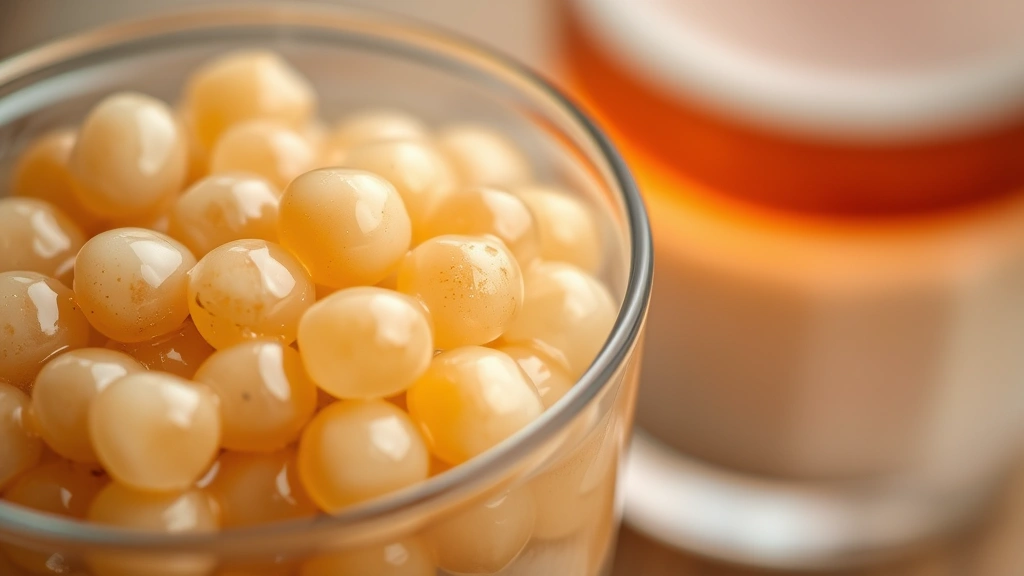
The tapioca pearls are the soul of bubble tea recipes, so quality matters here. Look for pearls at Asian markets or online retailers rather than settling for lower-quality versions. Fresh pearls cook more evenly and develop better texture than older stock.
Tea selection is equally important—don’t use regular tea bags if you can help it. Loose-leaf varieties offer superior flavor and aroma. However, if convenience matters, high-quality tea bags will work in a pinch. Experiment with different origins and brands to find your favorite.
For a dairy-free version, oat milk creates the creamiest texture and richest flavor among the alternatives. Almond milk and coconut milk also work beautifully, each bringing their own unique character to your bubble tea recipes. Sweetened versions of these milks can reduce the need for additional sweetener.
Brown sugar syrup is traditional, but you can experiment with other sweeteners too. Honey, agave, or even flavored syrups create interesting variations. Caramel syrup pairs wonderfully with milk tea, while mango syrup brings tropical brightness to green tea bases.
Storage of cooked pearls is crucial for maintaining texture. They dry out quickly once cooked, so always keep them submerged in the brown sugar syrup. If you notice they’ve hardened, gently reheat them in boiling water for a minute to restore softness.
For batch cooking, you can prepare larger quantities of brewed tea and syrup at the beginning of the week. This makes assembling bubble tea recipes throughout the week incredibly quick—just cook fresh pearls as needed. Cooked pearls don’t keep as well, so cook them fresh or within a day of serving.
Temperature matters for the final drink. Cold tea is essential, as it prevents the ice from melting too quickly and diluting your flavors. If your tea isn’t fully cooled, it can turn your drink from refreshing to lukewarm disappointingly fast.
The straws deserve special mention because they genuinely change the experience. Wide reusable straws designed for bubble tea allow you to enjoy those precious pearls with every sip. Regular straws simply won’t accommodate the pearls and create a frustrating experience.