

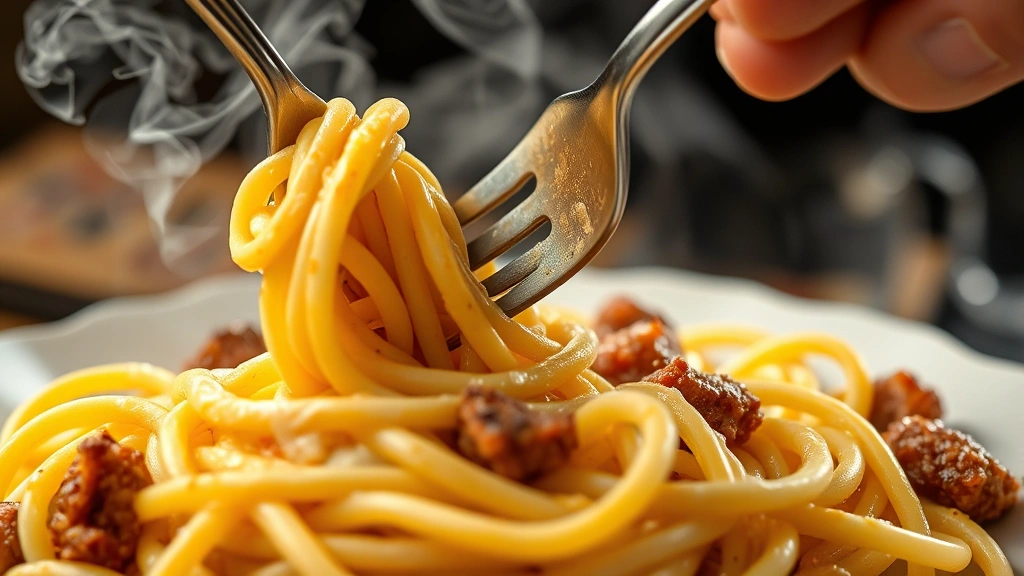
This buldak carbonara recipe is absolutely mind-blowing—it’s the spicy Korean-Italian fusion dish you didn’t know you needed. We’re talking creamy, dreamy carbonara sauce spiked with that addictive buldak (fire chicken) heat that’ll have everyone asking for seconds.
I first discovered this magical combination while experimenting in my kitchen late one night, craving both the comfort of carbonara and the kick of Korean spicy chicken. What resulted was pure genius: silky egg yolk sauce clinging to pasta, crowned with crispy buldak pieces and a dusting of cheese. It’s elegant enough for date night but fun enough for casual weeknight dinners.
Jump To Section
The beauty of this dish lies in its simplicity with a serious flavor punch. You’re essentially building on the classic carbonara foundation—which Serious Eats breaks down perfectly—and adding Korean spicy chicken sauce for that unforgettable heat and depth.
Why This Recipe Works
Traditional carbonara relies on the magic of egg yolks, cheese, and pasta water to create that silky sauce without cream. Add buldak sauce to the mix, and you’re elevating the entire experience with smoky, spicy, slightly sweet Korean flavors that complement the richness beautifully.
The key is timing—you want your pasta water starchy and your pan hot when you combine everything. This prevents the eggs from scrambling while creating that luxurious, coating consistency that makes carbonara so irresistible. Additionally, using quality eggs and freshly grated cheese makes a noticeable difference in texture and taste.
The buldak sauce adds complexity without overwhelming the dish. It’s spicy enough to wake up your palate but balanced with umami from the soy and sweetness from the gochujang. For instance, if you’ve tried pesto pasta or lemon pasta, you know how a simple sauce can transform pasta completely.
Ingredient Tips & Substitutions
The star here is the buldak sauce—this fiery Korean chicken sauce is typically found in the Asian section of most grocery stores or online. However, if you can’t locate it, you can create a DIY version by mixing gochujang (Korean red chili paste), honey, garlic, soy sauce, and a touch of sesame oil.
For the pasta, I recommend using spaghetti or bucatini, as their cylindrical shape holds the creamy sauce beautifully. Meanwhile, some people prefer linguine for a broader surface area—either works wonderfully. The important part is using good quality pasta with enough roughness to grip the sauce.
Guanciale is the traditional choice for carbonara, but it’s not always easy to find. Pancetta is an excellent substitute that delivers similar salty, smoky flavors. If you want to go vegetarian, crispy mushrooms or tofu offer interesting textural alternatives while letting the buldak sauce shine.
Pecorino Romano is the classic cheese, though Parmigiano-Reggiano works nicely if you prefer something slightly milder. Fresh cracked black pepper is essential—don’t use pre-ground here, as the flavor difference is substantial.
The Technique That Makes It Perfect
The secret to nailing this buldak carbonara recipe is understanding that you’re essentially making a custard sauce. Your egg yolks, combined with cheese and starchy pasta water, emulsify into something creamy without any cream involved. This requires a gentle touch and proper temperature control.
Start by cooking your pasta in heavily salted water—this seasons the pasta and gives you that crucial starchy liquid for your sauce. Reserve at least one cup of pasta water before draining; you’ll need this for adjusting consistency. While the pasta cooks, whisk your eggs with cheese and plenty of black pepper in a bowl.
The magic happens off the heat. After draining your pasta, toss it quickly in a large, warm pan with your buldak sauce and crispy meat. Remove from heat, then immediately pour in your egg mixture while tossing constantly. The residual heat cooks the eggs gently while the pasta water helps create that silky coating.
Serving Suggestions & Pairings
This spicy fusion pasta deserves thoughtful accompaniments. A crisp romaine salad with oriental dressing provides a cooling, refreshing contrast to the heat. The acidity in the salad also cleanses your palate between bites.
For beverages, consider a crisp white wine like Pinot Grigio or a light lager beer—both cool your mouth while complementing the rich, spicy flavors. Alternatively, a chilled glass of water with lemon works beautifully for those skipping alcohol. The carbonation in sparkling water is particularly soothing against the heat.
Garlic bread is always welcome, though this dish is rich enough to stand alone as a main course. If you want something lighter on the side, consider steamed vegetables like broccoli or snap peas, or perhaps spinach tomato pasta if you’re serving a larger group.
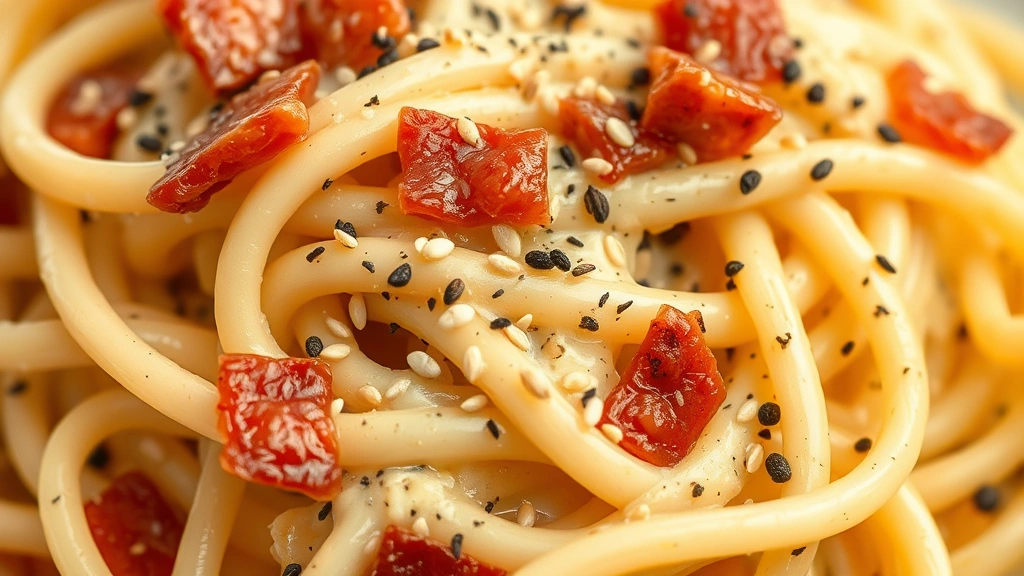
For a more elevated presentation, finish with microgreens, a drizzle of sesame oil, and toasted sesame seeds. The visual appeal matters as much as the taste, and these garnishes add textural interest while hinting at the Korean elements in the dish.
Storage, Reheating & Make-Ahead Tips
Here’s the honest truth: carbonara is best enjoyed immediately, straight from the pan. The sauce is at its silkiest right when you plate it, and reheating can cause the eggs to become grainy or tough. However, you can prep components ahead to make assembly quick.
Prepare your buldak sauce and cook your pancetta or guanciale several hours in advance. Keep the pasta water separate and reheat gently before cooking. This way, you only need to boil pasta and make the sauce mixture fresh when you’re ready to eat.
If you do have leftovers, store them in an airtight container for up to two days in the refrigerator. To reheat gently, place in a non-stick pan over low heat with a splash of pasta water or chicken broth, stirring constantly until warmed through. You might also toss cold leftover pasta with a beaten egg and cheese mixture in a cold pan, then warm slowly—this sometimes helps restore creaminess.
For best results, plan to make this dish fresh whenever possible. The difference between just-made and reheated carbonara is significant enough to justify the minimal effort required. Additionally, the buldak sauce’s flavor profile is brightest when the dish is fresh.
This buldak carbonara recipe perfectly bridges two beloved cuisines, creating something entirely its own. Whether you’re a carbonara purist looking to shake things up or a Korean food enthusiast wanting to explore fusion cooking, this dish delivers impressive results every single time. Trust me, once you taste it, you’ll understand why this combination is absolute magic.
Ingredients
- 1 pound spaghetti or bucatini pasta
- 6 ounces pancetta or guanciale, diced
- 1 cup buldak sauce (Korean spicy chicken sauce)
- 4 large egg yolks, room temperature
- 1 cup freshly grated Pecorino Romano cheese
- 1 teaspoon fresh cracked black pepper, plus more for garnish
- Salt for pasta water
- 2 tablespoons sesame oil (optional, for garnish)
- 2 tablespoons toasted sesame seeds (optional, for garnish)
- Fresh scallions, sliced (optional, for garnish)
Instructions
- Bring a large pot of salted water to a rolling boil—the water should taste like the sea. This seasons the pasta and creates the starchy liquid essential for your sauce.
- While waiting for water to boil, cook your diced pancetta or guanciale in a large, wide skillet over medium heat until the edges are crispy and fat is rendered, about 8-10 minutes. Set aside on a paper towel, keeping about 2 tablespoons of fat in the pan.
- Add the buldak sauce to the same pan with the rendered fat, stirring to combine. Heat gently over low heat for 2-3 minutes just to warm through, being careful not to burn it. Set aside.
- In a medium bowl, whisk together egg yolks, freshly grated Pecorino Romano cheese, and fresh cracked black pepper until well combined. Don’t add salt yet—the cheese and pasta water will provide plenty of saltiness.
- Cook your pasta in the boiling salted water according to package directions until al dente—usually 9-11 minutes depending on the shape. Reserve 1 to 1.5 cups of pasta water before draining.
- Drain the pasta quickly and add it to the skillet with the buldak sauce over medium-low heat. Toss for about 1 minute to coat the pasta with the sauce.
- Remove the skillet completely from heat. This step is crucial—you’re about to add eggs and need residual heat only, not direct heat that could scramble them.
- Pour the egg and cheese mixture over the hot pasta while tossing constantly and vigorously for 1-2 minutes. The residual heat will gently cook the eggs while creating a silky sauce.
- Add pasta water gradually while tossing, starting with about 1/4 cup and adding more as needed to reach your desired consistency. The sauce should be creamy and coat each strand of pasta.
- Fold in the crispy pancetta or guanciale. Taste and adjust seasoning with additional black pepper if desired—remember the sauce is already salty from cheese and cured meat.
- Divide among serving bowls immediately. Drizzle with sesame oil if desired, garnish with toasted sesame seeds and sliced scallions, and serve straight away while the sauce is at its silkiest.
- Enjoy immediately for the best texture and flavor—carbonara waits for no one!
Pro Tips
The foundation of this dish relies on understanding egg cookery. Your eggs must be room temperature to prevent them from scrambling when you add them to the hot pasta. Take them out of the fridge about 15 minutes before cooking. If you’re nervous about raw eggs, you can pasteurize them by whisking them in a bowl over gently simmering water until they reach 160°F, then proceed as normal.
Pasta water is your secret ingredient here. The starch in that water emulsifies with the fat and egg yolks to create creaminess without any cream. This is why reserved pasta water is non-negotiable—don’t skip it or use regular water. The starch content makes all the difference in achieving that restaurant-quality sauce.
For the buldak sauce, most brands available in stores work beautifully. However, if you can’t find it locally, you can make a homemade version. Combine 3 tablespoons gochujang (Korean red chili paste), 2 tablespoons honey, 1 tablespoon soy sauce, 2 minced garlic cloves, 1 tablespoon sesame oil, and 1 tablespoon rice vinegar. Mix until smooth and use in the same quantity as the store-bought version. This DIY approach gives you control over heat level.
Timing is everything with carbonara. Have all your components ready before you start cooking the pasta—mise en place is your friend. Once you drain the pasta, you need to work quickly and confidently. Hesitation leads to cooling, which affects how the sauce emulsifies.
If your sauce seems too thick after combining, add more pasta water one tablespoon at a time while tossing. If it seems too thin, don’t panic—it will continue to coat the pasta as it cools slightly. The consistency should be silky and glossy, not wet or soupy. Meanwhile, if your sauce looks broken or grainy, it likely got too hot. You can sometimes rescue it by adding a splash of cold pasta water and tossing gently off heat.
The choice between guanciale and pancetta matters if you’re a purist, but honestly both work beautifully here. Guanciale has a more delicate, porky flavor, while pancetta is slightly smokier. If you can find guanciale, it’s worth the effort. However, don’t skip the cured meat entirely—it provides essential umami and crispy texture that balances the creamy sauce.
Cheese selection affects the final dish noticeably. Pecorino Romano is sharper and saltier than Parmigiano-Reggiano, giving the dish more punch. Some people prefer the milder Parmigiano-Reggiano for a more delicate result. Experiment and see which you prefer—both are legitimate options.
Black pepper should be freshly cracked from whole peppercorns, never pre-ground. The difference is significant; fresh pepper provides a bright, complex bite that pre-ground simply can’t match. You’ll notice the quality improvement immediately.
For vegetarian versions, skip the pancetta but keep about 2 tablespoons of olive oil in the pan. Crispy mushrooms (cremini or shiitake work well) add umami and texture. Alternatively, crispy tofu cubes offer interesting contrast. The buldak sauce carries enough flavor that you won’t miss the meat.
Storage considerations: carbonara really is best fresh. However, if you have leftovers, refrigerate in an airtight container up to two days. Reheat gently over low heat with a splash of broth or water, stirring constantly. Never use high heat or a microwave, which will scramble the eggs irreversibly.