

A burrata cheese recipe is one of those magical dishes that feels fancy yet requires almost zero cooking skills. This creamy Italian treasure—with its delicate outer shell and luxuriously soft center—transforms simple ingredients into something restaurant-worthy in minutes.
I first fell in love with burrata at a tiny trattoria in Rome, where the server placed a pristine white ball on my plate alongside just ripe tomatoes and a drizzle of olive oil. That’s when it clicked: this isn’t about complicated techniques or lengthy prep times. It’s about letting quality ingredients shine and respecting their simplicity. When you bring burrata home, you’re bringing that same philosophy to your kitchen.
Jump To Section
Why This Recipe Works
Unlike harder cheeses that demand aging or special handling, burrata is ready to eat straight from the package. The magic happens because of its construction—a thin mozzarella shell surrounding a creamy center of stracciatella and fresh cream. One bite, and that center oozes across your palate like silk.
The beauty of serving burrata lies in knowing it’s a supporting player, not the main act. You’re creating a platform for it to shine, which means choosing complementary flavors that enhance rather than compete. Fresh tomatoes, quality olive oil, fresh herbs, and maybe a crack of sea salt—these are your best friends here.
What makes this approach so brilliant is its flexibility. Whether you’re hosting a dinner party or enjoying a quiet lunch, these five serving methods work beautifully. Some take five minutes flat, while others let you flex your culinary creativity just a little bit.
Ingredient Tips & Substitutions
First things first: buy the best burrata you can find. Look for cheese that’s been packaged recently and stored properly. If your grocery store doesn’t carry it, check specialty shops or order online—it’s worth the effort. The quality difference between fresh burrata and anything sitting in a cooler for weeks is genuinely dramatic.
Room temperature is non-negotiable for burrata. Pull it from the fridge about 15 minutes before serving so the flavors fully develop and that gorgeous center softens to perfection. Cold cheese tastes muted and dense, which defeats the entire purpose.
For tomatoes, choose whatever’s in season and tastes best in your area. Summer heirloom varieties are incredible, but cherry tomatoes work beautifully year-round. Additionally, don’t skip the quality olive oil—this is where you should splurge. A peppery extra virgin oil adds sophistication that budget versions simply can’t match.
Fresh basil, mint, or arugula all pair wonderfully with burrata. For instance, Italian dressing pasta salad recipes often feature similar flavor combinations that complement this cheese beautifully. However, if fresh herbs aren’t available, a simple drizzle of aged balsamic vinegar adds depth without requiring fresh ingredients.
Five Easy Serving Methods
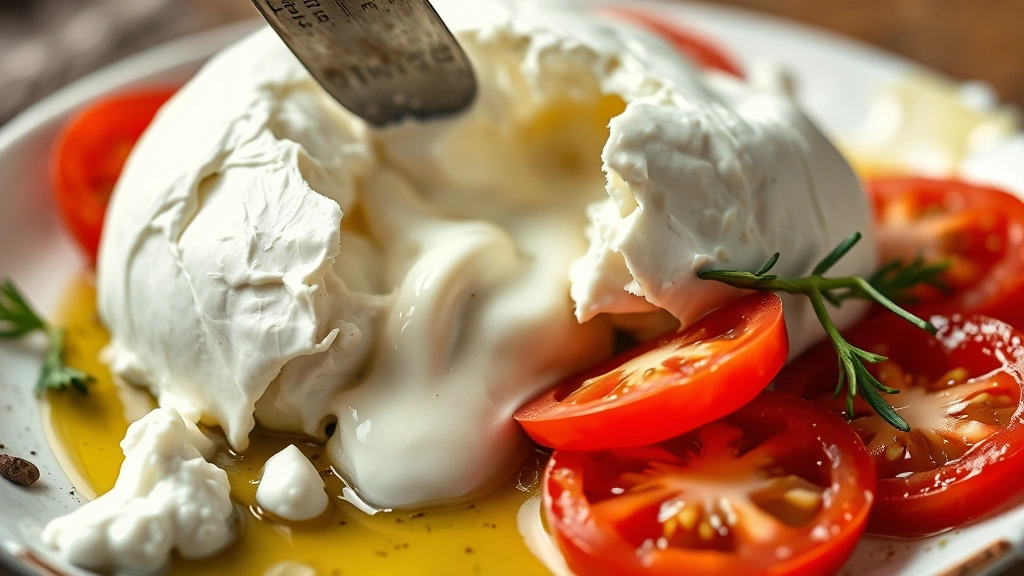
Method one is the classic tomato pairing. Slice ripe tomatoes, arrange them on a plate with burrata, and dress with olive oil, sea salt, and torn basil. This approach celebrates the cheese without distractions, and it’s honestly all you need.
Method two transforms burrata into a salad star. Toss fresh greens with vinaigrette, then top with torn burrata pieces just before serving. Try this with romaine salad recipes for a lighter take, or go hearty with roasted vegetables. The creamy cheese acts as an edible dressing that coats every bite.
Method three brings pasta into the picture. Cook your favorite pasta, toss with a light olive oil and garlic sauce, then tear burrata over the top off heat. The residual warmth softens the cheese slightly, creating a luxurious sauce without any cream. Similarly, pesto chicken pasta recipes gain an elegant upgrade when finished with burrata instead of traditional cheese.
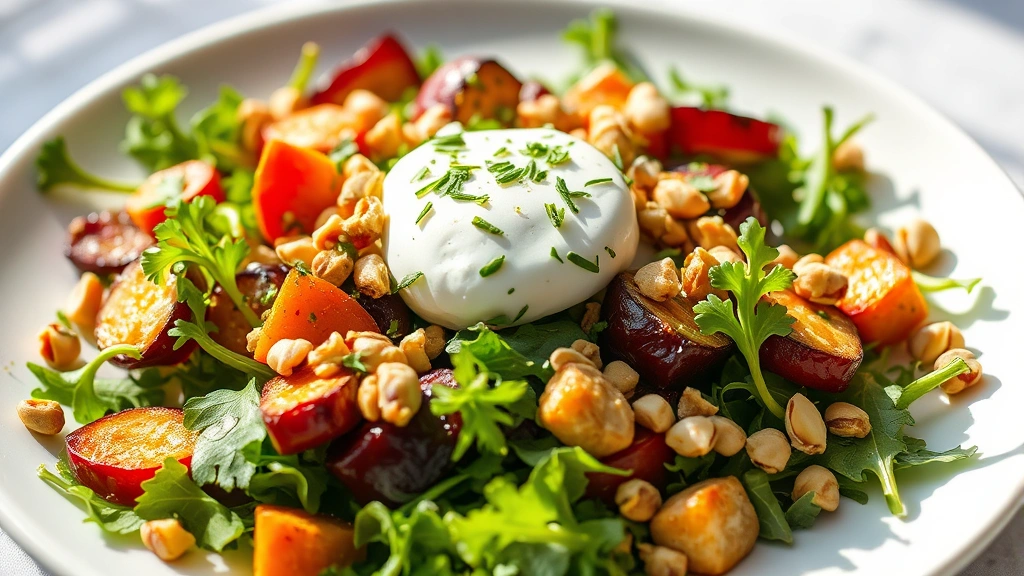
Method four is perfect for entertaining. Layer burrata with roasted vegetables, fresh herbs, and crispy bread for a composed appetizer plate. Roasted beets, charred eggplant, or grilled zucchini all become more interesting alongside creamy burrata. This presentation looks intentional and impressive without requiring much actual cooking.
Method five takes inspiration from pistachio salad recipes by adding textural contrast. Combine burrata with crushed nuts, dried fruit, and fresh greens for a salad that’s equal parts elegant and satisfying. The crunch against that creamy center creates an experience that feels intentional and restaurant-quality.
Serving Suggestions & Flavor Pairings
Think about burrata as a blank canvas. Meanwhile, your job is choosing colors and flavors that make it look and taste incredible. Bright acidic components like lemon juice, vinegar, or fresh citrus wake up the cheese’s subtle flavor.
For warm-weather entertaining, serve burrata with grilled bread, cured meats, and fresh fruit. A spoonful of fig jam or honey transforms it from savory to sweet-savory, which is genuinely addictive. Crispy pancetta or prosciutto adds salty richness that plays beautifully against the cheese’s delicate creaminess.
Don’t overlook cooked preparations either. Penne rigate pasta recipes become elegant dinner party dishes when finished with burrata and fresh herbs. The warm pasta wilts the cheese just enough to create a silky sauce that coats every piece.
Herbs deserve special attention in a burrata cheese recipe. Basil is the obvious choice, but mint brings brightness, dill adds complexity, and arugula provides peppery notes. Fresh herbs transform a simple plate into something that tastes like you spent hours cooking.
Storage & Make-Ahead Tips
Burrata doesn’t improve with time, so buy it the day you plan to serve it. Store it in the coldest part of your fridge in its original packaging, and use it within two days maximum. The colder it gets and the longer it sits, the more the creamy center separates and loses its magic.
However, you can definitely prep everything else ahead of time. Chop tomatoes, wash greens, prepare dressings, and cook pasta hours in advance. Just wait to assemble and add the burrata until the last possible moment—right before your guests sit down or right before you eat.
If you’re making a composed plate with roasted vegetables, assemble everything except the cheese, then add burrata just before serving. This strategy means you look relaxed and organized while ensuring the cheese tastes its absolute best.
The same principle applies to pasta dishes. Cook and sauce the pasta, then finish with burrata off heat so the warmth softens it gently rather than melting it into oblivion. This technique keeps the cheese’s delicate texture intact while allowing it to create a luxurious sauce.
Remember that burrata is a treat—an indulgence that reminds us why quality ingredients matter. Whether you’re following a burrata cheese recipe for a special dinner or a casual lunch, approaching it with respect for its simplicity and creaminess will always yield the most delicious results. These five serving methods give you flexibility while keeping the focus on what makes burrata special: its incredible texture and subtle, delicate flavor that deserves to shine.
Ingredients
- 1 ball fresh burrata cheese (8-10 ounces)
- 2 cups ripe heirloom tomatoes, sliced or quartered
- 4 cups fresh mixed greens or arugula
- 1/4 cup extra virgin olive oil
- 2 tablespoons balsamic vinegar
- Sea salt to taste
- Freshly cracked black pepper to taste
- 1/4 cup fresh basil leaves, torn
- 2 tablespoons roasted nuts (pistachios or pine nuts)
- 1/4 cup roasted vegetables (optional: beets, zucchini, or eggplant)
- Crispy bread or crostini for serving
- 1 lemon, cut into wedges
Instructions
- Remove burrata from the refrigerator 15 minutes before serving to bring it to room temperature and allow the flavors to fully develop.
- For the classic tomato method: Arrange sliced tomatoes on a serving plate and place the whole burrata cheese in the center.
- Drizzle the tomatoes and cheese generously with extra virgin olive oil and balsamic vinegar.
- Season with sea salt and freshly cracked black pepper to taste, then scatter torn basil leaves over everything.
- For the salad method: Toss mixed greens with a light dressing of olive oil, vinegar, salt, and pepper.
- Arrange dressed greens on plates and tear the burrata into chunks, scattering over the top just before serving.
- For the pasta method: Cook your favorite pasta according to package directions and drain well.
- Toss warm pasta with olive oil, minced garlic, and fresh herbs, then remove from heat and tear burrata over the top.
- Allow the residual heat to gently soften the cheese, creating a creamy sauce without additional cream.
- For the composed appetizer plate: Arrange roasted vegetables, fresh herbs, nuts, and crispy bread on individual plates.
- Place a portion of burrata on each plate alongside the other components and drizzle with olive oil.
- For the textured salad method: Combine fresh greens with crushed roasted nuts and dried fruit in a bowl.
- Toss with a light vinaigrette, then top with torn burrata and finish with fresh herbs.
- Serve any preparation immediately with lemon wedges on the side for added brightness and acidity.
Pro Tips
The key to success with burrata is timing and temperature. Remove it from the fridge about 15 minutes before serving—this single step makes an enormous difference in how the cheese tastes and how its flavors develop on your palate. Cold burrata tastes muted and dense, while room-temperature burrata reveals its delicate, subtle flavor profile.
Quality matters tremendously with this ingredient. Seek out freshly made burrata from specialty cheese shops or reputable online sources rather than settling for what’s available at standard supermarkets. The difference between fresh burrata and cheese that’s been sitting in a cooler for weeks is genuinely dramatic, and you’ll taste it immediately.
For olive oil, this is one place where splurging makes real sense. A peppery, high-quality extra virgin oil adds sophistication and depth that budget versions simply can’t deliver. The oil becomes a key flavor component rather than just a lubricant, so choose something you’d actually enjoy eating by the spoonful.
Meanwhile, don’t overlook the importance of fresh herbs. Basil remains the classic pairing, but mint, dill, and arugula all bring their own personality to the party. Fresh herbs transform a simple plate into something that tastes like you spent serious time cooking, even though you literally just assembled ingredients.
Additionally, consider texture in your preparations. The creamy softness of burrata becomes more interesting when paired with crispy bread, crunchy nuts, or charred vegetables. This textural contrast keeps each bite engaging and prevents the dish from feeling one-note.
Assembly timing is critical for all methods. Prepare everything else ahead of time if you’re entertaining, but add the burrata only moments before serving. This ensures the cheese stays at its best rather than sitting around and separating or losing its delicate texture.
For storage, use burrata within two days of purchase and keep it in its original packaging in the coldest part of your fridge. The sooner you use it, the better it tastes. Burrata doesn’t improve with age like harder cheeses—it’s all about freshness and eating it at peak quality.
Substitutions work if necessary, though they rarely improve the dish. If burrata isn’t available, fresh mozzarella is the closest alternative, though it lacks the creamy center and delicate texture. However, waiting to find proper burrata almost always yields better results than settling for something else.