

This butter bean recipe is the ultimate answer to weeknight dinners when you need something creamy, comforting, and ready in just 30 minutes. I’m talking about that kind of dish that makes your kitchen smell absolutely heavenly while you’re cooking—the kind that has everyone asking for seconds before they’ve even finished their first bite. If you’ve never worked with butter beans before, you’re in for a treat because they’re the most luxurious, naturally creamy legume you can find.
What I love most about this butter bean recipe is how incredibly forgiving it is. Whether you’re a seasoned cook or just starting out in the kitchen, you’ll find success here. The beans themselves do most of the heavy lifting, creating that silky, velvety texture that makes you feel like you’ve been cooking all day when really, you’ve barely cracked open a cookbook.
Jump To Section
Why This Recipe Works
Butter beans have this magical quality where they practically melt on your tongue. Unlike some dried beans that require hours of soaking and cooking, this butter bean recipe uses canned beans for convenience without sacrificing an ounce of flavor or texture. Meanwhile, the combination of garlic, herbs, and a touch of cream transforms simple ingredients into something that tastes restaurant-quality.
The beauty of this approach is that you’re building layers of flavor quickly. We’re talking about sautéing aromatics, adding the beans with their liquid, letting everything simmer together, and boom—dinner is ready. Additionally, the starch from the bean cooking liquid naturally thickens the sauce, so you don’t need flour or cornstarch.
If you’re looking for more soup-based comfort foods, you might also enjoy trying a quick and tasty swamp soup recipe or exploring best slow cooker soup recipe options for those days when you want something even more hands-off.
Ingredient Tips & Substitutions
Let’s talk about what makes this butter bean recipe sing. Fresh garlic is non-negotiable—those jarred minced versions just can’t compete with the real thing. I use about four cloves because I’m a garlic lover, but feel free to adjust based on your preference.
For the cream, I typically use half-and-half because it adds richness without being overly heavy. However, you can absolutely use heavy cream if you want something decadent, or even whole milk if you’re looking for a lighter version. The beans will still be creamy thanks to their natural starches.
The herbs are where you can really personalize this butter bean recipe. Fresh thyme is my go-to, but rosemary, sage, or even Italian seasoning blend work beautifully. For instance, if you have fresh parsley on hand, adding it at the end brings a bright, fresh note that’s simply lovely.
If butter beans aren’t available at your store, cannellini beans make an excellent substitute and will give you similar results. Just make sure whatever you choose is of good quality—look for brands with minimal sodium so you can control the seasoning yourself.
Looking for more legume-based inspiration? Check out this best mushroom barley soup recipe for another satisfying option.
How to Build Maximum Flavor
The secret to an exceptional butter bean recipe lies in not rushing the initial steps. When you melt the butter and let the garlic and shallots cook for a full minute or two, you’re allowing their flavors to become more mellow and rounded. This foundation makes all the difference in the final dish.
When you add the beans, don’t drain them completely. That liquid is liquid gold, packed with starch and subtle bean flavor that you want in your final dish. The simmering time allows everything to marry together beautifully, creating a cohesive, harmonious sauce.
Seasoning is something I do in stages with this butter bean recipe. First, I add salt and pepper to the base, then taste again after the beans have simmered, then one final adjustment before serving. This prevents over-seasoning and lets you dial in exactly what you prefer.
Serving Suggestions
This butter bean recipe is wonderfully versatile when it comes to serving options. I love it spooned over creamy polenta or alongside crusty bread for soaking up every last drop of sauce. Toast some good bread, rub it with garlic, and you’ve got an automatic upgrade to your meal.
For a more substantial dinner, serve this alongside roasted vegetables—asparagus, Brussels sprouts, or roasted broccoli all pair beautifully with the creamy beans. You could also toss it with pasta for a quick weeknight dinner, or serve it as an elegant side dish at a dinner party.
If you’re feeling adventurous, this butter bean recipe works wonderfully as a component in other dishes. Spoon it into baked sweet potatoes, stuff it into tomatoes, or layer it in a gratin with breadcrumbs and cheese. The possibilities are genuinely endless.
Want more soup inspiration for your meal planning? Consider this perfect mohinga soup recipe or this best tomato bisque soup recipe for variety throughout the week.
Storage & Make-Ahead Tips
One of the best things about this butter bean recipe is that it actually tastes better the next day. The flavors continue to develop and deepen overnight, which makes it perfect for meal prep. Store it in an airtight container in the refrigerator for up to four days.
When you’re ready to reheat, simply warm it gently on the stovetop over medium heat, stirring occasionally. If it seems too thick, add a splash of broth or cream to get it back to your desired consistency. You can also reheat it in the microwave, though the stovetop method gives you better control.
This butter bean recipe also freezes beautifully for up to three months. I recommend freezing it in portions so you can thaw exactly what you need. Just remember to leave a little headspace in your container since the liquid will expand slightly as it freezes. When you thaw it, do so overnight in the refrigerator if possible, then reheat as described above.
The beauty of having this butter bean recipe in your freezer is that you’ve got an elegant, impressive side dish ready whenever you need one. No more scrambling for last-minute dinner ideas on those hectic evenings.
If you’re interested in learning more about cooking techniques and food science, Serious Eats offers fantastic deep-dives, and Bon Appétit provides endless inspiration for bean-based dishes and flavor combinations.
This butter bean recipe represents everything I love about simple, honest cooking. It’s elegant enough for company, easy enough for weeknights, and absolutely delicious every single time. Once you make it once, you’ll find yourself returning to it again and again because it’s that good.
Ingredients
- 3 tablespoons unsalted butter
- 1 medium shallot, finely minced
- 4 cloves garlic, minced
- 3 cans (15 ounces each) butter beans, drained and rinsed
- 1 cup vegetable or chicken broth
- ½ cup heavy cream or half-and-half
- 2 sprigs fresh thyme (or 1 teaspoon dried thyme)
- 1 teaspoon Dijon mustard
- ½ teaspoon kosher salt, plus more to taste
- ¼ teaspoon freshly ground black pepper, plus more to taste
- ¼ teaspoon red pepper flakes (optional)
- 2 tablespoons fresh parsley, chopped
- Zest of ½ lemon
- 1 tablespoon fresh lemon juice
Instructions
- Melt the butter in a large skillet or Dutch oven over medium heat, swirling until it foams and becomes fragrant, about 1 minute.
- Add the minced shallot to the hot butter and cook for 2-3 minutes, stirring occasionally, until it becomes translucent and softens.
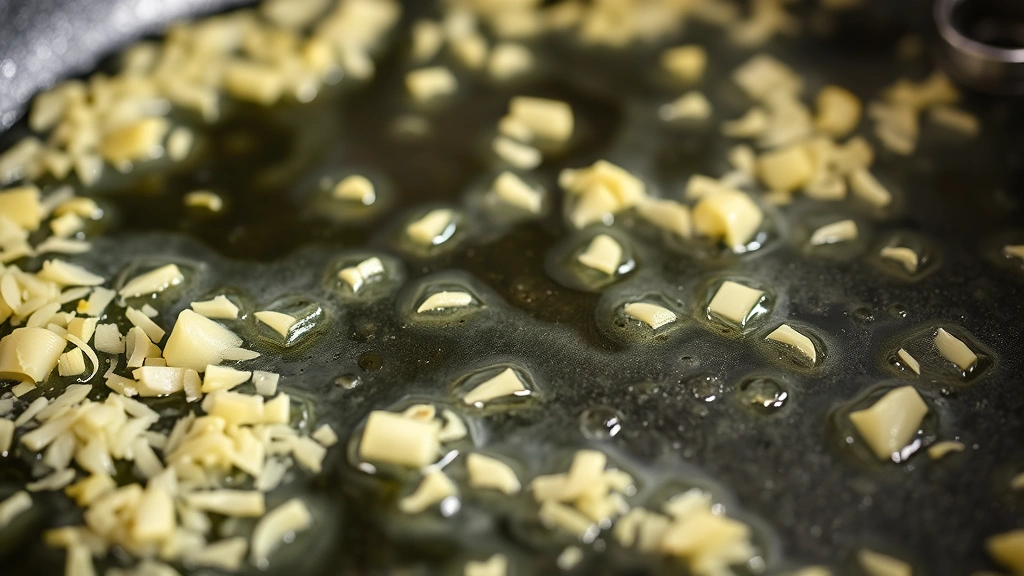
- Stir in the minced garlic and cook for another minute until fragrant, being careful not to let it brown.
- Pour in the broth and bring the mixture to a gentle simmer, scraping up any flavorful bits from the bottom of the pan.
- Add the drained butter beans, cream, thyme sprigs, and Dijon mustard, stirring gently to combine everything evenly.
- Reduce the heat to medium-low and let everything simmer together for 15-18 minutes, stirring occasionally, until the sauce thickens slightly and the flavors meld.
- Season with salt, black pepper, and red pepper flakes if using, tasting as you go and adjusting to your preference.
- Remove from heat and discard the thyme sprigs, then stir in the lemon juice and lemon zest.
- Finish with fresh chopped parsley for brightness and color, then serve immediately while hot.
- If the sauce seems too thick, thin it with additional broth or cream until you reach your desired consistency.

Pro Tips
This butter bean recipe shines with quality ingredients, so don’t skip the fresh garlic and real herbs. The difference between fresh and dried thyme is noticeable, though dried works in a pinch—just use half the amount since dried herbs are more concentrated. If you prefer a brothier consistency, add more broth and use less cream for a lighter version that still maintains that lovely silky texture.
Make-ahead is one of the biggest advantages of this butter bean recipe. You can prepare it up to two days in advance and simply reheat gently before serving. In fact, many cooks find that the flavors actually improve after sitting overnight because everything has time to fully integrate.
For storage, let the butter bean recipe cool completely before transferring it to airtight containers. This prevents condensation from forming and keeps the dish fresher longer. The recipe keeps well in the refrigerator for about four days and freezes beautifully for up to three months.
When reheating this butter bean recipe from frozen or refrigerated, do so gently on the stovetop over medium-low heat. Stir frequently and add splashes of broth if needed to bring it back to a creamy consistency. Microwaving works too, but watch carefully to prevent overheating, which can cause the cream to separate.
Serving flexibility makes this butter bean recipe so appealing for different occasions. Serve it as a sophisticated side dish at dinner parties, spoon it over creamy polenta for a cozy weeknight meal, or use it as a filling for roasted vegetables. You can also thin it slightly with additional broth and serve it as a rustic soup.
Substitutions are totally welcome with this butter bean recipe. Cannellini beans work beautifully if you can’t find butter beans, as do great northern beans. For the cream, you can use whole milk for a lighter version, or substitute with cashew cream for a dairy-free alternative that maintains the creamy texture.