
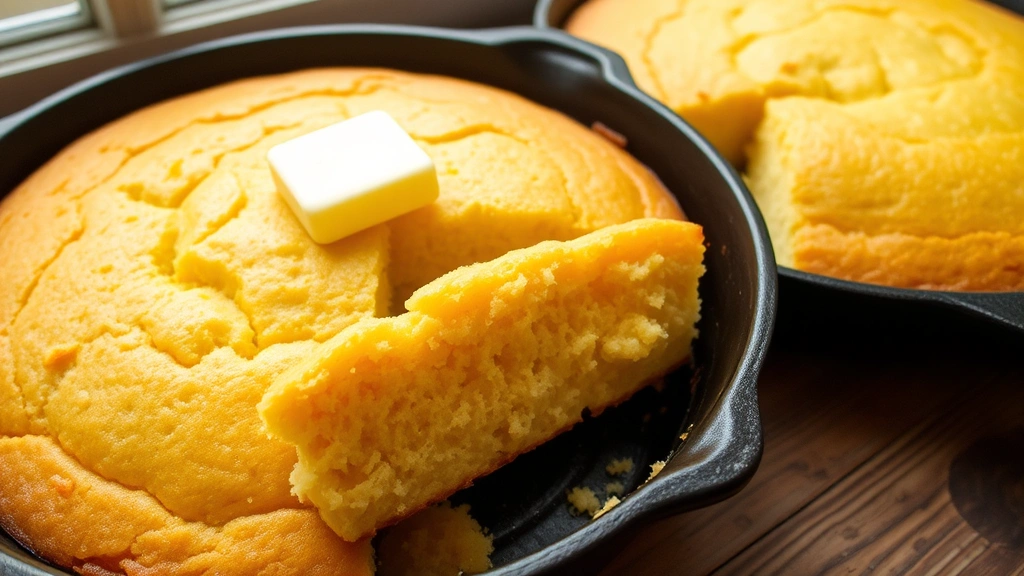
This buttermilk cornbread recipe is the kind of recipe you’ll make again and again because it delivers on every promise. Moist, tender, and perfectly golden, this is the cornbread that tastes like home—the kind that disappears from the table before you can even get a second piece.
I grew up watching my grandmother pull a skillet of cornbread from the oven, and the aroma alone would bring everyone running to the kitchen. There’s something magical about the way buttermilk transforms simple cornmeal into something incredibly tender and flavorful. It’s not overly sweet, not too crumbly, and it has this beautiful, subtle tang that makes you want another bite.
Jump To Section
The secret to this easy cornbread is threefold: using real buttermilk (not a substitute), cooking it in a hot cast iron skillet for that crispy golden exterior, and not overmixing the batter. When you follow these simple steps, you get cornbread that’s moist on the inside with a slightly crispy edge. It’s the kind of side dish that pairs beautifully with chili, soup, or just about any comfort meal.
Why This Recipe Works
Buttermilk is the MVP ingredient here, and for good reason. The acidity in buttermilk reacts with baking soda to create lift and tenderness that you simply can’t achieve with regular milk. Additionally, it adds a subtle tanginess that balances the cornmeal’s earthiness perfectly. This isn’t just about moisture—it’s about creating a crumb structure that’s tender without being gummy.
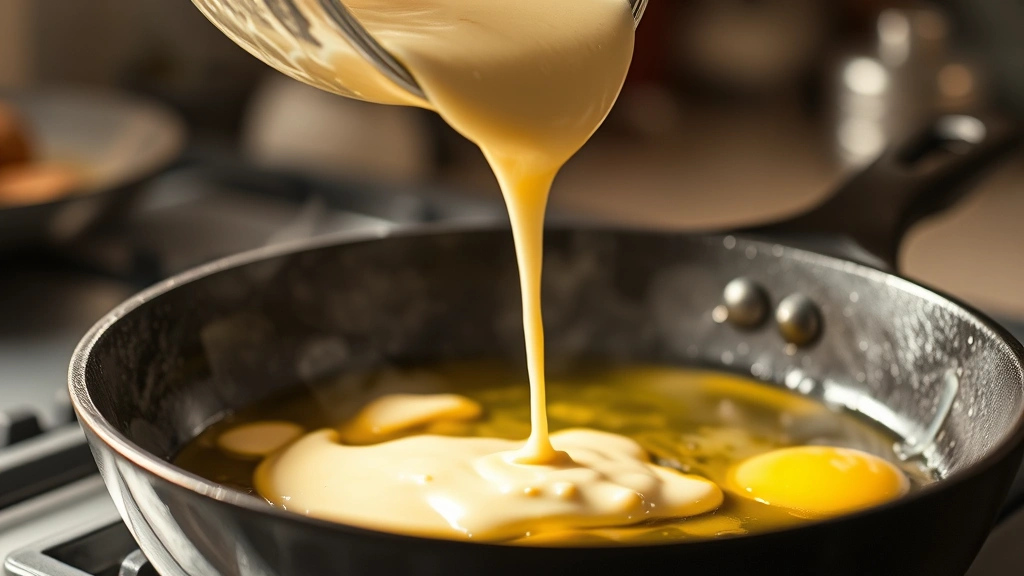
Using a hot cast iron skillet makes a real difference. When you pour the batter into that preheated, buttered skillet, it sizzles immediately, creating a beautiful golden-brown crust that everyone loves. The heat retention of cast iron means your cornbread bakes evenly from all sides. For instance, you’ll notice the edges are slightly crispy while the center stays wonderfully moist.
I keep the ingredient list intentionally simple because cornbread should taste like cornbread, not cake. There’s just enough sugar to enhance the corn flavor without making it dessert-like. The cornmeal provides that distinctive texture and taste that makes cornbread unmistakable.
Ingredient Tips & Substitutions
Let’s talk about buttermilk first because it’s non-negotiable for this recipe. If you don’t have buttermilk on hand, you can make a quick substitute by adding 1 tablespoon of lemon juice or vinegar to 1 cup of regular milk and letting it sit for 5 minutes. However, fresh buttermilk really does give superior results if you can grab it from the store.
For the cornmeal, use cornmeal that’s specifically labeled for cooking (polenta cornmeal also works beautifully). The texture should be slightly grainy but not too coarse. Stone-ground cornmeal adds a lovely flavor complexity, though standard yellow cornmeal produces wonderful results too.
All-purpose flour is perfect here, but you could substitute up to half of it with whole wheat flour if you want extra nutrition and a slightly nuttier flavor. Meanwhile, don’t skip the baking powder and baking soda—they’re essential for proper rise and that tender crumb. The salt brightens all the flavors, so measure it carefully.
Butter is best for both the skillet and the batter, but if you need a substitute, vegetable oil works in the batter. For greasing the skillet, you want something with a higher smoke point, so butter, coconut oil, or vegetable oil all work beautifully.
Serving Suggestions
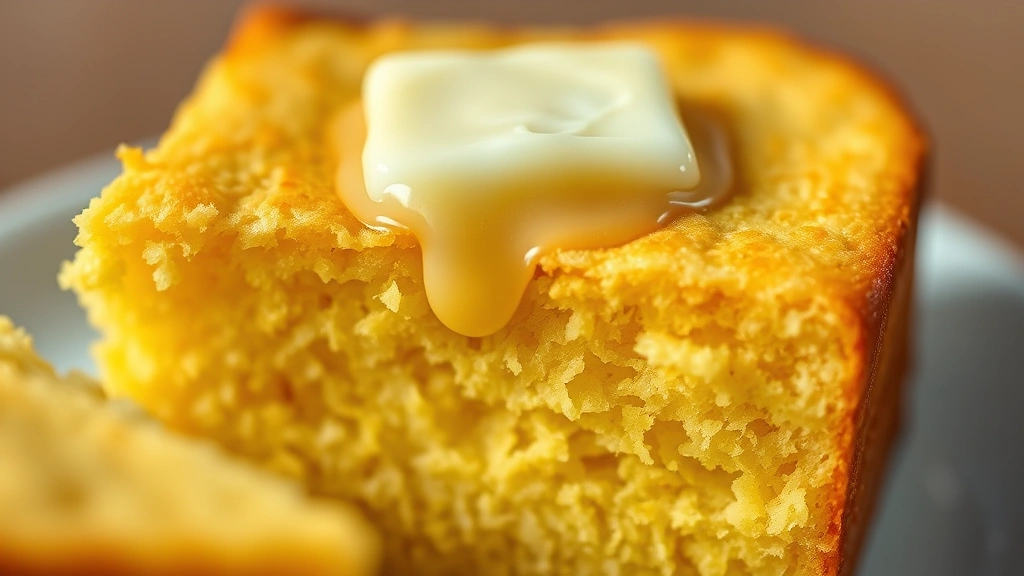
This cornbread is absolutely divine served warm from the skillet with a pat of butter melting into every crevice. Pair it with a big bowl of our best taco chili recipe for the ultimate comfort meal. The cornbread’s subtle sweetness complements spicy chili perfectly.
It’s equally wonderful alongside a steaming bowl of simple old fashioned vegetable beef soup recipe. You could also serve it with a warming easy vegetable beef soup recipe on a chilly evening.
For a lighter meal, crumble warm cornbread into a salad or serve it alongside our best Mexican corn salad recipe. You can even use leftover cornbread to make an amazing dish with best leftover taco meat nachos recipe as a base for a cornbread salad.
Don’t underestimate cornbread on its own, either. Serve it warm with good butter and honey, and you have a simple, satisfying treat that’s perfect for breakfast or an afternoon snack.
Storage & Reheating
Cornbread keeps well at room temperature for up to two days when wrapped in foil or stored in an airtight container. The moisture from buttermilk means it stays tender longer than many cornbread recipes. If you want to keep it longer, wrap it well and freeze it for up to three months.
To reheat, wrap individual slices in damp paper towels and microwave for 20-30 seconds, or place the whole skillet in a 350°F oven for about 10 minutes until warmed through. Additionally, you can refresh day-old cornbread by lightly brushing it with butter and toasting it in a 375°F oven for 5 minutes.
Fresh cornbread is always best, but this recipe’s buttermilk base means leftovers stay moist and delicious. I love having extra cornbread on hand because it’s perfect for crumbling into soups or using as a base for cornbread dressing.
Tips for Perfect Cornbread Every Time
Don’t skip preheating your skillet—this step is crucial for that golden crust. Place the skillet in the oven while it preheats to 400°F, and add your butter so it’s melted and hot when you pour in the batter. You’ll hear it sizzle, and that’s exactly what you want.
Mix your dry ingredients separately from your wet ingredients, then combine them with just a few gentle folds. Overmixing develops gluten, which makes cornbread tough and dense instead of tender and crumbly. A few lumps in the batter are perfectly fine—they’ll disappear during baking.
Use an oven thermometer to ensure your oven is at the right temperature. An oven that’s too cool produces pale, dense cornbread, while one that’s too hot can brown it too quickly on top while leaving the inside underbaked. The perfect buttermilk cornbread recipe results from precise temperature control.
Don’t overbake. Cornbread is done when a toothpick inserted in the center comes out clean or with just a few moist crumbs. It will continue to cook slightly from residual heat, so it’s better to pull it out a minute or two early than to leave it in too long.
For more inspiration on Southern comfort foods, check out Serious Eats’ corn recipes or New York Times Cooking for additional cornbread variations. You might also enjoy exploring Bon Appétit’s side dish collection for complementary recipes that pair beautifully with cornbread.
This buttermilk cornbread recipe delivers that perfect balance of crispy exterior and moist, tender interior. It’s uncomplicated, reliable, and absolutely delicious—the kind of recipe that becomes a family favorite the first time you make it.
Ingredients
- 1 cup yellow cornmeal
- 1 cup all-purpose flour
- 2 tablespoons granulated sugar
- 1½ teaspoons baking powder
- ½ teaspoon baking soda
- 1 teaspoon salt
- 1 cup buttermilk, room temperature
- 2 large eggs
- 4 tablespoons butter, melted
- 2 tablespoons butter for skillet
Instructions
- Preheat your oven to 400°F and place a 9-inch cast iron skillet inside to heat for about 5 minutes.
- In a large mixing bowl, whisk together the cornmeal, all-purpose flour, sugar, baking powder, baking soda, and salt until fully combined.
- In another bowl, whisk together the buttermilk, eggs, and melted butter until well combined.
- Pour the wet ingredients into the dry ingredients and gently fold together with a spatula until just combined—don’t overmix; a few small lumps are perfectly fine.
- Carefully remove the hot skillet from the oven and add the 2 tablespoons of butter, tilting to coat evenly and let it melt.
- Pour the cornbread batter into the hot, buttered skillet and return it to the oven immediately.
- Bake for 18-22 minutes until the top is golden brown and a toothpick inserted in the center comes out clean or with just a few moist crumbs.
- Remove from the oven and let cool in the skillet for 5 minutes before turning out onto a wire rack or serving directly from the skillet.
Pro Tips
The buttermilk in this recipe is absolutely essential—it creates the tender crumb and subtle tang that makes this cornbread special. If you must substitute, make a quick version by adding 1 tablespoon of lemon juice or white vinegar to regular milk and letting it sit for 5 minutes until it curdles slightly.
Don’t skip the step of preheating your cast iron skillet. This creates that beautiful golden-brown crust that everyone loves. If you don’t have cast iron, a 9-inch round cake pan works, though you won’t get quite the same crispy exterior.
The temperature of your ingredients matters more than you might think. Room temperature buttermilk and eggs incorporate more evenly and create a better texture. However, if your ingredients are cold, just let them sit on the counter for 15-20 minutes before mixing.
For extra flavor, you can add 1 tablespoon of honey or a pinch of cayenne pepper to the wet ingredients. Some people love adding a tablespoon of fresh or frozen corn kernels for texture variation. These additions are optional but delicious.
Storage is easy—wrap cooled cornbread tightly in foil or store it in an airtight container at room temperature for up to 2 days. For longer storage, wrap individual slices in plastic wrap and freeze for up to 3 months. Thaw at room temperature and reheat gently in a 350°F oven for about 10 minutes.
To reheat a single slice, wrap it in a damp paper towel and microwave for 20-30 seconds. This method helps restore moisture and prevents the cornbread from drying out. Meanwhile, if you’re reheating the entire skillet, place it in a 350°F oven for 8-10 minutes until warmed through.
This recipe doubles beautifully if you need to feed a larger crowd. Use two 9-inch skillets or one 9×13-inch baking dish, and increase the baking time by 3-5 minutes. The baking time might be slightly longer in a larger pan, so check for doneness with a toothpick.
For a sweeter cornbread, increase the sugar to 3 tablespoons. For a more savory version, reduce sugar to 1 tablespoon and add ½ teaspoon of garlic powder and fresh cracked black pepper. Additionally, you could stir in ½ cup of shredded sharp cheddar cheese for a cheesy variation that’s absolutely divine.