
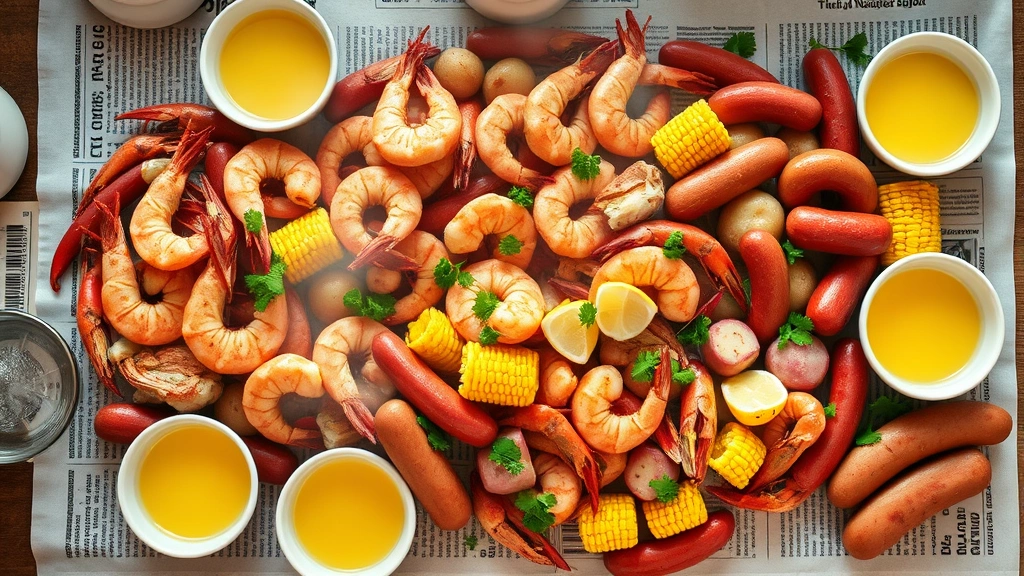
A cajun boil recipe is the ultimate showstopper for anyone who loves bold flavors and communal dining. This iconic Louisiana dish transforms simple ingredients—seafood, corn, potatoes, and spicy seasonings—into an unforgettable feast that practically begs for long tables, cold drinks, and good company.
What makes this dish so magical? It’s the way everything cooks together in one pot, each ingredient absorbing those incredible cajun spices and creating this symphony of flavors that just works. The beauty is in its simplicity—you’re not juggling multiple pans or complicated techniques. Instead, you’re creating something restaurant-quality right in your own kitchen.
Jump To Section
Why This Recipe Works
The genius of a cajun boil is how adaptable it truly is. Whether you’re cooking for four people or forty, the method stays exactly the same. You build layers of flavor by timing each ingredient perfectly, so everything finishes at just the right moment. Additionally, the one-pot nature means minimal cleanup—always a win in my book.
The spice blend is what elevates this from ordinary to extraordinary. We’re talking about that perfect balance of cayenne, paprika, garlic, and Old Bay seasoning that creates that distinctive cajun kick without overwhelming your palate. However, you can absolutely adjust the heat level to match your crowd’s preferences. For instance, if you’re cooking for spice-sensitive guests, simply reduce the cayenne and let diners add their own hot sauce at the table.
Meanwhile, the cooking liquid becomes this liquid gold that coats every ingredient. The potatoes and corn absorb all that seasoned broth, becoming impossibly flavorful. This is why we don’t skimp on the seasonings—they’re the backbone of everything delicious happening in that pot.
Ingredient Tips & Substitutions
Start with quality seafood because it truly makes a difference. Fresh shrimp, crab, and andouille sausage are the traditional stars, but don’t hesitate to swap based on what’s available or your preferences. Scallops work beautifully if shrimp isn’t your thing, and you can absolutely add crawfish for an authentic Louisiana touch.
The potato choice matters more than you’d think. I prefer baby potatoes or red potatoes because they cook evenly and have a waxy texture that holds up beautifully. Russets tend to get mealy, which isn’t ideal for this dish. Similarly, fresh corn on the cob tastes infinitely better than frozen, though frozen works in a pinch—just add it toward the very end so it doesn’t turn mushy.
For the sausage, andouille is traditional and adds that smoky, spicy character that defines cajun cuisine. However, kielbasa works as an excellent substitute if you can’t find andouille, or try smoked sausage for a slightly milder approach. The key is choosing something with good flavor that can stand up to the other bold ingredients.
Don’t overlook the aromatics. Fresh garlic, onion, and celery create the flavor foundation. If you’re in a time crunch, pre-minced garlic works, though fresh really does taste better. Additionally, having good quality Old Bay seasoning and cayenne pepper on hand is non-negotiable—these are what make your cajun boil taste authentically cajun rather than just spicy.
Serving Suggestions
Presentation is half the fun with this dish. Dump everything directly onto a newspaper-lined table or large platter for that authentic low-country boil experience. Provide small bowls for shells and tails, napkins (lots of them), and cold beverages. This isn’t fancy dining—it’s communal, messy, absolutely delicious dining.
Serve with crusty bread for soaking up that incredible broth, and don’t forget melted butter for dipping. A squeeze of fresh lemon or lime brightens everything beautifully. For complementary sides, consider making a best shrimp salad recipe as a lighter starter, or prepare cornbread on the side for something starchy and comforting.
For beverages, ice-cold beer is traditional and pairs perfectly with the spicy flavors. Alternatively, sweet tea, lemonade, or even a crisp white wine like Sauvignon Blanc works wonderfully. The key is having something cold to balance the heat and richness of the boil.
Storage & Reheating
Here’s the thing about cajun boil: it’s best enjoyed fresh and hot, straight from the pot. However, if you have leftovers (which is rare), they’ll keep in the refrigerator for up to two days in an airtight container. The seafood will continue to absorb flavors, actually becoming more intensely seasoned as it sits.
To reheat, gently warm everything in a large pot over medium heat with a splash of water or broth. Don’t use the microwave, as it tends to make the seafood rubbery. Meanwhile, consider using leftover shrimp and vegetables in a delicious perfect Tom Yum soup recipe or tossing them into a fresh salad for a completely different meal.
The cooking broth is liquid gold and shouldn’t be discarded. Strain it, cool it, and freeze it for up to three months. Use it as a base for seafood pasta, risotto, or that best taco chili recipe you’ve been wanting to try. Nothing goes to waste when you’re thinking creatively about your leftovers.
Pro Tips for Success
Timing is everything in a cajun boil recipe, so read through the entire recipe before you start cooking. Have all your ingredients prepped and measured out—this is textbook mise en place. This way, you’re not scrambling to chop garlic while your potatoes are boiling over. Additionally, use a large pot (at least eight quarts) so everything has room to cook evenly without overcrowding.
Don’t overcook the seafood. This is the most common mistake. Shrimp turns rubbery in seconds if left in boiling water too long, and crab meat becomes mushy. I always recommend adding seafood toward the very end and setting a timer. Overcooked seafood is genuinely disappointing when you’ve built such an incredible flavor profile.
Taste the broth as you go. Seasonings can vary based on your ingredients and personal preference, so adjust accordingly. You want bold flavors—this isn’t the time to be shy with spices. However, remember you can always add more salt or cayenne, but you can’t take it back, so start conservative if you’re unsure.
Finally, embrace the chaos and mess. This dish is meant to be hands-on, interactive, and fun. Your guests will remember the experience far more than they’d remember a perfectly plated individual dish. It’s about connection, flavor, and that special magic that happens when people gather around incredible food.
If you’re planning a seafood feast, also consider preparing a best tasty soup beans recipe as a hearty vegetarian alternative, or a best fresh tomato soup recipe for a lighter starter course. These complement a cajun boil beautifully by giving guests options.
This cajun boil recipe has become my go-to for entertaining because it’s impressive without being stressful. It comes together in about an hour, tastes like you spent all day cooking, and creates those table memories that last long after the meal ends. Once you master this technique, you’ll find yourself making it again and again for every excuse—summer celebrations, casual weekends, or just because it’s Friday and you deserve something special.
Ingredients
- 3 tablespoons salt (for boiling water)
- 2 tablespoons Old Bay seasoning
- 1 tablespoon cayenne pepper
- 1 tablespoon smoked paprika
- 2 tablespoons garlic powder
- 1 tablespoon onion powder
- 1 tablespoon black pepper
- 1 teaspoon thyme
- 1 teaspoon oregano
- 1 large onion, quartered
- 8-10 garlic cloves, smashed
- 3 celery stalks, cut into 3-inch pieces
- 2 pounds baby potatoes, halved
- 1 pound andouille sausage, sliced into 2-inch pieces
- 4 ears fresh corn, halved
- 2 pounds large shrimp, peeled and deveined
- 1.5 pounds crab claws or king crab legs
- 1 lemon, halved
- 4 tablespoons butter
- Fresh parsley for garnish
- Melted butter for serving
Instructions
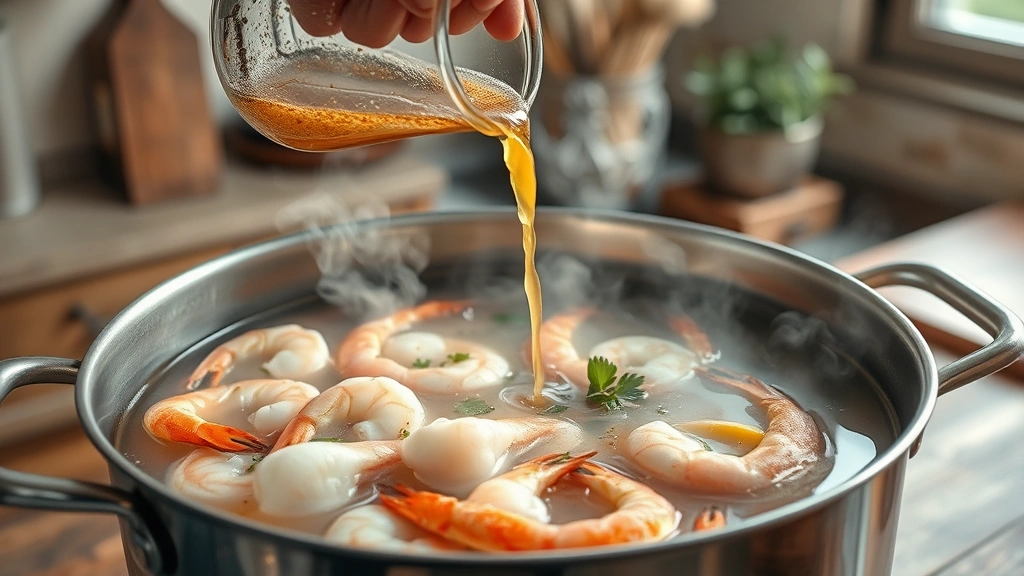
- Fill a large 12-quart pot with 8 quarts of water and bring to a rolling boil over high heat. This gives you plenty of room for all ingredients to cook evenly without crowding.
- Add salt, Old Bay seasoning, cayenne pepper, smoked paprika, garlic powder, onion powder, black pepper, thyme, and oregano to the boiling water. Stir well to combine and let the water return to a boil, about 2 minutes.
- Add the quartered onion, smashed garlic cloves, and celery pieces to the seasoned water. These aromatics will infuse the entire pot with flavor. Let boil for 5 minutes.
- Add the halved baby potatoes to the pot. These take the longest to cook, so they go in first. Stir occasionally and let cook for 12-15 minutes until just tender but not falling apart.
- While potatoes cook, slice the andouille sausage into 2-inch pieces. Once the potatoes are nearly done, add the sausage to the pot and stir well. Let everything cook together for 5 minutes.
- Add the halved corn ears to the pot along with the lemon halves. Stir gently to combine everything. Let cook for another 5 minutes until the corn starts to become tender.
- Add the peeled and deveined shrimp directly to the boiling pot. Stir gently and set a timer for exactly 2 minutes—don’t walk away, as overcooked shrimp becomes rubbery and disappointing.
- After 2 minutes, add the crab claws or king crab legs to the pot. Stir carefully to distribute evenly. Let everything cook together for another 2-3 minutes until the shrimp are just cooked through and pink.
- Remove the pot from heat immediately. Add the 4 tablespoons of butter and stir gently until melted and combined with all the ingredients.
- Taste the broth and adjust seasonings as needed—add more cayenne for heat, salt for seasoning, or lemon juice for brightness. Trust your palate here.
- Using a slotted spoon, carefully transfer all solids to a large serving platter lined with newspaper or butcher paper. Reserve the cooking broth for serving alongside.
- Garnish the platter with fresh chopped parsley. Serve immediately with melted butter for dipping, lemon wedges, crusty bread, and plenty of napkins. Pour the remaining broth into bowls for guests to enjoy on the side or for dipping.
Pro Tips
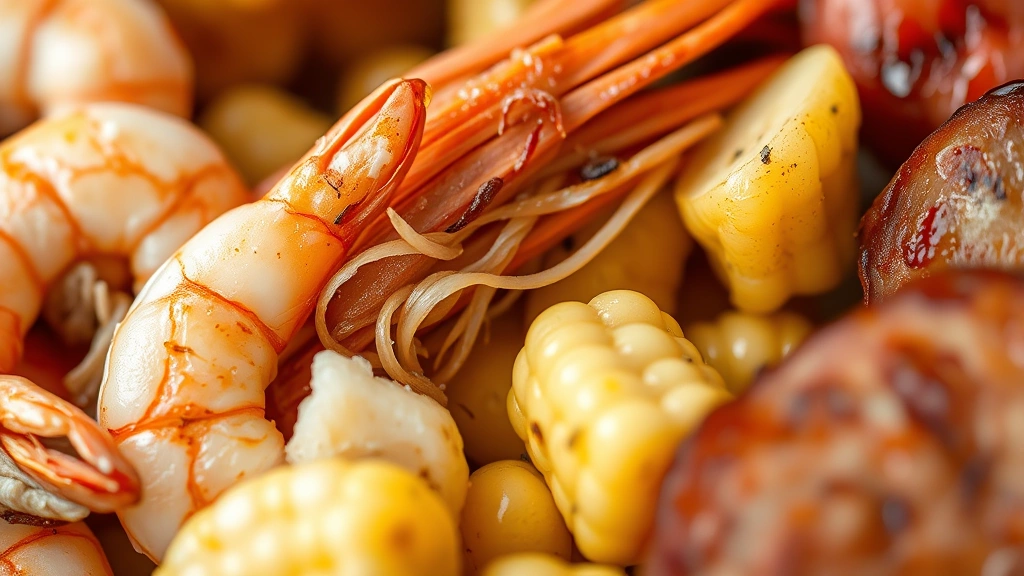
The key to a perfect cajun boil is timing and quality ingredients. Fresh seafood makes an enormous difference in the final result, so try to source your shrimp and crab from a good fish market rather than supermarket freezer sections when possible. However, frozen seafood that’s been properly thawed works beautifully too.
Don’t be intimidated by the long ingredient list for seasonings. Most of these are common pantry staples, and combining them creates that authentic cajun flavor profile that makes people close their eyes and smile. Additionally, you can customize the spice blend based on your preferences—prefer less heat? Simply reduce the cayenne. Love extra garlic? Double the garlic powder or add fresh minced garlic directly to the pot.
The cooking broth is absolutely precious and shouldn’t be discarded. After straining out all the solids, store it in the refrigerator for up to five days or freeze it for up to three months. This liquid gold becomes the base for incredible seafood pasta, risotto, or even a simple broth to sip alongside crusty bread. Some people even freeze it in ice cube trays for easy portioning.
For vegetable substitutions, you’re quite flexible. If you don’t have celery, skip it—the dish will still be delicious. Prefer Brussels sprouts or green beans? Add them toward the end so they don’t overcook. Meanwhile, some people add artichoke hearts, mushrooms, or bell pepper pieces. The traditional recipe sticks with potatoes and corn, but creativity is always welcome in your own kitchen.
Storage is straightforward—keep leftovers in airtight containers in the refrigerator for up to two days. The flavors actually intensify as everything sits together, making day-old cajun boil sometimes even better than fresh. Reheat gently in a large pot over medium heat with a splash of water to prevent sticking. Avoid the microwave as it tends to make seafood tough and chewy.
Make-ahead tip: You can prep all your vegetables, slice your sausage, and measure out your spice blend several hours in advance. Keep everything covered in the refrigerator until you’re ready to cook. The actual cooking happens in less than an hour once you start boiling the water, making this perfect for entertaining.