
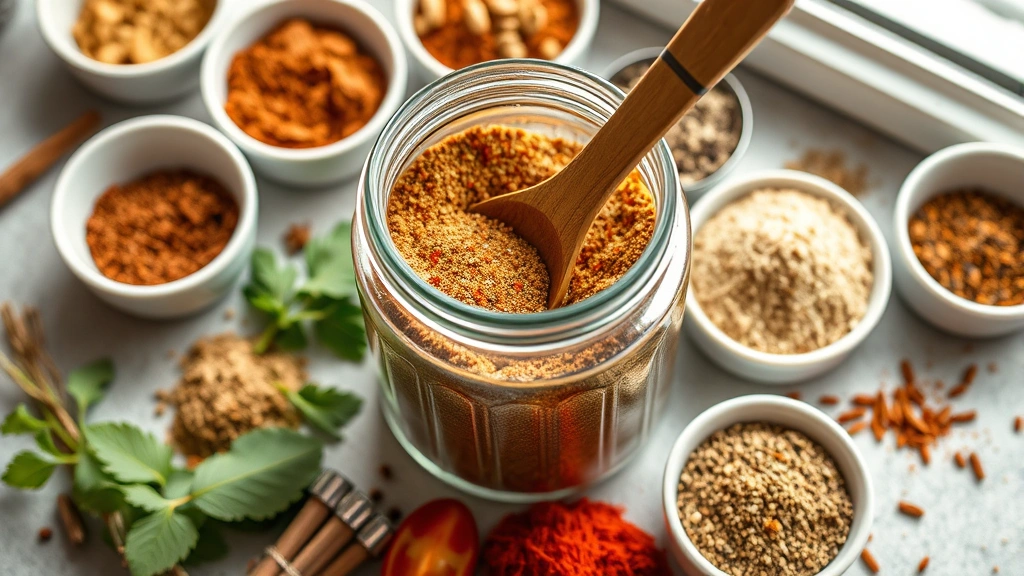
This cajun seasoning recipe is a game-changer for your kitchen. You can whip up a professional-quality homemade blend in just 5 minutes, and it’ll transform everything from roasted vegetables to grilled proteins into something absolutely spectacular.
I grew up watching my grandmother shake store-bought seasoning packets onto everything, but one day she decided enough was enough. She pulled out her spice cabinet, grabbed a small jar, and showed me how easy it really is to make your own. That moment changed how I cook entirely. Now, whenever I need that authentic, bold Cajun flavor, I reach for my own blend instead of paying premium prices for mediocre packets.
Jump To Section
The beauty of making your own homemade Cajun seasoning is that you control every single ingredient. You know exactly what’s going into your food—no mysterious additives, no excess sodium, and definitely no weird fillers. Plus, the flavor is so much more vibrant and fresh than anything you’ll find on a grocery store shelf.
Why This Recipe Works
This particular blend nails the authentic Cajun flavor profile by combining paprika, garlic, and cayenne in perfect proportions. The paprika gives you that gorgeous color and mild smoky sweetness, while the cayenne brings the heat that Cajun cuisine is famous for. Meanwhile, the garlic and onion powders add depth and umami that make people ask what your secret ingredient is.
What makes this blend so versatile is how balanced it is. It’s bold enough to season a whole pot of gumbo, yet subtle enough to enhance delicate shrimp without overpowering them. You can use it on shrimp, chicken, fish, or even vegetables with equally fantastic results.
Additionally, this recipe comes together in the time it takes to brew a cup of coffee. There’s no cooking involved, no special equipment needed—just a small bowl, a spoon, and seven pantry staples you probably already have on hand.
Ingredient Tips & Substitutions
Paprika is the star of this show, so quality matters here. Look for Hungarian or Spanish paprika rather than the generic stuff in the red tin. Hungarian paprika has this beautiful deep color and slightly sweet undertone, while Spanish smoked paprika adds a wonderful complexity. If you can only find basic paprika, that works too—the blend will still be delicious.
For the cayenne pepper, start with the amount I’ve listed and taste as you go. Cayenne can vary in heat level depending on the brand and where it’s sourced. You can always add more, but you can’t take it out. If you prefer a milder seasoning, reduce the cayenne to half a teaspoon or even skip it entirely.
The garlic and onion powders should be fresh—this is actually important. Old spices lose their potency, so if you’ve had these sitting in your cabinet for three years, it’s time for replacements. Fresh garlic and onion powders make a noticeable difference in the final flavor. However, if you want to go even fresher, you can dry and grind your own garlic and onion, though that’s definitely extra credit work.
I use fine sea salt rather than table salt because it dissolves more evenly and you get better flavor distribution throughout the blend. Kosher salt works too, though you might need slightly more to achieve the same seasoning level. For the black pepper, freshly ground is always superior to pre-ground—the aromatic oils are still present and the flavor is noticeably brighter.
How to Use Your Homemade Blend
Once you’ve made this seasoning, the real fun begins. Use it to season ground beef for tacos and meat dishes, or sprinkle it generously over roasted potatoes and vegetables. It’s phenomenal on grilled chicken, blackened fish, or shrimp. You can even use it as a rim seasoning for cocktails or a finishing touch on popcorn.
For seasoning proteins, use about one teaspoon per pound as a starting point, then adjust to taste. When making cajun rice or jambalaya, you might use two to three teaspoons per cup of uncooked rice, depending on how bold you want the flavor. The beauty is that you’re in complete control—this isn’t a “one-size-fits-all” situation.
Pro tip: Mix this seasoning with softened butter to make compound butter for grilled corn, steaks, or crusty bread. You can also combine it with sour cream or mayo to create a quick dipping sauce that’s absolutely addictive. Try mixing it into sauce recipes and dressings for extra flavor dimension.
Storage & Shelf Life
Store your homemade cajun seasoning in an airtight glass jar, away from direct sunlight and heat. A cool, dark cabinet is ideal—think the back of your spice rack rather than above the stove. Properly stored, this blend will maintain its vibrant flavor for six to eight months, though it’s so easy to make that you’ll probably use it up much faster.
The reason glass is better than plastic is that the oils in the spices can degrade plastic over time, and plastic can absorb odors. Plus, glass just looks prettier in your cabinet, and you’ll actually want to use it more often if it’s visually appealing. Label your jar with the date you made it so you know when to refresh your supply.
If you live in a particularly humid climate, add a small silica gel packet to your jar to prevent clumping. Additionally, you can store this seasoning in the freezer to extend its shelf life even further—though honestly, at five minutes to make and six months of storage life, there’s really no need.
Why Make Your Own Instead of Buying Pre-Made
Store-bought cajun seasoning packets are convenient, but they’re also expensive when you break down the cost per use. Making your own costs just a few dollars for enough seasoning to last months. Beyond the financial savings, homemade is fresher, contains no anti-caking agents or mysterious preservatives, and tastes noticeably better.
Many commercial blends also contain excessive sodium, which can be problematic if you’re watching your salt intake. With your own blend, you control the sodium level completely. You might even make a low-sodium version using sea salt sparingly, knowing that the other flavors are robust enough to carry the dish without heavy salt reliance.
Furthermore, once you start making your own spice blends, you realize how empowering it is. You’re not dependent on what the grocery store has in stock. You’re not limited by the brand’s flavor profile choices. You’re the chef, and this seasoning is exactly as you want it to be. Check out these other seasoning applications in Southern cooking recipes to see the versatility of homemade spice blends.
For more inspiration on how to use bold seasonings, explore resources like Bon Appétit’s seasoning guides and Serious Eats’ spice articles for creative applications. The New York Times Cooking section also features excellent articles on spice blending and usage.
This cajun seasoning recipe represents everything I love about cooking from scratch: it’s quick, it’s cost-effective, it’s superior in quality, and it gives you complete control over your food. The five minutes you invest in making this blend will pay dividends every single time you reach for it. Welcome to the world of homemade spice blends—once you start, you’ll never look back.
Ingredients
- 2 tablespoons paprika
- 1 tablespoon garlic powder
- 1 tablespoon onion powder
- 2 teaspoons cayenne pepper
- 1 teaspoon dried oregano
- 1 teaspoon dried thyme
- 1½ teaspoons fine sea salt
- 1 teaspoon freshly ground black pepper
Instructions
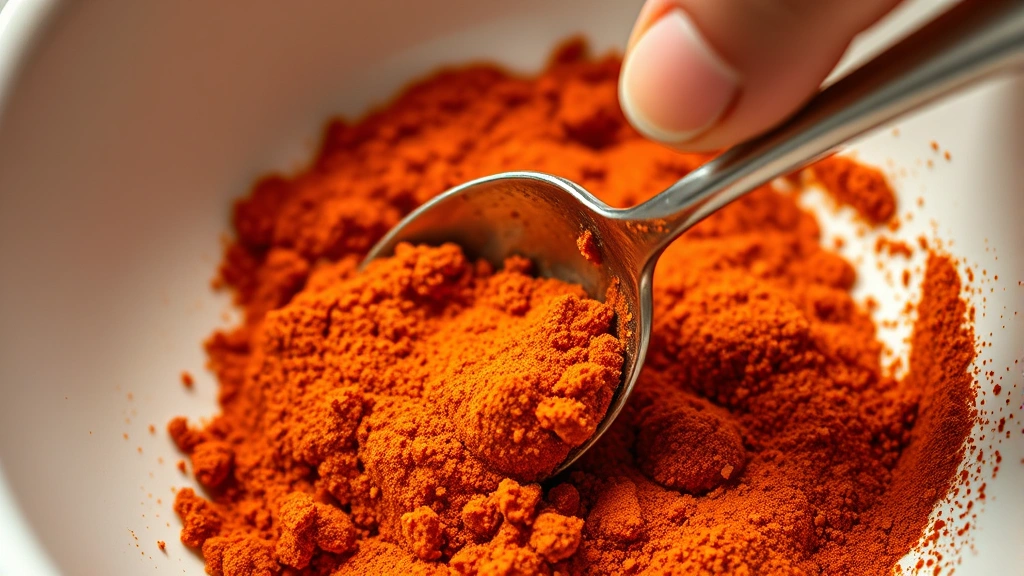
- Gather all your spices and place them in a small glass bowl. Having everything ready ensures you don’t miss any ingredients and helps you see the beautiful blend coming together.
- Add the paprika first, then the garlic powder and onion powder. These three ingredients form the flavorful foundation of your cajun seasoning blend.
- Pour in the cayenne pepper, adjusting the amount based on your heat preference. If you like things really spicy, add up to a full tablespoon; for milder seasoning, stick with one teaspoon or even half a teaspoon.
- Add the dried oregano and dried thyme, breaking up any clumps with your fingers as you add them. These herbs bring authentic Cajun and Creole character to the blend.
- Sprinkle in the fine sea salt and freshly ground black pepper. Stir everything together thoroughly with a small spoon until completely combined and evenly distributed.
- Transfer your finished seasoning blend to an airtight glass jar. Label it with the date, and store it in a cool, dark place away from direct sunlight and heat sources.
- Use immediately or save for up to six months. Your homemade cajun seasoning is now ready to transform your favorite dishes with authentic Cajun flavor.
Pro Tips
This seasoning blend is incredibly versatile. Use it to season proteins like chicken, shrimp, and fish—about one teaspoon per pound is a good starting point. It’s also fantastic on roasted vegetables, in rice dishes, or sprinkled over popcorn for a spicy snack.
For a smokier version, substitute smoked paprika for regular paprika. You can also add a quarter teaspoon of smoked paprika to the regular paprika if you want subtle smokiness without completely changing the flavor profile. Additionally, some people love adding a pinch of ground cayenne for extra complexity, though this is purely optional.
If you prefer a less spicy blend, reduce the cayenne to half a teaspoon or even a quarter teaspoon. Conversely, if you love heat, you can increase it to a full tablespoon. Remember that you can always adjust the heat level when seasoning individual dishes by using less or more of the blend.
Storage is key to maintaining flavor. Keep your cajun seasoning in an airtight glass jar in a cool, dark cabinet away from heat and humidity. Avoid storing it above the stove or in direct sunlight, as this will cause the spices to fade faster. Properly stored, this blend maintains optimal flavor for six to eight months.
For a lower-sodium version, reduce the salt to one teaspoon or even three-quarters teaspoon. The other spices are flavorful enough to carry the blend even with less salt. However, remember that salt enhances all the other flavors, so reducing it too much may make the seasoning taste less vibrant.
You can make larger batches to keep on hand. Simply multiply all the ingredients by whatever factor you want—just remember to store the extra in airtight containers and label them clearly. This is perfect if you use cajun seasoning regularly in your cooking.