

A campfire recipe minecraft is one of the most essential cooking mechanics in the game, and mastering it transforms your entire survival experience. Whether you’re a complete beginner or returning to the blocky world after time away, understanding how to cook food over a campfire will keep your hunger bar full and your adventures thriving. Let me walk you through everything you need to know about this fundamental survival skill.
In Minecraft, the campfire serves as both a decorative element and a practical cooking station that feels wonderfully immersive. Unlike furnaces or smokers that require fuel, campfires use their inherent flames to cook raw ingredients into delicious, nourishing meals. It’s the perfect setup when you’re out exploring, building, or just want that cozy aesthetic around your base.
Jump To Section
Why Campfire Cooking Matters in Minecraft
The beauty of campfire recipes lies in their simplicity and accessibility. You can cook food anywhere you’ve placed a campfire—no need to drag yourself back to your main cooking station. This means faster meal preparation during intense mining sessions or when you’re far from home.
Additionally, campfires cook items simultaneously, allowing you to prepare multiple dishes at once. Place raw beef, chicken, and fish all on the same campfire, and they’ll all cook together. It’s efficiency meets convenience, making campfire cooking an invaluable skill for any Minecraft player who wants to optimize their survival strategy.
Setting Up Your Campfire Station
Before you can cook anything, you’ll need to craft or find a campfire. Creating one requires three logs (any type), three sticks, and one coal or charcoal. The recipe forms an X pattern with logs at the corners, sticks in the middle row, and coal or charcoal in the center. Once you’ve gathered these materials, place your campfire on a solid block and you’re ready to start cooking.
However, placement matters more than you might think. Build your campfire on non-flammable blocks to prevent accidental fires. Stone, dirt, gravel, or even deepslate work beautifully. Meanwhile, you’ll want to keep wooden structures at least a block away from active flames. This simple precaution ensures your cooking station remains safe and won’t destroy your carefully built shelter.
Consider creating a dedicated cooking area with multiple campfires in close proximity. This setup lets you cook large quantities of food for major projects or when preparing for dangerous expeditions. Add some complementary decorative elements like fences or slabs around your cooking station to create an inviting space that feels like a real kitchen.
Essential Campfire Recipes for Beginners
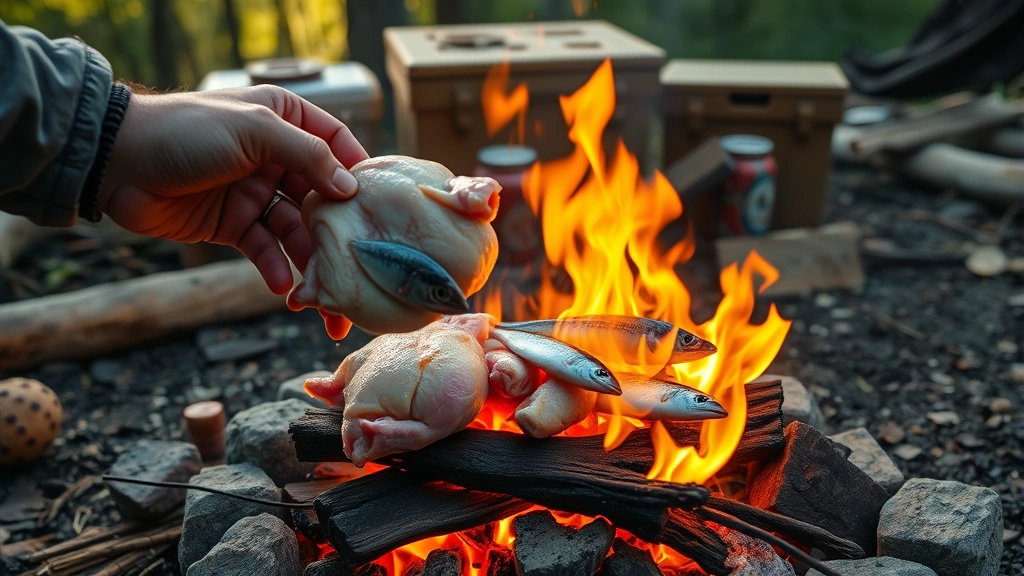
The most basic campfire recipe involves taking raw food and placing it on the flames. Raw beef becomes cooked beef, raw chicken transforms into cooked chicken, and raw fish turns into cooked fish. Each of these cooked proteins restores different amounts of hunger and saturation, with cooked beef being the most filling option available through campfire cooking.
For instance, creating satisfying burger-like meals requires you to combine cooked beef with bread in your crafting grid. Similarly, beef soup recipes can be created by combining cooked beef with mushrooms and bowls. These secondary recipes take your basic campfire cooking to the next level.
Potatoes deserve special mention as they’re incredibly abundant and surprisingly nourishing when cooked. A single campfire can cook dozens of potatoes simultaneously, making them perfect for bulk food production. When you’re establishing a new base or preparing for a long journey, cooking stacks of potatoes provides reliable nutrition without requiring rare ingredients.
Ingredient Tips & Substitutions
Understanding which foods cook on campfires opens up creative possibilities. Raw cod, salmon, and tropical fish all cook perfectly over flames, offering different saturation values. Experimenting with different fish types helps you understand which ingredients best suit your specific needs and playstyle.
Mutton and rabbit meat are additional protein options that cook beautifully on campfires, though they’re slightly less common than beef or chicken. These meats become particularly valuable when you’re establishing a farm-based food production system. Building a small animal farm near your campfire station ensures you never run out of cooking materials.
For vegetarian players, options are more limited but still viable. Potatoes and carrots don’t technically cook on campfires, but they’re perfectly edible raw and provide solid nutrition. Alternatively, you can craft beetroot soup by combining beetroots with bowls, creating a hearty meatless meal. This flexibility means every player can maintain a sustainable food system regardless of their preferred diet.
Meanwhile, don’t overlook the importance of combining cooked ingredients with other materials. Sandwich-style recipes in Minecraft involve bread and cooked meat, creating meals that restore significant hunger points. These combinations teach you that campfire cooking is just the first step in comprehensive meal preparation.
Storage & Reheating Tips
Once you’ve cooked your food, proper storage becomes essential. Keep cooked meats and fish in organized chests near your cooking station for quick access. Label your storage containers clearly so you can grab the right food during emergencies without fumbling through inventory.
Cooked food never spoils in Minecraft, unlike in real life, so you can safely stockpile enormous quantities. This means you can cook during calm periods and rely on those reserves when exploring dangerous biomes or engaging in intense building projects. Create a dedicated food storage room with multiple chests to keep your inventory organized and accessible.
However, remember that cooking efficiency improves when you batch-process ingredients. Rather than cooking five pieces of beef three separate times, place all fifteen pieces on your campfire simultaneously. This approach saves time and reduces repetitive clicking, making your gameplay smoother and more enjoyable.
Additionally, consider creating multiple cooking stations throughout your world. Having campfires at various bases, near mining sites, and along travel routes means you never need to venture far for a quick meal. This network of cooking stations becomes increasingly valuable as you expand your Minecraft territory and undertake larger projects.
Advanced Cooking Strategies
Once you’ve mastered basic campfire recipes, explore alternative cooking methods that work alongside campfires. Furnaces cook items faster but require fuel, while smokers cook meat specifically without creating smoke particles. Each method has unique advantages, and understanding when to use each one elevates your survival game significantly.
For example, rice-based meal combinations require you to think creatively about available ingredients. Though Minecraft doesn’t have rice, you can use cooked potatoes and carrots to create similar comfort food experiences. This creative adaptation demonstrates how campfire cooking knowledge transfers to broader culinary thinking within the game.
Building an automated cooking system using hoppers and campfires creates a passive food production machine. Position hoppers above your campfires so they automatically feed raw ingredients into the flames. When items cook, they drop into collection hoppers below, creating a hands-off system that generates food while you focus on other tasks.
Finally, remember that food is fundamentally tied to health and survival in Minecraft. Master these campfire recipes, and you’ll find yourself dying far less frequently and exploring with greater confidence. The humble campfire transforms from a decorative block into an essential tool that supports your entire Minecraft adventure, whether you’re a casual builder or dedicated survival enthusiast.
Ingredients
- 1 Raw Beef, Chicken, or Fish
- 1 Campfire (3 Logs + 3 Sticks + 1 Coal or Charcoal)
- 1 Solid Block (for campfire placement)
- Optional: 1 Bread (for sandwich recipes)
- Optional: 1 Cooked Beef + 1 Bread (for beef sandwich)
- Optional: Multiple Raw Potatoes (for bulk cooking)
Instructions
- Gather three logs of any type and three sticks from your inventory or by breaking tree branches and wood blocks.
- Locate one coal or charcoal, which you can obtain by mining coal ore or burning wood in a furnace.
- Open your crafting menu and arrange the ingredients: place logs at the corners of a 3×3 grid (corners only), sticks in the middle row, and coal or charcoal in the center block.
- Drag the completed campfire into your inventory once the recipe validates.
- Find a suitable location away from flammable blocks and place the campfire on a solid, non-flammable surface like stone, dirt, or deepslate.
- Collect raw meat from animals (beef from cows, chicken from chickens, fish from water with a fishing rod) or raw fish from underwater sources.
- Approach your active campfire and hold raw meat or fish in your hand.
- Right-click on the campfire to place your raw ingredient directly on the flames.
- Watch as the item cooks over the fire, which takes approximately 10 minutes of real time per item.
- Once cooked, the item will automatically drop onto the ground beside the campfire.
- Pick up your freshly cooked food and add it to your inventory.
- Repeat steps 7-11 with additional raw ingredients to cook multiple items simultaneously on the same campfire.
- For advanced recipes, take cooked beef and combine it with bread in your crafting menu to create a cooked beef sandwich.
- Alternatively, combine cooked fish with seaweed to create different variations of cooked fish meals.
- Store your cooked food in nearby chests for safekeeping and organization.
Pro Tips
The beauty of campfire recipes lies in their straightforward nature and accessibility for new players. Unlike furnaces that require fuel consumption, campfires use their inherent flames at no additional cost, making them ideal for early-game food production. This efficiency means you can cook massive quantities of food without worrying about depleting resources.
Substitutions depend on what animals you’ve encountered in your world. If cows are scarce, focus on fishing or hunting chickens instead. Meanwhile, mutton from sheep provides excellent nutrition and becomes particularly valuable if you establish a large sheep farm. Each protein source has unique saturation values, so experimenting helps you discover which ingredients best match your playstyle and available resources.
For storage, I recommend organizing your food into separate chests by type: one for cooked beef, another for fish, and a third for potatoes. This system prevents confusion during emergencies when you need to grab food quickly. Additionally, maintaining multiple cooking stations throughout your world ensures you never need to venture far for a quick meal.
Advanced players often combine campfire cooking with hopper systems for passive food production. Position hoppers above campfires to automatically feed raw ingredients into the flames, and place collection hoppers below to catch finished items. This hands-off approach generates food while you focus on mining, building, or exploring.
Remember that cooked food never spoils in Minecraft, unlike real-world cooking, so stockpiling is always beneficial. Create a dedicated food storage room and keep it well-organized with labeled chests. During intense mining sessions or dangerous expeditions, having a reliable food supply dramatically improves your survival chances and reduces stress.
Finally, don’t overlook the decorative appeal of campfires in your base design. Surround them with fences, slabs, or decorative blocks to create an inviting cooking area. This aesthetic touch transforms a purely functional element into a charming gathering space that enhances your overall base atmosphere.