
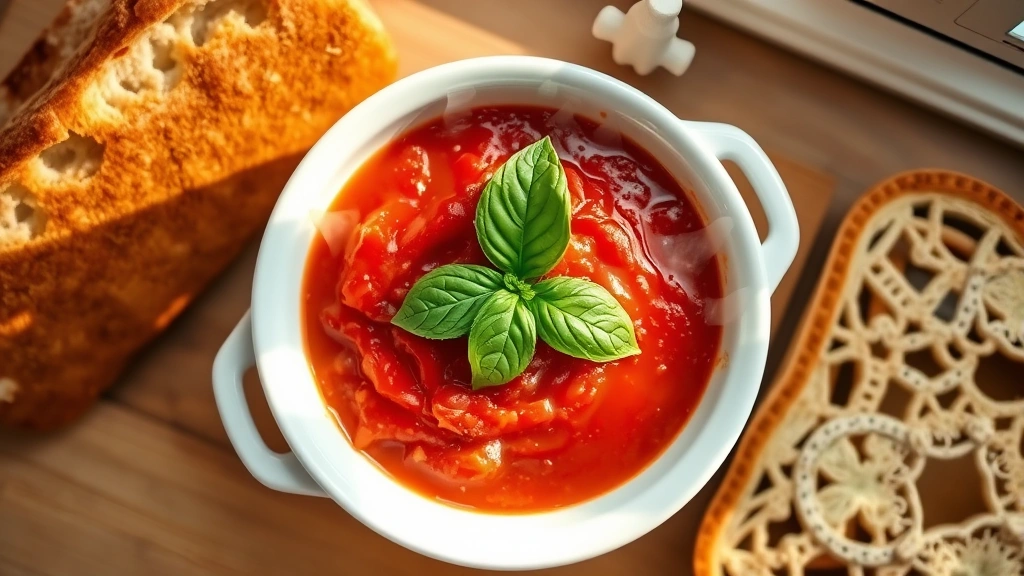
A canned tomatoes recipe is one of those kitchen staples that transforms ordinary ingredients into something absolutely extraordinary. Whether you’re a busy weeknight cook or someone who loves to experiment in the kitchen, canned tomatoes are your secret weapon for creating restaurant-quality meals without the fuss.
I’ve been using canned tomatoes in my cooking for years, and honestly, I don’t know what I’d do without them. They’re convenient, affordable, and somehow taste even better than fresh tomatoes in so many dishes. Plus, they’re picked and canned at peak ripeness, which means you’re getting incredible flavor year-round.
Jump To Section
Why This Recipe Works
Canned tomatoes are actually more versatile than most people realize. They work beautifully in soups, sauces, curries, and stews. The key is understanding how to use them properly to maximize their potential.
The beauty of building meals around canned tomatoes is that they provide a consistent, reliable base for countless dishes. You don’t have to worry about seasonality or quality fluctuations—every can delivers the same delicious tomato goodness. Additionally, they’re packed with lycopene, an antioxidant that’s actually more bioavailable in cooked tomatoes than fresh ones.
What makes canned tomatoes so special is their concentrated flavor. During the canning process, water evaporates slightly, leaving behind pure tomato essence. This means you need less of them to achieve bold, satisfying taste in your cooking.
Ingredient Tips & Substitutions
When you’re shopping for canned tomatoes, you’ll find several varieties: whole peeled, crushed, diced, and sauce. Whole peeled tomatoes are fantastic for chunky sauces and soups where you want visible tomato pieces. Crushed tomatoes work wonderfully for smooth sauces and are my go-to for pasta dishes.
Look for canned tomatoes with minimal ingredients—ideally just tomatoes, tomato juice, and salt. Avoid ones with added citric acid or calcium chloride if you can, as they can affect the texture. San Marzano tomatoes are considered the gold standard, but honestly, any quality brand will work beautifully.
Here’s a helpful tip: if a recipe calls for fresh tomatoes and you only have canned, use about three-quarters of the amount since canned are more concentrated. Conversely, if you’re substituting fresh tomatoes for canned, you’ll need more volume to achieve the same depth of flavor.
For our fresh tomato soup recipe, you can absolutely use canned tomatoes as your base, and it turns out just as delicious. The cooking time is also significantly shorter since you’re starting with pre-processed tomatoes.
Easy Meal Ideas Using Canned Tomatoes
One of my favorite go-to meals is a simple pasta sauce that comes together in under 30 minutes. Start with a can of crushed tomatoes, add garlic, olive oil, and fresh basil, and you’ve got something that tastes like you’ve been cooking all day.
Our Olive Garden Zuppa Toscana recipe relies heavily on canned tomatoes to create that signature rich, comforting flavor. It’s the kind of meal that makes your kitchen smell absolutely amazing and leaves everyone asking for seconds.
Meanwhile, if you’re craving something with international flair, canned tomatoes are essential for authentic Mexican soup recipes. They provide the perfect backdrop for cumin, chili powder, and other traditional spices.
For those of us who love Asian cuisine, you might be surprised to learn that canned tomatoes work beautifully in Tom Yum soup recipes. They add a subtle sweetness that balances the heat and complexity of Thai flavors.
Cooking Techniques & Flavor Building
The magic happens when you take time to develop flavor before adding your canned tomatoes. Start by sautéing aromatics like onions, garlic, and celery in good olive oil until they’re soft and fragrant. This foundation, called a soffritto, creates depth that elevates the entire dish.
Once your aromatics are ready, add your canned tomatoes and let them simmer gently for at least 15-20 minutes. This isn’t just cooking time—it’s flavor-melding time. The tomatoes break down further, and all those individual ingredients become one cohesive, delicious sauce.
Don’t be afraid to taste and adjust as you go. If your sauce tastes too acidic, a pinch of sugar or a splash of cream can balance it out beautifully. If it needs more depth, a splash of balsamic vinegar or a spoonful of tomato paste works wonders.
Here’s something I learned from years of cooking: quality olive oil makes a tremendous difference. Drizzle some at the end of cooking for a fresh, bright finish that really makes the tomato flavor pop.
Serving Suggestions & Pairings
Canned tomato-based dishes pair beautifully with fresh, crispy bread for soaking up every last drop of sauce. A crusty ciabatta or garlic bread is perfect alongside soup or stew made from canned tomatoes.
For pasta dishes, I love finishing with fresh basil, a generous grating of Parmigiano-Reggiano, and a crack of black pepper. The contrast between the cooked tomato sauce and fresh basil is absolutely magical.
If you’re serving a canned tomato-based curry or stew, fluffy basmati rice or warm naan bread are ideal companions. The neutral flavors complement the bold tomato and spice profile perfectly.
Our pesto chicken pasta recipe combines beautifully with a simple tomato sauce made from canned tomatoes, creating a restaurant-worthy meal at home. Similarly, Million Dollar Spaghetti recipe relies on that signature canned tomato base for its incredible flavor.
Storage & Make-Ahead Tips
Most canned tomato-based sauces and soups actually taste better the next day after flavors have had time to develop. Make a big batch on Sunday and enjoy it throughout the week—it’s meal prep made easy.
Store your finished sauce in airtight containers in the refrigerator for up to four days. For longer storage, freeze in portions for up to three months. Just leave a little headspace in the container since the sauce will expand slightly when frozen.
When you’re ready to use frozen sauce, thaw it in the refrigerator overnight, then reheat gently on the stovetop or in the microwave. If it seems too thick after reheating, add a splash of pasta water or broth to loosen it up.
Pro tip: freeze tomato sauce in ice cube trays for convenient single-serving portions. Once frozen, pop them out and store in labeled freezer bags. This way, you always have a flavor-packed sauce ready whenever inspiration strikes.
The versatility of a good canned tomatoes recipe means you’ll find yourself reaching for cans of tomatoes again and again. They’re the foundation of countless delicious meals that nourish both body and soul. Happy cooking!
Ingredients
- 2 tablespoons extra virgin olive oil
- 1 medium yellow onion, diced
- 4 cloves garlic, minced
- 2 cans (28 ounces each) crushed tomatoes
- 1 teaspoon dried basil
- 1/2 teaspoon dried oregano
- 1/4 teaspoon red pepper flakes
- Salt and black pepper to taste
- 1 teaspoon sugar (optional, to balance acidity)
- 1/2 cup fresh basil leaves, for garnish
- Grated Parmigiano-Reggiano cheese, for serving
Instructions
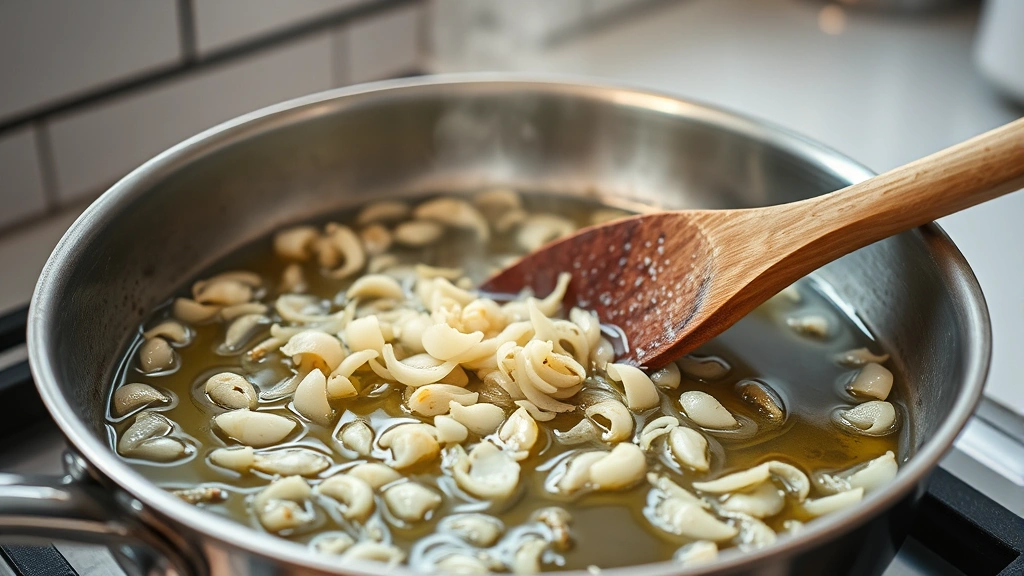
- Heat olive oil in a large saucepan over medium heat. Once shimmering, add the diced onion and cook for about 5 minutes, stirring occasionally, until the onion becomes translucent and fragrant.
- Add minced garlic to the pan and cook for another minute, stirring constantly to prevent burning. You’ll know it’s ready when the kitchen smells absolutely amazing.
- Pour in both cans of crushed tomatoes along with all their juice. Stir well to combine with the aromatics.
- Add dried basil, oregano, and red pepper flakes to the pan. Stir everything together and bring to a gentle simmer.
- Reduce heat to low and let the sauce simmer uncovered for 15-20 minutes, stirring occasionally. The longer it simmers, the more the flavors will develop and meld together.
- Taste the sauce and adjust seasoning as needed. Add salt and pepper to your preference. If the sauce tastes too acidic, stir in the sugar and let it simmer for another minute.
- Remove from heat and stir in fresh basil leaves, reserving some for garnish if desired.
- Serve hot over pasta, in soup, or as a base for other dishes. Top with grated Parmigiano-Reggiano cheese and a crack of fresh black pepper.
Pro Tips
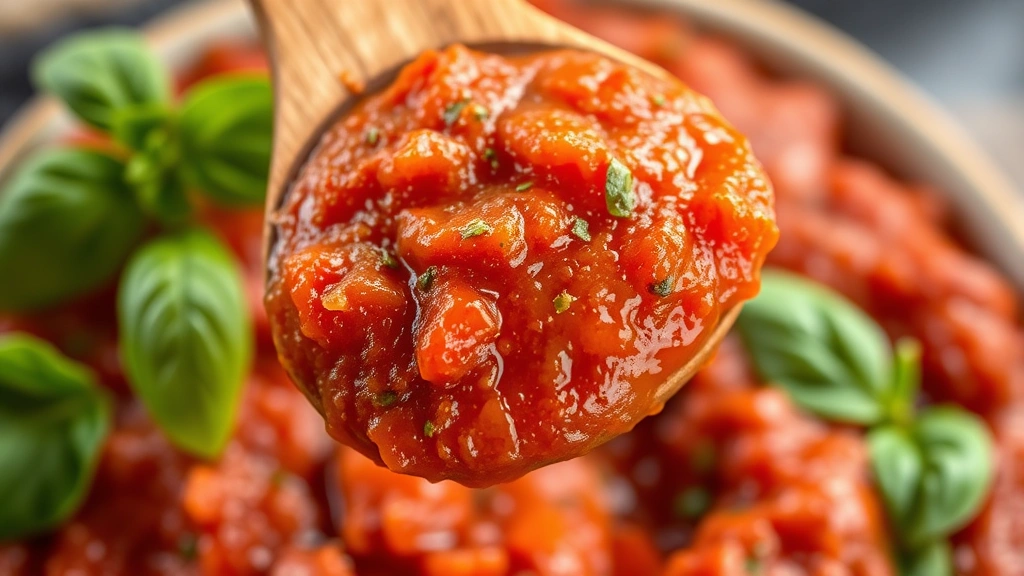
This basic canned tomato sauce is incredibly versatile and serves as the foundation for countless meals. Once you master this simple version, you can customize it endlessly based on what you’re in the mood for.
For a creamier sauce, stir in a splash of heavy cream or whole milk at the end of cooking. This works beautifully for pasta dishes and creates a luxurious mouthfeel. Alternatively, if you prefer a chunkier texture, use one can of crushed tomatoes and one can of whole peeled tomatoes, breaking the whole ones apart with a wooden spoon as they cook.
If you want to add protein to this sauce, ground beef, Italian sausage, or ground turkey can be browned first, then the onions are cooked in the rendered fat. This creates a richer, more substantial sauce perfect for hearty pasta or serving over polenta.
The red pepper flakes can be adjusted to your heat preference. If you like things mild, use just a pinch or omit entirely. For those who love spice, feel free to increase the amount or add a dash of hot sauce at the end.
Fresh herbs make a tremendous difference in the final dish. While dried herbs work perfectly fine for cooking into the sauce, fresh basil added at the end provides brightness and a flavor boost that really elevates everything. Fresh oregano, thyme, or parsley are excellent additions too.
Make this sauce in bulk and freeze it in portions. It’s perfect for busy weeknights when you need dinner on the table quickly. Thaw overnight in the refrigerator and reheat gently on the stovetop while your pasta cooks.
Storage is simple: keep leftovers in an airtight container in the refrigerator for up to four days, or freeze for up to three months. The flavors actually continue to develop in the refrigerator, making day-old sauce often even more delicious than the day you made it.