

Carnivore recipes are taking the health and wellness world by storm, and for good reason. If you’re looking to simplify your meals while maximizing nutrition, these 15 easy carnivore-friendly dishes are exactly what you need to succeed on this meat-focused lifestyle.
The beauty of carnivore eating lies in its simplicity. No complicated ingredient lists, no endless meal prep sessions, and no guessing whether something fits your macros. You’re working with nature’s most nutrient-dense foods: quality proteins, healthy fats, and the occasional organ meat for micronutrient density. It’s refreshingly straightforward.
Jump To Section
When I first started exploring carnivore recipes, I was amazed at how satisfying yet uncomplicated the meals could be. A perfectly seared steak, buttery salmon, or juicy ground beef preparation became more than just food—it became a way to nourish my body with intention. The elimination of processed ingredients meant I could actually taste the quality of what I was eating.
Why This Recipe Collection Works
These carnivore recipes aren’t about restriction or deprivation. Instead, they celebrate the incredible flavors and textures you can achieve with quality meat, eggs, and dairy. From quick weeknight dinners to impressive meals that feel restaurant-worthy, there’s something here for every occasion and skill level.
What makes this collection special is the variety while staying true to carnivore principles. You’ll discover that grilled burger recipes can be elevated with simple techniques, and protein-packed mains don’t have to be boring. Additionally, many of these dishes come together in 30 minutes or less, making them perfect for busy schedules.
The carnivore approach emphasizes nutrient density over calorie counting. When you’re eating nose-to-tail and selecting quality sources, your body gets complete amino acid profiles, essential fatty acids, and bioavailable micronutrients that processed foods simply can’t match.
Getting Started with Carnivore Cooking
Before diving into these recipes, it helps to understand what defines carnivore eating. At its core, you’re focusing on animal products: beef, pork, lamb, poultry, fish, eggs, and quality dairy like butter and cheese. Some people include salt and spices, while others keep it even more minimal—the beauty is you can customize it to your preferences.
The recipes ahead showcase how flexible carnivore cooking can be. Whether you want to try ground beef taco meat for a fun twist or stick with classic preparations, you’ll find options that keep meals exciting. For instance, incorporating different cooking methods—grilling, pan-searing, slow-cooking, and roasting—transforms the same basic ingredients into completely different experiences.
Many people are surprised to learn that carnivore recipes can include cheese-based dishes like steak quesadillas or even shrimp quesadillas for those who include dairy. This flexibility means you’re not stuck eating the same meal day after day.
Ingredient Tips & Quality Matters
The foundation of excellent carnivore recipes is sourcing quality animal products. Grass-fed beef, wild-caught fish, and pasture-raised pork aren’t just marketing buzzwords—they genuinely offer superior nutrition and flavor profiles compared to conventional options.
When shopping, look for meat with good marbling—those white lines of fat running through the muscle. Fat is your friend in carnivore cooking; it provides satiety, flavor, and essential fat-soluble vitamins. Don’t trim it away or choose the leanest cuts available. Meanwhile, organ meats like liver, kidney, and heart offer concentrated micronutrients that make them nutritional powerhouses worth including occasionally.
Salt is typically allowed and encouraged in most carnivore approaches, as it helps with electrolyte balance and makes food taste incredible. Spices can vary depending on your personal interpretation—some people keep it completely plain, while others enjoy garlic powder, black pepper, and other seasonings to add complexity.
Cooking Techniques That Elevate Simple Ingredients
The magic of carnivore recipes happens when you master a few fundamental cooking techniques. High-heat searing creates a beautiful crust through the Maillard reaction, developing deep, complex flavors that make your mouth water.
Reverse searing is a game-changer for thick cuts of steak. You slowly bring the meat to target temperature in a low oven, then finish it with a quick sear in a screaming-hot pan for that gorgeous crust. This method gives you perfect doneness edge-to-edge, unlike traditional high-heat searing where the outside cooks before the inside reaches your preferred temperature.
For tougher cuts, low-and-slow cooking methods work wonders. A slow cooker or Dutch oven transforms shoulder cuts into tender, fall-apart perfection over several hours. Meanwhile, ground meat dishes come together quickly—perfect for those nights when you need dinner on the table fast.
Serving Suggestions & Making Meals Complete
While carnivore recipes focus on meat as the star, there are creative ways to round out your plate. Bone broth adds savory depth and collagen for joint health. Rendered animal fat like ghee or tallow can be used for cooking or adding richness to finished dishes.
For those who include dairy, quality butter, ghee, and aged cheeses pair beautifully with beef and pork preparations. Eggs—whether soft-boiled, fried in butter, or incorporated into a creamy sauce—add textural variety and additional protein.
Plating matters too, even for simple carnivore meals. A beautifully seared steak arranged on a plate with a pat of herb butter melting on top looks and tastes luxurious. Taking a moment to present your food intentionally transforms everyday eating into something more mindful and enjoyable.
If you’re exploring complementary sides, some people enjoy simple preparations like spicy cucumber salad or Mexican corn salad on occasion, though strict carnivore typically avoids plant foods entirely.
Storage, Meal Prep & Making It Sustainable
One advantage of carnivore recipes is how well they store. Cooked ground beef keeps beautifully in the refrigerator for 3-4 days and can be reheated quickly for fast meals throughout the week. Steaks and roasts also reheat well—just bring them back to room temperature and gently warm in a low oven to prevent overcooking.
Batch cooking is your friend here. Preparing a large tray of ground beef seasoned simply, or slow-cooking a big chuck roast on Sunday, gives you protein-rich components ready to transform into different meals. You could have seasoned ground beef as taco meat one night, mixed with butter and herbs the next, and crumbled into eggs the morning after.
Freezing works wonderfully for carnivore proteins. Vacuum-sealed steaks, ground meat portions, and even cooked preparations freeze for several months without quality loss. This means you can buy quality meat on sale and build a well-stocked freezer for budget-friendly eating year-round.
For more detailed cooking guidance on specific proteins, check out resources like Serious Eats for technique breakdowns, or Bon Appétit for inspiration on flavor combinations. New York Times Cooking also offers excellent foundational meat preparation guides.
The journey into carnivore recipes is deeply personal. Some people thrive with strict elimination, while others find their sweet spot includes dairy or occasional organ meats. Listen to your body, experiment with different preparations, and discover which meals make you feel most energized and satisfied. That’s the real magic of this approach—it meets you where you are and evolves as your preferences and needs change.
Ingredients
- 2 lbs grass-fed ground beef
- 4 tablespoons grass-fed butter
- 2 teaspoons sea salt
- 1 teaspoon black pepper
- 4 large eggs
- 8 oz grass-fed beef liver, thinly sliced
- 6 oz wild-caught salmon fillet
- 1 lb pasture-raised pork chops
- 3 cups bone broth
- 2 tablespoons ghee
- 1 teaspoon garlic powder
- 8 oz grass-fed ribeye steak
- 4 oz uncured bacon
- 1 lb lamb shoulder, cubed
- 2 tablespoons rendered tallow
Instructions
- Start by patting your ground beef dry with paper towels, which helps achieve better browning when searing.
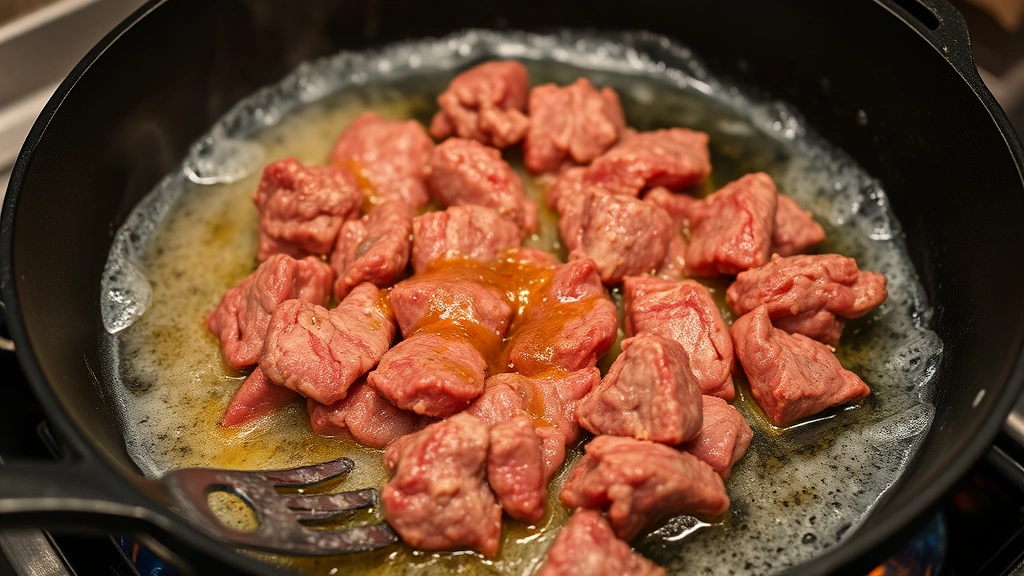
- Heat a large cast-iron skillet over medium-high heat and add one tablespoon of butter.
- Once the butter is foaming, add the ground beef in a single layer and resist the urge to stir for the first 3-4 minutes to build a flavorful crust.
- Break up the beef with a wooden spoon and continue cooking until no pink remains, approximately 6-8 minutes total.
- Season generously with sea salt and black pepper, then transfer to a plate.
- In the same skillet, add another tablespoon of butter and cook the thinly sliced beef liver for 2-3 minutes per side until just cooked through but still tender.
- Season the liver with salt and pepper, then set aside.
- Pat the salmon fillet dry and place skin-side down in the skillet with ghee, cooking for 4-5 minutes until the skin crisps, then flip and cook another 2-3 minutes.
- Remove salmon and season with salt.
- Add the pork chops to the skillet and sear for 5-6 minutes per side until golden and cooked through to 145°F internal temperature.
- In a separate pot, gently warm the bone broth with a splash of rendered tallow for richness.
- Season the pork with salt and pepper.
- For the lamb, cube it into 1-inch pieces and sear in rendered tallow in batches, about 4 minutes per side for medium doneness.
- Season all lamb pieces with salt, pepper, and garlic powder.
- Fry the bacon in a separate skillet until crispy, about 8-10 minutes, then chop and reserve.
- Prepare eggs by frying them in the bacon fat until the whites are set but yolks remain runny, approximately 3-4 minutes.
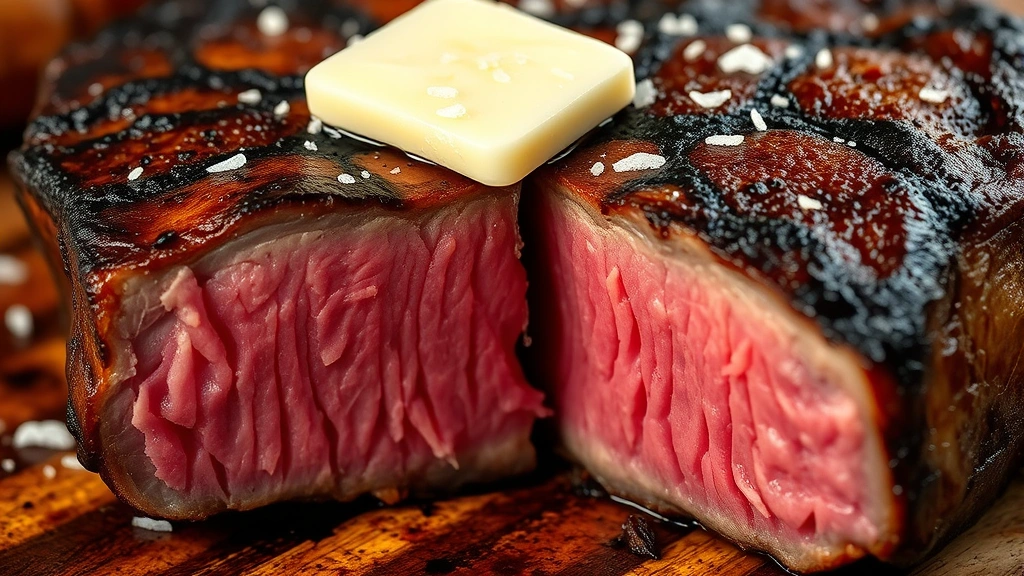
- Sear the ribeye steak in a hot cast-iron skillet with butter for 4 minutes per side for medium-rare, then rest for 5 minutes.
- Top the steak with a generous pat of grass-fed butter and sprinkle with fleur de sel.
- Arrange all prepared proteins on plates with your choice of bone broth as a sauce or simply enjoy each element on its own.
Pro Tips
These carnivore recipes showcase the versatility of meat-based cooking. The key to success is using quality ingredients and not overcooking them. Ground beef benefits from high heat and quick searing for browning without drying out the meat.
For substitutions, any grass-fed beef cut works in place of the ground beef—try a chuck roast for slow cooking, or ribeye for pan-searing. If you prefer poultry, chicken thighs and duck breast are excellent carnivore options with beautiful fat content that keeps them juicy. However, avoid chicken breast as it’s too lean and dries out easily.
Organ meats are incredibly nutritious additions to these recipes. Beef liver provides iron, vitamin A, and B vitamins in concentrated amounts. If the flavor is too intense initially, try mixing it with ground beef in a 1:4 ratio to build tolerance gradually. Meanwhile, kidney and heart are milder options some people find more approachable.
Fish selection matters for carnivore recipes too. Fatty fish like salmon, mackerel, and sardines provide omega-3 fatty acids and vitamin D. Wild-caught varieties have better nutrient profiles than farmed options, though both work in a pinch. Additionally, shellfish like shrimp and oysters are carnivore-friendly protein sources with unique flavor profiles.
For cooking fats, grass-fed butter, ghee, and rendered tallow are your best choices. These fats have high smoke points suitable for searing and contain fat-soluble vitamins. Avoid seed oils entirely as they’re inflammatory and incompatible with carnivore principles.
Storage is straightforward—keep cooked proteins in airtight containers in the refrigerator for 3-4 days. Ground beef preparations last slightly less time than whole cuts. Freezing extends shelf life to 2-3 months. Always thaw in the refrigerator overnight rather than at room temperature to prevent bacterial growth.
For seasoning variations, experiment with salt, pepper, and garlic powder as your base. Some people add smoked paprika or herbs like rosemary and thyme, while others maintain strict simplicity. The wonderful thing about carnivore recipes is you discover what your body and palate prefer through experimentation.
Reheating is best done gently to preserve texture and juiciness. Use low oven heat around 250°F rather than microwaving, which can dry out meat. Ground beef can be reheated quickly in a skillet over medium heat with a pat of butter for moisture.