

Cassava recipes are absolutely game-changing once you discover how versatile this humble root vegetable truly is. Whether you’re looking to expand your cooking repertoire or you simply want to try something new, cassava offers endless possibilities that’ll have your family asking for seconds.
I first fell in love with cassava while traveling through Latin America, where locals showed me that this starchy root could be transformed into everything from crispy fries to soft, pillowy dumplings. What struck me most was how adaptable it is—it takes on flavors beautifully and works in both savory and sweet applications. Since then, I’ve been obsessed with finding new ways to incorporate it into my kitchen routine.
Jump To Section
The best part? Cassava is naturally gluten-free, packed with nutrients, and incredibly affordable. Plus, it has a mild, slightly sweet flavor that appeals to virtually everyone at the dinner table. If you’ve been intimidated by this ingredient, I promise you’re about to discover why it deserves a permanent spot in your pantry.
Why Cassava Recipes Are Worth Your Time
Cassava has been a staple food in Africa, South America, and Asia for centuries, and for good reason. This root vegetable is hearty, filling, and works beautifully in soups, stews, and side dishes. Additionally, it’s becoming increasingly popular in health-conscious cooking circles because of its impressive nutritional profile and natural gluten-free status.
What makes cassava recipes so special is their ability to satisfy without being overly heavy. You can fry it until it’s golden and crispy, boil it until it’s tender, or even blend it into flour for baking. The versatility is honestly remarkable, and once you start experimenting, you’ll understand why so many cultures rely on this ingredient.
For instance, cassava can be your secret weapon for creating restaurant-quality meals at home. Whether you’re preparing a best vegetable beef soup recipe or experimenting with cassava fries, this ingredient elevates everything it touches. The texture becomes wonderfully creamy when cooked properly, and the subtle flavor pairs gorgeously with bold spices and fresh herbs.
Ingredient Tips & Substitutions
Fresh cassava root is your best bet if you can find it at Latin markets or specialty grocery stores. Look for firm, unblemished roots without any soft spots or mold. However, frozen cassava is equally wonderful and often more convenient since it’s already peeled and ready to use.
You’ll also find cassava flour, cassava starch, and even cassava chips in most supermarkets nowadays. Each form works beautifully for different applications. Cassava flour is perfect for baking, while the starch works wonders as a thickening agent in soups and sauces. For frying or boiling, fresh or frozen chunks are your friends.
If you can’t locate cassava, you can substitute it with potatoes in most savory recipes, though you’ll miss out on that unique flavor. Similarly, sweet potato gnocchi recipe techniques work beautifully with cassava for making dumplings. The key is understanding that cassava is slightly firmer and denser than potatoes, so adjust your cooking times accordingly.
Meanwhile, for cassava flour baking projects, you might need to combine it with other gluten-free flours to achieve the best texture. I’ve had tremendous success mixing cassava flour with almond flour and tapioca starch for cookies and quick breads that have the perfect crumb.
Preparing Cassava Like a Pro
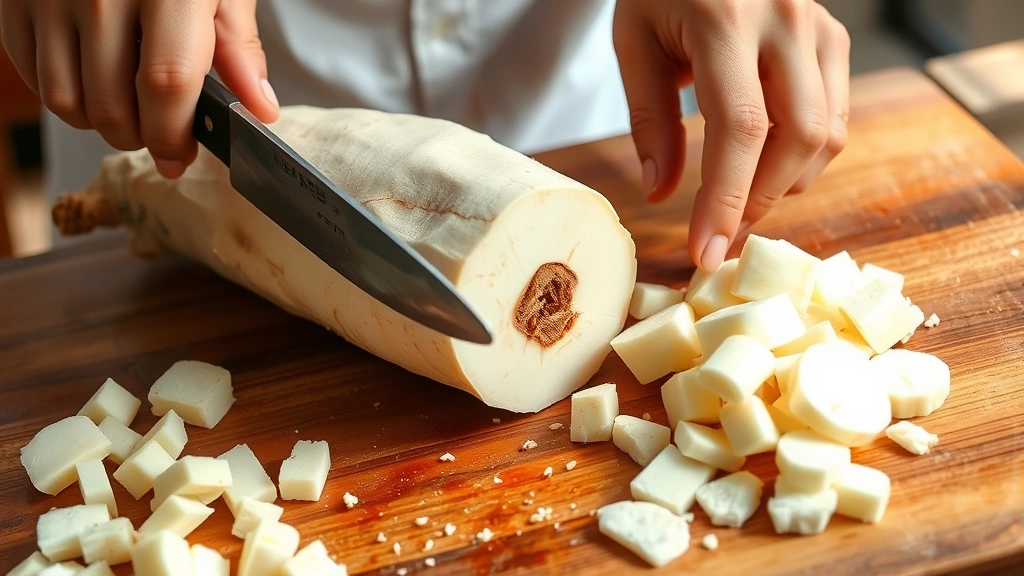
Raw cassava preparation is straightforward but requires attention to detail. Start by washing your cassava root under cool running water to remove any dirt. Then, using a sharp knife or vegetable peeler, carefully remove the thick, waxy brown skin. This step is crucial because the skin is fibrous and not enjoyable to eat.
Once peeled, you’ll notice a thin, pink or purple layer just beneath the brown skin. Peel that away too with a vegetable peeler or sharp knife. Then, slice the white flesh into chunks and look for a thin, tough fiber running through the center. Remove that woody core by cutting it out or slicing the cassava into planks and cutting around it.
The beauty of frozen cassava is that it skips these prep steps entirely. You can go straight to cooking, which makes weeknight dinners infinitely easier. However, if you do work with fresh cassava, don’t let the preparation intimidate you—it becomes second nature after your first attempt.
Serving Suggestions & Pairings
Cassava shines brightest when paired with bold flavors and vibrant vegetables. Think about serving cassava fries alongside grilled chicken with chimichurri sauce, or tossing boiled cassava chunks into a perfect mushroom soup recipe for added heartiness. The mild flavor means cassava plays beautifully with anything from Asian stir-fries to Caribbean curries.
For a more elegant presentation, consider making cassava gnocchi or dumplings using techniques similar to perfect ravioli pasta dough recipe methods. Serve them with a brown butter sage sauce or a simple tomato ragù for an impressive dinner party dish that’ll have guests asking for the recipe.
You can also incorporate cassava into grain bowls, add it to stews for extra substance, or even puree it into creamy side dishes. The key is thinking of cassava as a blank canvas that’s ready to absorb whatever flavors you’re working with.
Storage & Make-Ahead Tips
Fresh cassava root keeps well in your pantry or cool, dark place for up to a week. However, once you peel it, you should use it within a day or two. Store peeled cassava in an airtight container in the refrigerator to prevent discoloration and keep it fresh.
Cooked cassava freezes beautifully for up to three months. Whether you’ve boiled, fried, or baked it, simply let it cool completely, then transfer to freezer bags, removing as much air as possible. When you’re ready to use it, you can reheat it gently in the oven or on the stovetop without any significant quality loss.
I love preparing cassava recipes in batches when I have time. Make a big pot of boiled cassava on Sunday, then use it throughout the week in different dishes. This approach saves time on busy weeknights and makes healthy eating feel effortless. Additionally, cassava flour and starch have indefinite shelf lives when stored in cool, dry conditions, making them perfect pantry staples.
For cassava-based soups and stews, they actually taste better the next day after flavors have had time to meld together. Store them in glass containers in the refrigerator for up to five days, or freeze for up to three months. The starch in cassava makes these dishes naturally creamy and satisfying, even when reheated multiple times.
Whether you’re a cassava novice or someone who cooks with it regularly, these cassava recipes will transform the way you think about this incredible ingredient. From crispy sides to creamy mains, you’re about to unlock a whole new world of delicious possibilities. Happy cooking, and enjoy discovering why cultures worldwide have treasured cassava for generations!
Ingredients
- 2 pounds fresh cassava root, peeled and cut into 2-inch chunks
- 6 cups vegetable or chicken broth
- 1 large onion, diced
- 4 cloves garlic, minced
- 2 tablespoons olive oil
- 1 teaspoon ground cumin
- 1 teaspoon smoked paprika
- Salt and black pepper to taste
- Fresh cilantro for garnish
- Lime wedges for serving
- 2 bay leaves
- 1 red bell pepper, diced
Instructions
- Heat olive oil in a large pot over medium-high heat. Once shimmering, add diced onion and sauté for 3-4 minutes until softened and fragrant.
- Stir in minced garlic, ground cumin, and smoked paprika, cooking for about 1 minute until the spices become aromatic.
- Add the cassava chunks to the pot and stir to coat with the oil and spices.
- Pour in the broth and add bay leaves. Bring everything to a boil, then reduce heat to medium and simmer for 15-18 minutes.
- Add the diced red bell pepper and continue simmering for another 5-7 minutes until cassava is completely tender and easily pierced with a fork.
- Taste and adjust seasoning with salt and black pepper as needed. Remove bay leaves.
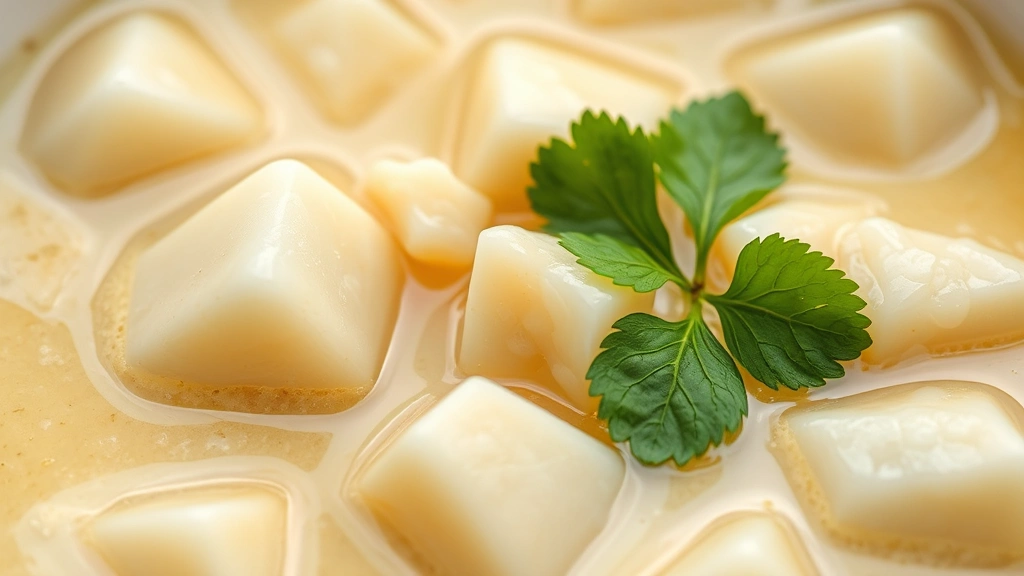
- Serve hot in bowls, garnished with fresh cilantro and a squeeze of lime juice for brightness.
Pro Tips
This basic cassava recipe serves as an excellent foundation for countless variations. The beauty of this dish is its flexibility—you can add protein like shredded chicken, beans, or fish to make it more substantial. Meanwhile, if you prefer a creamier texture, blend half the soup until smooth before serving for a velvety consistency that’s absolutely divine.
For a vegetarian version, simply use vegetable broth instead of chicken broth, and the dish becomes completely plant-based. Additionally, you can swap the red bell pepper for other vegetables like carrots, zucchini, or spinach based on what you have available. The cassava is forgiving and works beautifully with virtually any vegetable combination.
If you’re using frozen cassava instead of fresh, skip the peeling step and add it directly to the pot. However, reduce the simmering time by about 5 minutes since frozen cassava cooks faster than fresh. The results are equally delicious, and frozen cassava is honestly a lifesaver on busy weeknights when you want homemade comfort food without the prep work.
Storage is incredibly convenient with this recipe. Cassava soup keeps in the refrigerator for up to five days in an airtight container, and it freezes beautifully for up to three months. The starch in cassava actually makes the soup more flavorful after sitting overnight as the flavors continue to meld together. Simply reheat gently on the stovetop, adding a splash of broth if the soup has thickened too much during storage.
For serving suggestions, this cassava recipe pairs wonderfully with crusty bread for dipping, or serve it over rice for a heartier meal. A simple green salad alongside provides nice contrast to the warm, comforting soup. You can also drizzle with high-quality olive oil and add a sprinkle of crispy bacon for extra flavor and texture if desired.
Finally, don’t be afraid to experiment with different spice blends. Latin-inspired variations work beautifully with cilantro and lime, while Asian-inspired versions benefit from ginger, garlic, and a splash of coconut milk. The neutral flavor of cassava is your secret weapon for creating globally-inspired dishes right in your own kitchen.