

Making cat food recipes at home is one of the most loving things you can do for your feline friend. While commercial pet foods have their place, homemade meals give you complete control over what goes into your cat’s bowl—no mysterious fillers, no questionable preservatives, just real ingredients that nourish your kitty from the inside out.
I started researching homemade cat nutrition after my own tabby, Whiskers, developed sensitivities to store-bought options. What began as a desperate search turned into a passion for understanding feline dietary needs. The difference I saw in her energy, coat quality, and overall wellness was remarkable. That’s when I realized how many cat parents feel the same way—they want better for their beloved companions but aren’t sure where to start.
Jump To Section
Why This Recipe Works
Cats are obligate carnivores, meaning they require meat to thrive. Unlike dogs, they need specific amino acids like taurine that come primarily from animal protein. These homemade cat food recipes are built on this fundamental truth, featuring real meat as the star ingredient rather than a supporting player.
The beauty of cooking for your cat is that you can adjust portions and ingredients based on their individual preferences and health needs. Whether your feline prefers chicken, turkey, or fish, these recipes are flexible enough to accommodate any taste. Plus, you’ll know exactly what your cat is eating—no mystery meat by-products or artificial additives.
Additionally, homemade meals often cost less than premium commercial brands when you buy proteins on sale and prepare in batches. You’re investing in quality nutrition while being mindful of your budget. It’s a win-win that benefits both your cat’s health and your household finances.
Essential Ingredients & Nutritional Balance
Creating balanced cat food recipes requires understanding which nutrients your cat truly needs. The foundation starts with high-quality protein sources like chicken breast, turkey, or fish—aim for 40-50% protein content in homemade meals. However, protein alone isn’t enough; you’ll also need to incorporate essential vitamins, minerals, and yes, even some carbohydrates in moderation.
Taurine is absolutely non-negotiable in feline nutrition. This amino acid supports heart function, vision, and immune health. While some proteins contain natural taurine, many vets recommend adding a taurine supplement to homemade recipes to ensure adequate levels. It’s inexpensive, easy to source online, and gives you peace of mind that your cat is getting everything they need.
For instance, adding organ meats like liver provides vitamins A and B12, while including a small amount of vegetables like pumpkin or carrots adds fiber and micronutrients. Fish oil supplements contribute omega-3 fatty acids that support skin and coat health. The key is balance—these recipes shouldn’t be all-protein any more than they should be all-vegetables.
Preparation & Safety Guidelines
When preparing cat food recipes, food safety becomes paramount. Always use fresh ingredients from reputable sources, and handle meat with the same care you’d use for your own food. Wash your hands, clean surfaces, and keep raw meat separate from other foods to prevent bacterial contamination.
Cooking methods matter too. Boiling or baking meat is preferable to frying, which adds unnecessary fats. Meanwhile, always remove bones completely—cooked bones can splinter and cause serious digestive issues. Raw chicken bones are sometimes tolerated by cats, but cooked bones are a strict no-go. When in doubt, err on the side of caution.
Temperature control during storage is critical. Homemade cat meals should be refrigerated in airtight containers for no more than 3-4 days, or frozen for up to three months. Thaw frozen portions in the refrigerator overnight rather than at room temperature to minimize bacterial growth. Your cat’s digestive system is sensitive, and proper storage practices help prevent foodborne illness.
Ingredient Tips & Substitutions
The beauty of making your own cat food recipes is the flexibility to work with what you have on hand. If your cat prefers white meat, chicken breast works beautifully. If they’re a seafood enthusiast, wild-caught salmon or mackerel provides excellent nutrition alongside that satisfying flavor profile.
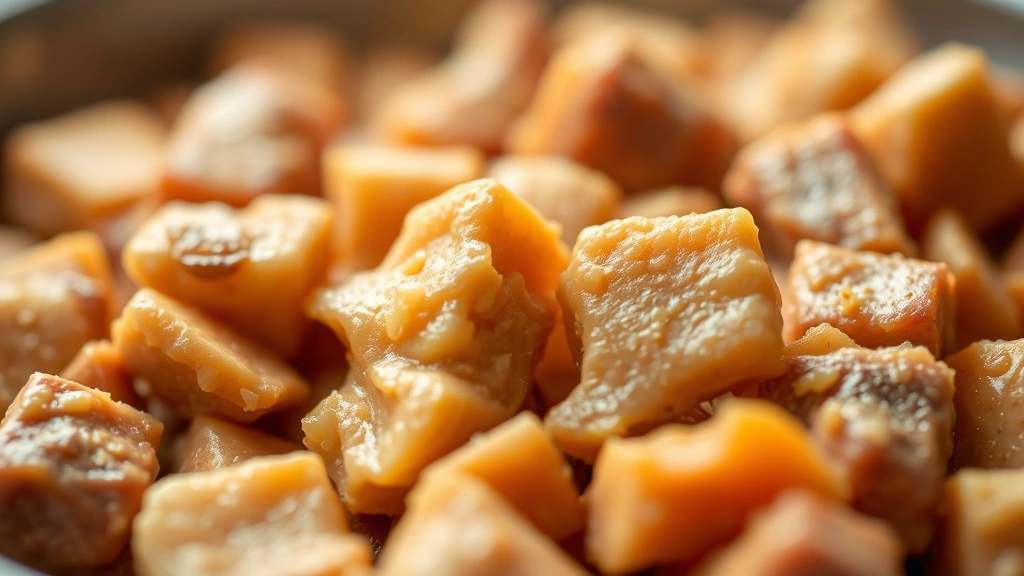
Ground meat is easier to portion and serve than chunks, especially for senior cats or those with dental issues. However, some cats enjoy the texture and engagement of small meat pieces. Pay attention to your individual cat’s preferences—after all, they’re the ones who have to eat it! Additionally, rotating between different protein sources keeps meals interesting and ensures a broader spectrum of nutrients.
For vegetables, stick to cat-safe options like pumpkin puree, sweet potato, or a tiny amount of steamed broccoli. Avoid onions, garlic, and anything from the allium family, which are toxic to cats. Carrots should be cooked and finely chopped to prevent choking hazards.
Serving Suggestions & Transition Tips
Introducing homemade cat food recipes to your cat requires patience and strategy. Start by mixing small amounts of the new food with their current diet, gradually increasing the ratio over 7-10 days. This slow transition prevents digestive upset and gives your cat time to adjust to new flavors and textures.
Serve meals at room temperature or slightly warmed—straight from the refrigerator can be unappetizing to cats. Some cats enjoy their food slightly warmed to enhance aroma and palatability. However, never microwave in plastic containers, and always test the temperature with your finger before serving to prevent mouth burns.
Portion sizes depend on your cat’s age, weight, and activity level, but generally, adult cats need about 200 calories daily. A typical serving might be 1/4 to 1/2 cup of prepared food, split into two meals. Work with your veterinarian to determine the right amount for your individual cat’s needs.
Storage & Long-Term Planning
Planning ahead makes feeding homemade cat food recipes sustainable and stress-free. Batch cooking on weekends gives you ready-to-serve portions throughout the week. Divide prepared food into ice cube trays for perfectly portioned servings, then transfer frozen cubes to labeled freezer bags for easy identification.
Label everything with the date and contents—future you will be grateful! This system also allows you to rotate flavors throughout the month, keeping your cat interested in mealtime. Furthermore, batch cooking takes just slightly more time than preparing a single serving, making it an efficient use of your cooking efforts.
Consult with a feline nutritionist or your veterinarian to ensure your homemade recipes meet AAFCO (Association of American Feed Control Officials) standards. Many vets can provide guidance on supplementation and nutritional balance. This professional input is invaluable, especially when starting your homemade feeding journey.
Making homemade cat food recipes is an expression of love for your feline companion. It requires a bit more effort than opening a can, but the rewards—a healthier cat, fewer digestive issues, and the satisfaction of knowing exactly what your kitty is eating—make every moment worthwhile. Your cat will thank you with more purrs, better energy, and years of vibrant health.
Ingredients
- 1.5 lbs ground chicken breast or turkey, unseasoned
- 1/4 cup chicken liver, finely diced
- 1/2 cup pumpkin puree (canned or fresh, not pie filling)
- 2 tablespoons fish oil supplement or salmon oil
- 1 teaspoon taurine powder
- 1/2 cup low-sodium chicken broth (no onions or garlic)
- 1/4 teaspoon feline vitamin supplement (as recommended by your vet)
- 1 tablespoon cooked sweet potato, finely mashed
Instructions
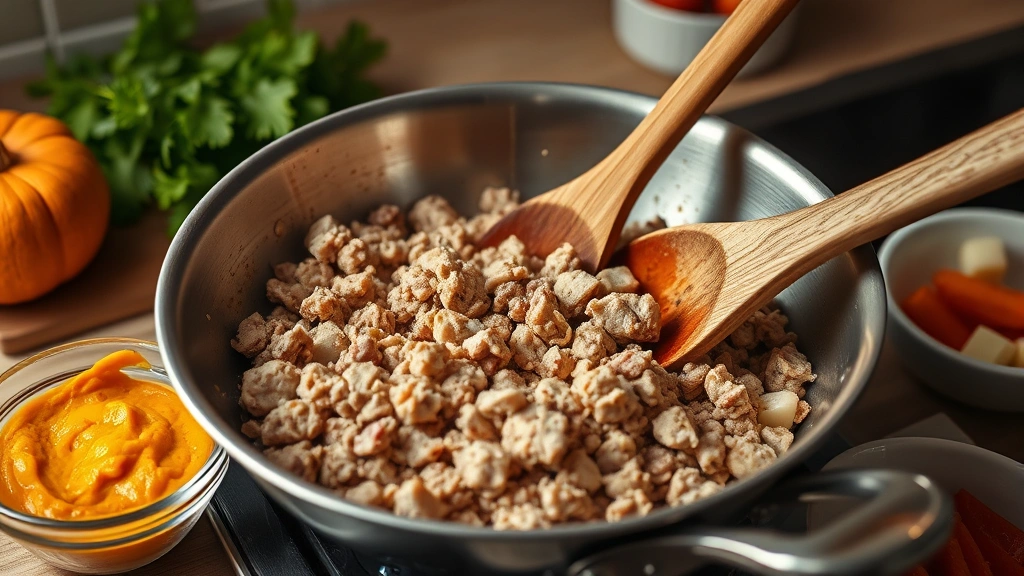
- In a large skillet, cook the ground chicken and liver over medium heat, breaking it apart with a spoon as it cooks. This should take about 12-15 minutes until the meat is completely cooked through with no pink remaining.
- Drain any excess fat from the skillet carefully—you want to remove liquid fat but keep the meat moist. If there’s a significant amount of grease, use a paper towel to blot it gently.
- Add the pumpkin puree to the cooked meat and stir well, mixing until evenly distributed throughout. The pumpkin adds fiber, moisture, and nutritional value while improving digestibility.
- Pour in the chicken broth slowly while stirring, achieving a slightly moist but not soupy consistency. This moisture is crucial for cats’ hydration, as they don’t naturally drink as much water as they should.
- Remove from heat and let cool to room temperature, about 10 minutes. Meanwhile, prepare your storage containers.
- Once cooled, stir in the fish oil, taurine powder, vitamin supplement, and mashed sweet potato. Mix thoroughly, ensuring supplements are evenly distributed so each serving contains adequate nutrition.
- Divide the mixture into ice cube trays or small storage containers. If using ice cube trays, freeze until solid, then transfer cubes to labeled freezer bags for convenient portioning.
- For immediate serving, portion about 1/4 to 1/2 cup into a serving dish and gently warm if desired. Always let your cat’s meal reach room temperature before serving to prevent mouth irritation.
Pro Tips
These homemade cat food recipes are designed to be nutritionally complete, but it’s essential to consult with your veterinarian before making permanent dietary changes. Every cat has unique nutritional needs based on age, health status, and activity level. Your vet can recommend specific supplements and adjustments tailored to your individual feline’s requirements.
Substitution options abound with this recipe. If your cat prefers fish, substitute the chicken and liver with salmon or mackerel—aim for about 1.5 lbs of primary protein and 1/4 cup of liver. Alternatively, turkey provides a leaner option that some cats find more digestible. The ratio of protein to supplementary ingredients should remain consistent regardless of which meat you choose.
For cats with specific health concerns, modifications are possible. Senior cats or those with dental issues may benefit from slightly more pumpkin for easier digestion and softer texture. Cats prone to urinary issues might benefit from added moisture and specific mineral balancing—discuss this with your vet before adjusting recipes.
Storage is straightforward once you establish a system. Frozen portions keep for up to three months, while refrigerated meals last 3-4 days maximum. Always thaw in the refrigerator overnight rather than at room temperature. This practice prevents bacterial proliferation and ensures food safety for your precious pet.
Additionally, consider rotating proteins monthly to provide nutritional variety and prevent food sensitivities from developing. One month of chicken, the next month of turkey, and perhaps fish the third month keeps meals interesting while ensuring diverse nutrient intake. However, introduce new proteins gradually using the 7-10 day transition method.
Watch your cat’s response to the new diet carefully. Healthy signs include consistent energy levels, a shiny coat, regular bowel movements, and maintained weight. If you notice digestive upset, changes in appetite, or other concerns, consult your veterinarian immediately. They can help troubleshoot and adjust recipes as needed.
Finally, remember that homemade feeding is a commitment but an incredibly rewarding one. Your cat’s improved health and vitality will make every batch-cooking session worthwhile. This investment in your feline’s nutrition is an investment in their longevity and quality of life.