
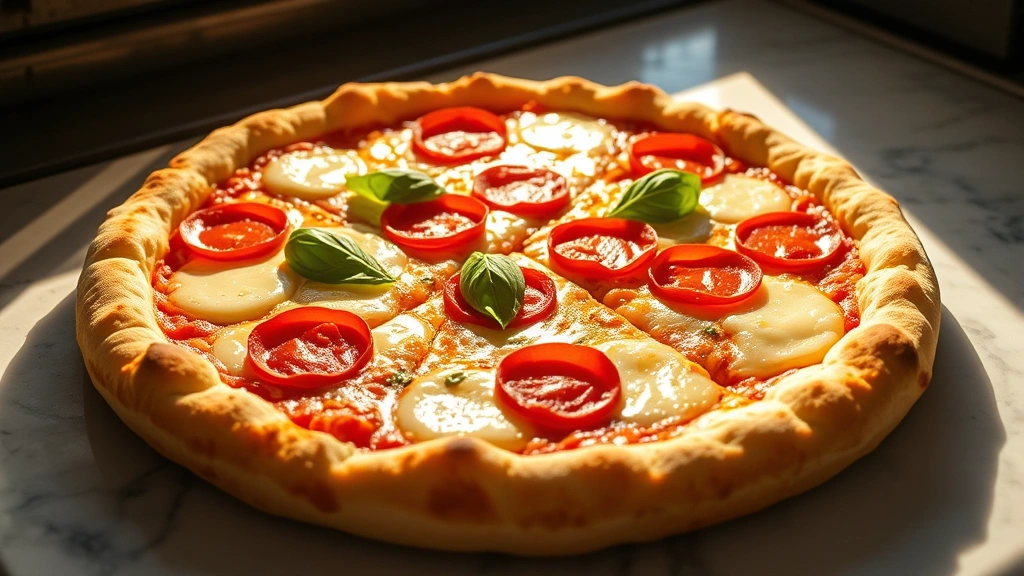
This cauliflower crust pizza recipe is an absolute game-changer for anyone looking to enjoy their favorite comfort food without the carb overload. I discovered this gem years ago when I was exploring healthier alternatives to traditional pizza, and honestly, I’ve never looked back. The crust comes out crispy, golden, and absolutely delicious—your guests won’t even realize it’s made from cauliflower.
What makes this recipe so special is how it transforms humble cauliflower into something that tastes nothing like vegetables. The secret lies in properly drying out the cauliflower rice and using just the right ratio of binders to create structure. You’ll end up with a crust that holds up to all your favorite toppings, whether you prefer classic pepperoni or creative veggie combinations.
Jump To Section
Why This Recipe Works
I’ve tested countless cauliflower crust recipes, and this one stands out for its simplicity and reliability. The technique involves ricing fresh cauliflower, squeezing out excess moisture, and mixing it with eggs, cheese, and seasonings to create a sturdy base. The magic happens in the oven when the crust bakes at high heat, creating those golden, crispy edges you’re craving.
Additionally, this low-carb pizza option is perfect for keto diets, paleo lifestyles, or anyone simply trying to eat more vegetables. One slice contains a fraction of the carbs found in traditional pizza, yet delivers all the satisfaction. Meanwhile, the nutritional profile improves significantly—you’re getting fiber, vitamins, and minerals from the cauliflower instead of refined flour.
The beauty of this approach is that you control every ingredient. No preservatives, no mysterious additives—just real food that tastes incredible. For instance, if you source organic cauliflower and quality mozzarella, your pizza becomes a genuinely wholesome meal that doesn’t compromise on taste.
Ingredient Tips & Substitutions
Start with a fresh head of cauliflower—avoid frozen varieties for this recipe, as they contain too much water. When you rice it, aim for fine, evenly-sized pieces that will cook uniformly. The key step that many people skip is the drying phase: spread your riced cauliflower on a kitchen towel and squeeze firmly to remove as much moisture as possible.
For the binders, I use a combination of eggs and cheese. The eggs help hold everything together, while the cheese adds flavor and aids in browning. If you’re dairy-free, you can substitute the mozzarella with a dairy-free alternative, though you may need an extra egg for binding. However, I’ve found that full-fat dairy cheese produces the crispiest, most delicious crust.
Seasoning is where you can get creative. I use Italian seasoning, garlic powder, and a pinch of salt, but feel free to adjust based on your preferences. Additionally, adding a tablespoon of almond flour or psyllium husk powder can improve the texture if you find your crust too wet. The psyllium husk acts as a moisture absorber and binder, creating an even better structure.
Preparation & Technique
The entire process takes about 45 minutes from start to finish, with most of that being hands-off baking time. First, you’ll prep your cauliflower by ricing it and removing moisture—this step is absolutely crucial for success. Then mix it with your binders and seasonings, press it onto a parchment-lined baking sheet, and pre-bake it for about 20 minutes to set the foundation.
Pre-baking is the secret weapon that many home cooks overlook. This initial bake removes more moisture and creates a firmer base that won’t become soggy when you add sauce and toppings. Once it’s golden and set, you’ll add your pizza sauce, cheese, and favorite toppings, then bake for another 10-12 minutes until everything is bubbly and delicious.
For a crispy bottom, use parchment paper and bake on the lowest oven rack during the final bake. This ensures the underside gets direct heat and develops that satisfying crunch. If you prefer an even crispier crust, you can briefly broil it for the last minute—just watch carefully so it doesn’t burn.
Topping Ideas & Serving Suggestions
The beauty of pizza is its versatility, and this low-carb version works with any topping you love. Classic combinations like pepperoni and mozzarella are always winners, but I also adore loading mine with roasted vegetables. Consider pairing this with a fresh spring salad recipe for a complete, balanced meal.
For vegetarian options, try caramelized onions, mushrooms, bell peppers, and fresh basil. Alternatively, you might enjoy a Mediterranean-inspired version topped with olives, sun-dried tomatoes, and feta cheese—perfect alongside a Mediterranean salad recipe. If you’re meat-loving, bacon, sausage, and pepperoni all work beautifully on this crust.
Go light on the sauce to prevent sogginess. Two to three tablespoons per pizza should suffice. Meanwhile, don’t overload with toppings—less is more when you’re working with a delicate cauliflower base. You want each slice to hold together beautifully, so practice restraint and let the quality ingredients shine.
Storage & Reheating Tips
Leftover cauliflower crust pizza keeps beautifully in the refrigerator for up to four days when stored in an airtight container. To reheat, place a slice on a baking sheet and warm it in a 350°F oven for about 5-7 minutes until the cheese is melty and the crust is warmed through. This method preserves the crispy texture better than microwaving, which can make the crust soggy.
You can also freeze unbaked pizza crusts for up to three months. Prepare the crust through the pre-baking stage, let it cool completely, then wrap tightly in plastic wrap and foil before freezing. When you’re ready to use it, add toppings and bake from frozen, adding a few extra minutes to the cooking time.
For meal prep enthusiasts, I recommend making multiple crusts at once and freezing them individually. This way, you’ll have healthy pizza bases ready whenever the craving strikes. Additionally, you can prep different topping combinations and layer them with parchment between each pizza for easy assembly.
This recipe has genuinely transformed how I think about healthy eating. It proves that you don’t need to sacrifice taste or satisfaction when making better food choices. Whether you’re following a specific diet or simply looking to eat more vegetables, this cauliflower crust pizza delivers on every level.
According to Serious Eats, the key to vegetable-based crusts is proper moisture management, which this recipe masters. For additional inspiration on low-carb cooking, New York Times Cooking offers wonderful resources. You might also enjoy exploring Bon Appétit’s pizza collection for other creative crust ideas.
Ready to give it a try? Trust me, once you taste this crispy, delicious, low-carb pizza, you’ll understand why so many people have made it a staple in their kitchens. Your taste buds—and your waistline—will thank you.
Ingredients
- 1 medium head of fresh cauliflower (about 4 cups riced)
- 2 large eggs
- 1 cup shredded mozzarella cheese
- 1/4 cup grated Parmesan cheese
- 2 cloves garlic, minced
- 1 teaspoon Italian seasoning
- 1/2 teaspoon salt
- 1/4 teaspoon black pepper
- 1/4 teaspoon garlic powder
- 1/2 cup pizza sauce or marinara sauce
- 1.5 cups shredded mozzarella cheese (for topping)
- Toppings of your choice (pepperoni, vegetables, fresh basil, etc.)
- Parchment paper for baking

Instructions
- Preheat your oven to 400°F and line two baking sheets with parchment paper.
- Cut the cauliflower into florets and pulse in a food processor until it resembles rice. You should have about 4 cups of riced cauliflower.
- Spread the riced cauliflower onto a clean kitchen towel or cheesecloth and squeeze firmly to remove as much moisture as possible. This step is crucial for a crispy crust.
- Transfer the dried cauliflower to a large mixing bowl.
- Add the eggs, 1 cup mozzarella cheese, Parmesan cheese, minced garlic, Italian seasoning, salt, pepper, and garlic powder to the bowl.
- Mix everything together thoroughly until well combined. The mixture should hold together when pressed.
- Divide the mixture evenly between the two prepared baking sheets.
- Using your hands or a spatula, press the mixture firmly into a flat, even layer about 1/4 inch thick, creating a pizza crust shape.
- Bake for 20 minutes at 400°F until the crust is golden brown and set. You’ll notice the edges become slightly crispy.
- Remove from the oven and let cool for 2-3 minutes. This allows the crust to firm up before adding toppings.
- Spread 1/4 cup pizza sauce over each crust, leaving a small border around the edges.
- Sprinkle 3/4 cup of shredded mozzarella cheese over the sauce on each pizza.
- Add your desired toppings, being careful not to overload the crust.
- Return the pizzas to the oven and bake for an additional 10-12 minutes until the cheese is bubbly and the edges are golden.
- For extra crispy results, place the pizzas on the lowest oven rack during the final bake.
- Remove from the oven and let cool for 2 minutes before slicing. This allows the cheese to set slightly.
- Slice and serve immediately while warm. Store leftovers in an airtight container in the refrigerator for up to 4 days.

Pro Tips
Make sure to really squeeze out that cauliflower moisture—this is the most important step for achieving a crispy crust that doesn’t turn into mush. I use a clean kitchen towel and apply pressure for several minutes. Additionally, if you find your mixture too wet after mixing, you can add a tablespoon of almond flour or psyllium husk powder to absorb extra moisture.
The pre-baking step is essential and shouldn’t be skipped. This initial bake removes additional moisture and creates a firm foundation that prevents the crust from becoming soggy when you add toppings. However, if you’re short on time, you can reduce the pre-bake to 15 minutes, though your results may be slightly less crispy.
For topping variations, consider using pesto instead of marinara sauce for a Mediterranean flair. Meanwhile, if you’re watching calories, use light mozzarella cheese or reduce the amount. You can also experiment with different herbs—fresh oregano, basil, or even a sprinkle of red pepper flakes add wonderful flavor.
When freezing unbaked crusts, wrap them tightly in plastic wrap followed by aluminum foil to prevent freezer burn. To bake from frozen, simply add toppings and bake at 400°F for 15-20 minutes until the cheese is melted and bubbly. Additionally, you can double this recipe and freeze extra crusts for quick future meals.
If you don’t have fresh cauliflower on hand, you can order pre-riced cauliflower from most grocery stores, though you’ll still need to dry it out thoroughly. For best results, spread it on paper towels and microwave for 3-4 minutes to remove excess moisture before proceeding. This shortcut saves time without compromising quality.
The nutritional benefits of this recipe are impressive—each serving contains only about 6-8 grams of carbohydrates compared to 30+ grams in traditional pizza crust. You’re getting substantial fiber, protein, and vitamins from the cauliflower while enjoying an absolutely delicious meal.