
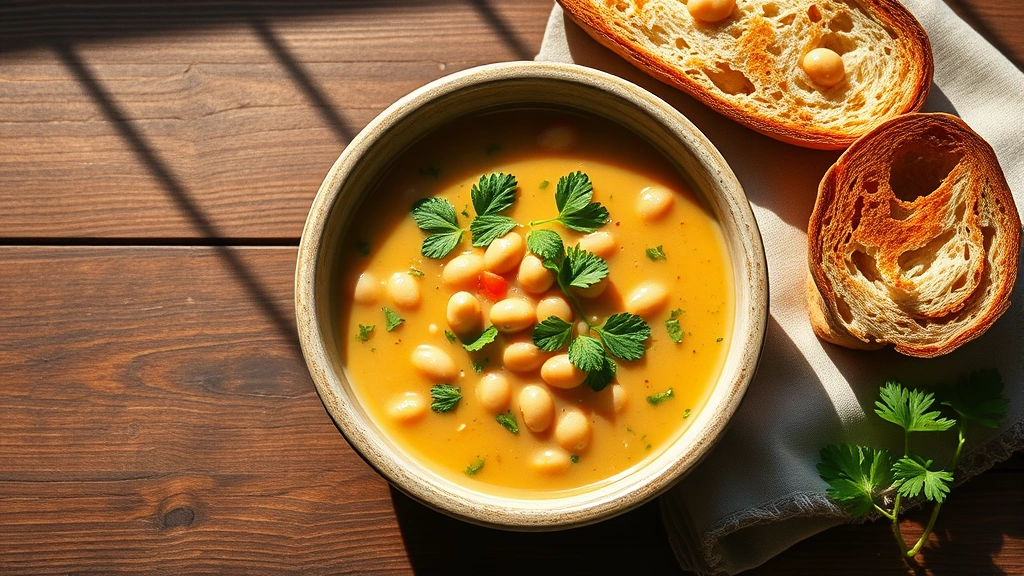
A ceci beans recipe is your ticket to mastering authentic Mediterranean cuisine right in your own kitchen. These creamy chickpeas have been a staple in Southern European and Middle Eastern cooking for centuries, and once you understand how to work with them, you’ll find yourself reaching for them again and again.
What makes ceci beans so special? They’re incredibly versatile, naturally protein-packed, and they absorb flavors beautifully. Whether you’re simmering them in a fragrant tomato sauce or tossing them into a bright salad, these humble legumes transform into something truly memorable. The best part? Most ceci bean dishes come together with minimal effort and maximum flavor.
Jump To Section
Why This Recipe Works
The magic of ceci beans lies in their buttery texture and subtle, nutty flavor. Unlike some dried beans that require extensive soaking and cooking, canned ceci beans offer convenience without sacrificing quality. However, if you prefer dried beans—and many Mediterranean cooks do—the deeper flavor is absolutely worth the extra time investment.
These five dishes showcase different cooking techniques and flavor profiles. You’ll learn how to build a silky soup, create a protein-rich salad, develop a hearty pasta dish, prepare a crispy appetizer, and master a grain-based bowl. Each method teaches you something new about handling these versatile legumes. Additionally, each recipe scales easily for meal prep or entertaining larger groups.
Understanding Your Ingredients
Starting with quality ceci beans makes all the difference in your final dish. Dried beans offer superior flavor and texture, though they require overnight soaking and about 45 minutes of cooking time. Canned varieties work wonderfully when you’re short on time—just rinse them thoroughly to remove excess sodium and starch.
Pairing ceci beans with Mediterranean staples creates magic. Olive oil, garlic, lemon juice, fresh herbs like parsley and mint, and warm spices such as cumin all complement their earthy nature. For instance, try our Oil and Vinegar Salad Dressing Recipe to dress your bean salads for an authentic touch. Meanwhile, quality canned tomatoes, onions, and vegetable broth form the backbone of most traditional preparations.
Ingredient Tips & Substitutions
If you can’t find ceci beans at your local market, white cannellini beans or Great Northern beans work as reasonable substitutes, though they’re slightly less flavorful. For a richer, earthier taste, try mixing ceci beans with black chickpeas, which are smaller and have a deeper flavor profile.
When selecting fresh herbs, prioritize quality—wilted parsley won’t give you the bright finish these dishes deserve. Dried herbs can work in a pinch; just use one-third the amount since they’re more concentrated. Additionally, high-quality extra virgin olive oil elevates every single dish in this collection, so don’t skimp here if possible.
For those with dietary restrictions, ceci beans are naturally gluten-free and vegan, making them perfect for inclusive meal planning. They’re also budget-friendly, especially when purchased in bulk, which means you can experiment without guilt.
Building Flavor Profiles
The foundation of great Mediterranean cooking is layering flavors thoughtfully. Start by sautéing aromatics—onions, garlic, and sometimes celery—in olive oil until fragrant. This step awakens their natural sweetness and creates a flavor base that carries through the entire dish. Never skip this, as it transforms simple ingredients into something restaurant-quality.
Tomato paste deepens and concentrates flavors beautifully. A tablespoon or two, stirred into hot oil and cooked for just 1-2 minutes, adds complexity without overwhelming. Meanwhile, fresh lemon juice added at the end brightens everything, cutting through richness and making flavors pop. Think of acid as your seasoning secret weapon.
Warm spices like cumin, paprika, and coriander pair wonderfully with ceci beans. However, add them early so they toast slightly and release their oils. Cold spices added to cold ingredients won’t develop their full potential, so timing matters tremendously.
Serving Suggestions
Ceci beans work beautifully alongside grains, vegetables, and proteins. Consider pairing your ceci bean dishes with crusty bread for soaking up sauces, or serve over rice, couscous, or quinoa for a complete meal. Fresh salads provide brightness and contrast, especially our Mustard Potato Salad Recipe or a simple Caesar Salad Recipe for lighter meals.
Mediterranean entertaining is all about abundance and sharing. Arrange bean dishes on platters with olives, cheeses, cured meats, and fresh vegetables for an impressive spread. These recipes also pair naturally with other Mediterranean soups—try them alongside our Pinto Bean Soup Recipe for a soup tasting experience, or combine with our Olive Garden Minestrone Soup Recipe for a more robust spread.
For weeknight dinners, keep preparations simple. A ceci bean and vegetable salad with crusty bread and cheese makes a satisfying meal. Weekend cooking allows for more elaborate preparations like slow-simmered stews or roasted appetizers that develop deeper flavors.
Storage & Reheating
Most ceci bean dishes actually improve after a day or two as flavors meld and develop. Store cooked beans in airtight containers in the refrigerator for up to five days. Soups and stews reheat beautifully on the stovetop with a splash of water to restore consistency, or in the microwave in 2-3 minute intervals.
For longer storage, freeze ceci bean dishes in individual portions for up to three months. Leave a bit of headspace in containers since liquids expand when frozen. When ready to use, thaw overnight in the refrigerator and reheat gently on the stovetop or microwave.
Raw ceci bean salads keep well for 2-3 days in the refrigerator, though dressings should be added just before serving to maintain crisp textures. If serving a crowd, you can prep components separately and assemble just before presentation for maximum freshness.
The beauty of mastering a ceci beans recipe is discovering how these humble legumes become the star of your table. From quick weeknight meals to impressive entertaining dishes, these five Mediterranean approaches will make you confident cooking with chickpeas. Start with the one that calls to you, then experiment with the others. Each technique builds your cooking skills while delivering authentic flavors that transport you straight to sun-soaked Mediterranean shores. According to Serious Eats, properly cooked beans are foundational to Mediterranean cooking. Whether you’re drawing inspiration from New York Times Cooking or classic Bon Appétit preparations, ceci beans deserve a permanent place in your kitchen rotation.
Ingredients
- 2 cans (15 oz each) ceci beans, drained and rinsed, or 2 cups cooked dried chickpeas
- 3 tablespoons extra virgin olive oil
- 1 medium yellow onion, diced
- 4 cloves garlic, minced
- 1 can (14.5 oz) diced tomatoes
- 1 teaspoon ground cumin
- ½ teaspoon smoked paprika
- ¼ teaspoon red pepper flakes
- 3 cups vegetable broth
- 2 cups fresh spinach or kale, chopped
- 2 tablespoons fresh lemon juice
- 1 teaspoon sea salt
- ½ teaspoon black pepper
- ¼ cup fresh parsley, chopped
- 2 tablespoons fresh mint, chopped (optional)
- Crusty bread for serving

Instructions
- Heat olive oil in a large pot over medium heat until shimmering, about 1 minute.
- Add diced onion and sauté for 5 minutes, stirring occasionally, until softened and golden at the edges.
- Stir in minced garlic and cook for 1-2 minutes until fragrant, being careful not to burn it.
- Add tomato paste (1 tablespoon) and cook for 1-2 minutes, stirring constantly to incorporate.
- Pour in the can of diced tomatoes with their juice and stir well to combine with the aromatics.
- Add ground cumin, smoked paprika, and red pepper flakes, stirring to distribute spices evenly.
- Gently pour in the vegetable broth and add the drained ceci beans, stirring to combine.
- Bring the mixture to a simmer, then reduce heat to medium-low and cook for 20-25 minutes, allowing flavors to meld.
- Stir in the chopped spinach or kale and cook for 3-4 minutes until wilted and tender.
- Remove from heat and stir in fresh lemon juice, adjusting salt and pepper to taste.
- Ladle soup into bowls and garnish generously with fresh parsley and mint if desired.
- Serve immediately with crusty bread for soaking up the flavorful broth.

Pro Tips
This ceci beans recipe forms the foundation for understanding Mediterranean bean cookery. The beauty lies in its flexibility—once you master the basic technique of building flavors with aromatics and spices, you can adapt it endlessly. However, don’t rush the initial sautéing step, as this creates depth that simple boiling never achieves.
For dried beans, soak overnight in plenty of cold water, then drain and rinse before cooking. Place in a pot with fresh water (use 3 parts water to 1 part beans) and simmer gently for 45-60 minutes until tender but not mushy. Dried beans require patience, but the flavor superiority is remarkable and worth the planning ahead.
Canned beans offer real convenience, especially on busy weeknights. The key is rinsing them thoroughly under cold running water for 1-2 minutes to remove excess starch and sodium. This simple step prevents the final dish from becoming gummy or overly salty.
Lemon juice is crucial for brightening this dish. Add it gradually near the end of cooking, tasting as you go. Start with 1 tablespoon, then add more until the flavors sing. Fresh lemon always outperforms bottled juice, so prioritize fresh when possible.
Storage is simple: let the soup cool completely, then transfer to airtight containers and refrigerate for up to five days. The flavors actually intensify overnight, making this perfect for meal prep. For freezing, allow 1-2 inches of headspace since the liquid expands. Thaw overnight in the refrigerator before reheating gently on the stovetop with a splash of additional broth to restore the original consistency.
Temperature matters when serving. A piping hot bowl is far more satisfying than lukewarm soup. Reheat gently over medium heat rather than high heat to prevent scorching the bottom of the pot. Stir occasionally and add broth as needed if the soup has thickened too much during storage.