
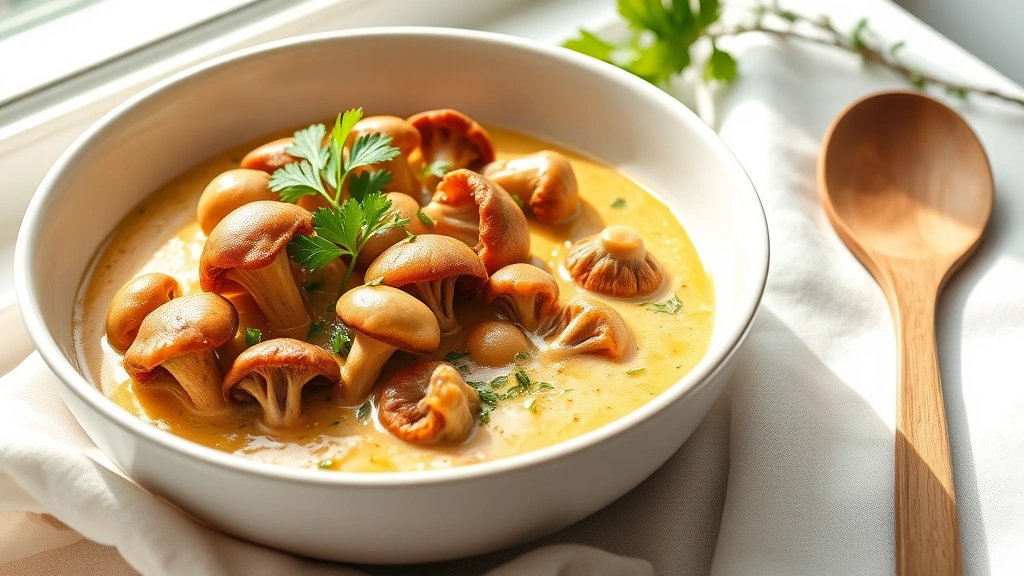
Chanterelle recipes are some of the most rewarding dishes you can make when these golden treasures appear at your farmers market or in your kitchen. These trumpet-shaped wild mushrooms have a delicate, slightly fruity flavor and a firm texture that holds up beautifully to cooking—making them far more versatile than many home cooks realize.
I’ll be honest: the first time I cooked with chanterelles, I was nervous. These precious fungi seemed too special to mess up. But here’s what I’ve learned after years of experimenting—chanterelles are actually quite forgiving and incredibly rewarding to work with. They’re less watery than button mushrooms, they don’t shrink dramatically during cooking, and their subtle flavor complements everything from simple butter and garlic to rich cream sauces.
Jump To Section
Whether you’re a seasoned forager or someone who just scored a beautiful batch at the market, this guide will walk you through 10 of the best ways to prepare them. These recipes range from incredibly simple (seriously, just pan-sear them) to more elaborate dishes that’ll impress dinner guests. Additionally, I’ve included tons of tips for selecting, cleaning, and cooking chanterelles so you get the absolute best results every single time.
Why This Recipe Works
The magic of chanterelle recipes lies in respecting the mushroom itself. Unlike cremini or button mushrooms that benefit from aggressive seasoning and long cooking times, chanterelles shine when you use a lighter touch. Their natural umami flavor and delicate fruity notes mean you don’t need much to make them spectacular.
These wild mushrooms have a firm, meaty texture that actually improves with proper cooking. High heat creates beautiful caramelization on the surface while keeping the interior tender. They’re also naturally less watery than cultivated mushrooms, which means less steam and more opportunity for that gorgeous golden-brown crust.
What makes chanterelle recipes so special is their versatility. Toss them into Easy Tuscan Chicken Pasta, add them to creamy soups, serve them as a standalone side dish, or use them as a sophisticated pizza topping. The subtle flavor means they play well with others without overpowering a dish. However, they’re also wonderful enough to be the star of the show.
Ingredient Tips & Substitutions
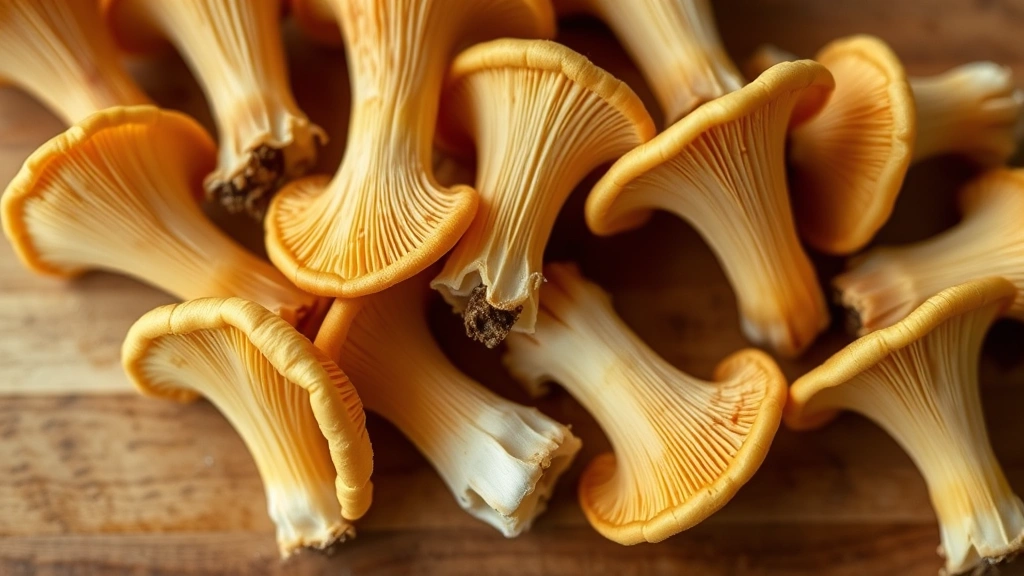
When shopping for chanterelles, look for firm mushrooms with intact caps and no soft spots. The color should be a consistent golden-yellow, and they should smell pleasantly earthy and slightly fruity. Avoid any that feel slimy or have dark bruises—these are past their prime.
Cleaning chanterelles properly is crucial. Since they grow close to the ground, they often trap dirt and debris in their ridged undersides. Gently brush them with a damp cloth or soft mushroom brush rather than soaking them (excess water makes them soggy). For stubborn dirt, quickly rinse them under running water and pat dry immediately with paper towels.
If you can’t find chanterelles, you have options. Cremini mushrooms or baby bellas offer a similar earthy flavor, though they’ll be slightly more watery. Oyster mushrooms provide that delicate texture. Golden or yellow oyster mushrooms are particularly beautiful substitutes. Meanwhile, hedgehog mushrooms (which have teeth instead of gills) offer a similar firm texture and mild flavor. Pro tip: never skip quality butter and fresh herbs when cooking chanterelles—these simple additions really let the mushroom shine.
Serving Suggestions
Simple sautéed chanterelles are perfect alongside Best Steak Pasta or grilled fish. The earthiness complements both beef and seafood beautifully. For a lighter meal, serve them over Quick Spinach Tomato Pasta for a vegetable-forward dish that feels elegant and complete.
Creamed chanterelles make an excellent side for roasted chicken, duck, or pork. The richness of the cream balances the mushrooms’ delicate flavor. For a vegetarian main course, serve chanterelle recipes over polenta, creamy risotto, or toasted bread. They’re also stunning in a simple salad with fresh greens, shaved Parmesan, and a light vinaigrette.
For soup lovers, chanterelle recipes work beautifully in cream-based soups or even in a lighter broth. Consider pairing chanterelle soup with a simple grilled cheese or alongside Perfect Panera Bread Tomato Soup for a cozy meal. Add them to the top of Best Pesto Chicken Pasta for an upscale twist on a classic.
Storage & Reheating
Fresh chanterelles keep in the refrigerator for about a week when stored properly. Place them in a paper bag (not plastic, which traps moisture) and keep them in the crisper drawer. The paper bag allows them to breathe while protecting them from drying out completely. Check them every few days and remove any that show signs of spoilage.
Cooked chanterelle recipes store beautifully in an airtight container for 3-4 days. Simply reheat gently in a skillet over medium heat with a splash of butter or cream. You can also freeze cooked chanterelles for up to three months. For best results, cool them completely before freezing, and use them in soups or sautés rather than as a standalone side (freezing affects their texture slightly).
For long-term storage, consider drying your chanterelles. Slice them thinly, dry them in a low oven (200°F for 2-3 hours) or in a food dehydrator, then store in an airtight container away from light and heat. Rehydrate dried chanterelles in warm broth before using them in recipes. This method preserves them for several months and actually concentrates their flavor—dried chanterelles are prized by professional chefs for this reason.
The Magic of Wild Mushrooms
There’s something genuinely special about cooking with foraged ingredients. Whether you’ve hunted them yourself or purchased them from a farmer who has, chanterelle recipes connect us to the seasons and the land. These mushrooms are available for a limited time each year, which makes cooking with them feel like a celebration.
The best chanterelle recipes don’t require fancy techniques or long ingredient lists. Often, the simplest preparations showcase these mushrooms best—butter, garlic, fresh herbs, and maybe a splash of wine or cream. This approach honors the ingredient and lets its natural qualities shine through.
I encourage you to explore different cooking methods and flavor combinations. Try them raw (thinly sliced and dressed with lemon and oil), quickly sautéed until golden, braised in cream, or roasted until caramelized. Each technique brings out different qualities. You’ll discover your favorite way to prepare them, and you might just find yourself planning meals around chanterelle season every single year. These wild mushrooms truly deserve a place at your table.
Ingredients
- 1 pound fresh chanterelle mushrooms, cleaned and halved if large
- 3 tablespoons unsalted butter
- 2 tablespoons olive oil
- 4 cloves garlic, minced
- ¼ cup dry white wine
- ½ cup heavy cream or crème fraîche
- 2 tablespoons fresh thyme leaves
- Salt and freshly ground black pepper to taste
- 2 tablespoons fresh parsley, chopped
- Squeeze of fresh lemon juice

Instructions
- Pat the cleaned chanterelles completely dry with paper towels—this step is essential for achieving that beautiful golden crust during cooking.
- Heat a large skillet over medium-high heat and add the butter and olive oil together. Once the mixture is shimmering and fragrant, add the chanterelles in a single layer.
- Resist the urge to stir! Let them sit undisturbed for 3-4 minutes so they develop a gorgeous golden-brown crust on the bottom.
- Stir the mushrooms gently and cook for another 3-4 minutes until they’re lightly caramelized all over. You want them tender but still with a bit of firmness.
- Add the minced garlic and fresh thyme to the skillet, stirring constantly for about 30 seconds until fragrant. Be careful not to let the garlic burn.
- Pour in the white wine, scraping up any browned bits from the bottom of the pan with a wooden spoon. Let it simmer for 1-2 minutes to reduce slightly.
- Stir in the heavy cream or crème fraîche and simmer gently for 2-3 minutes until the sauce becomes silky and coats the mushrooms beautifully.
- Season with salt, pepper, and a squeeze of fresh lemon juice. Taste and adjust seasonings as needed—the lemon brightens everything.
- Transfer to a serving dish and garnish with fresh parsley. Serve immediately while warm and creamy.
Pro Tips
These creamed chanterelles are the foundation for many of the best chanterelle recipes. They’re perfect served over buttered egg noodles, creamy polenta, or toasted bread. For a lighter version, substitute the heavy cream with a mixture of chicken broth and crème fraîche, or use all crème fraîche for a slightly tangy flavor.
Timing is everything when cooking chanterelles. High heat creates that beautiful caramelization, but too-high heat for too long makes them tough. Medium-high is the sweet spot. If your skillet seems crowded, cook the mushrooms in batches—overcrowding the pan drops the temperature and creates steam instead of that gorgeous crust you’re after.
Fresh herbs make an enormous difference in chanterelle recipes. Thyme is traditional and lovely, but try tarragon for a more delicate flavor, or dill for something unexpected. Parsley is always a good finishing touch. Meanwhile, the lemon juice at the end is non-negotiable—it brightens the earthy mushroom flavors and balances the richness of the cream.
For a vegetarian main course, serve these creamed chanterelles over a bed of creamy polenta or soft buttered egg noodles, topped with crispy breadcrumbs and grated Parmesan. To make it more substantial, add a handful of fresh spinach or peas in the final minute of cooking. Additionally, a splash of truffle oil stirred in at the very end adds luxury—but honestly, chanterelles are special enough that they don’t need it.
Storage is simple: keep leftovers in an airtight container in the refrigerator for up to 4 days. Reheat gently in a skillet over medium heat with a splash of cream to restore the sauce’s silky texture. These are wonderful for meal prep—make them ahead and use throughout the week as a side dish or component in other meals. The flavors actually deepen slightly after a day, making them even more delicious the next day.