
Chayote recipes are some of the most versatile and underrated dishes you can make in your kitchen. This mild, tender vegetable—also called a mirliton or christophine—deserves a spot on your dinner table far more often than it typically gets.
I first discovered chayotes at a farmers market years ago, drawn in by their beautiful pale-green, pear-like shape. The vendor promised they were magical in stir-fries and soups, and I’ve been hooked ever since. What makes chayotes so special is their delicate flavor and buttery texture that absorbs whatever seasonings you pair them with beautifully.
Jump To Section
Whether you’re looking to expand your vegetable repertoire or you’ve got a bumper crop from your garden, chayote recipes offer endless possibilities. From crispy stir-fries to comforting soups, from stuffed preparations to simple sautés, this humble squash can transform into something truly memorable.
Why Chayotes Deserve More Love in Your Kitchen
Chayotes are technically fruits, though we treat them like vegetables in the kitchen. They’re packed with fiber, vitamin C, and potassium while being incredibly low in calories. Beyond nutrition, they’re simply delicious—with a subtle, slightly nutty flavor that’s milder than zucchini and more interesting than plain squash.
The texture is what really sets them apart. When cooked properly, chayotes become silky and tender, never mushy or watery. Additionally, they cook quickly, making them perfect for weeknight dinners when you need something fast but still impressive.
One of my favorite things about working with chayotes is how forgiving they are. Whether you’re making a best pork stir fry recipe or a simple side dish, they play nicely with bold flavors and delicate ones alike.
How to Select and Prepare Your Chayotes
When shopping for chayotes, look for ones that are firm with unblemished skin. They should feel heavy for their size—a sign they’re full of moisture. Smaller chayotes tend to be more tender, though larger ones work beautifully for stuffing.
Preparation is straightforward. Simply rinse them under cool water and peel away the thin skin with a vegetable peeler or knife. You’ll notice a soft pit in the center—this is completely edible and adds pleasant texture, though some prefer to remove it. For many chayote recipes, you’ll want to cut them in half lengthwise, scoop out the pit if desired, then slice into your preferred size.
Pro tip: wear gloves while peeling if your skin is sensitive, as some people find the raw chayote slightly irritating. The stickiness disappears completely once cooked.
Ten Delicious Ways to Use Chayotes
The beauty of chayote recipes lies in their incredible adaptability. You can treat them like zucchini in a stir-fry, like potatoes in a soup, or like eggplant in a gratin. For instance, try pairing chayotes with garlic and butter for a simple sauté, or toss them into your favorite perfect tom yum soup recipe for added substance and nutrition.
Stir-fries are perhaps the most popular way to prepare chayotes. Cut them into thin matchsticks and cook quickly over high heat with ginger, garlic, and your choice of protein. The vegetables stay crisp-tender and soak up all those delicious Asian-inspired flavors.
Meanwhile, chayotes shine in creamy soups. Similar to how best lemon rice soup recipe comes together beautifully, chayote soups blend smoothly and create a naturally velvety texture without heavy cream. A simple vegetable broth, onion, and chayote combination becomes something elegant with just a squeeze of fresh lime.
Stuffed chayotes are absolutely stunning as a main course. Halve them lengthwise, scoop out some flesh to create a cavity, then fill with seasoned ground meat, breadcrumbs, cheese, and herbs. Bake until golden and the filling is cooked through—it’s restaurant-worthy and sounds far more complicated than it actually is.
Roasting brings out subtle sweetness in chayotes. Toss wedges with olive oil, salt, pepper, and whatever seasonings call to you—cumin, smoked paprika, or Italian herbs all work wonderfully. Roast at 425°F until the edges caramelize and the flesh becomes tender.
For a lighter option, try them raw in slaws and salads. Julienne chayote pairs beautifully with citrus dressing, fresh herbs, and crunchy nuts. The crisp texture and mild flavor let other ingredients shine without overpowering the plate.
Chayotes also work wonderfully in curry preparations. Their neutral taste allows them to absorb rich, complex spice blends. Whether you’re making Thai, Indian, or Caribbean curries, chayotes provide substance and a pleasing textural element.
Fried chayotes become absolutely addictive. Slice them thin, dredge in seasoned flour or panko, and shallow fry until golden. Serve with a squeeze of lime and a sprinkle of sea salt—they’re irresistible.
Gratins and baked preparations showcase chayotes beautifully too. Layer sliced chayotes with béchamel sauce, cheese, and breadcrumbs, then bake until bubbly. It’s pure comfort food with an elegant twist.
Finally, consider adding chayotes to vegetable beef preparations. Much like a simple old fashioned vegetable beef soup recipe, chayotes contribute wonderful texture and flavor to hearty meat dishes and stews.
Ingredient Tips & Flavor Pairings
Chayotes pair beautifully with aromatics like garlic, onion, and ginger. These flavor foundations help highlight the vegetable’s subtle sweetness without overwhelming it. Citrus—lime, lemon, and orange—adds brightness that makes chayote dishes sing.
For Asian-inspired chayote recipes, combine with soy sauce, sesame oil, and scallions. Latin preparations shine with cilantro, lime, and a touch of heat from jalapeños. Mediterranean versions come alive with olive oil, garlic, tomatoes, and fresh herbs like basil and oregano.
Additionally, don’t shy away from pairing chayotes with cheese. Melted cheddar, sharp Gruyère, or creamy goat cheese all complement the vegetable’s delicate nature. Spices like cumin, smoked paprika, and curry powder transform chayotes into something entirely different with each application.
Storage & Make-Ahead Tips
Raw chayotes store beautifully in your refrigerator’s crisper drawer for up to two weeks. They’re incredibly patient vegetables that won’t spoil quickly. However, once cut, cover them tightly with plastic wrap and use within three to four days.
Cooked chayote dishes keep well for three to four days when stored in airtight containers. Many chayote recipes actually improve after a day or two as flavors meld and deepen. Most preparations reheat beautifully in a gentle oven or on the stovetop with a splash of water or broth.
For meal prep enthusiasts, you can peel and cut chayotes in advance, storing them in water in the refrigerator. Change the water daily to keep them fresh. This makes it incredibly convenient to throw together a quick stir-fry or soup on busy weeknights, much like preparing ingredients for a quick tasty PF Chang lettuce wraps recipe.
You can also blanch and freeze chayote pieces for up to three months. This works particularly well if you’ve got an abundance and want to enjoy them year-round. Blanch for two minutes, plunge into ice water, drain thoroughly, then freeze in single layers before transferring to freezer bags.
Substitutions & Variations
If you can’t find chayotes at your market, zucchini and summer squash work as direct substitutes in most chayote recipes. They cook similarly and have comparable mild flavors, though zucchini tends to release more water, so adjust cooking time accordingly.
For dishes where you’re stuffing the vegetable, try using best spaghetti squash recipe preparations as inspiration, or substitute with halved bell peppers or eggplant halves. The filling remains the same; only the vessel changes.
In soups, you can easily swap chayotes for other mild-flavored vegetables like cauliflower or white beans. The cooking time might vary slightly, so adjust based on what you’re using. Creamy soups benefit from this flexibility—the technique remains constant even as ingredients shift.
When it comes to seasonings, chayote recipes are incredibly forgiving. If you don’t have a particular spice on hand, use what you’ve got. The vegetable’s gentle flavor means it won’t clash with most seasoning choices, so feel confident experimenting and making recipes your own.
Chayote recipes prove that this humble vegetable deserves a regular place in your cooking rotation. Whether you’re seeking quick weeknight solutions or impressive entertaining dishes, chayotes deliver consistently delicious results. Start with one or two preparations that appeal to you, then branch out and explore. Your palate—and your garden, if you grow them—will thank you.
Ingredients
- 2 pounds fresh chayotes (about 4 medium)
- 3 tablespoons olive oil
- 1 medium yellow onion, diced
- 4 cloves garlic, minced
- 1 teaspoon ground cumin
- ½ teaspoon smoked paprika
- ¼ teaspoon cayenne pepper
- 1 cup vegetable or chicken broth
- ½ cup heavy cream or coconut milk
- 2 tablespoons fresh lime juice
- Salt and black pepper to taste
- ¼ cup fresh cilantro, chopped
- Lime wedges for serving

Instructions
- Peel the chayotes using a vegetable peeler and rinse well. Slice in half lengthwise and remove the central pit with a small knife. Cut the flesh into ½-inch cubes, keeping the pieces uniform so they cook evenly.
- Heat olive oil in a large pot over medium heat. Add diced onion and sauté for 4-5 minutes until softened and fragrant, stirring occasionally.
- Stir in minced garlic and cook for another minute until the raw garlic smell disappears and the mixture becomes incredibly aromatic.
- Add cumin, smoked paprika, and cayenne pepper to the pot, stirring constantly for about 30 seconds. This blooms the spices and releases their essential oils, creating a deeper flavor foundation.
- Add the cubed chayotes to the pot and stir well, coating them with the oil and spices. Cook for 3-4 minutes while stirring occasionally.
- Pour in the vegetable broth and bring the mixture to a simmer. Reduce heat to medium-low and cook for 12-15 minutes until the chayotes are completely tender when pierced with a fork.
- Remove the pot from heat and let cool for 5 minutes. Using an immersion blender, blend the soup until smooth and creamy, or carefully transfer to a blender in batches and blend until desired consistency.
- Return the soup to the pot if you used a traditional blender. Stir in the heavy cream or coconut milk and fresh lime juice. Taste and adjust seasonings with additional salt and pepper as needed.
- Gently reheat the soup over low heat, stirring occasionally, until it reaches your desired serving temperature. Do not allow it to boil once the cream is added.
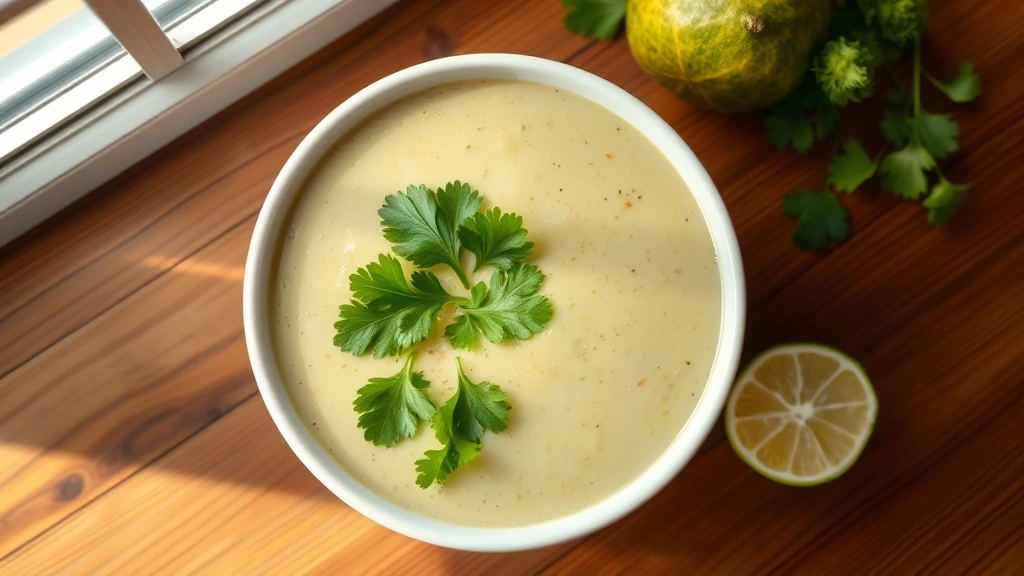
- Ladle the soup into bowls and garnish generously with fresh cilantro. Serve immediately with lime wedges on the side for guests to squeeze into their bowls to taste.

Pro Tips
This creamy chayote soup showcases why chayote recipes have become increasingly popular among home cooks. The vegetables create a naturally velvety texture without requiring flour or excessive cream, making this a lighter option than traditional vegetable soups.
For a dairy-free version, substitute the heavy cream with full-fat coconut milk or cashew cream. The coconut milk actually adds lovely depth and complements the spices beautifully. Cashew cream, made by blending soaked cashews with water, creates an incredibly luxurious mouthfeel that rivals traditional cream.
If you prefer a chunkier soup with more texture, simply blend only half the mixture and stir the pureed portion back into the whole pieces. This technique gives you the best of both worlds—creamy richness with pleasant vegetable chunks.
Additionally, feel free to customize the spice level based on your preferences. If you enjoy more heat, increase the cayenne pepper or add a fresh jalapeño or two. For milder palates, reduce or omit the cayenne entirely. The cumin and paprika are the stars here and can be adjusted to taste.
This soup freezes beautifully for up to three months. Cool completely before transferring to freezer containers, leaving about an inch of headspace for expansion. Thaw overnight in the refrigerator and reheat gently over medium-low heat, stirring frequently and adding a splash of broth if the consistency is too thick.
Leftovers keep for four days when stored in an airtight container in the refrigerator. The flavors actually deepen and improve after a day, making this an excellent make-ahead dish for meal planning. Simply reheat gently on the stovetop, stirring occasionally.
For entertaining, make this soup the morning of your dinner party and reheat just before serving. Prepare the cilantro garnish and lime wedges in advance, and your guests will think you spent hours in the kitchen when you actually have plenty of time to relax and enjoy their company.