
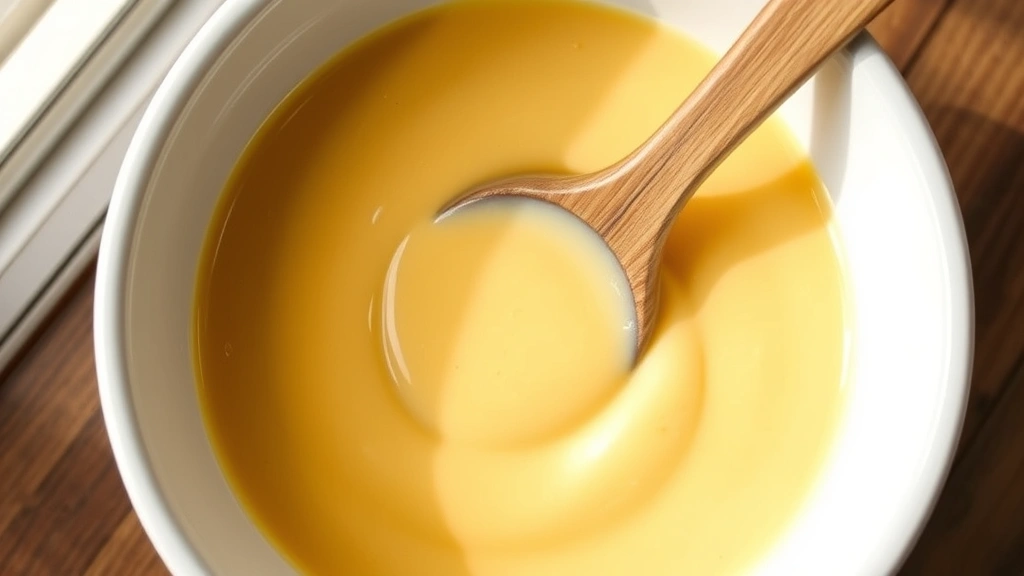
This cheddar cheese sauce recipe is an absolute game-changer for anyone who loves creamy, dreamy cheese goodness. I’m talking about that perfectly smooth, velvety sauce that coats everything beautifully—whether you’re drizzling it over pasta, dipping vegetables, or pouring it over burgers. The best part? It comes together in just 10 minutes with ingredients you probably already have in your kitchen.
I’ve been making cheese sauce for years, and I’ve learned that the secret isn’t fancy ingredients or complicated techniques. It’s all about understanding how heat, butter, flour, and milk work together to create something magical. When you nail this recipe, you’ll never buy jarred cheese sauce again—trust me on that.
Jump To Section
Why This Recipe Works
This cheddar cheese sauce recipe uses a classic béchamel base, which is just a fancy way of saying butter, flour, and milk cooked together. That foundation is absolutely crucial because it prevents the cheese from becoming grainy or breaking. The starch in the flour acts like a little insurance policy, keeping everything smooth and silky.
What makes this particular version special is the balance of flavors and the technique for adding the cheese. I use a combination of sharp cheddar for deep flavor and a touch of Gruyère or smoked cheddar to add complexity. However, if you only have one type of cheddar on hand, that works perfectly fine too.
The temperature control is honestly the most important part of this whole process. If your heat is too high, you’ll end up with a broken, oily mess. Keep things at a gentle simmer, stir constantly, and you’ll be golden. Additionally, the order in which you add ingredients matters—patience really does pay off here.
Ingredient Tips & Substitutions
Let’s talk cheese selection for a moment. Shredded cheese from a bag contains anti-caking agents that can make your sauce grainy, so I always recommend using freshly grated cheese when possible. Block cheese melts smoothly and creates a silkier texture. If you’re in a pinch, bagged cheese will still work—just know that your sauce might not be quite as velvety.
For the milk, whole milk is your best friend here. It creates the richest, creamiest sauce. That said, you can use 2% milk if that’s what you have available. Half-and-half or heavy cream will make it even richer, perfect for special occasions. Meanwhile, skim milk tends to create a thinner sauce, so stick with higher fat options when you can.
The butter and flour ratio is important—don’t skimp on either one. This creates what’s called a roux (pronounced “roo”), which is the thickening base for your sauce. You could substitute cornstarch for flour in a pinch, but you’d need to use slightly less. For instance, use about 2 tablespoons of cornstarch instead of 3 tablespoons of flour.
Seasonally, I love adding a pinch of cayenne pepper, smoked paprika, or even a touch of mustard powder to elevate this cheese sauce. These additions don’t overpower the cheddar—they just make people wonder what your secret is. A little garlic powder or onion powder works wonderfully too.
Serving Suggestions
This sauce is incredibly versatile, which is why I make it so often. Obviously, it’s perfect over pasta, but I also love it on the best crockpot mac and cheese recipe. If you’re making tasty mac and cheese bites recipe, this sauce is the star ingredient.
Beyond mac and cheese, this sauce works beautifully on vegetables. I drizzle it over steamed broccoli, roasted cauliflower, and even simple green beans. It transforms ordinary side dishes into something special that even the pickiest eaters will enjoy.
For burger night, this is phenomenal. Try it on the best smash burger recipe on a blackstone or alongside the best smash burger sauce recipe. You could also use it as a dipping sauce for fries, onion rings, or even pretzels. The possibilities are honestly endless.
I’ve even used this sauce to top baked potatoes, nachos, and grilled chicken. It pairs beautifully with sides like the perfect mustard potato salad recipe or the best thanksgiving salad recipe ever for a complete meal.
Storage & Reheating
This cheddar cheese sauce keeps beautifully in the refrigerator for about 3 to 4 days when stored in an airtight container. I like to use glass containers because you can see what you have at a glance. The sauce will thicken considerably as it cools, which is completely normal and expected.
To reheat, I warm it gently on the stovetop over low heat, stirring frequently and adding a splash of milk to loosen it up. You could also reheat it in the microwave in short 30-second bursts, stirring between each burst. Avoid high heat because that’s when the cheese can separate and become oily.
You can also freeze this sauce for up to 3 months. I pour it into ice cube trays, freeze it solid, then pop the cubes into freezer bags for easy portioning. When you’re ready to use it, thaw it overnight in the refrigerator and reheat gently. This is such a convenient way to have homemade cheese sauce ready whenever you need it.
Pro Tips for Perfect Sauce Every Time
Here’s something I’ve learned the hard way: don’t rush the roux. Let that butter and flour cook together for about 1-2 minutes over medium heat, stirring constantly. You want it to smell a bit toasted and nutty. This removes the raw flour taste and creates a stronger base for your sauce.
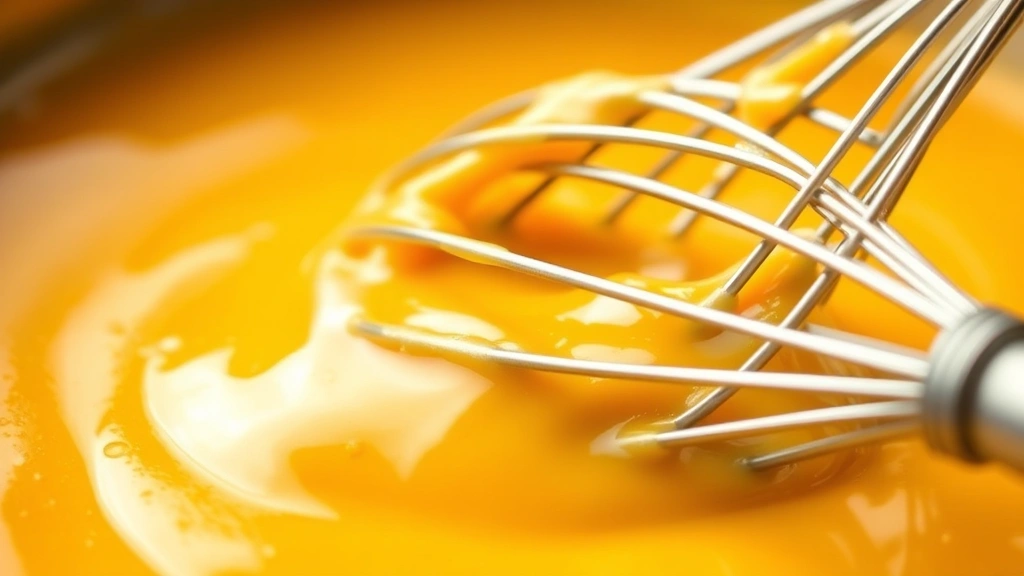
When you add the milk, do it slowly while whisking constantly. This prevents lumps from forming and ensures a smooth sauce. If you do end up with lumps, don’t panic—strain the sauce through a fine-mesh sieve and you’re back in business.
Turn off the heat before adding the cheese. This is probably the most important tip I can give you. If the pan is too hot, the cheese will break and become greasy instead of creamy and smooth. Let the residual heat melt the cheese while you stir gently.
Taste as you go and adjust seasonings at the end. You might want more salt, a pinch of white pepper, or a squeeze of lemon juice. These little adjustments make this cheese sauce recipe taste professional and restaurant-quality.
If your sauce seems too thick, add milk a tablespoon at a time. If it’s too thin, you can whisk in a bit of cornstarch mixed with cold milk (called a slurry) to thicken it up. However, the thickness will also depend on how you plan to use it—thinner for dipping, thicker for coating pasta.
I’ve found that letting the sauce rest for a minute or two after adding the cheese helps it come together beautifully. The flavors meld together, and the texture becomes more uniform. It’s worth those extra couple of minutes.
This creamy cheese sauce is truly one of those recipes that makes you feel like a confident cook. Once you master this technique, you can apply it to countless other dishes. Whether you’re making dinner for your family or impressing guests, this cheddar cheese sauce recipe delivers every single time. The beauty of it is in its simplicity—just good ingredients treated with respect and care.
Ingredients
- 3 tablespoons unsalted butter
- 3 tablespoons all-purpose flour
- 1½ cups whole milk, warmed
- 2 cups sharp cheddar cheese, freshly grated
- ½ teaspoon salt
- ¼ teaspoon black pepper
- ¼ teaspoon cayenne pepper (optional)
- ¼ teaspoon smoked paprika (optional)
- 2 tablespoons grated Gruyère cheese (optional, for extra flavor)
Instructions
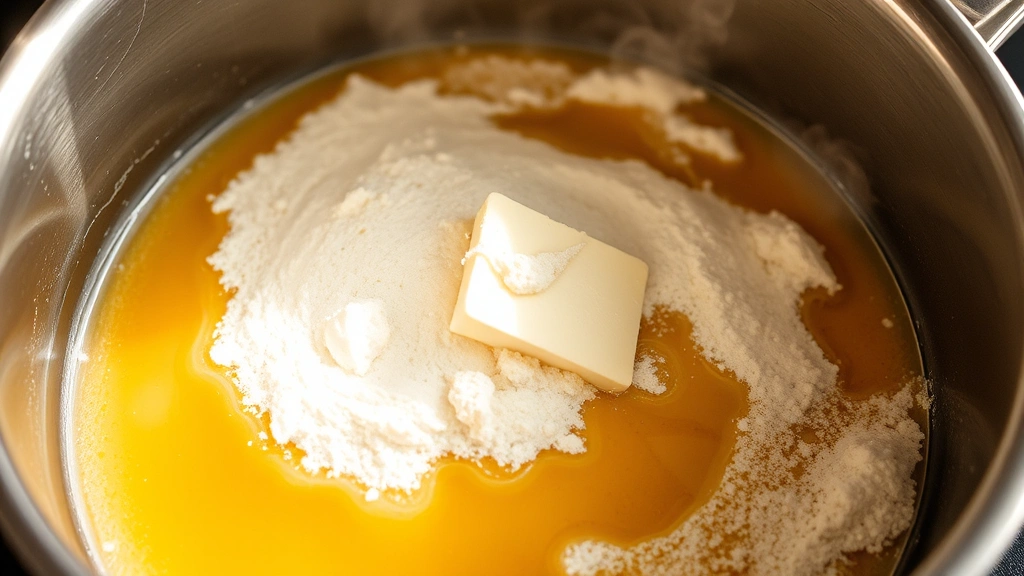
- Melt the butter in a medium saucepan over medium heat, stirring occasionally so it doesn’t brown.
- Add the flour to the melted butter, stirring constantly for about 1-2 minutes until it becomes a paste-like consistency and smells toasted and nutty.
- Slowly pour in the warmed milk while whisking continuously to prevent lumps from forming. Keep whisking until the mixture is smooth and creamy.
- Continue cooking and stirring the sauce over medium heat for about 3-4 minutes until it thickens enough to coat the back of a spoon.
- Remove the saucepan from the heat—this is the crucial step that prevents the cheese from becoming greasy.
- Add the freshly grated cheddar cheese and Gruyère (if using) to the hot sauce, stirring gently until completely melted and smooth.
- Season with salt, black pepper, cayenne pepper, and smoked paprika if desired. Taste and adjust seasonings as needed.
- Pour the cheddar cheese sauce into a serving bowl or directly over your desired dish while still warm. Use immediately for best results.
Pro Tips
Room temperature ingredients work best for this recipe. If your milk is cold, it can shock the roux and create lumps. Warm your milk in the microwave for about 30 seconds before using it, or let it sit at room temperature for a few minutes.
The type of cheddar you choose really does matter. Sharp cheddar gives you that bold, pronounced cheese flavor that makes people ask for the recipe. Medium or mild cheddar will work too, but the flavor won’t be quite as impressive. For extra richness, try adding a small amount of smoked cheddar or aged cheddar to the mix.
If your sauce breaks and becomes oily, don’t throw it away. Whisk in a tablespoon of cold milk and lower the heat, stirring constantly. Sometimes the sauce just needs a little rescue mission, and it’ll come back together beautifully.
Make-ahead tip: You can prepare the roux and milk mixture several hours in advance, then store it in the refrigerator. When you’re ready to serve, reheat it gently and add the cheese just before serving. This works wonderfully for busy weeknights.
This sauce pairs beautifully with crusty bread for dipping, making it perfect for appetizers or casual entertaining. You could also pour it into a slow cooker set to low to keep it warm throughout a party.
For a vegetarian version, make sure your cheese is rennet-free if that matters to you. All the other ingredients are naturally vegetarian-friendly, so this cheddar cheese sauce recipe is completely adaptable to your dietary needs.
Storage is simple: let any leftover sauce cool to room temperature, then transfer it to an airtight container. It’ll keep for 3-4 days in the refrigerator. Reheat gently on the stovetop with a splash of milk to restore the creamy consistency, stirring frequently to prevent sticking.