
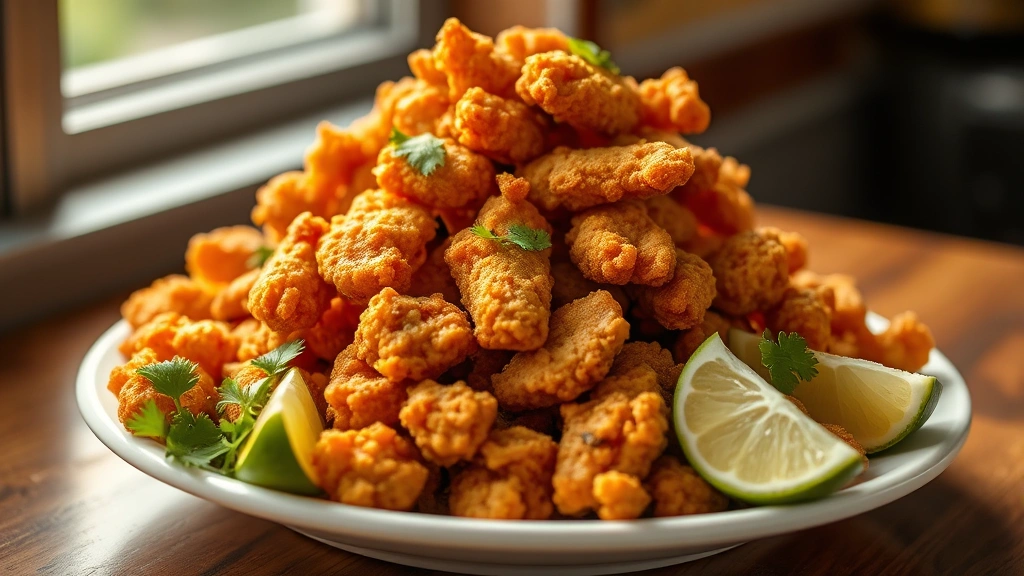
This chicharrones recipe delivers perfectly crispy, golden pork belly bites in just 30 minutes—and trust me, once you master this technique, you’ll be making them constantly. Chicharrones are a beloved Latin American snack that’s been enjoyed for generations, and there’s something magical about that first bite of crackling, salty perfection. The beauty of this recipe lies in its simplicity: quality pork, proper technique, and patience are all you need.
I grew up watching my abuela make these in her kitchen, the sound of pork sizzling in hot oil becoming the soundtrack to family gatherings. She taught me that the secret isn’t fancy ingredients or complicated steps—it’s understanding how heat transforms pork belly into something absolutely irresistible. Now I’m sharing her wisdom with you, because everyone deserves to experience homemade chicharrones that rival any restaurant version.
Jump To Section
Why This Recipe Works
The magic of this chicharrones recipe comes down to two things: starting with high-quality pork belly and using the right temperature. By cutting the pork into uniform pieces, you ensure everything cooks evenly and achieves that perfect balance between crispy exterior and tender interior. The initial boiling step removes excess moisture, which is absolutely crucial for achieving maximum crispiness when frying.
Additionally, this method is forgiving and straightforward, making it perfect whether you’re a seasoned cook or trying fried pork for the first time. The entire process takes about 30 minutes from start to finish, which means you can satisfy those chicharrones cravings on a weeknight without any stress. Unlike some fried foods that require constant attention, these actually come together quite easily once you understand the basic technique.
For serving alongside your crispy pork, consider pairing it with our tasty Thai cucumber salad recipe for a refreshing contrast. The cool, tangy flavors complement the richness of chicharrones beautifully and create a more well-rounded meal experience.
Ingredient Tips & Substitutions
The foundation of great chicharrones is undoubtedly quality pork belly. Look for pieces with good fat distribution—the fat is what renders into that coveted crispiness we all crave. If your local butcher doesn’t have pork belly readily available, don’t hesitate to ask them to order it; most are happy to accommodate special requests.
When it comes to salt, I recommend using kosher salt for better control over seasoning. Sea salt works wonderfully too, offering a slightly different mineral profile that some people prefer. The beauty of this recipe is that you can season the chicharrones however you like—some people love garlic powder, others prefer a touch of smoked paprika or even cayenne pepper for heat.
Water quality matters more than you might think when boiling the pork. If you have particularly hard water, consider using filtered water instead, as it helps the pork cook more evenly. Meanwhile, the oil choice is important for frying—vegetable oil, canola oil, or peanut oil all work excellently and have high smoke points suitable for this cooking method.
If you’re looking to reduce fat content, you could try best pork stir fry recipe as an alternative pork preparation. However, for authentic chicharrones, there’s really no substitute for the frying method—it’s what creates that signature texture.
Serving Suggestions & Flavor Pairings
Chicharrones are incredibly versatile and work beautifully in countless dishes. Serve them as a standalone appetizer with your favorite dipping sauce—lime crema, garlic aioli, or even a simple salsa verde all pair wonderfully. For a more substantial meal, crumble them over tacos, toss them into fried rice, or use them as a crunchy topping for soup.
One of my favorite ways to enjoy these is alongside fresh tortillas with sliced onion, cilantro, and lime—it’s simple, authentic, and absolutely satisfying. You could also layer them into our perfect taco ring recipe for an elevated presentation at your next gathering. The crispy texture adds wonderful contrast to soft, warm tortillas and creamy accompaniments.
For a lighter side, try pairing chicharrones with our best Waldorf salad recipe for a sweet and savory combination. Another elegant option is drizzling them with our perfect oil and vinegar salad dressing for added depth of flavor.
Don’t overlook the possibility of spicing things up—add seasoned salt, tajín seasoning, or hot sauce depending on your mood. The blank canvas of perfectly fried pork allows you to get creative and customize the experience to your preferences.
Storage & Reheating Tips
Once your chicharrones have cooled completely, store them in an airtight container at room temperature for up to three days. The key to maintaining crispiness is keeping moisture out, so avoid refrigerating if possible—the cold environment can soften the texture over time. If you must refrigerate due to storage limitations, place them in an airtight container with a paper towel to absorb any excess moisture.
For reheating, skip the microwave entirely as it will make them soggy and disappointing. Instead, crisp them up in a 350°F oven for about 5-10 minutes, which restores that wonderful crunch without drying them out. Alternatively, you can briefly flash them in hot oil for 30 seconds to revive their crispiness, though this requires careful handling to avoid burns.
Interestingly, you can also freeze chicharrones for up to two months in a freezer-safe container or bag. When you’re ready to enjoy them, simply reheat in the oven without thawing for the best results. This makes them perfect for meal prep or having on hand for unexpected cravings.
For more pork-based recipes, our quick tasty pork stir fry recipe offers another delicious preparation method if you’re looking to expand your pork cooking repertoire.
Final Thoughts on Making Chicharrones
Making chicharrones at home is one of those cooking experiences that feels fancy but is actually quite approachable. The transformation from raw pork belly to golden, crackling bites is nothing short of magical, and the satisfaction of creating restaurant-quality results in your own kitchen is genuinely rewarding. Once you’ve made this recipe a few times, it becomes second nature, and you’ll find yourself reaching for pork belly more and more often.
The joy of serving homemade chicharrones to friends and family is immeasurable. There’s something special about presenting food you’ve made with your own hands, especially when it tastes this good. So gather your ingredients, trust the process, and prepare yourself for some seriously delicious results that will have everyone asking for your secret.
According to Serious Eats, understanding the science behind frying helps you achieve better results consistently. Food scientists note that the Maillard reaction during frying creates the complex flavors we love in fried pork. For additional inspiration on pork preparation methods, Bon Appétit offers excellent guidance on selecting and preparing quality pork products. You might also enjoy exploring New York Times Cooking for additional Latin American recipes that complement chicharrones beautifully.
Ingredients
- 2 pounds pork belly, skin removed and cut into 1-inch cubes
- 6 cups water
- 1 tablespoon salt (plus more for seasoning)
- Oil for frying (vegetable, canola, or peanut oil)
- Optional: garlic powder, smoked paprika, or cayenne pepper for seasoning
Instructions
- Cut the pork belly into uniform 1-inch cubes, removing the skin if your butcher hasn’t already. Pat the pieces dry with paper towels to remove surface moisture.
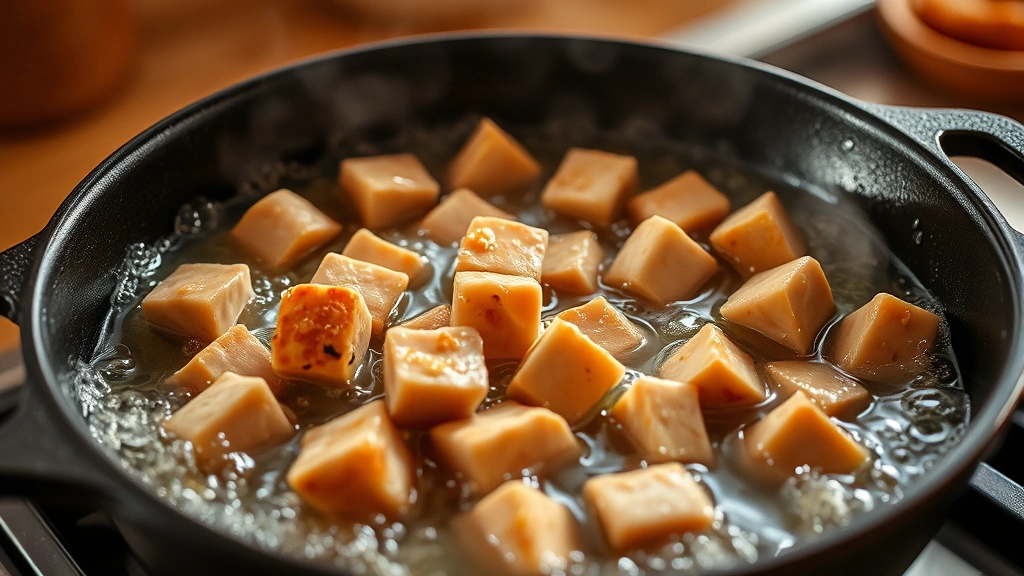
- Place the pork cubes in a large pot and cover with 6 cups of water. Add 1 tablespoon of salt and bring to a boil over high heat.
- Once boiling, reduce heat to medium and simmer for about 15 minutes, until the pork is tender but not falling apart. The water will become cloudy as the pork releases its moisture and collagen.
- Drain the pork completely in a colander and spread it out on paper towels to cool and dry for about 5 minutes. This step is crucial—the drier the pork, the crispier your chicharrones will be.
- Heat oil to 375°F in a deep pot or Dutch oven. Use a thermometer for accuracy, as the temperature is essential for proper cooking.
- Working in batches to avoid overcrowding, carefully add the dried pork pieces to the hot oil. Fry for about 5-7 minutes per batch, stirring occasionally, until golden brown and crispy.
- Use a slotted spoon to remove the chicharrones from the oil and transfer them to a paper towel-lined plate.
- Season immediately with salt and any additional seasonings you prefer while they’re still warm and the flavors will stick better.
- Allow to cool for a few minutes before serving. They’ll continue to crisp up as they cool, so don’t be alarmed if they seem slightly softer while still hot.
Pro Tips
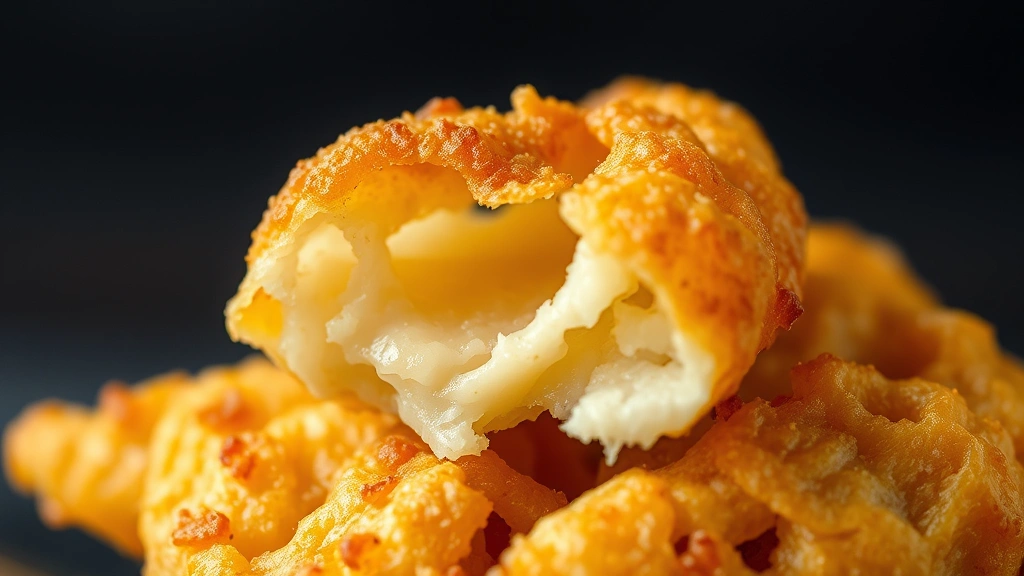
The boiling step is non-negotiable if you want maximum crispiness. This initial cooking renders some of the fat and removes excess moisture, which directly impacts how crispy your final product will be. Don’t skip this step thinking you can jump straight to frying—trust the process and you’ll be rewarded with superior results.
Oil temperature is absolutely critical for success. If your oil isn’t hot enough, the pork will absorb excess oil and become greasy rather than crispy. Conversely, if the oil is too hot, the outside will burn before the inside cooks through. Investing in a reliable instant-read thermometer takes the guesswork out of this step.
Batch frying is important because adding too much cold pork at once will dramatically lower the oil temperature. Keep your oil temperature consistent throughout the cooking process by allowing it to return to 375°F between batches. This typically takes 2-3 minutes.
Seasoning immediately after cooking ensures the salt and spices adhere to the warm, slightly oily surface of the chicharrones. If you wait until they’re completely cool, the seasoning won’t stick as effectively and you’ll get uneven flavor distribution.
For storage, remember that moisture is the enemy of crispiness. An airtight container with a paper towel works wonderfully for absorbing any residual moisture that might accumulate. If you notice your stored chicharrones becoming soft, the oven reheating method will restore their crispiness beautifully.
Feel free to customize the seasonings based on your preferences. Some people love adding lime zest, others prefer spicy variations with chili powder or hot sauce drizzled on top. The basic recipe provides an excellent foundation for your own flavor experimentation.