
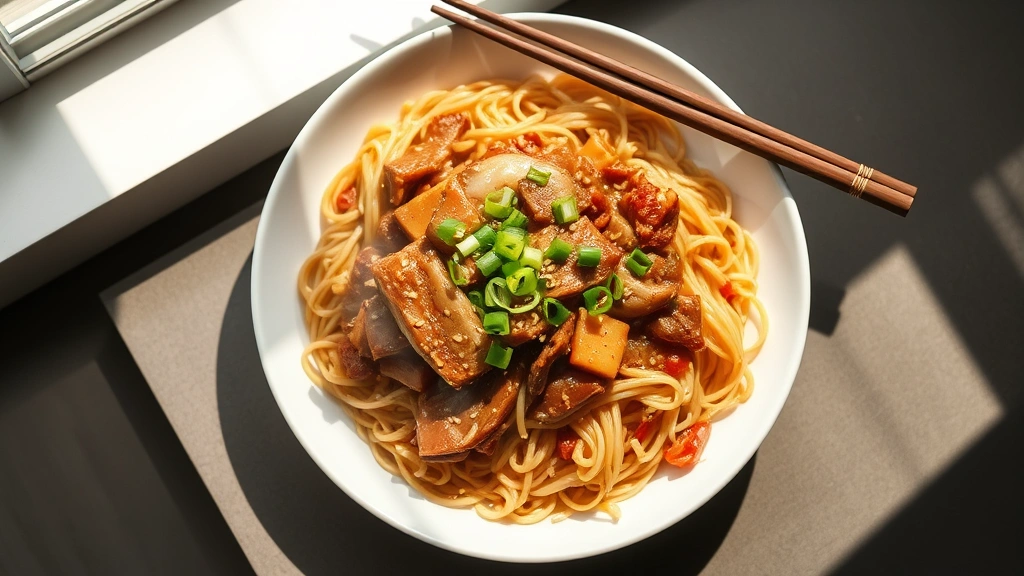
A chop suey recipe is one of those magical dishes that bridges cultures and brings people together around the table. This authentic restaurant-style version comes together in just 20 minutes, making it perfect for busy weeknights when you’re craving something delicious and satisfying without spending hours in the kitchen.
I first fell in love with chop suey during a trip to San Francisco’s Chinatown, where I watched a chef work his magic over a roaring wok with such speed and precision that it felt like a performance. The way the vegetables tumbled through the air, the sizzle of the sauce hitting hot metal, and that intoxicating aroma of garlic and ginger—it completely changed how I thought about home cooking. What surprised me most? Making restaurant-quality chop suey at home is absolutely achievable, and you don’t need fancy equipment or obscure ingredients.
Jump To Section
Chop suey has a fascinating history that reflects the beautiful fusion of Chinese culinary traditions and American innovation. Created by Chinese immigrants in the late 1800s, this dish became a beloved staple in Chinese-American restaurants, loved for its combination of tender meat, crisp vegetables, and silky sauce served over crunchy noodles or rice. It’s comfort food that honors its roots while embracing accessibility and ease.
Why This Recipe Works
The magic of this chop suey recipe lies in its balance of textures and flavors. Tender bite-sized pieces of protein cook quickly in a screaming hot wok, while vegetables maintain their natural crunch and vibrant color. The sauce—a harmony of soy, oyster, and sesame—coats everything beautifully without overwhelming the individual ingredients.
What makes this version restaurant-style is the technique. High heat is your best friend here. By getting your wok or large skillet properly hot before adding ingredients, you create that signature wok-kissed flavor that makes people think you’ve been cooking for hours. The key is having all your ingredients prepped and ready to go before you start cooking—this is what the Chinese call “mise en place,” and it transforms the actual cooking from stressful to smooth and enjoyable.
Additionally, this recipe comes together in 20 minutes flat because we’re using quick-cooking proteins and vegetables that don’t need long braising times. Meanwhile, if you’re looking for other quick Asian-inspired dishes, my best pork stir fry recipe uses similar techniques and timing. The combination of speed and flavor makes weeknight cooking feel less like a chore and more like something you actually enjoy doing.
Ingredient Tips & Substitutions
The beauty of chop suey is its flexibility. While this recipe calls for pork, you can easily swap in chicken breast, beef, or shrimp depending on what you have on hand or prefer. The cooking time remains virtually the same, though shrimp cooks slightly faster—just watch it carefully so it doesn’t overcook.
For the vegetables, feel free to customize based on what’s in your refrigerator. Celery and cabbage are the traditional base, but bell peppers, snap peas, water chestnuts, and mushrooms all work beautifully. The goal is a mix of textures—some crunchy elements, some softer ones—so aim for at least three different vegetables. Fresh vegetables will give you the best results, but frozen mixed stir-fry vegetables work in a pinch.
The sauce is where you really can’t compromise. Quality soy sauce, oyster sauce, and sesame oil make a genuine difference. I recommend using low-sodium soy sauce since oyster sauce already adds considerable salt. For instance, splurging on a good Japanese or Chinese soy sauce elevates the entire dish. Additionally, if you’re avoiding gluten, tamari makes an excellent soy sauce substitute.
If you enjoy bold Asian flavors, you might also love my PF Chang’s lettuce wraps recipe, which uses a similar sauce base. Both dishes showcase how powerful a few quality ingredients can be when combined properly.
The Technique Behind Success
Restaurant chefs have one significant advantage over home cooks: industrial-strength heat. Your home stove won’t match that, but you can get remarkably close. Start by getting your wok or largest skillet screaming hot before you add any oil. I mean hot—you should see wisps of smoke. This creates the perfect environment for quick cooking and proper browning.
The reason this matters goes beyond just flavor. High heat means your vegetables stay crisp instead of becoming mushy and overcooked. The protein develops a light golden exterior while staying tender inside. The sauce reduces slightly, becoming glossy and concentrated rather than watery and thin. It’s the difference between good chop suey and truly memorable chop suey.
Work in batches if needed, especially with the protein. Overcrowding the pan drops the temperature and causes steaming instead of searing. It might feel inefficient, but pulling ingredients in and out actually saves time by ensuring everything cooks properly. Once you’ve got everything seared and ready, combining it all together happens in mere seconds.
Serving Suggestions
Chop suey is traditionally served over crispy chow mein noodles or steamed white rice, and both options are wonderful. However, consider serving it over brown rice for extra nutrition, or try crispy rice noodles for an exciting textural contrast. Some people love it served in lettuce cups for a lower-carb option.
The accompaniments matter too. A simple side salad—like my tasty Thai cucumber salad recipe—provides cooling contrast to the savory chop suey. Steamed broccoli or bok choy adds vegetables without competing for attention. If you’re building a full Chinese-American meal, consider starting with egg rolls or soup and finishing with fortune cookies for that authentic restaurant experience.
For those seeking noodle dishes, my best ramen bowl recipe makes an excellent pairing for a noodle-focused dinner. Meanwhile, if you want something more substantial, my Taiwanese beef noodle soup recipe offers a warming, complete-meal option that works beautifully in cooler months.
Storage & Reheating
Chop suey keeps beautifully in the refrigerator for up to four days when stored in an airtight container. The sauce helps preserve the ingredients and keeps everything from drying out. However, here’s a pro tip: store the chop suey separate from the noodles or rice if possible. This prevents the noodles from becoming soggy and lets you reheat everything to maximum crispness.
When you’re ready to eat, reheat gently in a skillet over medium-high heat, stirring frequently. It takes just a few minutes to bring everything back to that perfect temperature where the vegetables are still crisp and the sauce is glossy. Add a splash of water or broth if it seems dry—the sauce should glisten, not stick.
Freezing is possible but not ideal for chop suey. The vegetables can become mushy once thawed, and the sauce texture changes slightly. If you do freeze it, use it within two months and be prepared for a slightly different texture. Honestly, this recipe is so quick that making it fresh when you want it makes more sense than freezing.
This chop suey recipe represents everything I love about cooking: simple ingredients, straightforward technique, restaurant-quality results, and dinner on the table before 8 PM. Whether you’re cooking for yourself, your family, or impressing guests, this dish delivers every single time. The combination of speed, flavor, and that satisfying mix of textures makes it something you’ll return to again and again.
Ingredients
- 1 pound pork shoulder or chicken breast, cut into bite-sized pieces
- 3 tablespoons vegetable oil, divided
- 2 cups green cabbage, sliced into thin strips
- 1 cup celery, cut into thin diagonal slices
- 1 cup mushrooms, sliced
- 1 red bell pepper, cut into bite-sized pieces
- 4 cloves garlic, minced
- 1 tablespoon fresh ginger, minced
- 1/4 cup low-sodium soy sauce
- 2 tablespoons oyster sauce
- 1 tablespoon sesame oil
- 1 teaspoon cornstarch mixed with 2 tablespoons water
- 1/4 teaspoon white pepper
- 2 green onions, sliced on the bias
- Crispy chow mein noodles or steamed rice for serving
- Sesame seeds for garnish (optional)
Instructions
- Prepare all ingredients and have them ready in separate bowls before you begin cooking—this is crucial for success.
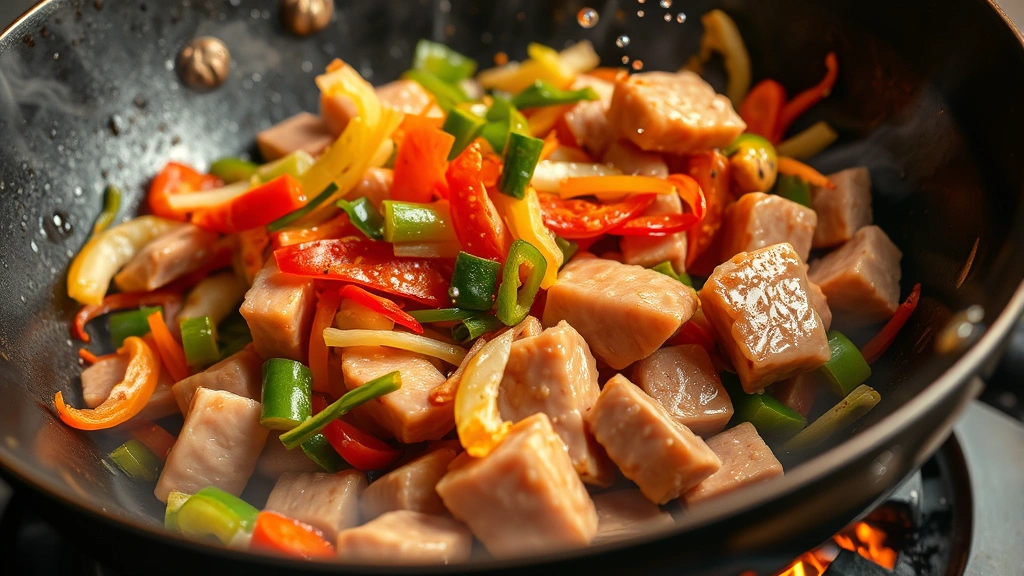
- Heat a large wok or 12-inch skillet over high heat until smoking, about 2 minutes. This step is essential for achieving restaurant-style results.
- Add 1 tablespoon of vegetable oil and swirl to coat. Immediately add the pork pieces in a single layer and let them sear undisturbed for 2 minutes until golden.
- Stir the pork and cook for another 2 minutes until just cooked through. Transfer to a clean plate and set aside.
- Add remaining 2 tablespoons oil to the hot wok. Once shimmering, add the garlic and ginger, stirring constantly for 15 seconds until fragrant.
- Add the harder vegetables first: celery and mushrooms. Toss continuously for 1 minute, then add the cabbage and bell pepper.
- Cook the vegetables for 2 minutes, stirring constantly, until they’re crisp-tender but still have vibrant color.
- Return the pork to the wok along with any accumulated juices. Pour in the soy sauce, oyster sauce, and sesame oil, tossing everything to combine.
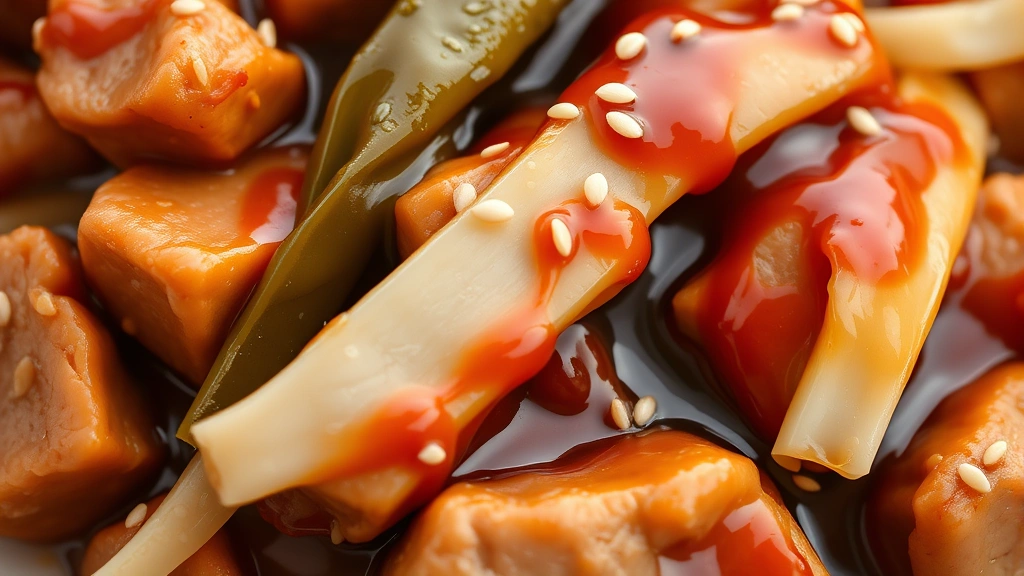
- Drizzle in the cornstarch slurry while stirring continuously. This thickens the sauce into a glossy coating that clings to every ingredient.
- Add the white pepper and toss everything together for 30 seconds. The entire cooking process should take no more than 5 minutes.
- Remove from heat and stir in the sliced green onions. Taste and adjust seasonings if needed.
- Serve immediately over crispy chow mein noodles or steamed rice. Garnish with sesame seeds if desired.
Pro Tips
Mise en place is everything with this recipe. Because the cooking happens so quickly—just 5 minutes from start to finish—having everything prepped and ready prevents you from scrambling mid-cook. Chop your vegetables into uniform sizes so they cook evenly and look beautiful in the final dish.
Heat matters more than you might think. If your wok or skillet isn’t sufficiently hot, the vegetables will steam rather than sear, resulting in mushy rather than crisp textures. You want to hear a sizzle when ingredients hit the pan—that’s the sound of proper cooking happening.
The cornstarch slurry is what creates that signature glossy sauce. Don’t skip it or substitute with flour, which can make the sauce cloudy. If you prefer a saucier chop suey, simply increase the cornstarch mixture to 1.5 teaspoons cornstarch with 3 tablespoons water. Conversely, if you like it less saucy, reduce the liquid by half.
Protein substitutions work beautifully here. Shrimp cooks in just 2-3 minutes, so watch it carefully to avoid overcooking. Beef tenderloin or sirloin creates a more luxurious version, while firm tofu makes an excellent vegetarian option—just press it well and let it sear properly for better texture.
For vegetable variations, water chestnuts add wonderful crunch, while bok choy brings authentic flavor. Snow peas cook quickly and add elegance. Avoid vegetables that need long cooking times like carrots or broccoli unless you slice them paper-thin. The goal is everything finishing at exactly the same moment.
Storage is straightforward. Keep leftover chop suey in an airtight container in the refrigerator for up to four days. The flavors actually develop slightly as it sits, making it even more delicious the next day. Reheat gently in a skillet or wok over medium-high heat, stirring frequently and adding a splash of water if needed to restore the sauce consistency.
If you’re making this for guests, prep all ingredients while they have drinks and appetizers. Once everyone’s seated, you’ll be serving steaming hot chop suey within minutes—that’s impressive without being stressful. The entire meal comes together so quickly that you’ll spend more time at the table enjoying their company than cooking.