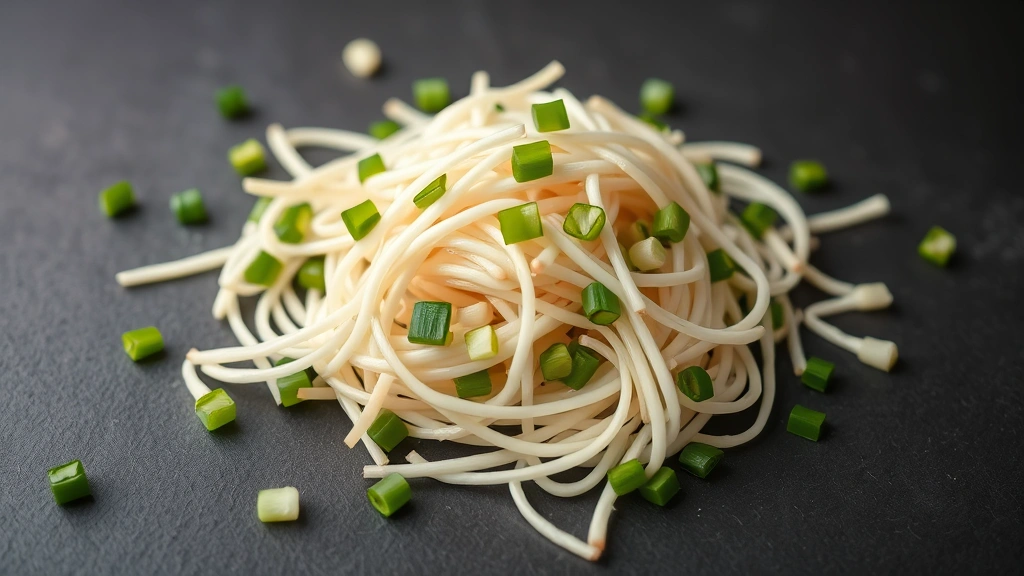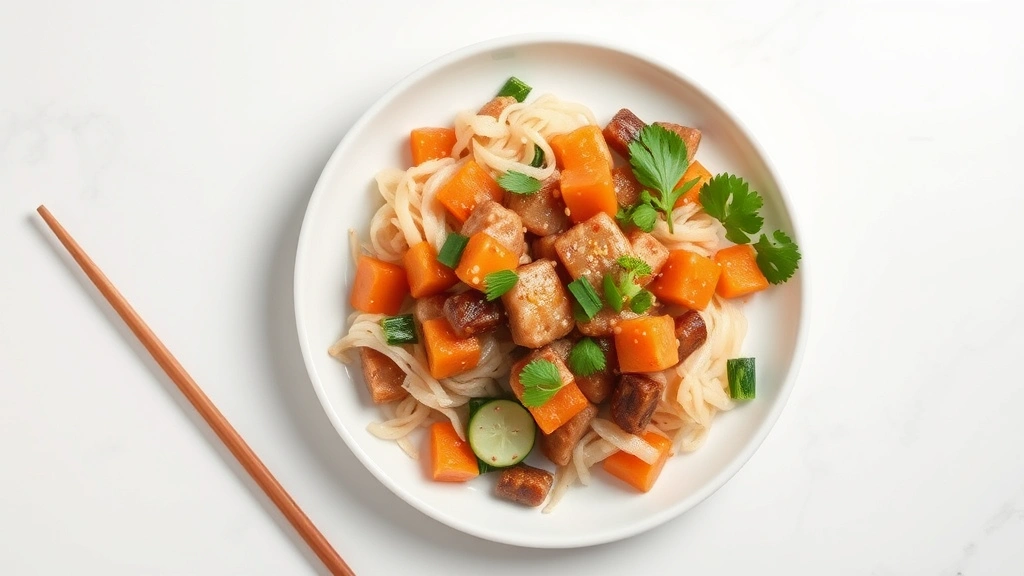
This chow fun recipe is your ticket to authentic restaurant-style noodles that rival your favorite takeout spot. I’m talking about those gloriously wide, silky rice noodles tossed with tender proteins, crisp vegetables, and an irresistible savory sauce that coats every single strand.
The beauty of making chow fun at home? You control every ingredient, dial in the heat level exactly how you like it, and honestly, it comes together faster than you’d think. Plus, your kitchen will smell absolutely incredible.
Jump To Section
Why This Recipe Works
Authentic chow fun relies on three non-negotiable elements: proper wok heat, fresh rice noodles (not dried), and impeccable timing. When you nail these components, something magical happens—the noodles develop those coveted crispy edges while staying tender inside, creating textural contrast that makes every bite satisfying.
The high heat is crucial here. A proper wok toss creates wok hei, that smoky, slightly charred flavor you taste in restaurant kitchens. Meanwhile, the sauce clings beautifully to the wide noodles without making them soggy. Additionally, the quick cooking method preserves the vegetables’ crisp-tender texture and vibrant colors.
What sets this apart from other noodle dishes? The width of the noodles themselves. They’re substantial enough to carry sauce and toppings, yet delicate enough to absorb flavors throughout. I’ve tested this with thinner noodles, and honestly, it’s just not the same experience.
Ingredient Tips & Substitutions
Fresh rice noodles are non-negotiable for authentic results. Look for them in the refrigerated section of Asian markets—they’re often labeled as “chow fun noodles” or “wide rice noodles.” If you absolutely cannot find fresh ones, dried rice noodles work in a pinch, though you’ll need to soak them in hot water for about 10 minutes until pliable.
For protein, I’m using beef here because it’s traditional and cooks quickly at high heat. However, shrimp, chicken, or even tofu work beautifully. Just ensure whatever you choose is cut into bite-sized pieces so it cooks through in seconds rather than minutes.
The sauce is where flavor lives. Dark soy sauce provides umami depth, while oyster sauce adds that savory-sweet richness. If you’ve never tried making noodle dishes at home, this sauce combination is your foundation for success. Bean sprouts add freshness and crunch—I recommend adding them raw at the very end so they maintain their bite. For the green onions, use both white and green parts; the white parts cook slightly while the green adds a fresh finish.
Regarding substitutions: white soy sauce can replace dark soy if you prefer a lighter color. Hoisin sauce mixed with soy sauce works if you’re missing oyster sauce. Sesame oil is essential though—it’s the finishing touch that ties everything together.
Cooking Technique Matters
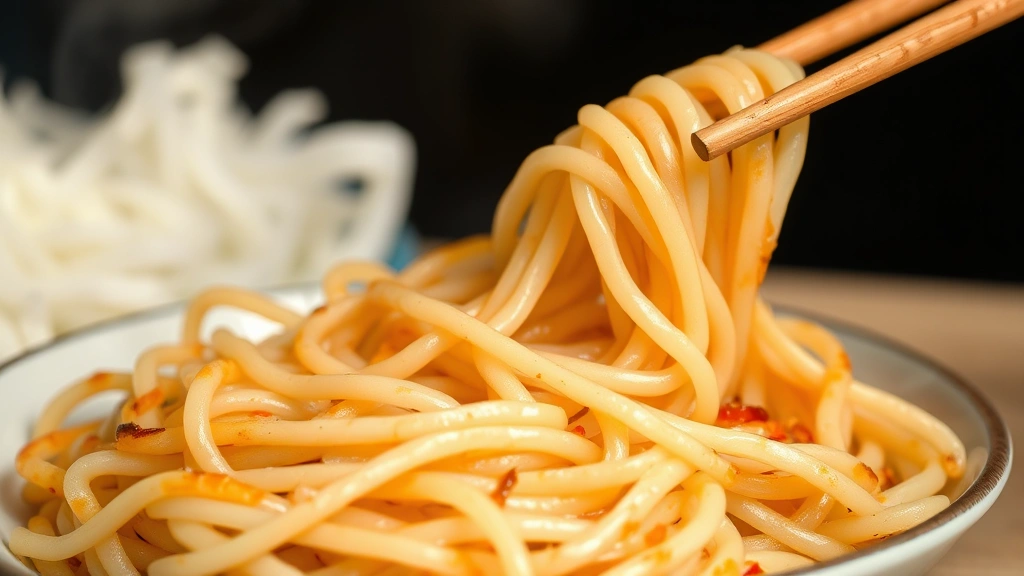
Don’t skip the step of breaking apart the noodle block before cooking. Cold fresh rice noodles come in a compressed brick, and you’ll want them loosened so they cook evenly and don’t clump together in one giant mass.
Here’s my pro tip: have everything prepped and within arm’s reach before you start cooking. Once the wok hits temperature and you add the oil, things move fast. Like, genuinely fast. You’re looking at maybe 5-7 minutes from protein hitting the wok to finished dish on your plate. This is why mise en place (having everything measured and ready) transforms the experience from stressful to smooth.
The wok temperature should be screaming hot. If you don’t have a wok, a large skillet works, though you won’t get quite the same wok hei effect. The curved shape of a wok allows ingredients to move around more freely, creating those gorgeous crispy bits.
Serving Suggestions
Chow fun is wonderful on its own, but pairing it with sides elevates the entire meal. A crisp homemade Caesar salad provides cool, refreshing contrast. Alternatively, try a bright cucumber salad for something lighter and more Asian-inspired.
For a complete Chinese dinner experience, serve this alongside other dishes. Steamed dumplings, a simple stir-fried vegetable dish, or even egg fried rice round out the spread. The key is balance—not everything needs to be heavy and rich.
Don’t forget condiments! Set out extra soy sauce, sriracha, chili oil, and white pepper. Everyone has different heat preferences, and offering options means everyone leaves happy.
Storage & Reheating
Leftover chow fun keeps in an airtight container in the refrigerator for up to 3 days. The noodles will firm up as they cool, which is totally normal. When reheating, add a splash of water and warm gently in a skillet over medium-high heat, tossing frequently. This prevents the noodles from drying out while restoring their tender texture.
Honestly though? This dish is best eaten fresh and hot, right after cooking. The noodles have this incredible texture that’s hard to replicate once they’ve cooled. If you’re meal prepping, I’d suggest cooking the components separately and assembling just before eating.
For meal prep enthusiasts, you can prep all the ingredients the night before and store them separately. The noodles can stay in their packaging. The sauce can be mixed in a small jar. Proteins can be in one container, vegetables in another. Then cooking is just assembly and wok time.
Why You’ll Love Making This At Home
Beyond the incredible taste, homemade chow fun gives you complete control over sodium levels, oil amounts, and ingredient quality. You know exactly what’s going into your food—no mystery ingredients or excessive sodium lurking in takeout versions.
There’s also something deeply satisfying about creating restaurant-quality food in your own kitchen. The sizzle of the wok, the aromatics hitting the air, watching everything come together in minutes—it’s pure cooking joy. For inspiration on other noodle dishes, check out how to make impressive pasta at home; the principles of high-heat cooking and sauce application are surprisingly similar.
This chow fun recipe has become a weeknight staple in my kitchen because it’s impressive enough for guests, quick enough for busy weeknights, and delicious enough that everyone asks for seconds. Once you master the technique, you’ll find yourself making it regularly. The investment in learning proper wok technique pays dividends across so many Asian noodle and stir-fry recipes.
Start with this recipe exactly as written, then feel free to experiment. Swap proteins, add different vegetables, adjust the sauce to your taste preferences. The foundation is solid, and it’s flexible enough to accommodate your creativity. That’s the mark of a truly great recipe—it works as written but also serves as a springboard for your own culinary adventures.
Ingredients
Instructions