

A cloud dough recipe is the perfect sensory activity for young children, and honestly, it’s one of the easiest projects you can make at home with just two simple ingredients. This moldable, squeezable dough feels like a cloud in your hands—soft, pillowy, and absolutely magical for little ones exploring textures and creativity. If you’ve ever wanted to create something fun and mess-free for your kids without complicated supplies, this is it.
I first discovered cloud dough when my daughter was three years old and refusing traditional play dough because it felt “icky” on her hands. After some research, I stumbled upon this genius two-ingredient recipe that changed everything. Within minutes, she was scooping, squishing, and building structures with pure joy. Now, years later, it remains our go-to activity for rainy afternoons and quiet time.
Jump To Section
What makes this cloud dough recipe so special is its simplicity combined with sensory magic. Unlike store-bought play dough that can dry out, crack, or leave stains on furniture, cloud dough is forgiving, clean, and incredibly soft. The texture is honestly addictive—even adults find themselves playing with it. Plus, if your child accidentally puts it in their mouth (which happens), you won’t panic because it contains only edible ingredients.
Why This Recipe Works
This cloud dough recipe works beautifully because it relies on the perfect ratio of two humble ingredients that you probably already have in your kitchen. The combination creates a dough that’s moldable yet crumbly, soft yet structured enough to hold shapes. It’s the Goldilocks of sensory play—not too sticky, not too dry, but just right.
The genius of this recipe lies in how quickly it comes together. You’re not cooking, heating, or mixing complicated ingredients—just a few minutes of work gives you an activity that’ll entertain kids for hours. Additionally, the dough has an incredibly satisfying texture that engages the senses without overwhelming sensitive children who struggle with traditional play dough.
For instance, children with sensory sensitivities often find cloud dough more approachable because it doesn’t have the strong chemical smell of commercial play dough. The texture is lighter, airier, and more forgiving on developing hands and fine motor skills.
Ingredient Tips & Substitutions
The two ingredients in this cloud dough recipe are so basic that there’s minimal room for substitution, but understanding each ingredient helps you achieve the perfect consistency. The first ingredient is all-purpose flour, which provides structure and holds everything together. Make sure you’re using regular all-purpose flour—specialty flours won’t give you the same results.
The second ingredient is baby oil, which creates that impossibly soft, cloud-like texture. However, if you don’t have baby oil on hand, you can substitute with mineral oil, coconut oil, or even vegetable oil. Each will create slightly different textures—coconut oil will be firmer, while vegetable oil creates a slightly wetter dough. For the best cloud dough recipe results, baby oil is truly the MVP because it doesn’t leave greasy residue on hands and smells pleasant.
If your dough feels too crumbly, you need more oil—add it one teaspoon at a time. Conversely, if it’s too oily and won’t hold shapes, incorporate a bit more flour gradually. This simple adjustment process is part of the fun and teaches kids about how ingredients interact.
Serving Suggestions & Play Ideas
While cloud dough recipe isn’t technically “food,” the serving suggestions refer to how you present and use it for maximum sensory engagement. Spread it out on a large, flat surface like a baking sheet, shallow bin, or plastic tablecloth for easy cleanup and exploration. The key is giving your child space to play without feeling restricted.
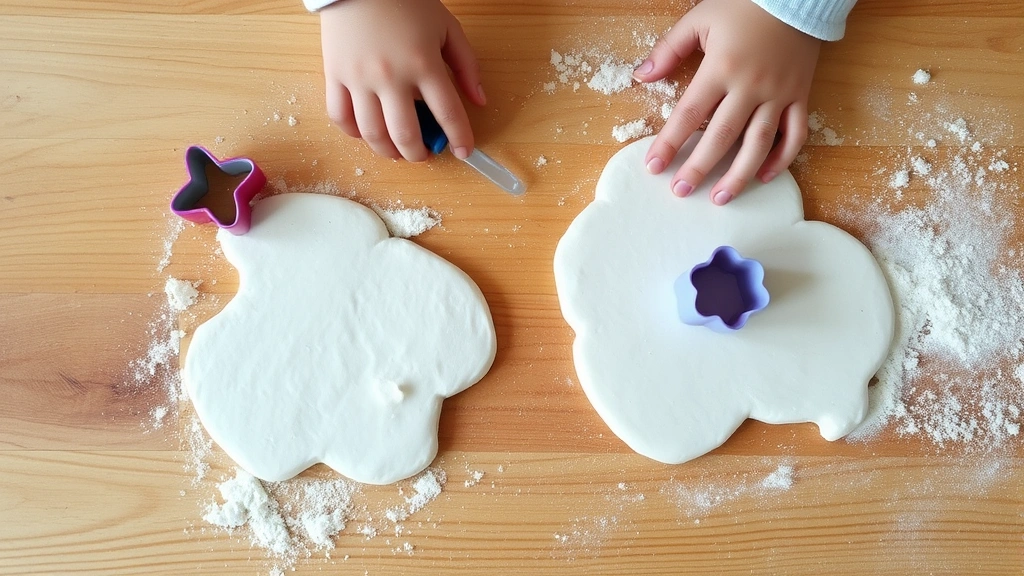
Enhance the sensory experience by adding small toys, cookie cutters, rolling pins, or plastic utensils. Children can scoop, mold, and create with these tools, developing fine motor skills while having fun. Moreover, you can hide small toys in the dough for a treasure-hunt style play session—kids love the surprise of discovering hidden objects.
For older kids, try adding different scents like vanilla extract, peppermint, or a drop of food coloring to create colored cloud dough varieties. This teaches them about mixing and experimenting while making the sensory experience even richer. You can create a whole sensory station with multiple colors and textures for extended play.
Storage & Longevity
One of the best aspects of this cloud dough recipe is how long it lasts compared to traditional play dough. When stored properly in an airtight container, cloud dough stays fresh for several weeks, sometimes even months. The oil actually preserves it, preventing the drying out that plagues other homemade doughs.
Store your cloud dough in a sealed plastic container, zip-lock bag, or glass jar away from direct sunlight and heat. Keep it in a cool place—your pantry is perfect. If you notice any discoloration or smell, it’s time to toss it and make a fresh batch. However, this rarely happens because the ingredients are naturally shelf-stable.
Between play sessions, simply cover your dough to prevent dust from settling on it. If it does accumulate some lint or debris, you can gently brush it away or pick out larger particles. The dough is forgiving and doesn’t require fussy maintenance, which is part of its charm.
Perfect for All Ages & Occasions
This cloud dough recipe works beautifully for children from about 18 months through elementary school age, though teenagers and adults enjoy it too. For very young toddlers, supervise closely to ensure they don’t eat it (though it’s non-toxic). For older kids, it becomes a canvas for creativity and imagination.
Cloud dough is perfect for rainy day entertainment, quiet time activities, birthday party favors, or classroom sensory stations. Teachers and therapists love this recipe because it’s inexpensive, easy to make in bulk, and provides genuine sensory benefits. Additionally, it’s an excellent tool for children with anxiety or restlessness—the tactile engagement is naturally calming.
Parents appreciate this cloud dough recipe because it’s screen-free entertainment that doesn’t require constant adult involvement or complicated cleanup. Unlike finger painting or kinetic sand, there’s minimal mess, and any residue washes away easily. It’s the kind of simple activity that feels like a parenting win.
Ready to create some sensory magic? This cloud dough recipe takes five minutes to make and provides hours of engagement. Your kids will be amazed at how soft and satisfying it feels, and you’ll love the peace and quiet that comes with it. Trust me—once you discover this recipe, you’ll make it again and again.
Ingredients
- 2 cups all-purpose flour
- 1 cup baby oil (or mineral oil, coconut oil, or vegetable oil)
Instructions
- Pour 2 cups of all-purpose flour into a large mixing bowl.
- Slowly add 1 cup of baby oil to the flour, stirring continuously with a spoon or fork.
- Mix thoroughly until the dough comes together and resembles wet sand or breadcrumbs.
- Once combined, use your hands to knead the mixture for 1-2 minutes until it reaches a soft, cloud-like consistency.
- Test the texture by squeezing a handful—it should hold together but feel light and pillowy, not sticky or overly crumbly.
- If too crumbly, add more oil one teaspoon at a time. If too oily, incorporate a bit more flour gradually.
- Transfer to an airtight container or spread on a baking sheet, and your cloud dough is ready to play with immediately.
- Provide small toys, cookie cutters, rolling pins, and other tools to enhance the sensory play experience.
- Supervise young children during play, and ensure they wash their hands after playtime (optional—the ingredients are non-toxic).

Pro Tips
Storage is simple with this cloud dough recipe. Keep it in a sealed container in a cool, dry place like your pantry, and it’ll last for several weeks or even months. The oil actually preserves the dough naturally, preventing the hardening that happens with water-based play doughs. Between play sessions, just cover it to prevent dust accumulation.
If you want to customize this cloud dough recipe, try adding a few drops of essential oil or food coloring for scent and visual appeal. Vanilla, peppermint, and lavender are popular choices. Simply mix these additions into the dough after the initial flour and oil combination. For colored dough, add food coloring while mixing, though note that the oil can make some colors appear slightly muted.
One helpful tip: if you’re making cloud dough for a classroom or large group, you can easily double or triple this recipe using the same proportions. A gallon-sized zip-lock bag is perfect for storing larger batches. Additionally, you can make several small batches with different scents and colors, creating a sensory station that keeps kids engaged longer.
For children with very sensitive skin, ensure their hands are clean and dry before playing, and have them wash up afterward. Although baby oil is generally gentle, some kids with eczema or extreme sensitivities may prefer mineral oil instead. Moreover, if you’re concerned about any ingredient, you can always do a small patch test first.
This cloud dough recipe is completely non-toxic and safe if accidentally ingested, which makes it ideal for younger toddlers who explore everything with their mouths. However, it’s not meant to be eaten, so encourage children not to taste it. The texture and appearance make it clearly distinguishable from food once kids understand the concept.
If your cloud dough starts feeling a bit dry after extended play, simply knead it for a minute or two, and it’ll regain its softness. You can also add a tiny bit more oil if needed. This dough is incredibly forgiving and easy to adjust, making it perfect for beginners or anyone hesitant about DIY sensory activities.