
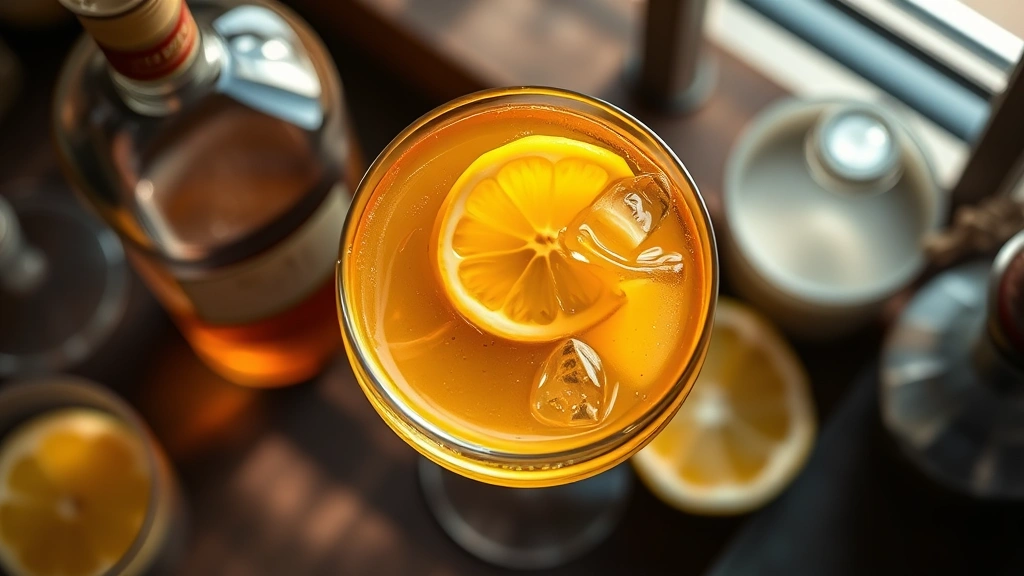
If you’re looking to master cognac cocktail recipes, you’ve come to the right place. These twelve essential drinks showcase the incredible depth and versatility of this French brandy, from classic sips that defined cocktail culture to modern creations that push boundaries.
Cognac isn’t just for sipping neat after dinner. When you understand how to work with its rich vanilla, oak, and stone fruit notes, you unlock a world of sophisticated mixed drinks that impress everyone from casual drinkers to seasoned cocktail enthusiasts.
Jump To Section
- Ingredients
- Instructions
- Why Cognac Makes the Perfect Cocktail Base
- Understanding Cognac Quality for Your Cocktails
- Essential Techniques for Cognac Cocktails
- Ingredient Pairings That Shine with Cognac
- Building Your Home Bar for Cognac Cocktails
- Cognac Cocktail Recipes from Classic to Contemporary
- Serving and Presentation Matter
Why Cognac Makes the Perfect Cocktail Base
The beauty of cognac lies in its complexity. Unlike many spirits that need heavy-handed sweetness or citrus to shine, quality cognac brings its own narrative to the glass. It has structure, warmth, and an elegance that elevates any drink it touches.
Cognac’s aging process in French oak barrels creates layer upon layer of flavor. You get hints of dried apricot, toasted hazelnuts, and caramel dancing alongside subtle spice. This means your cognac cocktails taste sophisticated without requiring ten different ingredients.
Additionally, cognac’s higher alcohol content means it stands up beautifully to bold ingredients like amaro, intense bitters, or rich liqueurs. It doesn’t get lost in the mix. Instead, it anchors the drink and creates harmony.
Understanding Cognac Quality for Your Cocktails
Not all cognac costs a fortune, and you don’t need to break the bank for excellent cocktail recipes featuring this spirit. However, understanding the labeling system helps you make smart choices.
VS (Very Special) cognacs have aged at least two years. VSOP (Very Superior Old Pale) means at least four years of aging. XO (Extra Old) requires minimum ten years in barrel. For cocktails, a solid VSOP or even quality VS cognac works beautifully. Save the rare, expensive XOs for sipping neat.
Think of it this way: you’re building a drink, not drinking straight from a snifter. A mid-range VSOP cognac will deliver all the character you need while leaving room in your budget for premium ingredients like fresh citrus and quality vermouths.
Essential Techniques for Cognac Cocktails
Mastering a few simple techniques transforms your home bar setup. Most cognac cocktails fall into two categories: those you stir and those you shake.
Stirred drinks—like the Sazerac and Sidecar variations—emphasize cognac’s smooth, warming qualities. You’re chilling and diluting just enough to open up the flavors without bruising or over-aerating. Use a mixing glass, good ice, and stir for about thirty seconds until the glass frosts.
Shaken drinks incorporate citrus, cream, or egg white, requiring more vigorous mixing. The shaker aerates and combines ingredients thoroughly. However, even here, cognac deserves respect—you’re not shaking like you’re mixing a margarita. Gentle, confident movements create the right texture.
Ingredient Pairings That Shine with Cognac
Certain flavors have a natural affinity with cognac. Dry vermouth creates elegant balance, while sweet vermouth adds richness and herbaceous notes. Amaro brings bitter-sweet complexity that makes cognac’s vanilla notes sing even louder.
Citrus—especially lemon and orange—provides brightness and cuts through cognac’s warmth. Fresh citrus juice matters here; bottled versions simply won’t deliver the same vibrancy. Meanwhile, honey, vanilla syrup, and even ginger bring complementary sweetness and spice.
For instance, pairing cognac with Chartreuse creates an unexpectedly sophisticated drink. The herbal intensity of Chartreuse doesn’t compete with cognac; instead, it creates a beautiful dialogue. Similarly, quality bitters—aromatic, chocolate, or orange varieties—add depth without overwhelming.
Building Your Home Bar for Cognac Cocktails
You don’t need dozens of bottles to make excellent cognac cocktails. Start with cognac as your base, then add three or four supporting spirits. Dry vermouth, sweet vermouth, and a quality amaro give you tremendous range.
For mixers, keep fresh lemon juice, good ice, quality bitters, and simple syrup on hand. Consider adding honey syrup, vanilla syrup, or ginger syrup as you get comfortable. A bottle of Chartreuse or orange liqueur opens up even more possibilities.
The tools matter more than the inventory. A mixing glass, bar spoon, cocktail shaker, jigger, and strainer handle ninety percent of what you’ll need. You’re not building a nightclub; you’re setting up for success at home.
Cognac Cocktail Recipes from Classic to Contemporary
The Sazerac, Sidecar, and Brandy Alexander represent the holy trinity of classic cognac cocktails. These drinks have endured for a century because they balance cognac’s warmth with complementary flavors in perfect proportion.
Moving toward modern interpretations, you’ll find drinks that play with texture—adding egg white for silky mouthfeel—or incorporating unexpected ingredients like smoked ingredients, tea, or even umami elements.
The magic happens when you respect cognac’s inherent qualities while exploring new territory. A cognac cocktail featuring honey and thyme tastes contemporary yet honors the spirit’s heritage. One with dark chocolate and chili brings drama while letting cognac’s complexity shine through.
Serving and Presentation Matter
How you present a cognac cocktail influences how it’s perceived and enjoyed. The right glassware makes a difference. Coupe glasses suit elegant, silky drinks. Rocks glasses work for stirred, spirit-forward cocktails. Tall glasses showcase layered drinks with visual appeal.
Temperature matters tremendously. Your glassware and mixing vessel should be properly chilled beforehand. A warm glass ruins even the best drink. Conversely, over-dilution from melting ice compromises the drink’s balance.
Garnish thoughtfully. A twist of orange peel, a cherry, or fresh herbs aren’t just decoration—they contribute aroma and flavor. When you express the oils from a citrus peel over your drink, you’re adding complexity right before the first sip.
The twelve essential cognac cocktail recipes in this collection represent different flavor profiles, techniques, and occasions. Some warm you from the inside out on cold evenings. Others refresh and uplift at cocktail hour. Each one teaches you something about how cognac behaves in combination with other ingredients.
As you work through these recipes, you’ll develop intuition about flavor balance and technique. You’ll understand why certain proportions work and how to adjust drinks to your personal taste. That’s when you’ve truly mastered cognac cocktails—not by memorizing recipes, but by understanding the spirit itself.
Ingredients
- 2 ounces cognac (VSOP quality recommended)
- ½ ounce fresh lemon juice
- ½ ounce Cointreau or triple sec
- ¼ ounce simple syrup
- Ice (for mixing)
- Lemon twist (for garnish)
- Aromatic bitters (optional)
- Orange bitters (optional)
Instructions
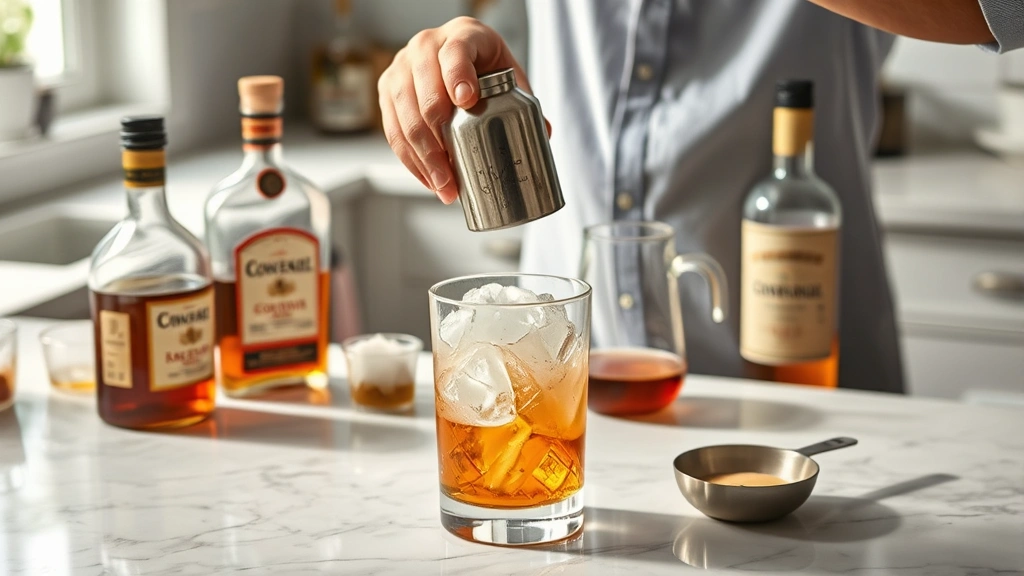
- Fill a cocktail shaker with ice and let it chill for 30 seconds while you measure your ingredients.
- Pour 2 ounces of cognac into the shaker, followed by ½ ounce fresh lemon juice.
- Add ½ ounce Cointreau or triple sec, then ¼ ounce simple syrup.
- Add 2-3 dashes of aromatic bitters if you prefer extra depth and complexity.
- Close the shaker firmly and shake vigorously for about 15 seconds until the outside frosts.
- Strain into a chilled coupe glass using a Hawthorne strainer.
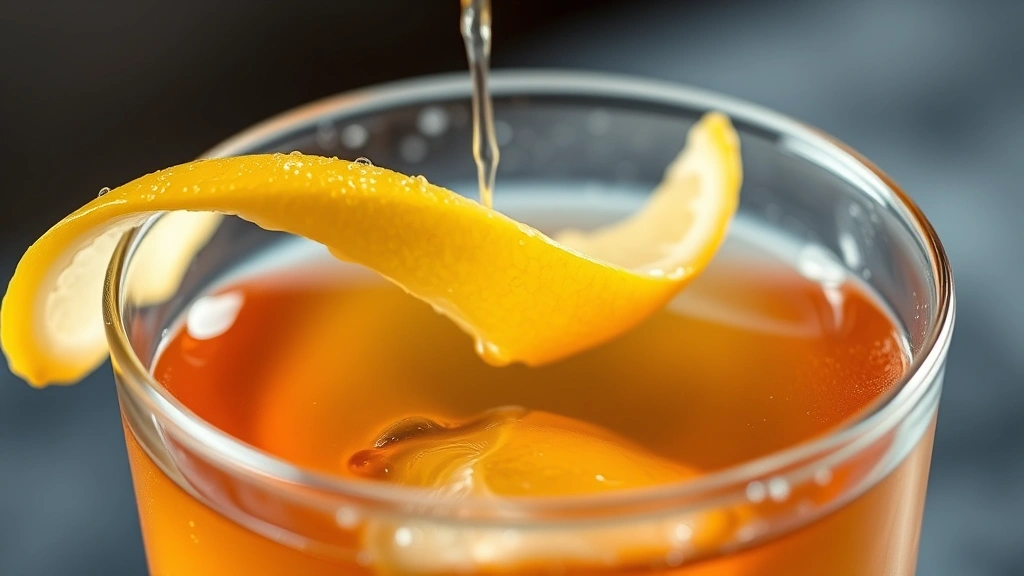
- Express the oils from a lemon twist over the surface of the drink by twisting it over the glass.
- Place the lemon twist on the rim or float it in the drink as garnish.
- Serve immediately and enjoy the balance of cognac, citrus, and subtle sweetness.
Pro Tips
The classic Sidecar represents one of the foundational cognac cocktail recipes that every home bartender should master. This drink balances cognac’s warmth with bright citrus and subtle orange liqueur sweetness. The proportions matter—too much lemon makes it sour, too little simple syrup and it tastes harsh and one-dimensional.
For substitutions, you can replace Cointreau with Grand Marnier for a richer, slightly more complex drink. Some bartenders prefer a 1:1 ratio of lemon juice to liqueur, while others add slightly more syrup. Start with the proportions provided, taste, and adjust to your preference.
The quality of your lemon juice directly impacts this drink. Fresh-squeezed lemon juice creates brightness and complexity that bottled versions simply cannot match. If you’re making multiple cognac cocktails, fresh juice makes a noticeable difference across all recipes.
Temperature control is crucial for this drink’s success. Your coupe glass should be chilled beforehand—place it in the freezer for at least five minutes or fill it with ice while you prepare the drink. A warm glass dilutes the cocktail unevenly and compromises the carefully balanced flavors.
The lemon twist garnish isn’t decorative—it’s functional. When you express the oils from the peel over the drink, you add aromatic complexity and a hint of bitterness that balances the sweetness. This small gesture elevates the entire experience.
Aging and temperature also affect how cognac performs in cocktails. Cognac served at room temperature versus chilled displays different flavor profiles. Experiment with temperature to discover how it influences your drinking experience.
Storage for your cognac cocktail ingredients is straightforward. Keep cognac in a cool, dark place away from direct sunlight. Once opened, it remains stable for months. Fresh citrus should be used within a few days of cutting. Simple syrup keeps refrigerated for up to a month, while premium liqueurs maintain their quality indefinitely when stored properly.