
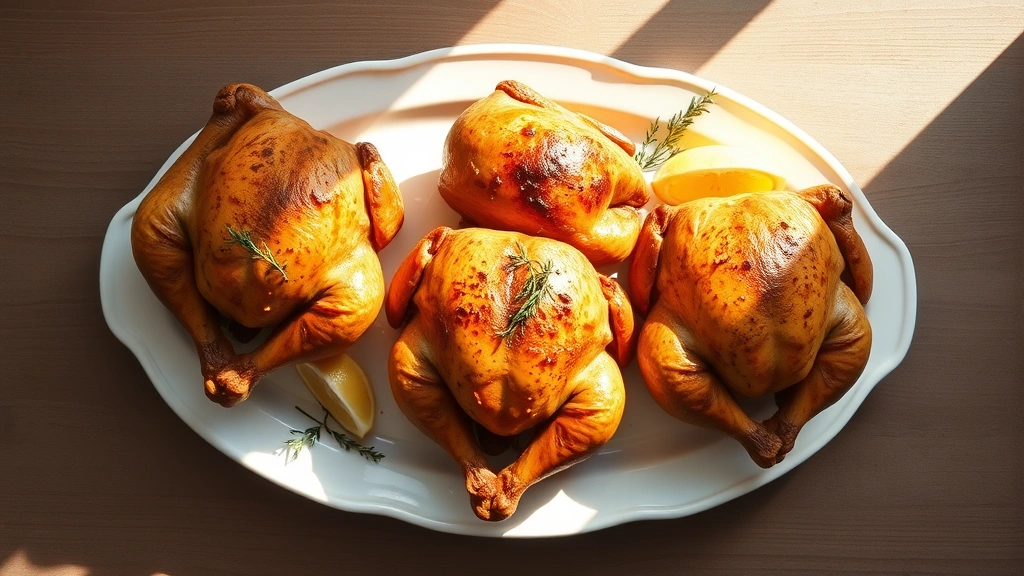
A cornish game hen recipe is the secret weapon for creating an elegant, restaurant-quality dinner that feels absolutely effortless. These petite birds are pure magic—roasted until the skin crackles with golden perfection while the meat stays impossibly juicy inside.
I discovered cornish game hens years ago when I was intimidated by whole chickens. The beauty of these smaller birds is that they cook faster, look stunning on the plate, and give everyone their own perfectly portioned bird. No carving required. No fussy plating. Just pure, elegant simplicity.
Jump To Section
The first time I served them, my guests were absolutely enchanted. There’s something magical about presenting each person with their own whole bird, bronzed and beautiful. It feels fancy without requiring any special culinary skills—just basic roasting technique and good ingredients.
Why This Recipe Works
This cornish game hen recipe succeeds because it respects the bird’s natural qualities. These hens have tender, delicate meat that needs nothing more than salt, pepper, and a hot oven. The key is getting that oven screaming hot before the birds go in, which creates crispy skin in about 45 minutes.
Unlike larger chickens that need tent-and-tent-opening choreography, cornish game hens cook evenly and predictably. Meanwhile, the herbs tucked inside perfume the meat as it roasts. Butter brushed on top creates that gorgeous mahogany color that makes people stop and stare before they even taste it.
Additionally, the meat-to-bone ratio is exceptional on these birds. You get tender, succulent meat without the dryness you sometimes encounter with massive chicken breasts. Every bite tastes like you spent hours in the kitchen when you really just spent minutes prepping.
Ingredient Tips & Substitutions
Quality matters here since the ingredient list is so short and simple. Look for fresh cornish game hens at your butcher counter, not frozen. The difference in texture and flavor is noticeable. For instance, fresh birds have a more delicate, tender quality that frozen birds struggle to match.
The herbs inside can be customized based on what you love. Thyme and rosemary are classic, but try tarragon for a more French approach, or sage for something earthier. Fresh herbs make a visible, aromatic difference, so skip the dried versions if you can.
Butter should be unsalted so you control the seasoning throughout. A good coarse sea salt and freshly cracked black pepper matter more than you’d think on such a simple dish. For the pan, use a sturdy roasting pan that conducts heat evenly—this ensures the bottoms of the birds brown properly.
Lemon adds brightness without overpowering. You could also use halved garlic cloves or orange segments inside the cavity. The beauty of this recipe is how it accepts variations while maintaining its essential elegance.
Serving Suggestions
Cornish game hens pair beautifully with elegant sides that feel equally special. Roasted root vegetables—carrots, parsnips, Brussels sprouts—can roast alongside the birds in the same pan. They’ll soak up all those wonderful pan juices and emerge caramelized and tender.
For a lighter approach, consider a simple quick southern chicken salad recipe on the side, or serve with creamy mashed potatoes and wilted greens. A best feta pasta recipe also makes an unexpectedly wonderful complement to these roasted birds.
The pan drippings make an incredible sauce without any extra work. Simply deglaze the hot roasting pan with a splash of white wine or chicken broth, scraping up all those caramelized bits. Let it reduce slightly, finish with a knob of butter, and you have a silky sauce that elevates everything on the plate.
Wine pairing is wonderfully flexible. A crisp white like Sauvignon Blanc or Pinot Grigio works beautifully, as does a light red like Pinot Noir. The key is avoiding anything too heavy that would overwhelm the delicate poultry flavor.
Storage & Reheating
Roasted cornish game hens keep beautifully in the refrigerator for up to three days in an airtight container. The meat actually tastes even more flavorful the next day as flavors meld and deepen.
To reheat, place the birds in a 350°F oven for about 15 minutes, covered loosely with foil to prevent drying. Alternatively, you can shred the meat and use it in salads, pasta dishes, or grain bowls. The tender meat works wonderfully in best pesto chicken pasta recipe applications or atop fresh greens.
You can also freeze roasted birds for up to two months if wrapped well. Just thaw overnight in the refrigerator before reheating. The bones make exceptional stock for soups and sauces—nothing goes to waste.
Why Cornish Game Hens Beat Chicken
These birds are genuinely special, and once you cook them, you’ll understand why fancy restaurants feature them on their menus. They’re more tender than regular chickens, cook faster, and present more elegantly without requiring advanced butchering skills.
The cooking time is significantly shorter than a full-size bird. Forty-five minutes in a hot oven gives you restaurant-quality results at home. There’s no stress about undercooking, no waiting forever for a massive bird to finish, just straightforward, reliable roasting.
Additionally, cornish game hen recipes let you control portions perfectly. Each guest gets their own bird, which feels luxurious and special. Nobody’s left picking at cold chicken while waiting for someone to finish carving—everyone starts eating at the same time.
For special occasions or when you want to impress without stress, this cornish game hen recipe delivers every single time. The technique is foolproof, the results are stunning, and the prep work is minimal. That’s the kind of recipe that makes you feel like a confident cook.
Check out resources like Serious Eats poultry guides and New York Times Cooking for additional inspiration on roasting techniques. Bon Appétit’s poultry collection also offers wonderful variations on this elegant preparation.
Once you master this basic roasted technique, you’ll find yourself reaching for cornish game hens regularly. They’re perfect for date nights, small dinner parties, or whenever you want to feel like you spent all day cooking when you really just roasted a beautiful bird. That’s the magic of a great cornish game hen recipe.
Ingredients
- 4 fresh cornish game hens (1.5 to 2 pounds each)
- 6 tablespoons unsalted butter, softened
- 2 teaspoons coarse sea salt
- 1 teaspoon freshly cracked black pepper
- 8 sprigs fresh thyme
- 4 sprigs fresh rosemary
- 2 lemons, halved
- 4 cloves garlic, smashed
- 1 cup chicken broth (for pan sauce)
- ½ cup dry white wine (for deglazing)
Instructions
- Remove cornish game hens from refrigerator 30 minutes before roasting to bring them to room temperature. Preheat your oven to 450°F, positioning the rack in the lower third of the oven.
- Pat the birds completely dry with paper towels—this is crucial for crispy skin. Don’t skip this step, as moisture prevents browning.
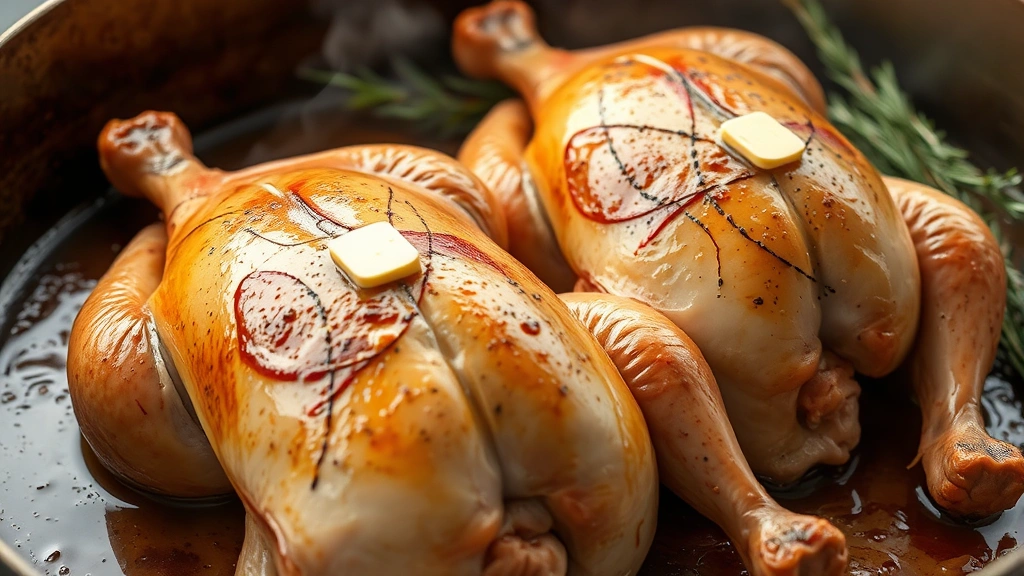
- Rub each hen inside and out with softened butter, using about 1.5 tablespoons per bird. Be generous and work the butter under the skin as much as possible.
- Season the outside of each bird generously with salt and pepper, making sure to coat all surfaces evenly. Season the cavity as well.
- Stuff each hen’s cavity with 2 thyme sprigs, 1 rosemary sprig, half a lemon, and a smashed garlic clove. These aromatics will perfume the meat as it roasts.
- Arrange hens breast-side up on a sturdy roasting pan, spacing them about 2 inches apart so heat circulates evenly around each bird.
- Roast for 40 to 45 minutes, until the skin is deep golden brown and the thickest part of the thigh reaches 165°F on an instant-read thermometer. The birds are done when juices run clear.
- Remove the roasting pan from the oven and transfer birds to a warm platter, tenting loosely with foil. Let rest for 5 minutes before serving.
- Place the roasting pan on the stovetop over medium-high heat. Pour in white wine and chicken broth, scraping up all the caramelized bits with a wooden spoon.
- Let the pan sauce reduce for 3 to 4 minutes until it’s slightly thickened and concentrated. Taste and adjust seasoning with salt and pepper.
- Strain the pan sauce through a fine-mesh sieve into a serving bowl. Finish with a knob of cold butter whisked in for silky richness.
- Serve each guest a whole hen on their plate with pan sauce drizzled over the top. Accompany with roasted vegetables and your choice of sides.
Pro Tips
These birds cook remarkably fast compared to full-size chickens, so watch them carefully during the final 10 minutes of roasting. Every oven runs slightly differently, so internal temperature is your true guide—don’t rely solely on time.
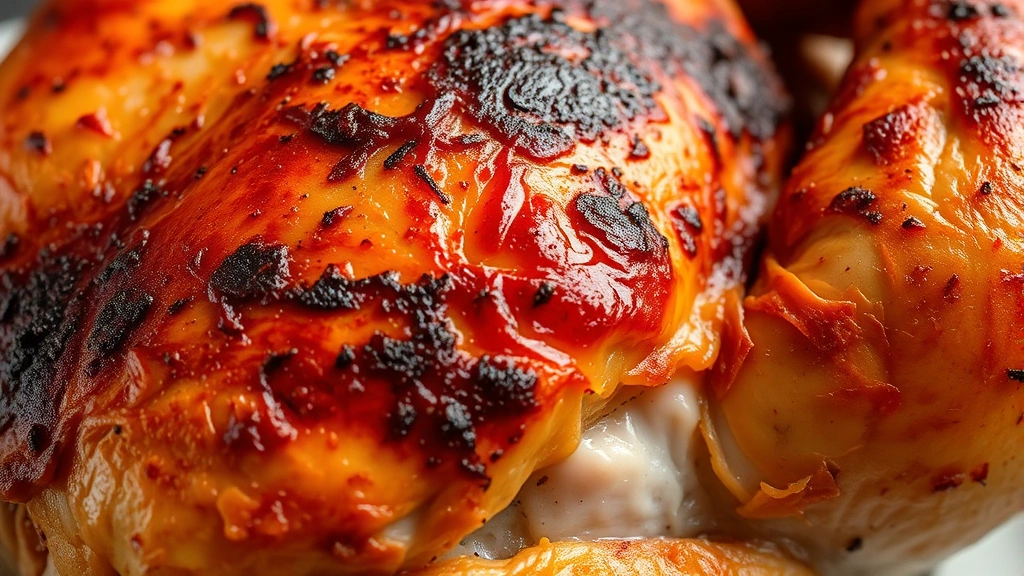
The skin is the star here, so make sure your oven is truly preheated to 450°F before the birds go in. A slow start won’t give you that essential crispy exterior. Use an oven thermometer if you’re unsure about your oven’s accuracy.
Prep work can happen hours ahead. You can stuff and butter the hens in the morning, cover them loosely, and refrigerate until 30 minutes before roasting. This makes the recipe even more convenient for entertaining.
The resting period is non-negotiable—those five minutes allow the meat fibers to relax and reabsorb juices. Skip it and you’ll lose precious moisture. Meanwhile, resting gives you time to finish sides and set the table without rushing.
For substitutions, any fresh herbs work beautifully—try sage for an earthier flavor, tarragon for French elegance, or oregano for Mediterranean vibes. Orange segments can replace lemon for a slightly sweeter note.
Frozen cornish game hens work in a pinch, but thaw them completely in the refrigerator first. Fresh birds truly cook more evenly and taste more delicate, so seek them out at your butcher if possible.
The pan sauce is completely optional but highly recommended. Those browned bits contain incredible flavor, and deglazing takes just minutes. You can also make a simple pan sauce with just butter and fresh lemon juice if wine isn’t available.
Leftover meat keeps for three days refrigerated and works wonderfully in salads, grain bowls, or alongside rice pilaf. The bones make beautiful stock for soups—never waste them. Freeze bones in a freezer bag until you have time to simmer them into liquid gold.