
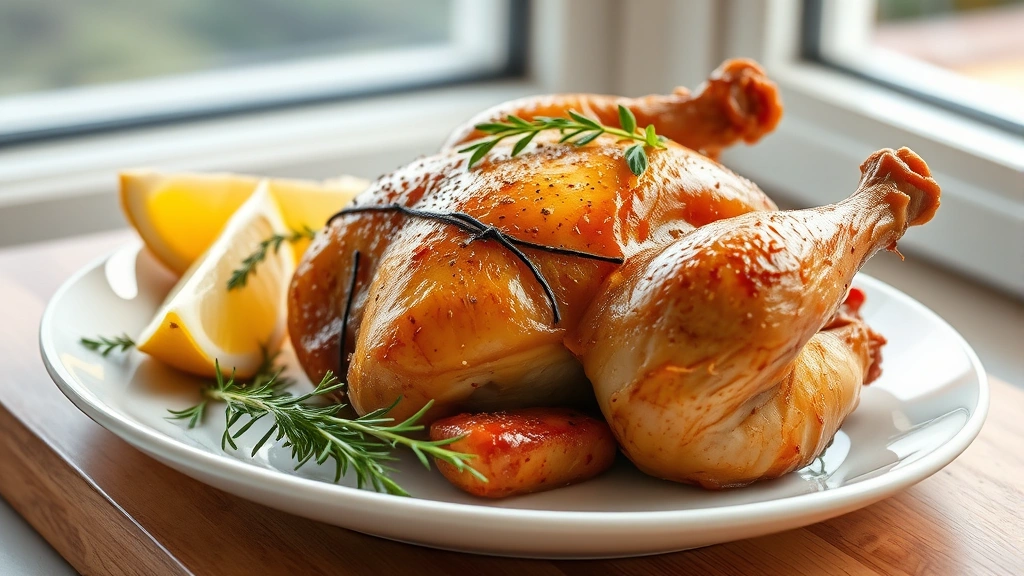
Cornish game hen recipes are the secret weapon for anyone who wants to serve an elegant dinner without spending hours in the kitchen. These adorable little birds are perfectly portioned for individual servings, making them ideal for date nights, special celebrations, or whenever you want to feel fancy without the fuss.
I discovered Cornish game hens years ago when I was intimidated by roasting a whole chicken. The beauty of these petite poultry is that they cook in about 45 minutes, compared to the hour-and-a-half commitment of a regular bird. Plus, there’s something undeniably charming about presenting each guest with their own perfectly golden hen.
Jump To Section
Why This Recipe Works
The magic of Cornish game hen recipes lies in their size and tenderness. Because they’re younger birds, the meat stays incredibly juicy and cooks evenly throughout. There’s no guessing game with dark meat versus white meat—everything reaches the perfect temperature at the same time.
What I love most is the impressive presentation factor. When guests see a whole roasted bird on their plate, they feel celebrated. Yet the reality is that these recipes are genuinely easier than preparing a standard chicken. The cooking time is shorter, the bones are more delicate, and the flavor is subtly more refined.
Additionally, the smaller size means you can experiment with different flavor profiles without worrying about overwhelming a massive bird. From herb-forward preparations to Asian-inspired glazes, these little hens are incredibly versatile canvases for your culinary creativity.
Ingredient Tips & Substitutions
When shopping for Cornish game hens, look for birds that are around 1.5 to 2 pounds each. They should feel plump and have unblemished skin. Most quality butchers and even standard grocery stores carry them, though you may need to call ahead during busy seasons.
The herbs you choose make an enormous difference in the final flavor. Fresh rosemary and thyme are my go-to combination, but don’t hesitate to swap in sage, oregano, or even tarragon depending on your mood. The beauty of these recipes is their flexibility—you can mirror the flavors from your Best Italian Lasagna Recipe by using Mediterranean herbs, or create an entirely different vibe.
For the butter component, I always use high-quality unsalted butter so you can control the seasoning. However, if you’re watching your fat intake, you can use a combination of butter and olive oil instead. The olive oil won’t give you quite the same golden skin, but it’ll still be delicious and slightly lighter.
Meanwhile, lemon is a game-changer ingredient that brightens the entire dish. You can substitute lime or orange if you prefer, but I’d honestly recommend keeping it citrus-forward. The acidity cuts through the richness of the bird and makes every bite more interesting.
Preparation & Cooking Technique
Start by patting your Cornish game hens completely dry—this is non-negotiable if you want crispy skin. Any moisture on the surface will steam rather than roast, and you’ll miss out on that gorgeous golden-brown exterior. I use paper towels and really take my time with this step because it makes such a difference.
Season generously inside and out at least 30 minutes before roasting, though overnight is even better if you have time. This allows the salt to penetrate the meat and seasons it from the inside out. Don’t be shy with your seasoning—these little birds can handle it.
For instance, tuck fresh herb sprigs directly into the cavity along with lemon slices and garlic cloves. This infuses the meat with incredible flavor as it roasts. The aromatics inside the bird create a natural steam that keeps the meat moist while the dry heat of the oven crisps the skin.
Roast at 450°F for approximately 45 to 50 minutes, depending on the size of your birds. Start checking for doneness around the 40-minute mark by inserting a meat thermometer into the thickest part of the thigh without touching bone. You’re looking for 165°F for food safety, though I actually prefer pulling them at 160°F and letting them rest, which brings the temperature up slightly and keeps the meat incredibly tender.
Serving Suggestions & Pairings
These elegant birds pair beautifully with simple sides that don’t overshadow their delicate flavor. Roasted root vegetables, creamy polenta, or a light salad all work wonderfully. For something with more substance, consider a Best Low Calorie Soup Recipe as a starter course to set the tone for an impressive meal.
I’m partial to serving these with a bright salad on the side—something like your Tastiest Mexican Salad Recipe adds wonderful color and freshness to the plate. The acidity of the salad dressing complements the richness of the bird perfectly.
Additionally, don’t forget about the pan drippings. Those golden, flavorful bits stuck to the bottom of your roasting pan are liquid gold. Deglaze with a splash of white wine or chicken broth, strain if you like, and you’ve got an instant sauce. This takes your presentation from impressive to restaurant-quality.
For wine pairing, a crisp white wine like Sauvignon Blanc or a light Pinot Noir works beautifully. The key is choosing something that won’t overpower the delicate poultry flavor.
Storage & Make-Ahead Tips
Cornish game hens can be prepped several hours ahead of cooking, which is perfect for entertaining. Season them, stuff them with aromatics, and keep them covered in the refrigerator until you’re ready to roast. This actually gives the seasoning more time to penetrate the meat, making them even more flavorful.
Leftovers keep beautifully for up to three days in an airtight container. The meat shreds easily off the bone and works wonderfully in salads, grain bowls, or as a protein for Best Lemon Pasta Recipe. You can even make a quick stock from the bones by simmering them with aromatics for 45 minutes.
To reheat, I prefer bringing the bird back to room temperature and then warming it gently in a 325°F oven for about 15 minutes. This keeps the meat moist rather than drying it out. Alternatively, shred the meat and incorporate it into other dishes for a completely different meal experience.
For freezing, you can store uncooked seasoned hens for up to two months. Just wrap them tightly in plastic wrap and then foil to prevent freezer burn. Thaw completely in the refrigerator before roasting, which typically takes about 24 hours for a bird this size.
These cornish game hen recipes represent the intersection of elegance and accessibility. They’re impressive enough for your most important dinner guests but simple enough that you won’t feel stressed while preparing them. Whether you’re cooking for two or four, these little birds deliver restaurant-quality results with minimal effort. The fact that they cook quickly means you can pull together a sophisticated meal on a weeknight or use them as the centerpiece for your next special occasion. Once you master the basic technique, you’ll find yourself reaching for these recipes again and again.
For additional inspiration on complementary dishes, check out resources like Bon Appétit’s poultry collection or Serious Eats roasting guide for more detailed technique information. Both sources offer wonderful perspectives on preparing poultry to perfection, and you’ll find countless variations on game hen preparations.
Ingredients
- 2 Cornish game hens (1.5 to 2 pounds each)
- 4 tablespoons unsalted butter, softened
- 2 fresh rosemary sprigs
- 4 fresh thyme sprigs
- 1 lemon, halved
- 4 garlic cloves, smashed
- 1 teaspoon kosher salt
- ½ teaspoon freshly ground black pepper
- ½ teaspoon garlic powder
- ¼ teaspoon paprika
- 2 tablespoons olive oil
- ½ cup dry white wine or chicken broth (for pan sauce)
Instructions
- Pat the Cornish game hens completely dry inside and out using paper towels, ensuring no moisture remains on the skin.
- In a small bowl, combine softened butter with ½ teaspoon salt, ¼ teaspoon pepper, garlic powder, and paprika, mixing until well combined.
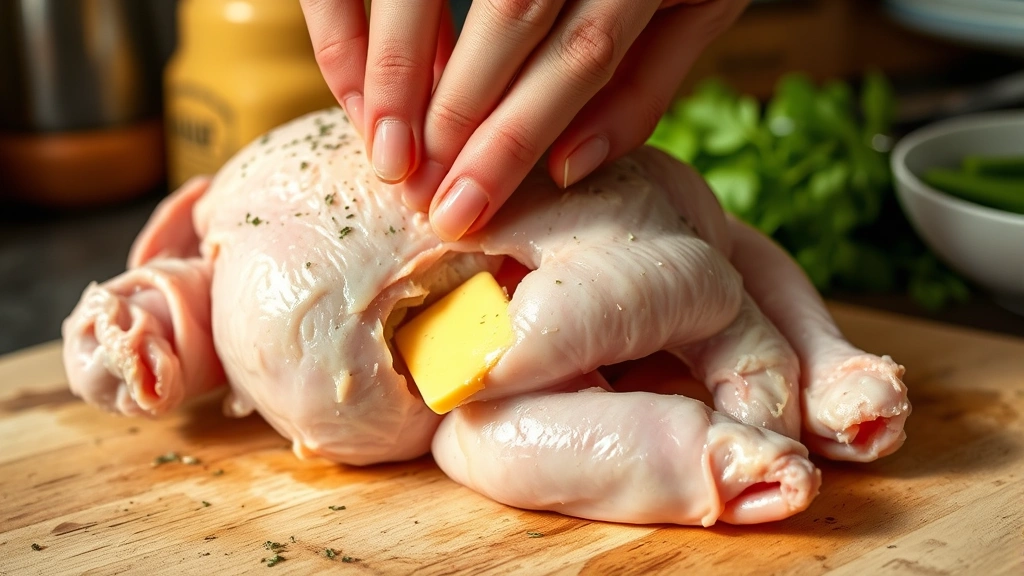
- Rub the seasoned butter all over each bird, making sure to get under the skin where possible and covering all surfaces evenly.
- Season the cavities of each hen with remaining salt and pepper, then stuff each with 1 rosemary sprig, 2 thyme sprigs, 2 garlic cloves, and half a lemon.
- Place hens on a roasting rack in a roasting pan, brush with olive oil, and season the outside one more time with salt and pepper.
- Roast in a preheated 450°F oven for 45 to 50 minutes, until a meat thermometer inserted into the thickest part of the thigh reads 165°F.
- Remove the roasting pan from the oven and transfer the hens to a cutting board to rest for 5 minutes before serving.
- While the hens rest, place the roasting pan on the stovetop over medium heat and pour in the white wine, scraping up any browned bits with a wooden spoon.
- Simmer the pan sauce for 2 to 3 minutes until slightly reduced, then strain through a fine-mesh sieve if desired.
- Serve each Cornish game hen on a warm plate with the pan sauce drizzled over the top and your choice of sides.

Pro Tips
Timing is everything when roasting Cornish game hens, so I recommend using an instant-read meat thermometer rather than guessing. Check the temperature around the 40-minute mark and then every few minutes after that until you reach your target. The residual heat will continue cooking the bird slightly after you remove it from the oven, so don’t be afraid to pull it out at 160°F and let carryover cooking finish the job.
If you prefer a crispier skin, increase the oven temperature to 475°F but watch carefully during the last 10 minutes to prevent burning. The higher heat creates more browning but requires closer attention. Additionally, if your birds are particularly small (under 1.5 pounds), reduce cooking time by 5 to 10 minutes since they’ll cook faster.
For a completely different flavor profile, try substituting the rosemary and thyme with tarragon and chervil for a French-inspired version. Meanwhile, Asian-inspired variations work beautifully too—swap the herbs for ginger, star anise, and scallions, then brush with a mixture of soy sauce and honey during the last 15 minutes of roasting.
The cavity ingredients are essential, not optional. They create steam that keeps the meat incredibly moist while infusing it with aromatic flavors. However, if you absolutely cannot find fresh herbs, use dried herbs at about one-third the quantity, though fresh really does make a noticeable difference in the final result.
Storage is straightforward—keep cooked hens in an airtight container in the refrigerator for up to three days. The meat strips cleanly from the bone when cool, making leftovers perfect for salads, sandwiches, or grain bowls. For freezing, wrap uncooked seasoned hens tightly and store for up to two months, thawing completely before cooking.