
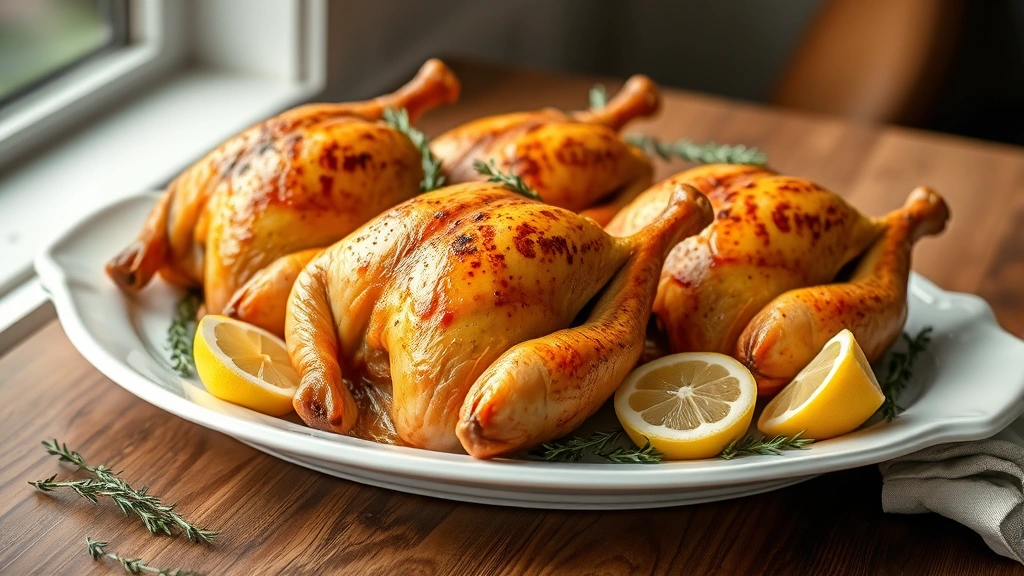
A cornish hen recipe is the perfect solution when you want to serve an elegant, restaurant-quality meal without spending hours in the kitchen. These adorable little birds are individual-sized poultry portions that roast to golden, crispy perfection in just over an hour, making them ideal for date nights, special dinners, or when you want to impress guests without the fuss of a full-sized chicken.
I absolutely love cooking cornish hens because they’re so much more forgiving than you’d think. The smaller size means faster, more even cooking—no more wrestling with a massive bird or worrying about undercooked thighs while the breast dries out. Plus, there’s something undeniably charming about plating a whole bird for each guest. It feels fancy, but honestly? It’s easier than carving.
Jump To Section
Why This Recipe Works
This cornish hen recipe succeeds because of a few simple but crucial techniques. First, we’re using high heat to create that beautiful mahogany skin while keeping the meat incredibly juicy inside. Second, the aromatics—fresh herbs, garlic, and citrus—infuse every bite with flavor without requiring complicated marinades or prep work.
The beauty of roasting cornish hens is that they cook evenly from all sides. Unlike larger chickens where you’re constantly adjusting oven racks and rotating pans, these little birds sit pretty and cook through in about 45-55 minutes. The meat stays tender because there’s less distance for heat to travel, and the skin gets gloriously crispy because of the high initial temperature.
I’ve tested this recipe dozens of times, and the results are consistently spectacular. Whether you’re serving two people or eight, this method scales beautifully. You could even pair this with a tasty Mediterranean salad recipe for a complete, elegant dinner.
Ingredient Tips & Substitutions
The herbs in this recipe are flexible, so don’t stress if you don’t have fresh thyme on hand. Fresh rosemary works wonderfully, as does oregano or even Italian seasoning in a pinch. The key is using something aromatic that complements poultry—dried herbs work too, though you’ll want to use about one-third the amount since they’re more concentrated.
Butter is essential here because it helps create that golden, crispy skin we’re after. However, if you need a dairy-free option, high-quality olive oil works as a substitute. You’ll lose some of that rich, savory depth, but the birds will still roast beautifully. Additionally, the lemon can be swapped for lime or orange if that’s what you have available.
For the garlic, I always use fresh because it becomes sweet and mellow during roasting. Garlic powder simply doesn’t deliver the same magic. Meanwhile, kosher salt is my preference over table salt because it has larger crystals that distribute more evenly and give you better control over seasoning levels.
Preparation & Cooking Technique
Pat your cornish hens dry with paper towels—this is non-negotiable for crispy skin. Any moisture on the surface creates steam, which prevents browning. Don’t skip this step, even though it seems minor. I like to let the birds sit uncovered in the fridge for a few hours or even overnight before cooking, as this dries the skin even further and helps everything cook more evenly.
When stuffing the cavity, keep things simple. Fresh herbs, garlic cloves, and lemon wedges create incredible flavor without adding weight that might throw off cooking times. For instance, you could also try adding a small sprig of rosemary or a bay leaf. The steam from the bird’s juices will infuse these aromatics throughout the meat, creating depth of flavor that seems impossible for such a simple approach.
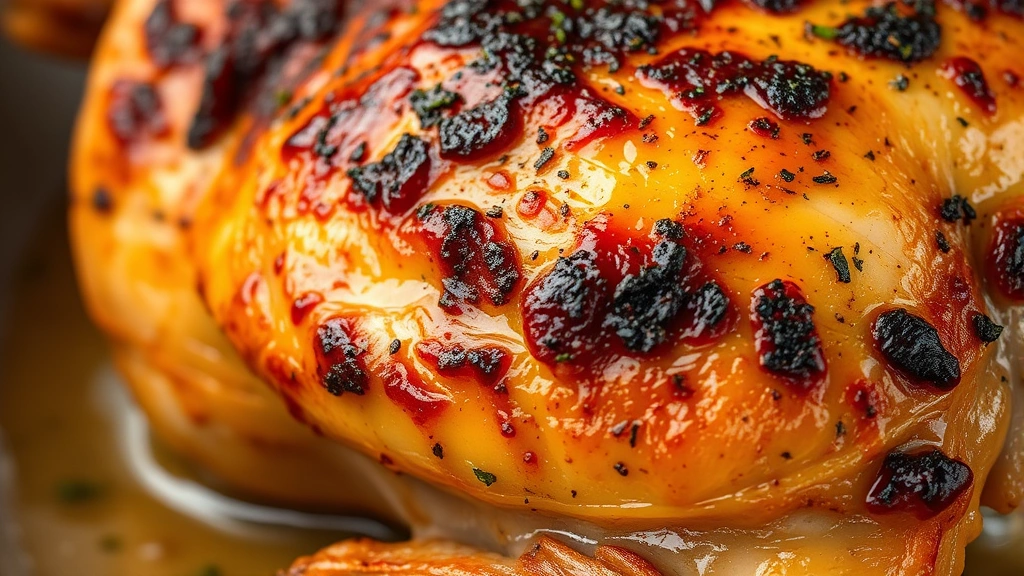
Position your oven rack to the lower-middle position so the birds roast evenly without the tops burning. High heat at the start (425°F) is crucial for rendering the fat and creating that gorgeous skin. After about 20 minutes, you’ll see the skin starting to bronze beautifully. Then we lower the heat to finish cooking through without over-browning.
Serving Suggestions
Cornish hens are naturally elegant, so they pair beautifully with refined sides. Roasted root vegetables, creamed spinach, or wild rice pilaf all complement the rich, tender meat perfectly. Alternatively, serve alongside a perfect Panera bread tomato soup recipe for a more casual yet still-impressive spread.
I love finishing each plate with a pan sauce made from the drippings. Simply pour off most of the fat, deglaze the roasting pan with chicken broth or white wine, and simmer until slightly reduced. Drizzle this golden, flavorful sauce over each bird—it’s the ultimate finishing touch. The deep, savory notes elevate an already impressive dish.
For wine pairing, these hens work beautifully with lighter reds like Pinot Noir or with white wines like Sauvignon Blanc or Chardonnay. The herb-forward, buttery flavors of the bird play well with both, giving you flexibility based on your preferences and what’s in your cellar.
Storage & Reheating
Leftover cornish hens keep beautifully in the refrigerator for up to 4 days when stored in an airtight container. The meat stays incredibly moist because these birds have higher fat content than regular chicken. Reheat gently in a 325°F oven for about 15 minutes until warmed through, or shred the meat and use it in other dishes.
Shredded cornish hen meat is phenomenal in a best pesto chicken pasta recipe or tossed into salads. You could also use the bones and leftover meat to make an incredibly rich, flavorful broth. Nothing goes to waste, and the results are restaurant-quality every time.
If you want to freeze cornish hens, I recommend doing it before cooking for best results. Raw, properly wrapped hens freeze for up to 3 months. Thaw completely in the refrigerator before cooking, allowing about 24 hours for thawing. Cooked cornish hen meat also freezes well for up to 2 months—perfect for meal prepping.
This cornish hen recipe truly demonstrates that elegant entertaining doesn’t require hours of preparation or complicated techniques. With straightforward steps and quality ingredients, you’ll create a meal that looks like it came from a Michelin-starred kitchen. Whether you’re cooking for a special occasion or just want to elevate a regular Tuesday night, these beautiful little birds deliver impressive results every single time.
For more inspiration on elegant dinner options, check out resources from Serious Eats or Bon Appétit for additional poultry techniques. You might also explore New York Times Cooking for more sophisticated dinner party ideas.
Ingredients
- 4 whole Cornish hens (about 1.5 lbs each)
- 6 tablespoons unsalted butter, softened
- 4 cloves fresh garlic, minced
- 2 tablespoons fresh thyme leaves, finely chopped
- 1 tablespoon fresh rosemary, finely chopped
- Zest of 2 lemons
- 1 teaspoon kosher salt
- ½ teaspoon freshly ground black pepper
- 2 lemons, halved
- 8 cloves garlic, whole (for cavity)
- 4 sprigs fresh thyme (for cavity)
- ½ cup chicken broth (for pan sauce)
- ¼ cup dry white wine (optional, for pan sauce)
- 2 tablespoons fresh lemon juice (for serving)

Instructions
- Remove Cornish hens from refrigerator 30 minutes before cooking. Pat completely dry inside and out using paper towels—this is essential for crispy skin.
- Preheat oven to 425°F. Position rack to lower-middle position.
- In a small bowl, combine softened butter, minced garlic, chopped thyme, chopped rosemary, lemon zest, salt, and pepper. Mix until well combined and fragrant.
- Place each Cornish hen on a work surface, breast side up. Gently loosen the skin around the breast and thighs by sliding your fingers underneath—be careful not to tear it.
- Rub about half of the herb butter under the loosened skin, distributing evenly over the breast and thighs. Rub remaining herb butter all over the outside of each bird, getting into all the nooks and crannies.
- Stuff each bird’s cavity with a lemon half, 2 whole garlic cloves, and 1 sprig of fresh thyme. Tie the legs together loosely with kitchen twine if desired (this helps them cook evenly).
- Place birds on a roasting pan, spacing them about 2 inches apart. They should sit breast side up.
- Roast at 425°F for 20 minutes until skin begins to turn golden brown.
- Reduce oven temperature to 375°F and continue roasting for 25-30 minutes, until the thickest part of the thigh reaches 165°F when checked with a meat thermometer. The skin should be deep mahogany brown.
- Remove from oven and transfer birds to a cutting board. Tent loosely with foil and let rest for 5 minutes—this keeps the meat incredibly juicy.
- While birds rest, place roasting pan on stovetop over medium heat. Pour off all but 1 tablespoon of fat, then add chicken broth and white wine (if using). Scrape up browned bits from bottom of pan with a wooden spoon.
- Simmer until sauce reduces slightly, about 2-3 minutes. Taste and adjust seasoning with salt and pepper. Finish with fresh lemon juice.
- Place each Cornish hen on a plate, drizzle generously with pan sauce, and serve immediately while hot.
Pro Tips
These Cornish hens are best served immediately while the skin is still crispy and the meat is hot. However, they’re equally delicious at room temperature for casual entertaining. The skin will soften slightly as the bird cools, but the flavor remains spectacular.
For extra crispy skin, try sprinkling a tiny pinch of baking powder under the herb butter before roasting. This creates an even more dramatic browning effect. Alternatively, you can increase the oven temperature to 450°F for the first 15 minutes, though watch carefully to prevent burning.
If your birds are slightly larger than 1.5 pounds, add 5-10 minutes to the roasting time. Conversely, smaller birds may need 5 minutes less. Always use a meat thermometer for accuracy—the thigh should reach 165°F for food safety.
The cavity aromatics—lemon, garlic, and fresh herbs—will cook inside the bird and create incredible steam that seasons the meat from within. Don’t skip stuffing the cavity, as this simple step makes a remarkable difference in flavor depth and juiciness.
Make-ahead tip: You can prepare the herb butter and stuff the birds up to 8 hours ahead. Cover loosely and refrigerate, then remove 30 minutes before cooking. This actually helps the skin dry out further, resulting in even crispier roasting.
For a dinner party, these birds are absolutely showstoppers. Each guest gets their own beautiful, golden whole bird—it’s elegant without being pretentious, and the presentation is guaranteed to impress. The cooking time is short enough that you can focus on sides and entertaining rather than spending hours in the kitchen.
Storage is straightforward: cover cooled birds and refrigerate for up to 4 days. Reheat gently in a 325°F oven for 12-15 minutes. The meat stays remarkably moist due to the bird’s higher fat content compared to regular chicken breast. Leftover meat shreds beautifully for salads, pasta dishes, or grain bowls.
This cornish hen recipe also scales beautifully for larger gatherings. Simply multiply the ingredients by the number of birds needed and ensure you’re using a large enough roasting pan with adequate spacing. Two birds per pan works well; three becomes crowded and may cook unevenly.