
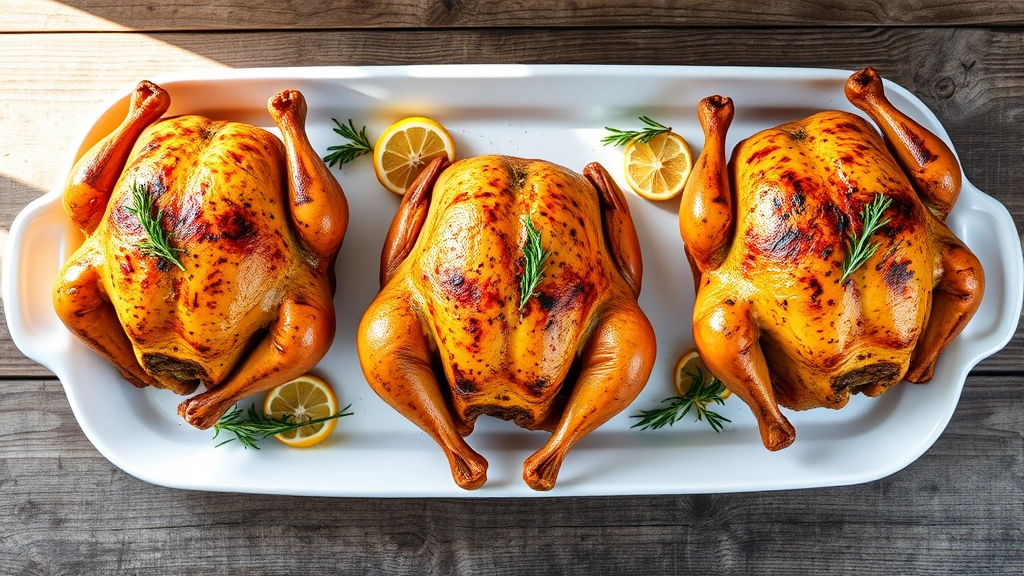
This cornish hens recipe is an absolute game-changer for elegant weeknight dinners or impressive dinner parties. I discovered these adorable little birds years ago when I wanted something that felt restaurant-worthy but didn’t require hours of prep work, and honestly, they’ve become my secret weapon for looking like a culinary genius without the stress.
What makes cornish hens so special? Each bird is perfectly portioned for one person, which means no carving, no fussing, and everyone gets their own gorgeous golden-brown centerpiece on their plate. The meat stays incredibly juicy because these smaller birds cook faster and more evenly than their full-sized cousins. Plus, there’s something magical about presenting a whole roasted bird—it just feels fancy, even though it’s ridiculously simple.
Jump To Section
Why This Recipe Works
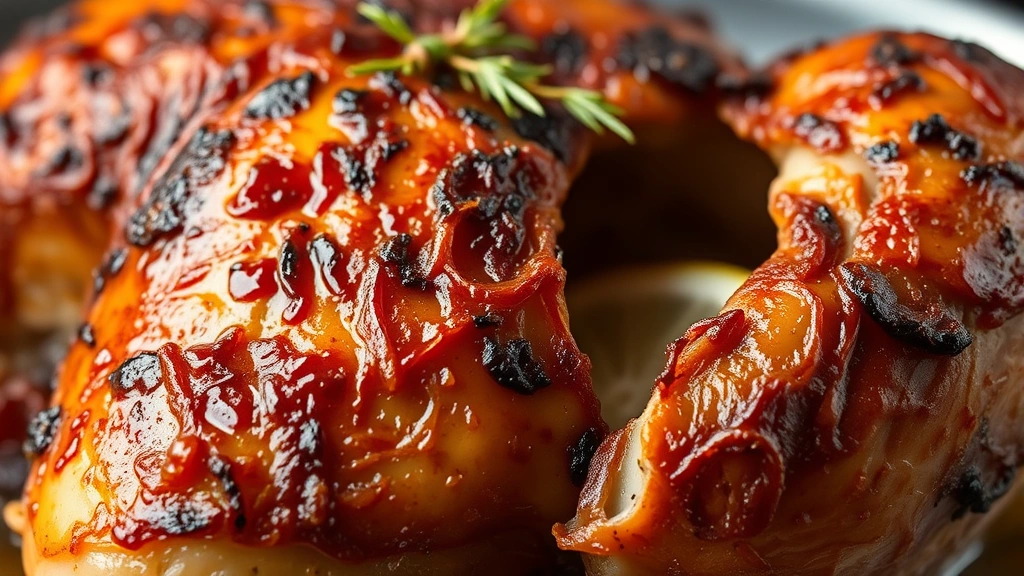
The secret to perfect roasted cornish hens is threefold: proper seasoning, the right oven temperature, and timing. I start by patting the birds completely dry—this is non-negotiable if you want crispy skin. Then I season aggressively inside and out with salt, pepper, and fresh herbs. The 45-minute cook time at 450°F gives you that beautiful mahogany-colored exterior while keeping the inside tender and succulent.
Meanwhile, the pan juices create an incredible natural sauce that you’ll want to drizzle over everything. I always add butter, garlic, and lemon to the cavity before roasting, which infuses the meat with subtle, sophisticated flavors. The beauty of this approach is that it requires minimal ingredients but delivers maximum flavor.
Additionally, roasting at high heat means the skin crisps up beautifully while the interior remains perfectly cooked through. This is the Maillard reaction at work—the same chemical magic that makes a perfectly seared steak sing. You’ll end up with restaurant-quality results in your own kitchen, which honestly never gets old.
Ingredient Tips & Substitutions
Finding quality cornish hens can sometimes be tricky, so I recommend calling your butcher ahead of time or checking specialty grocery stores. Most supermarkets carry them in the frozen section year-round, which is incredibly convenient. Look for birds that are around 1.5 to 2 pounds each—they should be plump and have pale, unblemished skin.
For the herb component, I love using fresh rosemary and thyme, but you’re absolutely not locked into this combination. Fresh tarragon, sage, or oregano work beautifully as well. If you only have dried herbs on hand, use about one-third the amount since they’re more concentrated. The lemon is truly essential though—it cuts through the richness of the meat and brightens the entire dish.
Butter is my go-to for basting, but if you need a dairy-free option, olive oil works wonderfully. For a completely different flavor profile, try brushing the birds with Dijon mustard mixed with honey before roasting. You could also stuff the cavity with fresh herbs and a halved lemon for a classic preparation. The versatility here is part of what makes this cornish hens recipe so reliable—you can adapt it to whatever flavors you’re craving.
Serving Suggestions & Pairings
These beauties pair magnificently with simple, elegant sides. A best romaine salad recipe with a light vinaigrette provides a fresh contrast to the rich, roasted bird. Roasted root vegetables like carrots, potatoes, and parsnips are equally wonderful, especially if you roast them in the same pan to catch those amazing drippings.
For something lighter, serve alongside a quick tasty spinach strawberry salad recipe for a combination of colors and flavors that’s absolutely stunning on the plate. Wild rice pilaf or creamed polenta would be spectacular options if you’re looking for something more substantial. According to Serious Eats, roasted game birds benefit from bright, acidic components, so don’t skip the lemon.
If you’re planning a full menu, this recipe actually saves you time in other areas. Since the birds roast hands-off for 45 minutes, you can prepare your sides simultaneously. I often prep my best olive garden toscana soup recipe as a starter while these cook, or plate up a best panini sandwich recipe as a casual appetizer.
Storage & Reheating Tips
Leftover cornish hens (if you somehow have any!) keep beautifully in an airtight container for up to three days in the refrigerator. The meat shreds easily, making it perfect for adding to soups, grain bowls, or salads. I’ve even used leftover meat to create an elevated version of chicken salad that feels completely restaurant-ready.
To reheat, I prefer placing the birds in a 325°F oven for about 10-12 minutes, covered loosely with foil to prevent drying out. This method restores the crispy exterior while keeping the meat moist. Alternatively, you can shred the meat and toss it with a bit of the pan juices before reheating, which works wonderfully in pasta dishes.
The pan drippings deserve special mention here—save every drop! Strain them, refrigerate overnight, and the fat will solidify on top for easy removal. What remains is pure, flavorful jus that’s liquid gold for gravy, sauce, or simply drizzling over vegetables. This transforms your roasted poultry into multiple meals, which is incredibly efficient and delicious.
Why Cornish Hens Beat Regular Chicken
Here’s what I love most about this roasted cornish hens recipe: the presentation factor is unmatched. When you set down a perfectly roasted individual bird in front of each guest, the “wow” factor is immediate and genuine. There’s no carving required, no awkward serving utensils—everyone gets their own beautiful centerpiece.
The cooking time is also a major advantage over whole chickens. At 45 minutes, you can have an elegant, multi-course dinner on the table faster than you might think. The meat-to-bone ratio in cornish hens is also slightly better, meaning more edible meat relative to the size of the bird. Plus, the smaller size means more even cooking throughout, eliminating the problem of dry white meat and undercooked dark meat that sometimes plagues larger birds.
From a culinary perspective, game birds like cornish hens have slightly more flavorful meat than standard supermarket chicken. The richer taste pairs beautifully with bold seasonings and sophisticated sauces. Food writers at New York Times Cooking frequently recommend cornish hens for special occasions specifically because they deliver restaurant-quality results with home-kitchen simplicity.
However, don’t let the fancy-sounding name intimidate you—this recipe is genuinely beginner-friendly. If you can roast a chicken, you can absolutely master this preparation. The small size actually makes it more forgiving, and the shorter cooking time means less room for error. I’ve taught this recipe to countless friends, and everyone’s succeeded on their first attempt.
The versatility deserves mention too. You could serve these with best steak pasta recipe components for an elevated Italian night, or shred them for use in best pesto chicken pasta recipe ever preparations. The roasted meat adapts beautifully to any cuisine—French, Italian, Mediterranean, or contemporary American. This adaptability makes cornish hens an invaluable tool in your cooking repertoire.
Whether you’re cooking for a special occasion or just want to elevate an ordinary Tuesday night, this cornish hens recipe delivers elegance without complication. The combination of impressive presentation, quick cooking time, and absolutely delicious results makes this one of my most-reached-for recipes. Once you try it, I’m confident it’ll become a staple in your kitchen too.
Ingredients
- 4 whole cornish hens (about 1.5 to 2 pounds each)
- 6 tablespoons unsalted butter, divided
- 4 cloves garlic, minced
- 2 fresh rosemary sprigs
- 2 fresh thyme sprigs
- 2 lemons, halved
- Kosher salt and freshly ground black pepper to taste
- 1 tablespoon olive oil
- 1/2 cup chicken broth or white wine (optional, for sauce)
- Fresh herbs for garnish (rosemary, thyme, or parsley)
Instructions
- Preheat your oven to 450°F and position the rack in the middle. Pat the cornish hens completely dry inside and out using paper towels—this step is crucial for crispy skin.
- Arrange the birds breast-side up on a large roasting pan or cast iron skillet. Season generously inside and out with kosher salt and freshly ground black pepper.
- In a small bowl, combine 2 tablespoons softened butter with minced garlic, fresh rosemary, and fresh thyme. Stuff each bird’s cavity with half a lemon and about 1 tablespoon of the herb-butter mixture.
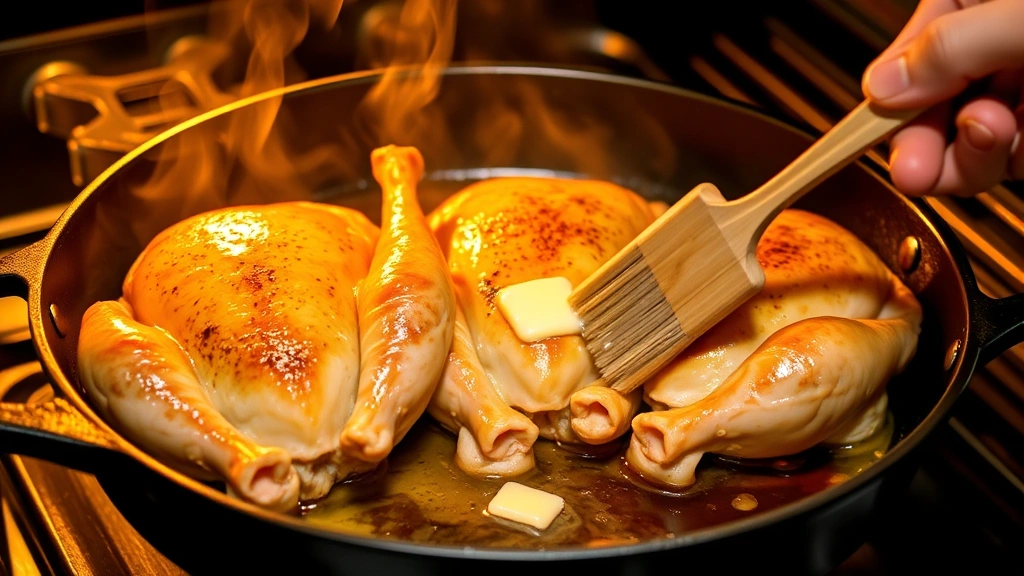
- Rub the remaining 4 tablespoons of butter mixed with olive oil all over the outside of each bird, making sure to coat the skin evenly. This creates that beautiful golden-brown exterior.
- Roast the birds for 40-45 minutes, until the skin is deep mahogany brown and the internal temperature reaches 165°F when measured in the thickest part of the thigh (not touching bone).
- Baste the birds with the pan juices halfway through cooking for extra moisture and color. If the skin begins browning too quickly, tent loosely with foil.
- Remove from the oven and let rest for 5 minutes before serving. This allows the juices to redistribute throughout the meat.
- For a simple pan sauce, pour the pan drippings into a small saucepan, add chicken broth or white wine if desired, and simmer for 2-3 minutes. Season with salt and pepper to taste.
- Plate each bird individually, drizzle with pan sauce, and garnish with fresh herbs. Serve immediately while still warm.
Pro Tips
Timing is everything with this dish, so I recommend using an instant-read meat thermometer rather than guessing. The thigh should register 165°F for perfectly cooked poultry, while the breast meat will be slightly cooler. If your birds are slightly smaller (under 1.5 pounds), reduce cooking time by 5 minutes and check early.
The resting period after roasting is genuinely important, even though it’s tempting to dive right in. Those five minutes allow the muscle fibers to relax and reabsorb the juices, which means more flavorful, juicier meat. You’ll notice the difference immediately on your first bite.
For the herb stuffing, fresh herbs make an enormous difference compared to dried, but work with what you have. If fresh herbs aren’t available, use 1 teaspoon of dried herbs total (since they’re more concentrated). The lemon in the cavity is non-negotiable though—it adds brightness and moisture that’s essential to this preparation.
If you’re doubling this recipe for a larger crowd, you might need two roasting pans to avoid crowding. Crowded pans steam the birds rather than roasting them, which prevents that gorgeous crispy skin. Give each bird plenty of space on the pan, and if necessary, roast them in batches.
Cornish hens freeze beautifully, whether raw or cooked. If freezing raw birds, wrap them tightly in plastic wrap and aluminum foil, then place in a freezer bag for up to three months. Thaw overnight in the refrigerator before roasting. Cooked leftover meat keeps for three days refrigerated and can be frozen for up to two months.
The pan juices are liquid gold—don’t discard them. Strain and refrigerate overnight, then lift off the solidified fat for gravy or sauce. The remaining jus is perfect for drizzling over vegetables, rice, or potatoes. This concentrated flavor becomes multiple meals from one roasting session.