
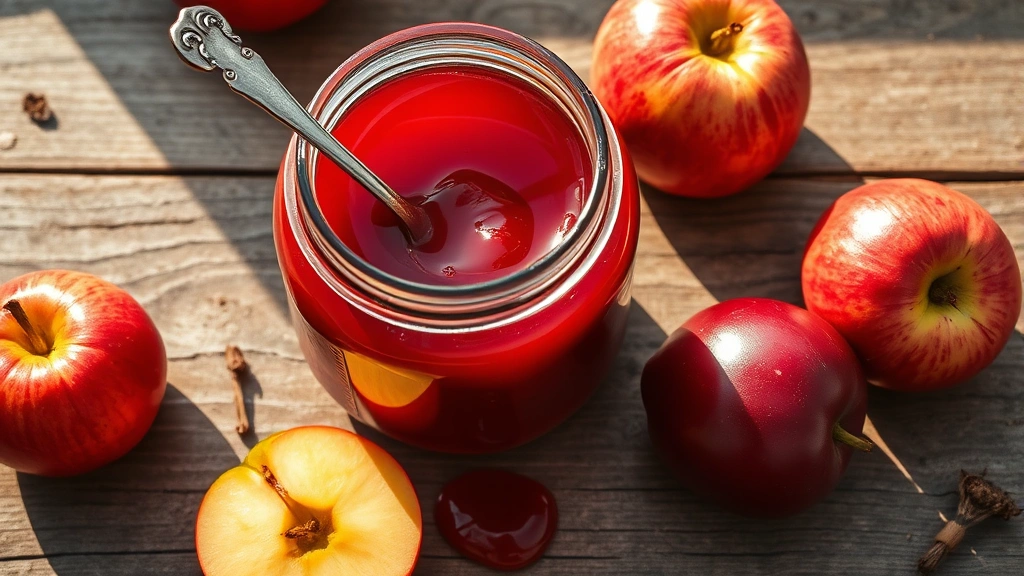
A crab apple jelly recipe is one of those delightful kitchen projects that transforms tiny, tart fruits into liquid gold. If you’ve ever walked past a crab apple tree heavy with crimson fruit and wondered what to do with all those gorgeous little orbs, this is your answer. This homemade jelly captures the essence of autumn in a jar—bright, tangy, and absolutely perfect for toast, cheese boards, or glazing roasted meats.
Crab apples are nature’s gift to jelly makers. Unlike regular apples, they’re packed with natural pectin, which means your jelly will set beautifully without any fussing or complicated additives. Their tartness creates a sophisticated flavor that’s way more interesting than commercial jellies you’ll find at the store. Plus, making jelly at home means you control exactly what goes into your jar—no mystery ingredients, just fruit and sugar.
Jump To Section
Why This Recipe Works
This particular approach to making crab apple jelly is refreshingly straightforward. We’re working with the natural pectin content of the fruit, which means you’ll get that perfect set without relying on commercial pectin packets. The beauty of crab apples is their high acid content and abundant seeds—both of which contribute to that gorgeous, jewel-like consistency you want in a proper jelly.
The technique here is time-tested and foolproof. By simmering the fruit gently and then straining through cheesecloth, you’ll achieve crystal-clear jelly that catches the light beautifully. Additionally, this method preserves the bright flavor of the fruit better than aggressive cooking methods. The result is something that tastes like concentrated crab apple essence—tart, slightly floral, and utterly addictive.
What makes homemade jelly so special compared to store-bought versions is the depth of flavor. When you make this fresh fruit preserve yourself, you’re capturing the moment of peak ripeness and transforming it into something that’ll taste amazing months later. That’s the magic of proper preserving.
Ingredient Tips & Substitutions
Finding good crab apples is the first step to jelly success. Look for firm fruits that are fully colored—usually deep red, burgundy, or golden depending on the variety. You want them ripe but not mushy. If you have access to a crab apple tree (yours or a friendly neighbor’s), that’s ideal. Otherwise, farmers markets typically stock them in fall, and some grocery stores carry them in the produce section during peak season.
The ratio of fruit to sugar is crucial for proper setting. For every pound of crab apples, you’ll use approximately one pound of sugar. However, if your apples are particularly tart, you might want to use slightly less sugar to preserve that wonderful tartness. Conversely, if you prefer sweeter jelly, you can increase the sugar slightly. The key is tasting as you go and adjusting to your preference.
Water is essential but often overlooked. You need just enough to barely cover the apples during the initial cooking. Too much water and your jelly won’t set; too little and you’ll end up with burnt fruit. Think of it as creating a gentle, flavorful liquid that extracts everything delicious from those apples. Meanwhile, the choice of sugar matters too—regular granulated sugar works perfectly, but some cooks prefer using jam sugar, which contains added pectin for guaranteed setting.
Regarding alternatives and variations, you can incorporate other complementary fruits like fresh ingredients or aromatics. Some people add a vanilla bean, a cinnamon stick, or a few cloves during cooking for subtle flavor complexity. A squeeze of lemon juice brightens the tartness beautifully. You could even try infusing it with rosemary or thyme for a more sophisticated preserve that pairs wonderfully with cheese.
The Jelly-Making Process Explained
Making jelly is essentially extracting all the flavorful juice from fruit, then cooking that juice with sugar until it reaches the proper consistency. For this crab apple jelly recipe, we start by washing and roughly chopping the apples—no need to peel or core them since we’re straining everything anyway. The pectin and flavor are actually concentrated in the skin and seeds, so keeping them in during cooking is important.
The initial simmer is gentle and patient. You’re looking for the apples to become very soft and break down completely, releasing all their juice and pectin into the cooking liquid. This usually takes about 45 minutes to an hour. You’ll know you’re ready to strain when the apples have lost their structure and the liquid is deeply colored. The aroma at this point is absolutely intoxicating—pure autumn in your kitchen.
Straining through cheesecloth is where the magic happens. This is the step that separates homemade jelly from jammy fruit preserves. You want crystal-clear jelly, and that means patience. Resist the urge to squeeze the cheesecloth or press the fruit—just let gravity do the work overnight. Yes, it takes time, but the resulting clarity is worth every minute of waiting.
Serving Suggestions & Pairing Ideas
This jewel-toned jelly is versatile beyond measure. The obvious choice is spreading it on warm toast with butter, where it melts slightly and creates the perfect sweet-tart breakfast. However, crab apple jelly truly shines on a cheese board alongside aged cheddar, sharp cheeses, and creamy bries. The tartness cuts through rich dairy beautifully.
For instance, use it as a glaze on roasted duck or pork—the acidity balances rich meats wonderfully. Stir a spoonful into Greek yogurt for an elegant breakfast or dessert. Swirl it into vanilla ice cream, or layer it in a parfait with whipped cream and granola. Some bakers love using it in thumbprint cookies or as a filling in pastries. Additionally, it makes an impressive homemade gift that looks far more sophisticated than anything you could buy.
Even a simple salad gets elevated when you drizzle warm crab apple jelly over it. The sweet-tart notes complement bitter greens and nutty dressings perfectly. For cocktails, a spoonful stirred into champagne or whiskey creates something memorable and delicious.
Storage & Long-Term Success
Properly canned jelly will keep for up to a year in a cool, dark pantry. The high sugar content and proper processing create a shelf-stable product that’s safe to enjoy months after making it. Once opened, store jars in the refrigerator and use within a few weeks. If you notice any mold developing on the surface, discard the entire jar rather than trying to salvage it.
For those not comfortable with canning, you can absolutely make this refrigerator jelly instead. Simply skip the canning step and store finished jelly in clean glass jars in the fridge for up to three weeks. The texture and flavor remain excellent, and you avoid the canning equipment altogether. This approach works beautifully if you’re making small batches or testing the recipe for the first time.
Meanwhile, freezing is another excellent option for long-term storage. Pour cooled jelly into freezer-safe containers, leaving about an inch of headspace, and it’ll keep for up to a year. Thaw overnight in the refrigerator before using. This method is perfect if you make large batches and want to enjoy homemade jelly throughout the year without worrying about shelf stability.
The beautiful thing about making your own preserves in jars is the satisfaction that comes with each spoonful. You’ve created something delicious and lasting from simple ingredients. Whether you’re new to jelly making or a seasoned preserver, this crab apple jelly recipe delivers impressive results every single time.
For additional inspiration on fruit preserves and home canning techniques, check out resources like Bon Appétit’s preserving guides, Serious Eats’ fermentation and preservation section, and New York Times Cooking’s canning resources. These trusted sources offer detailed information about safe canning practices and creative preservation ideas.
Ingredients
- 4 pounds fresh crab apples, washed and roughly chopped
- 3 cups water
- 4 cups granulated sugar
- 2 tablespoons fresh lemon juice
- ¼ teaspoon salt
Instructions
- Wash the crab apples thoroughly under cool running water, removing any debris. Roughly chop them into quarters—no need to peel, core, or remove seeds since you’ll be straining everything later. The skins and seeds contain valuable pectin and flavor.
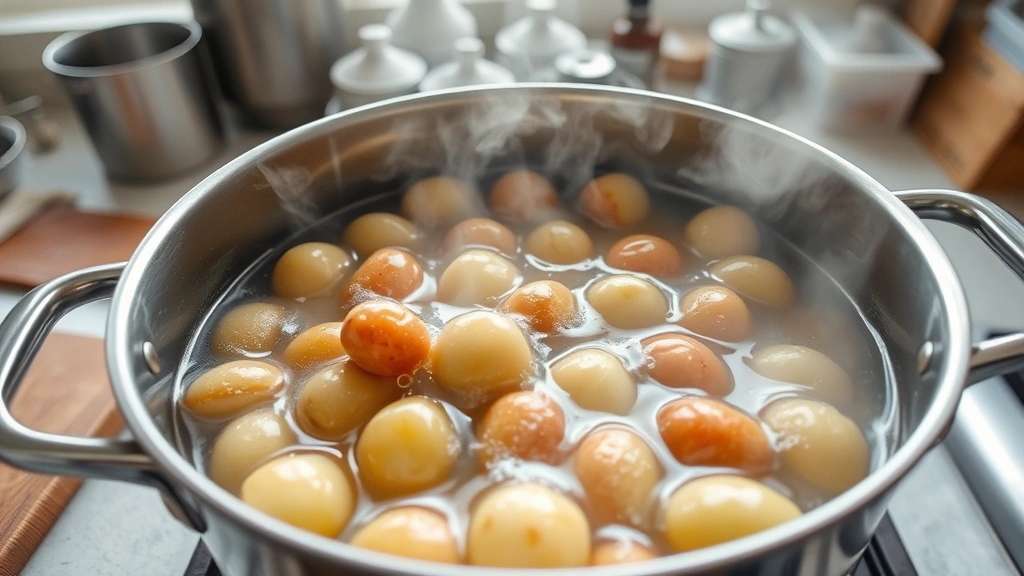
- Place chopped crab apples in a large, heavy-bottomed pot and add water until the fruit is just barely covered. Bring to a gentle boil over medium-high heat, then reduce to medium and simmer for 45 minutes to 1 hour, stirring occasionally, until the apples have completely broken down and the liquid is deeply colored.
- Set a fine-mesh strainer lined with several layers of cheesecloth over a large bowl. Carefully pour the cooked apple mixture into the strainer, allowing the liquid to drip through naturally. Resist the urge to squeeze or press the fruit—just let gravity work overnight for the clearest jelly possible.
- Measure the strained liquid and pour into a clean pot. For every cup of liquid, add ¾ to 1 cup sugar, depending on your sweetness preference. Add lemon juice and salt, stirring well until the sugar dissolves completely.
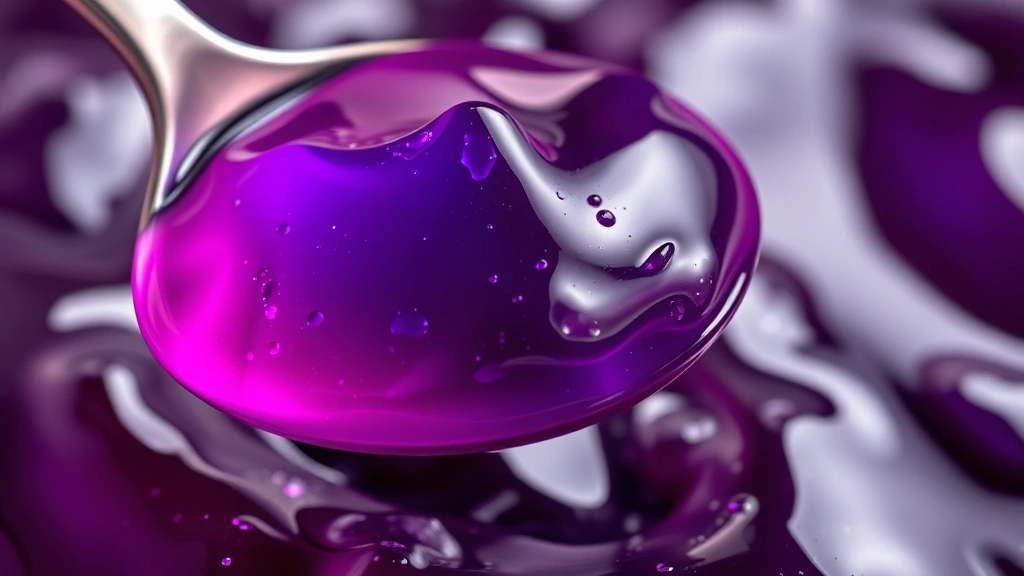
- Bring the mixture to a rolling boil over high heat, stirring frequently. Continue boiling for 15-20 minutes, until the jelly reaches setting point—approximately 220°F on a candy thermometer, or when a small spoonful dropped on a cold plate wrinkles when pushed with your finger.
- Remove from heat and let the jelly rest for 5 minutes, skimming off any foam that rises to the surface. This creates a clearer, more beautiful finished product.
- For refrigerator storage, simply pour into clean glass jars and allow to cool completely before covering. For shelf-stable canned jelly, pour into hot sterilized jars, leaving ¼ inch headspace, and process in a boiling water bath for 10 minutes according to official canning guidelines.
- Allow jars to cool completely at room temperature. The jelly will continue to set as it cools. Check that sealed jars have proper vacuum seals before storing in a cool, dark place.
Pro Tips
The most common question about making jelly is whether it’ll set properly. The key is reaching the correct temperature and understanding that different batches may cook at slightly different rates depending on your altitude and equipment. Using a reliable candy thermometer removes the guesswork and guarantees success.
If your jelly doesn’t set after cooling overnight, don’t panic. Simply pour it back into the pot, add a tablespoon of lemon juice per cup of jelly, and reboil until it reaches 220°F again. This usually solves the problem. Sometimes altitude or humidity affects setting, so knowing your location helps predict cooking times.
For a more rustic texture, you can make crab apple jam instead by using the whole strained fruit pulp rather than just the juice. Meanwhile, if you prefer a lighter color jelly, use slightly underripe apples, which are naturally paler. The flavor will be slightly more tart, which many people actually prefer.
Storage options are wonderfully flexible. Unopened canned jars kept in a cool, dark pantry will maintain quality for up to a year. However, once opened, transfer to the refrigerator and use within three weeks for best flavor and safety. Additionally, freezing in airtight containers works beautifully for up to twelve months—just thaw in the refrigerator before serving.
Regarding substitutions, if you can’t find crab apples, you can use a mixture of regular tart apples like Granny Smiths combined with under-ripe regular apples, though the pectin content won’t be quite as high. Adding a squeeze of lemon juice helps compensate. Some cooks prefer using a small amount of commercial pectin for guaranteed setting, which is perfectly acceptable.
The flavor develops and deepens over time, so jelly made in fall tastes even better in winter. This is one of those preserves that actually improves with age. Proper sterilization of jars is essential for safety—wash in hot soapy water and either run through the dishwasher or boil for 10 minutes immediately before filling.