

When it comes to elegant comfort food, crab bisque recipes deserve a place of honor on your dinner table. This luxurious soup strikes that perfect balance between indulgent and approachable—silky, rich, and absolutely unforgettable, yet totally doable in your own kitchen.
I still remember the first time I had restaurant-quality crab bisque at a little seafood spot in Charleston. The server set down this gorgeous bowl of creamy coral-colored soup, and one spoonful transported me straight to food heaven. The tender crab, the buttery richness, the subtle sweetness—I was hooked. That day, I decided I absolutely had to learn how to recreate that magic at home.
Jump To Section
What makes crab bisque recipes so special? It’s all about the foundation. Unlike lighter soups, a proper bisque builds flavor through a combination of techniques: sautéing aromatics in butter, creating a roux, and infusing the base with genuine crab stock. The result is a soup that tastes like it took hours, but with the right approach, comes together in about 45 minutes.
Why This Recipe Works
The secret to restaurant-quality crab bisque lies in layering flavors and textures. We start by building an aromatic base with butter, onions, and celery—the holy trinity of soup making. Then comes the crucial step: creating a roux that will thicken and enrich the bisque without making it gloopy or heavy.
Meanwhile, fresh crab meat adds incredible depth. If you can find live crabs at your market, fantastic—you’ll have access to beautiful crab shells for making stock from scratch. However, quality lump crab meat works beautifully too. The key is adding it late in the cooking process so it stays tender and sweet, not rubbery and overcooked.
Additionally, cream and a touch of sherry round out the flavors beautifully. The sherry adds sophistication without tasting boozy, while the cream provides that signature velvety mouthfeel. For instance, some recipes skip the cream entirely and rely on crab’s natural richness—both approaches work depending on your preference.
The technique of straining the bisque through a fine-mesh sieve creates that silky texture that makes people ask, “Did you really make this at home?” Yes, you did. And honestly, it’s easier than most people think.
Ingredient Tips & Substitutions
Fresh crab meat is your star player here, and quality matters. Lump crab meat has larger, sweeter pieces—perfect for this soup. Claw meat is darker, more intense in flavor, and slightly tougher, so save that for crab cakes. Avoid imitation crab; it’s already processed and won’t give you that sweet, delicate crab flavor that makes this soup sing.
Can’t find fresh crab? High-quality frozen lump crab meat works perfectly. Just thaw it gently in the refrigerator overnight. If you’re in a pinch, you can also make an excellent seafood bisque with shrimp instead—check out our shrimp soup recipe for a delicious variation.
For the stock, if you have crab shells from fresh crabs, absolutely use them. If not, a combination of chicken or seafood stock with a splash of clam juice works wonderfully. The quality of your stock directly impacts the final flavor, so don’t be tempted to use bouillon cubes here.
Heavy cream can be swapped for half-and-half for a lighter version, though you’ll sacrifice some richness. Some cooks add a splash of brandy instead of sherry—both are delicious. For a dairy-free version, coconut milk creates an interesting tropical twist, though it’s definitely non-traditional.
Building Restaurant-Quality Flavor
The magic happens when you take time with each step. Don’t rush the aromatics—let them soften and release their flavors into the butter for a good 5 minutes. When you add the flour to create the roux, stir constantly for 2-3 minutes. This cooks out the raw flour taste and creates the foundation for your soup’s silky texture.
As you add the stock, do it gradually while whisking constantly. This prevents lumps and ensures the roux incorporates smoothly. It might feel like extra work, but this is genuinely how restaurants ensure their soups are perfectly smooth.
The simmering stage is where patience pays off. A gentle simmer for 20-30 minutes allows flavors to meld and the soup to develop depth. You’ll notice the bisque deepens in color and becomes more intensely flavored. This is exactly what you want.
Finally, the timing of adding your crab meat is crucial. Add it right at the end, just minutes before serving. This keeps the meat tender and sweet rather than turning it tough and stringy. If you’re making this ahead, add the crab right before serving for the best results.
Serving Suggestions
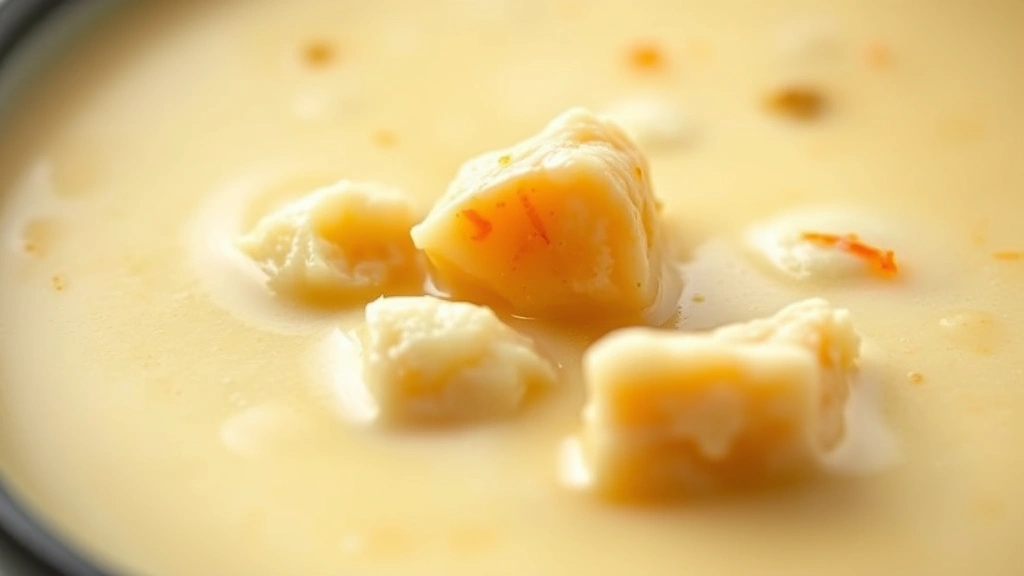
Presentation matters with a soup this elegant. Serve in shallow bowls to showcase that beautiful coral color. A drizzle of truffle oil, a sprinkle of fresh chives, or a few crab roe garnish elevate this instantly.
Pair your bisque with crispy accompaniments—homemade sub rolls torn into pieces, oyster crackers, or homemade croutons all work beautifully. The contrast between the creamy soup and something crunchy is absolutely divine.
As a first course before a main meal, this soup sets an elegant tone. Serve it at a dinner party, and you’ll have guests thinking you spent all day cooking. For a lighter lunch, pair it with a fresh romaine salad for balance.
A chilled version works beautifully in summer. Simply prepare the bisque, cool it completely, then chill overnight. The flavors actually deepen, and it becomes a refreshing cold soup—perfect for entertaining when you don’t want a hot stove running.
Storage & Make-Ahead Tips
Here’s the thing: crab bisque recipes are actually wonderful for make-ahead cooking. Prepare everything except the crab meat up to 2 days in advance. Store the soup base in an airtight container in your refrigerator. When you’re ready to serve, gently reheat it over medium-low heat, stirring occasionally.
Add the fresh crab meat only right before serving to maintain its delicate texture and sweet flavor. This strategy works perfectly for dinner parties—you’ve done the heavy lifting ahead, and finishing touches take just minutes.
Freezing crab bisque is possible, though the texture changes slightly when thawed. If you do freeze it, omit the cream and add it fresh when you reheat. The soup keeps for up to 3 months frozen, up to 4 days refrigerated. Always thaw frozen bisque in the refrigerator overnight before reheating.
Reheating is best done gently over medium-low heat, stirring frequently. Never let it boil, as high heat can break the cream and make the soup separate. A splash of fresh stock or cream when reheating helps restore its silky texture.
If you love seafood soups, explore other elegant options like our tomato bisque or Panera-style tomato soup. Each brings different flavors to the table, though none quite match the elegance of a perfect crab bisque.
For additional inspiration, check out Serious Eats for seafood techniques or Bon Appétit’s soup collection. These resources offer fantastic insights into refining your soup-making skills even further.
There’s something genuinely special about serving a bowl of homemade crab bisque. It tastes fancy, it feels elegant, and yet you made it yourself in your own kitchen. That’s the kind of cooking magic I absolutely love—impressive results that don’t require a culinary degree. Once you master these crab bisque recipes, you’ll find yourself making them again and again.
Ingredients
- 3 tablespoons unsalted butter
- 1 medium yellow onion, finely diced
- 2 celery stalks, finely diced
- 3 tablespoons all-purpose flour
- 4 cups seafood or chicken stock
- 1 cup heavy cream
- ½ cup whole milk
- ¼ cup dry sherry
- 1 pound fresh lump crab meat (or frozen, thawed)
- 2 tablespoons tomato paste
- 1 teaspoon Old Bay seasoning
- ½ teaspoon cayenne pepper
- Salt and freshly ground black pepper to taste
- 2 bay leaves
- 1 tablespoon fresh lemon juice
- Fresh chives for garnish
- Paprika for garnish

Instructions
- In a large heavy-bottomed pot, melt butter over medium heat. Add diced onion and celery, stirring occasionally until very soft and fragrant, about 5-7 minutes. Don’t rush this step—you’re building the flavor foundation.
- Sprinkle flour over the softened vegetables and stir constantly for 2-3 minutes, creating a paste-like roux. This cooks out the raw flour taste and will thicken your bisque beautifully.
- Gradually whisk in the stock, one cup at a time, whisking constantly to prevent lumps from forming. Take your time here—smooth soup is beautiful soup.
- Stir in the tomato paste, Old Bay seasoning, cayenne pepper, and bay leaves. Bring the mixture to a gentle simmer over medium heat.
- Once simmering, reduce heat to medium-low and cook for 15-20 minutes, allowing the flavors to meld and develop. You’ll notice the bisque becoming deeper in color and richer in flavor.
- Pour the hot bisque through a fine-mesh sieve into another pot, pressing gently with a spoon to extract maximum flavor and create a silky texture. This step is what makes it restaurant-quality.
- Return the strained bisque to medium-low heat. Stir in the heavy cream and milk, heating through but never boiling. Add the sherry and lemon juice.
- Gently fold in the crab meat, being careful not to break up the lumps. Heat through for just 2-3 minutes until the crab is warmed through.
- Taste and adjust seasonings with salt and black pepper as needed. Remember, the Old Bay and seafood stock already provide saltiness, so adjust carefully.
- Ladle into shallow bowls and garnish with fresh chives and a light sprinkle of paprika. Serve immediately with crispy accompaniments on the side.
Pro Tips
The quality of your crab meat makes a tremendous difference in the final result. Lump crab meat has larger, sweeter pieces that hold their texture beautifully in the bisque. If you find pasteurized crab meat at your market, that works wonderfully too and often keeps longer than fresh.
Making your own stock from crab shells elevates this dish to another level. If you have access to whole crabs, save those shells. Simmer them with water, onion, celery, and a bay leaf for 45 minutes to create deeply flavored crab stock. However, quality seafood stock from the store works perfectly fine for busy weeknight cooking.
The straining step might seem optional, but it’s genuinely the difference between homemade soup and restaurant-quality bisque. A fine-mesh sieve creates that silky, refined texture that makes people ask for seconds. If you don’t have one, a chinois (fine conical strainer) works beautifully too.
For a lighter version, swap half the heavy cream for additional stock or milk. The bisque will be less rich but still delicious and more suitable for lighter meals. Conversely, if you want it extra luxurious, use all heavy cream—no judgment here.
Sherry adds sophistication without making the soup taste boozy. If you don’t have sherry, dry white wine works in a pinch, though the flavor profile changes slightly. Brandy creates a deeper, more complex flavor if you prefer that direction.
This soup actually freezes well if you omit the cream. Cool the soup base completely, freeze in airtight containers for up to 3 months, then add fresh cream when reheating. This strategy is perfect for making ahead—prep the base when you have time, finish with fresh crab meat and cream when you’re ready to serve.
Reheating requires a gentle touch. Use medium-low heat and stir frequently, never allowing it to boil. High heat can cause the cream to break and separate. If your reheated bisque seems too thick, thin it with a splash of stock or cream until you reach the desired consistency.
Serving this soup chilled is absolutely delightful in warm months. Prepare it completely, chill overnight, and serve in chilled bowls. The flavors actually deepen during chilling, making cold crab bisque even more elegant than the hot version.
Old Bay seasoning is traditional for crab dishes, but taste carefully as you add it—brands vary in intensity. Start with the suggested amount and adjust to your preference. Some people love the spicy kick; others prefer more subtle seasoning. There’s no wrong answer here.
Fresh lemon juice at the end brightens the soup and balances the richness beautifully. Don’t skip this step—that little bit of acidity makes the other flavors pop and prevents the soup from tasting heavy.