
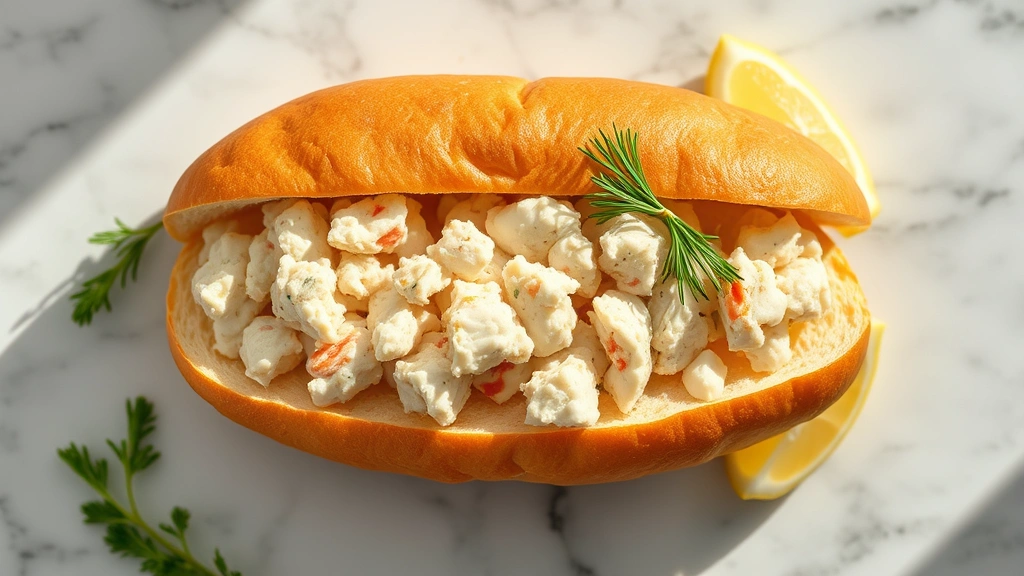
A crab roll recipe is one of those dishes that feels fancy enough for a special occasion, yet simple enough to pull together on a weeknight. I’m obsessed with how a few quality ingredients transform into something restaurant-worthy right in your own kitchen. The beauty of this recipe is that it celebrates the sweet, delicate flavor of crab without overpowering it with heavy sauces or unnecessary filler.
The first time I made homemade crab rolls, I was shocked at how much better they tasted than the versions I’d been ordering at restaurants. There’s something magical about toasting your roll to golden perfection and piling it high with tender crab meat kissed with just a touch of mayo and fresh herbs. Once you try making them this way, you’ll never look back.
Jump To Section
Why This Recipe Works
What makes this crab roll recipe stand out is the balance—buttery toasted rolls, creamy but not heavy filling, and fresh toppings that add brightness and texture. The secret isn’t some complicated technique; it’s using the best crab meat you can find and treating it with respect. Unlike those sad, overloaded versions drowning in mayo, this one lets the crab shine while supporting it with complementary flavors.
The technique is straightforward. You’re mixing premium crab meat with a minimal amount of mayo, adding fresh lemon juice, Old Bay seasoning, and fresh herbs. That’s it. No filler, no weird additives—just pure, delicious crab goodness. The magic happens when you butter and toast those rolls until they’re golden and crispy on the outside while staying soft inside.
Additionally, this method works beautifully whether you’re feeding two people or hosting a crowd. The components come together in minutes, so you can have elegant seafood sandwiches on the table faster than you’d expect. It’s the kind of recipe that makes you feel like you’re showing off without actually breaking a sweat in the kitchen.
Ingredient Tips & Substitutions
The foundation of any great crab roll is, obviously, the crab meat. I strongly recommend using fresh lump crab meat if you can find it—the larger chunks make such a difference in texture and flavor compared to canned versions. If fresh isn’t available, look for high-quality canned lump crab in the seafood section of your grocery store. Avoid the pre-made crab salad mixes; you want control over what goes into your filling.
For the rolls themselves, you have options. Traditional New England-style crab rolls use a split-top hot dog bun or a buttered hoagie roll. However, if you’re looking for something different, consider using brioche buns for extra richness, or try my favorite trick of using a sub roll recipe and adapting it for crab. The key is using a quality roll that can handle toasting without falling apart.
The mayo situation is important—don’t skip it entirely, but don’t go overboard either. Just enough to bind the mixture and add creaminess is all you need. Some people prefer mixing half mayo and half Greek yogurt for a lighter version, which works beautifully. The lemon juice is non-negotiable; it brightens everything and prevents the filling from tasting flat.
When it comes to seasonings, Old Bay is traditional and delicious, but you can also use a combination of paprika, celery salt, and a pinch of cayenne if you prefer. Fresh dill and tarragon are my go-to herbs, though parsley works too. The beauty is you can customize this to your taste preferences while keeping the spirit of the dish intact.
Serving Suggestions
Crab rolls are naturally elegant, so they pair wonderfully with simple sides. A crisp Mediterranean salad recipe on the side adds freshness without competing with the crab. Alternatively, serve them with butter lettuce, thinly sliced cucumber, and radish for a light, refreshing meal.
Meanwhile, if you want to go the comfort-food route, pair these with crispy fries, coleslaw, or pickles. The cool crunch of pickles against the warm, buttery roll is absolutely divine. For entertaining, these make fantastic appetizers when you slice the rolls into smaller portions—they disappear fast.
For beverages, I love serving crab rolls with crisp white wine like a Sauvignon Blanc or Pinot Grigio. A cold beer is equally perfect, or stick with fresh lemonade for a non-alcoholic option. The light, fresh nature of crab pairs beautifully with beverages that aren’t heavy or overly sweet.
Storage & Reheating Tips
I recommend assembling these rolls just before serving for the best texture—nobody wants a soggy roll. However, you can prepare the crab filling up to a day ahead and store it in an airtight container in the refrigerator. The rolls themselves are best assembled fresh, but if you need to make them slightly ahead, wrap them tightly in foil and keep them cool until serving time.
If you have leftovers (which is rare in my house), store the crab mixture separately from the rolls. The filling keeps for about two days in the fridge. When you’re ready to eat again, you can either make fresh rolls or enjoy the crab mixture over a salad—it makes an amazing addition to something like a Waldorf salad recipe.
For reheating, if you’ve already assembled the rolls, wrap them loosely in foil and warm them in a 350°F oven for about 5-7 minutes. Don’t microwave them—this will make the rolls tough and chewy. The gentle oven heat keeps everything moist and restores some of that fresh-from-the-griddle texture.
Why You’ll Love This Recipe
Here’s the thing about making a crab roll recipe at home: it feels indulgent but isn’t actually complicated. You’re not dealing with tricky techniques or hard-to-find ingredients. What you get is a showstopping sandwich that tastes like you spent all day on it, when really you invested maybe fifteen minutes of actual work.
The experience of eating one of these is pure joy. That first bite where you get the buttery toast, creamy crab filling, and bright lemon all at once? That’s the moment you realize why people get so excited about seafood sandwiches. Whether you’re planning a special dinner or just treating yourself on a Tuesday, this recipe delivers.
Furthermore, this is the kind of recipe that impresses people without making you feel stressed. Serve it to guests and they’ll think you’re some kind of culinary genius. But you know the truth—you just used quality ingredients and didn’t mess with them. That’s the Preppy Kitchen philosophy right there: let good things be good.
Ready to experience restaurant-quality crab rolls in your own kitchen? This recipe is about to become your new favorite way to enjoy crab. I promise you’ll be making it again and again, tweaking it slightly each time to match your mood. Whether you keep it classic or add your own spin, you simply can’t go wrong with this approach.
Ingredients
- 1 pound fresh or high-quality canned lump crab meat, drained
- 1/4 cup mayonnaise
- 2 tablespoons fresh lemon juice
- 1 teaspoon Old Bay seasoning
- 1/4 cup fresh dill, finely chopped
- 2 tablespoons fresh tarragon, finely chopped
- 1/4 teaspoon garlic powder
- Salt and black pepper to taste
- 4 split-top rolls or brioche buns
- 3 tablespoons butter, softened
- Lemon wedges for serving
- Fresh lettuce leaves for serving
Instructions
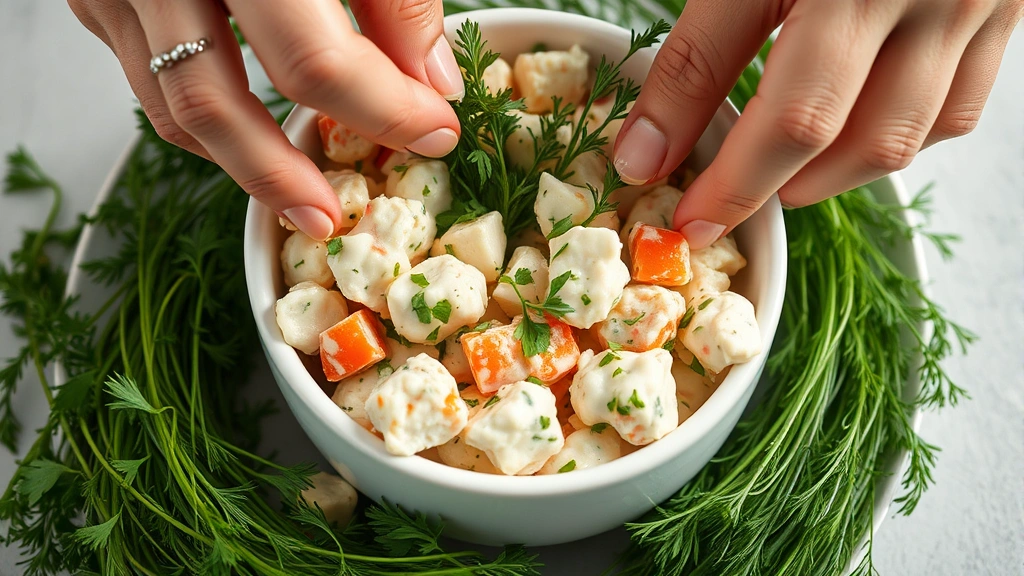
- In a medium bowl, gently combine the drained crab meat, mayonnaise, lemon juice, and Old Bay seasoning. Be gentle—you want to keep the crab chunks intact rather than breaking them into tiny pieces.
- Fold in the fresh dill, tarragon, and garlic powder. Taste the mixture and adjust seasonings with additional salt, pepper, or lemon juice as needed.
- Heat a large skillet or griddle over medium heat. While it’s warming, spread about 3/4 tablespoon of softened butter on the outside of each roll.
- Place the buttered rolls on the hot skillet or griddle and toast them until they’re golden brown and crispy, about 2-3 minutes per side. Work in batches if needed to avoid crowding.
- Remove the toasted rolls from the heat and let them cool for about a minute. This prevents the crab filling from getting too warm and separating.
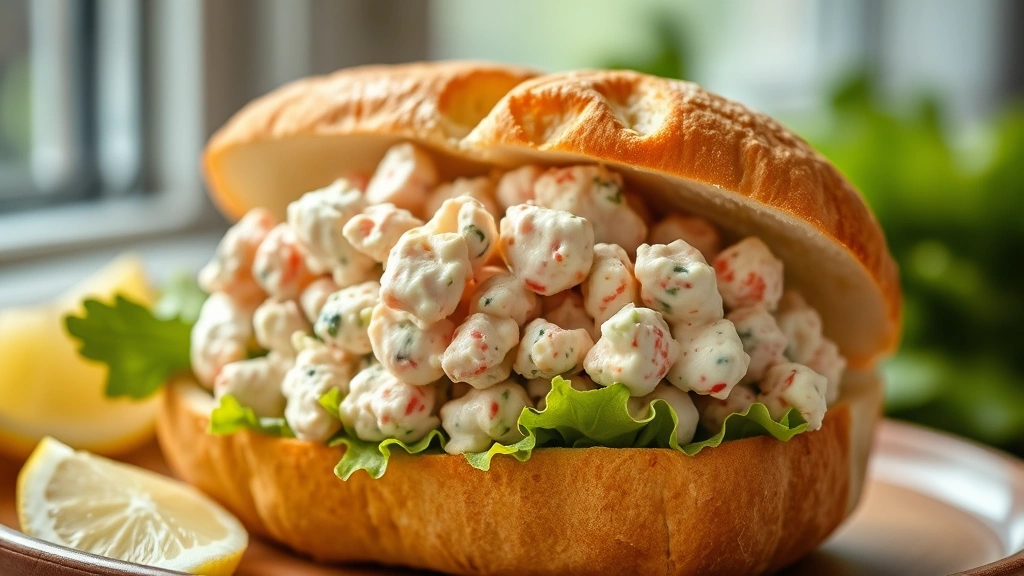
- Divide the crab mixture evenly among the four rolls, spooning it generously into each one. Don’t be shy—pile it high.
- Add a few fresh lettuce leaves to each roll if desired, and serve immediately with lemon wedges on the side.
- Serve while the rolls are still warm from the griddle, ideally with a simple side salad or crispy fries alongside.
Pro Tips
The quality of your crab meat makes all the difference in this recipe. Fresh lump crab meat from the seafood counter will give you the best results, but good-quality canned lump crab works beautifully too. Just make sure to drain it well and pick through it gently to remove any shell pieces.
Don’t over-mix the crab filling. You want those tender chunks to remain visible and distinct, not turned into a paste. Fold gently and stop as soon as everything is combined. This is one of those recipes where restraint actually improves the final dish.
The butter on the outside of the rolls is crucial for achieving that golden, crispy exterior. Don’t skip this step or use cooking spray as a substitute. Real butter creates the flavor and texture that makes this recipe special. If you’re watching calories, you can use a little less, but I wouldn’t recommend omitting it entirely.
For a lighter version, you can substitute Greek yogurt for half of the mayonnaise. This reduces the richness while maintaining the creamy texture. You might need to add an extra squeeze of lemon juice to compensate for the tanginess difference.
Make the crab filling ahead of time and store it in the refrigerator for up to one day. Assemble the rolls just before serving for the best results. If you’re preparing these for a party, you can toast the rolls ahead and reheat them gently, then add the filling right before serving.
These rolls are versatile enough to serve as a main course with a side salad or as an elegant appetizer when sliced into smaller portions. They also work wonderfully for entertaining because the filling can be made ahead, and the actual assembly takes just minutes.
For substitutions, you can add finely minced celery to the filling for extra crunch, or include a tiny bit of Dijon mustard for complexity. Some people like adding a pinch of cayenne pepper for subtle heat. Play around and make it your own.
If fresh herbs aren’t available, you can use about 1 teaspoon of dried dill and 1/2 teaspoon of dried tarragon, though fresh is definitely preferred. Fresh herbs brighten the dish in a way dried versions simply can’t replicate.