
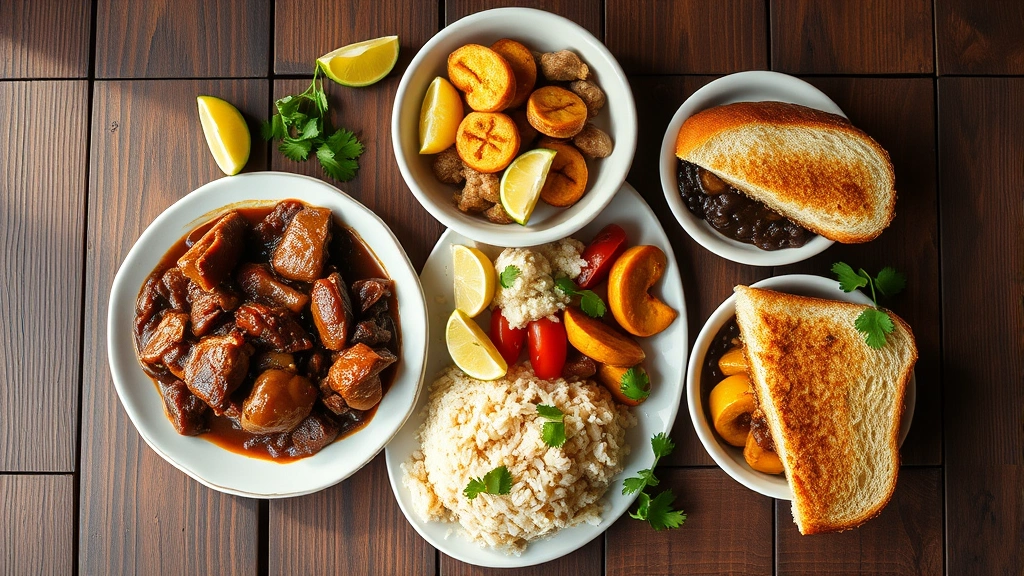
Cuban food recipes represent some of the most vibrant, flavorful dishes in Caribbean cuisine, and they’re absolutely worth exploring in your own kitchen. These authentic recipes blend Spanish colonial influences, African traditions, and Caribbean ingredients into something truly magical and unforgettable. Whether you’re craving the smoky richness of ropa vieja or the comforting warmth of a proper Cuban sandwich, these dishes will transport your taste buds straight to Havana.
What makes Cuban food recipes so special is their incredible depth of flavor without being overly complicated. You’ll find that most dishes rely on a handful of key ingredients: citrus, garlic, cumin, and slow-cooked meats. The magic happens when these simple components come together with patience and care. It’s the kind of cooking that rewards you for taking your time.
Jump To Section
Why This Collection Works
I’ve selected twelve authentic Cuban food recipes that showcase the true heart of this cuisine. These aren’t fusion dishes or simplified versions—they’re the real deal, passed down through generations of Cuban families. Each recipe tells a story of tradition, resourcefulness, and a deep love for bringing people together around the table.
The beauty of Cuban cooking lies in its balance. You’ll notice how Cuban soups and stews share similar flavor profiles to other Latin American cuisines, yet remain distinctly Cuban. Meanwhile, the preparation methods—whether it’s slow-roasting, marinating overnight, or simmering for hours—ensure every bite is packed with flavor. Additionally, these recipes prove that authentic Cuban food doesn’t require fancy ingredients or complicated techniques.
Understanding Key Cuban Ingredients
Before you dive into cooking, let’s talk about the ingredients that make Cuban food recipes shine. Mojo is the foundation of so much Cuban cooking—this simple marinade of citrus juice, garlic, cumin, and olive oil transforms even the simplest proteins into something spectacular. You can make it fresh each time or prepare a batch to keep on hand.
Sour orange juice, or naranja agria, is the traditional choice for authentic Cuban dishes, though fresh lime and lemon juice work beautifully as substitutes. Garlic is used generously—sometimes whole cloves, sometimes minced into a paste. Cumin adds that warm, earthy note that’s instantly recognizable in Cuban food recipes. For instance, you’ll find cumin in everything from black beans to the seasoning blend for ropa vieja.
Sofrito, that holy trinity of onions, peppers, and garlic cooked down in oil, serves as the flavor base for countless dishes. It’s worth making from scratch, though store-bought versions save time on busy weeknights. The key is finding quality ingredients—fresh vegetables, good olive oil, and spices that haven’t been sitting in your cabinet for years.
Popular Cuban Food Recipes to Master
Ropa vieja stands as perhaps the most iconic dish in Cuban cuisine. This shredded beef stew gets its name from its appearance—”ropa vieja” literally means “old clothes.” The meat simmers in a tomato-based sauce with peppers and onions until it becomes so tender it shreds itself. It’s comfort food at its finest, typically served over white rice with black beans on the side.
Picadillo, a ground beef hash seasoned with olives and raisins, offers something completely different. The combination of sweet and savory flavors might seem unusual if you’ve never had it, but it’s absolutely addictive. You can serve it as a main course, use it to fill empanadas, or enjoy it alongside rice and beans. This dish demonstrates how Cuban food recipes often incorporate unexpected flavor combinations that somehow work perfectly together.
Cuban sandwiches, or medianoche sandwiches, are hands-down the best way to experience the country’s flavors in portable form. Roasted pork, ham, Swiss cheese, and pickles get pressed between soft bread until everything melds into one incredible bite. Many people compare these to other Latin American sandwiches, but Cuban versions have their own distinctive character.
Black beans and rice, or “moros y cristianos,” forms the backbone of Cuban meals. While simple in concept, the depth of flavor comes from cooking the beans with garlic, cumin, and bay leaves until they’re creamy and rich. The rice gets cooked in the bean cooking liquid, absorbing all those wonderful flavors. This humble dish represents everything beautiful about Cuban food recipes—taking basic ingredients and transforming them into something memorable.
Cooking Techniques That Matter
Understanding how to properly execute Cuban cooking techniques will elevate your results dramatically. Slow cooking is non-negotiable for dishes like ropa vieja and lechon asado. These methods allow tough cuts of meat to become incredibly tender while the flavors develop and deepen. You’re not rushing—you’re allowing time to do the work.
Marinating overnight or even for several hours before cooking is standard practice in authentic Cuban food recipes. This step isn’t optional; it’s essential. The citrus and garlic in the mojo marinade actually begin breaking down the meat’s fibers while infusing flavor throughout. When you skip this step, you’re missing out on what makes these dishes truly special.
The sofrito base deserves special attention too. Rather than just dumping ingredients in a pot, take time to cook the onions and peppers slowly until they soften and release their natural sweetness. This foundation creates a more complex flavor profile than rushing the process. Consider comparing your approach to quick Latin cooking methods, and you’ll notice how patience in Cuban cuisine rewards you with superior results.
Serving and Pairing Your Cuban Dishes
Most traditional Cuban food recipes come together around a few standard sides. White rice, black beans, and fried plantains form the holy trinity of accompaniments. Add some fresh lime wedges, a simple salad like fresh Latin salads, and you’ve got a complete meal that celebrates everything Cuban cuisine offers.
Fried plantains deserve their own moment of recognition. These aren’t sweet like you might expect—they’re savory when properly fried until golden and crispy. Serve them alongside your main course for texture contrast and additional flavor dimension. Meanwhile, tostones (twice-fried plantains) offer a different experience entirely, with a crispy exterior and tender interior.
For beverages, consider pairing your Cuban food recipes with mojitos or Cuban coffee. A proper mojito combines rum, fresh mint, lime, sugar, and soda water—refreshing and traditional. Cuban coffee, or cafecito, is strong, sweet, and served in tiny cups as an after-dinner treat. These pairings complement the food while honoring Cuban culinary traditions.
Making Cuban Food Recipes Your Own
While respecting tradition is important, you should also feel empowered to adapt these recipes to your preferences and dietary needs. Perhaps you prefer chicken to beef in your ropa vieja—that works beautifully. Maybe you’re cooking for someone with a citrus allergy—you can adjust the mojo marinade accordingly. Additionally, if you have access to sour oranges, use them for the most authentic flavor, but don’t hesitate to substitute with lime and lemon if needed.
The wonderful thing about Cuban food recipes is their flexibility within structure. You understand the core flavors and techniques, then you can adjust based on what you have available. This is actually how Cuban cuisine developed—resourceful cooks making incredible food from available ingredients. For additional inspiration, check out other Latin salad recipes that share similar flavor profiles.
Don’t be intimidated by trying new recipes. Start with something approachable like black beans and rice or a simple marinated chicken. As you gain confidence, move toward more complex dishes like ropa vieja or lechon asado. Each recipe you master opens doors to understanding Cuban food recipes more deeply. For professional inspiration and techniques, Serious Eats offers excellent Cuban cooking resources, while New York Times Cooking features traditional recipes that honor authentic preparations.
The heart of Cuban cooking is about gathering people around the table and sharing food made with love. These recipes, whether passed down through families or discovered in restaurants, carry cultural significance. When you cook Cuban food recipes in your own kitchen, you’re participating in a beautiful culinary tradition that spans generations and connects people across the world. Start your journey today—your taste buds will thank you.
Ingredients
- 4-5 citrus fruits (limes, lemons, or sour oranges)
- 8-10 garlic cloves, minced
- 2 tablespoons ground cumin
- 1/2 cup olive oil
- 1 teaspoon dried oregano
- Salt and black pepper to taste
- 2 large yellow onions, diced
- 2-3 bell peppers (red and green), diced
- 2 cans (14.5 oz each) diced tomatoes
- 2 cans (15 oz each) black beans
- 3 cups long-grain white rice
- 2-3 pounds beef chuck roast or brisket
- 1 pound ground beef
- 1 pound pork shoulder or butt
- Green olives with pimentos (1/2 cup)
- Raisins (1/4 cup)
- 2 tablespoons tomato paste
- 1 bay leaf
- 1 teaspoon cumin seeds
- 2 plantains, sliced
- Oil for frying plantains
- Fresh cilantro for garnish
- Cuban bread or soft bread rolls
- Ham slices (1/4 pound)
- Swiss cheese slices (4 ounces)
- Dill pickle slices
- Butter for pressing sandwiches
Instructions
- Start by preparing your mojo marinade, which is the foundation for most Cuban food recipes. Combine fresh citrus juice (aim for 1 cup total), minced garlic (about 8 cloves), ground cumin (2 tablespoons), olive oil (1/2 cup), dried oregano (1 teaspoon), salt, and black pepper in a bowl. Whisk everything together until well combined.
- For ropa vieja, cut your beef chuck roast into large chunks and place in a large pot or Dutch oven. Pour the mojo marinade over the meat, making sure everything is well coated. Cover and refrigerate for at least 4 hours, preferably overnight, allowing the citrus and garlic to begin tenderizing the beef.
- When ready to cook ropa vieja, remove the beef from the refrigerator and bring to room temperature for about 30 minutes. Heat the pot over medium-high heat and bring the meat and marinade to a simmer. Cover and reduce heat to low, allowing the beef to cook for 2.5 to 3 hours until it’s falling-apart tender.
- While the beef cooks, prepare your sofrito base by heating 2 tablespoons of olive oil in a separate large pan over medium heat. Add diced onions and bell peppers, cooking slowly for 8-10 minutes until softened and fragrant. Add 2 tablespoons of tomato paste and cook for another minute, stirring constantly.
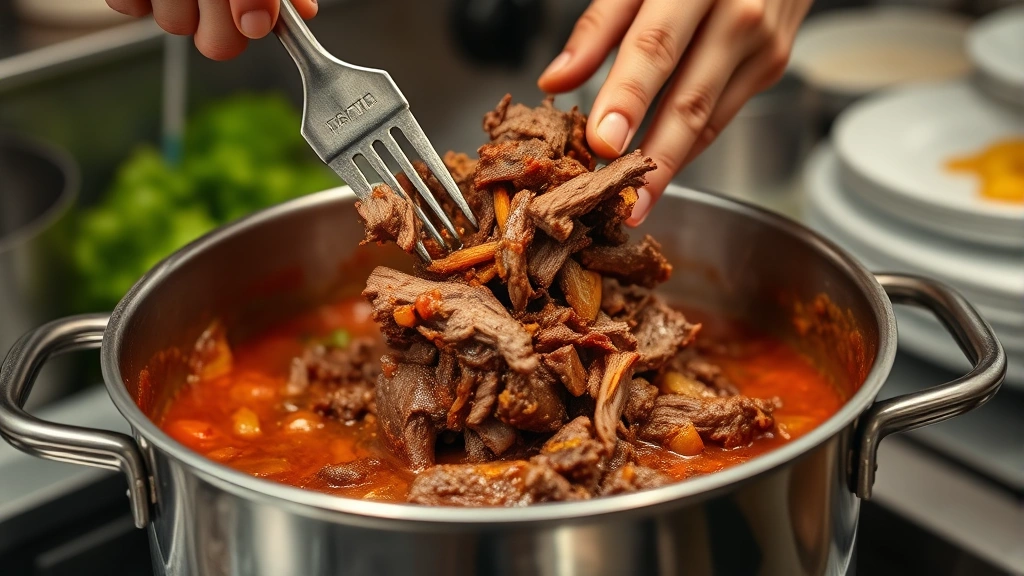
- Once the beef is tender enough to shred with a fork, remove it from the cooking liquid and set aside. Strain the cooking liquid, reserving about 2 cups. Using two forks, shred the beef into bite-sized pieces, removing any large fat deposits.
- Add the shredded beef to your sofrito mixture along with the reserved cooking liquid and canned diced tomatoes. Stir in 1 bay leaf and simmer for 15-20 minutes, allowing the flavors to meld. Season with additional salt and pepper as needed.
- For black beans and rice, rinse your black beans and add them to a large pot with 6 cups of water and 1 bay leaf. Bring to a boil, then reduce heat and simmer for 45 minutes until beans are very soft and creamy.
- In a separate pot, heat 3 tablespoons of olive oil and sauté minced garlic (3 cloves) with 1 teaspoon of cumin seeds until fragrant, about 1 minute. Add your rice and stir to coat with oil, toasting for 2-3 minutes.
- Once the beans are cooked, measure out 3 cups of the bean cooking liquid and bring to a boil. Add this liquid to your toasted rice, stir once, and reduce heat to low. Cover and cook for 18-20 minutes until the rice is tender and the liquid is absorbed.
- To prepare picadillo, heat 2 tablespoons of olive oil in a large skillet over medium-high heat. Add 1 pound of ground beef and cook, breaking it up as it browns, until no pink remains (about 5-7 minutes). Drain excess fat if necessary.
- Add your sofrito mixture (minced onion and garlic cooked until soft) to the cooked ground beef. Stir in 2 tablespoons of tomato paste, 1/2 cup of green olives with pimentos, 1/4 cup of raisins, 1 teaspoon of cumin, and 1 cup of tomato sauce.
- Simmer the picadillo for 15-20 minutes, stirring occasionally, until the flavors are well combined and the mixture has thickened slightly. Adjust seasonings with salt and pepper to taste. Serve over white rice or use as a filling for empanadas.
- For Cuban sandwiches, marinate 1.5 pounds of pork shoulder in mojo marinade for at least 4 hours. Roast the pork at 350°F for about 1.5 hours until cooked through and shredded. Alternatively, you can use pre-cooked pulled pork from a slow cooker or pressure cooker.
- Slice your Cuban bread lengthwise and butter the cut sides lightly. Layer the roasted pork, sliced ham (about 2 ounces), Swiss cheese slices, and dill pickle slices on the bottom half of the bread.
- Close the sandwich with the top half of the bread and press it in a panini press or between two hot skillet weights for 3-4 minutes per side until the cheese melts and the bread becomes golden and crispy. Serve immediately while hot.
- To prepare fried plantains, peel plantains by slicing off the ends and making lengthwise cuts through the skin. Peel away the skin carefully and slice the plantain on a diagonal into 1/4-inch thick pieces.
- Heat oil in a deep skillet to 350°F. Carefully add plantain slices in batches, being careful not to overcrowd the pan. Fry for about 2-3 minutes per side until golden brown and crispy. Remove with a slotted spoon and drain on paper towels. Sprinkle with salt immediately.
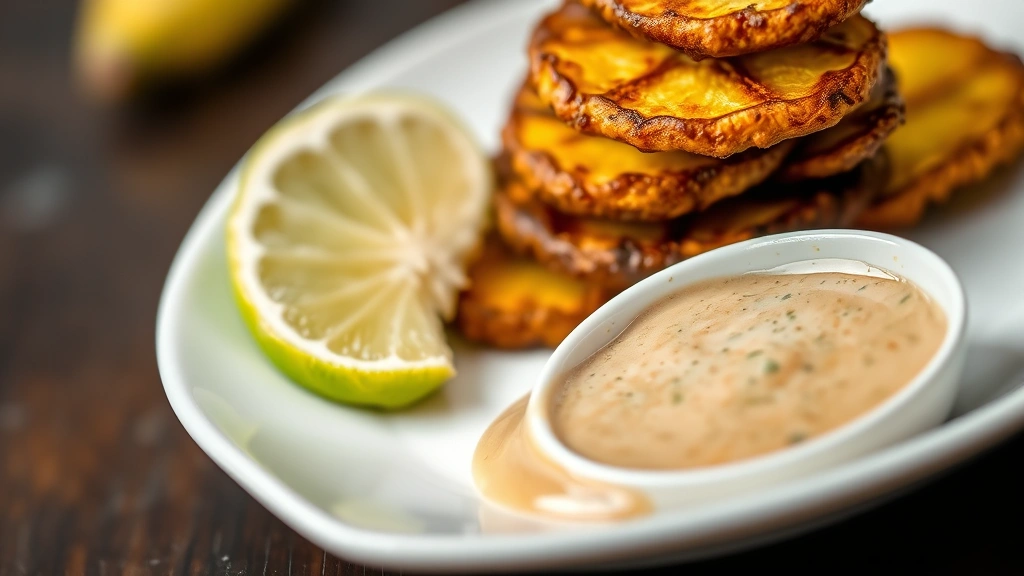
- For tostones (twice-fried plantains), slice green plantains into 1-inch thick rounds. Fry at 325°F for about 3-4 minutes until golden. Remove and flatten each piece with the bottom of a glass or tostonera press.
- Return the flattened plantain pieces to the oil at 350°F and fry for another 1-2 minutes until golden and crispy. Drain on paper towels and serve hot with garlic mojo sauce for dipping.
- To make proper Cuban coffee, brew very strong espresso or very finely ground coffee using a stovetop moka pot or espresso machine. In a small cup, combine 1-2 tablespoons of sugar with 1 tablespoon of the hot coffee and whisk vigorously until it becomes a light brown, foamy paste.
- Pour the remaining hot coffee into the sweetened mixture while continuing to whisk, creating a thick foam on top. Divide among small demitasse cups, ensuring each cup gets some of the creamy foam. Serve immediately after meals as a traditional Cuban tradition.
- Prepare a simple Cuban salad by combining chopped tomatoes, sliced white onions, and fresh cilantro. Dress with olive oil, lime juice, salt, and pepper, and allow to sit for at least 15 minutes before serving to let flavors meld.
- For authentic Cuban yellow rice with vegetables, cook rice in chicken broth instead of water and add a pinch of saffron or turmeric for color. Stir in diced bell peppers, peas, and carrots during the last 5 minutes of cooking for a complete side dish.
Pro Tips
Cuban food recipes truly shine when you understand the importance of proper marinating time. Don’t skip this step even if you’re in a hurry—those extra hours in the mojo marinade are what transform good food into something extraordinary. The citrus and garlic do the heavy lifting, breaking down meat fibers and infusing flavor throughout. However, if you’re truly pressed for time, even 2 hours will make a noticeable difference compared to cooking without marinating.
Substitutions are absolutely acceptable in Cuban cooking. If you can’t find sour oranges, which are traditional, a combination of fresh lime juice and lemon juice works beautifully. Meanwhile, sofrito can be made fresh or purchased frozen from most supermarkets in the Latin foods section—both options yield delicious results. Additionally, if you’re avoiding pork for dietary reasons, chicken works wonderfully in most Cuban food recipes, though the cooking time will be shorter.
Storage and reheating instructions vary by dish, but most Cuban food recipes improve after a day or two in the refrigerator as flavors continue developing. Ropa vieja, picadillo, and black beans all store well for 3-4 days when covered properly. For instance, you can reheat ropa vieja gently on the stovetop with a splash of broth, or warm it in the microwave in 30-second intervals. Rice is best served fresh, though leftovers can be refrigerated and reheated for fried rice preparations.
When preparing Cuban sandwiches, the key to success is using a panini press or creating a makeshift press with a heavy skillet. This pressure ensures the cheese melts completely while the bread crisps to golden perfection. The combination of textures—tender meat, melted cheese, crisp bread, and tart pickles—creates something truly special. Consider making these for a casual dinner party or weekend lunch.
Plantain preparation requires attention to ripeness. Green plantains (still mostly yellow) are starchy and savory, perfect for tostones and savory fried plantains. Yellow plantains with some black spots are slightly sweeter and work for either application. Fully black plantains are best reserved for sweet preparations like maduros (sweet fried plantains). Understanding this distinction ensures you get the flavor profile you’re seeking in your Cuban food recipes.
For the best results with ropa vieja, use a tougher cut of beef like chuck roast or brisket rather than tender cuts. The long, slow cooking breaks down the connective tissues, creating that signature shredded texture. This is also a great dish for batch cooking—make a large pot and freeze portions for future meals. Thaw overnight in the refrigerator and reheat gently for convenient weeknight dinners.
Black beans benefit from cooking in their soaking liquid rather than fresh water, as this preserves nutrients and flavor. Additionally, adding a piece of salt pork or ham bone while cooking adds incredible depth, though this step is optional. If you’re vegetarian, the beans still develop wonderful flavor from the sofrito base and aromatics alone.