
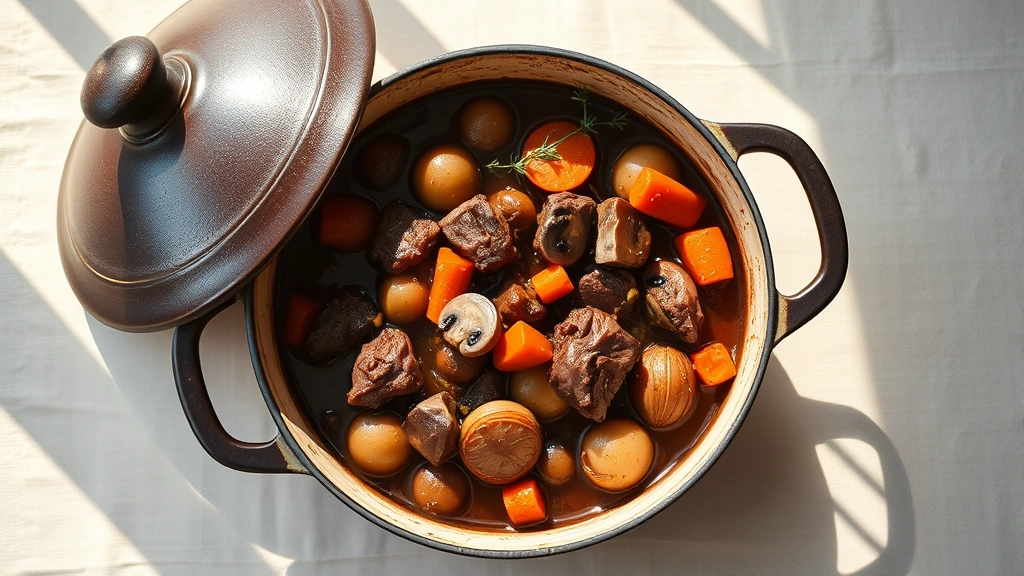
Deer meat recipes are some of the most rewarding dishes you can prepare at home, transforming wild venison into restaurant-quality meals that’ll impress everyone at your table. Whether you’re a seasoned hunter or simply curious about cooking with venison, these versatile recipes prove that deer meat is far more than just a special occasion protein—it’s a delicious gateway into adventurous home cooking.
I still remember the first time my uncle brought venison to a family dinner. Everyone was skeptical, honestly. But after tasting his perfectly seasoned venison steaks, skeptics became believers. The meat has this naturally rich, slightly gamey flavor that responds beautifully to bold seasonings and creative cooking methods. Plus, venison is incredibly lean, which means it’s healthier than beef while delivering serious umami satisfaction.
Jump To Section
Why Venison Deserves a Spot in Your Kitchen
Here’s what makes deer meat recipes so special: venison is leaner than almost any other protein you’ll find, yet it stays incredibly tender and flavorful when cooked properly. The key is understanding that venison needs respect—it’s not beef, and treating it like beef is where most home cooks go wrong. The meat’s natural leanness means it can dry out quickly if overcooked, so we need to be intentional about our techniques.
Additionally, venison has a distinctive taste profile that pairs wonderfully with both traditional and unconventional flavor combinations. Think rich red wine reductions, aromatic herbs like rosemary and thyme, bold spices, and even surprising partners like fruit-based glazes. The possibilities are genuinely endless. Meanwhile, home cooks are discovering that preparing venison doesn’t require fancy equipment or advanced culinary training—just good technique and patience.
Essential Preparation Tips for Perfect Results
Before diving into specific deer meat recipes, let’s talk prep work, because this is where success begins. First, proper thawing matters tremendously. If your venison is frozen, move it to the refrigerator 24 hours before cooking rather than thawing at room temperature. This preserves moisture and ensures even cooking throughout.
Temperature control is absolutely crucial when cooking venison. Because the meat is so lean, it can go from perfectly cooked to dry in minutes. I recommend using a meat thermometer and pulling your venison off the heat slightly before it reaches your target temperature—carryover cooking will finish the job perfectly. For steaks and roasts, aim for 130-135°F for medium-rare, which is genuinely the sweet spot for venison.
Marinading is your secret weapon with venison, especially for tougher cuts. Even 2-4 hours in an acidic marinade (think vinegar, citrus, or wine-based) will tenderize the meat while infusing flavor. For instance, a simple combination of olive oil, red wine, garlic, and herbs transforms even modest cuts into something spectacular.
Cooking Methods That Showcase Venison’s Best Qualities
Slow cooking is perhaps the most forgiving method for venison, particularly for stews and braises. When you’re preparing hearty dishes like slow cooker soups, the low, moist heat breaks down connective tissue and allows tough cuts to become fall-apart tender. The extended cooking time also allows flavors to meld beautifully, creating depth that’s hard to achieve with faster cooking methods.
Quick-cooking methods like pan-searing and stir-frying work wonderfully with tender cuts. High heat creates a gorgeous crust while keeping the interior juicy. This approach is similar to how you’d prepare quick tasty pork stir fry recipes, where the speed of cooking is essential to maintain moisture. Ground venison also shines in tacos and quesadillas—you can use it exactly like ground beef in most applications.
Roasting is ideal for larger cuts, particularly when you’re cooking for a crowd. A low-temperature roast (around 275-300°F) ensures even cooking from edge to center without drying out the exterior. Pair this technique with flavorful sauce recipes and you’ve got an elegant centerpiece.
Flavor Pairings That Transform Your Venison Dishes
The gamey notes in venison play beautifully with strong flavors that would overwhelm milder meats. Red wine, dark soy sauce, aged balsamic vinegar, and rich stocks are natural companions. However, don’t overlook lighter options—venison also responds wonderfully to citrus, fresh herbs, and even delicate Asian-inspired seasonings.
Seasonal produce elevates venison cooking tremendously. Fall recipes featuring mushrooms, root vegetables, and cranberries feel naturally harmonious. Summer preparations with fresh herbs and lighter sauces keep venison feeling bright rather than heavy. For tacos, consider treating venison ground meat like you would tasty steak tacos—bold seasoning, fresh toppings, and confident flavors work beautifully.
Don’t forget about unexpected pairings either. Venison takes beautifully to Asian preparations, Mediterranean herb blends, and even smoky barbecue treatments. The key is committing to your flavor direction rather than timidly under-seasoning—venison demands boldness.
Storage, Make-Ahead Tips & Serving Suggestions
Raw venison keeps in the refrigerator for 3-4 days, or frozen for up to 8-12 months if properly wrapped. When freezing, remove as much air as possible and label everything with the cut and date. Cooked venison dishes often improve after a day or two as flavors meld, so making these ahead for entertaining is genuinely smart planning.
Most venison stews and braises reheat beautifully on the stovetop or in the oven. Add a splash of liquid (wine, stock, or water) and warm gently to prevent drying. Additionally, these dishes freeze exceptionally well—freeze in portion-sized containers for easy weeknight dinners down the road.
For serving, think about what complements venison’s rich character. Root vegetable purées, creamy polenta, wild rice, and earthy vegetables all play supporting roles beautifully. A simple green salad with vinaigrette (like Thai cucumber salad for something different) provides brightness against venison’s depth. Similarly, steak quesadillas demonstrate how venison adapts to casual preparations—ground venison in quesadillas is genuinely excellent.
Wine pairing matters with venison in ways it might not with lighter proteins. Full-bodied reds like Cabernet Sauvignon, Burgundy, or Bordeaux blends are classics for good reason. However, don’t overlook earthy wines or even lighter reds depending on your preparation—a Pinot Noir works beautifully with herb-forward venison dishes.
Cooking with venison transforms how you think about home cooking. It’s an adventure that yields impressive results, and honestly, once you’ve mastered these deer meat recipes, you’ll find yourself reaching for venison again and again. The combination of natural flavor, leanness, and versatility makes venison cooking endlessly rewarding. Whether you’re preparing an intimate dinner or feeding a gathering, venison delivers.
Ingredients
- 3 pounds venison shoulder or chuck, cut into 2-inch cubes
- 3 tablespoons olive oil, divided
- 1 large onion, diced
- 4 cloves garlic, minced
- 3 medium carrots, cut into 1-inch pieces
- 2 cups pearl onions, peeled
- 1 pound mushrooms, halved
- 2 cups beef or venison stock
- 1 cup full-bodied red wine (Cabernet or Burgundy)
- 2 tablespoons tomato paste
- 2 bay leaves
- 4 sprigs fresh thyme
- 1 teaspoon whole black peppercorns
- 1 teaspoon kosher salt, plus more to taste
- ¼ teaspoon ground black pepper
- 2 tablespoons cornstarch mixed with 2 tablespoons water (optional thickener)
- Fresh parsley for garnish
- Sea salt for finishing
Instructions
- Pat your venison cubes completely dry with paper towels, then season generously with kosher salt and ground black pepper on all sides. This step is crucial because dry meat sears better, creating a flavorful crust that seals in moisture.
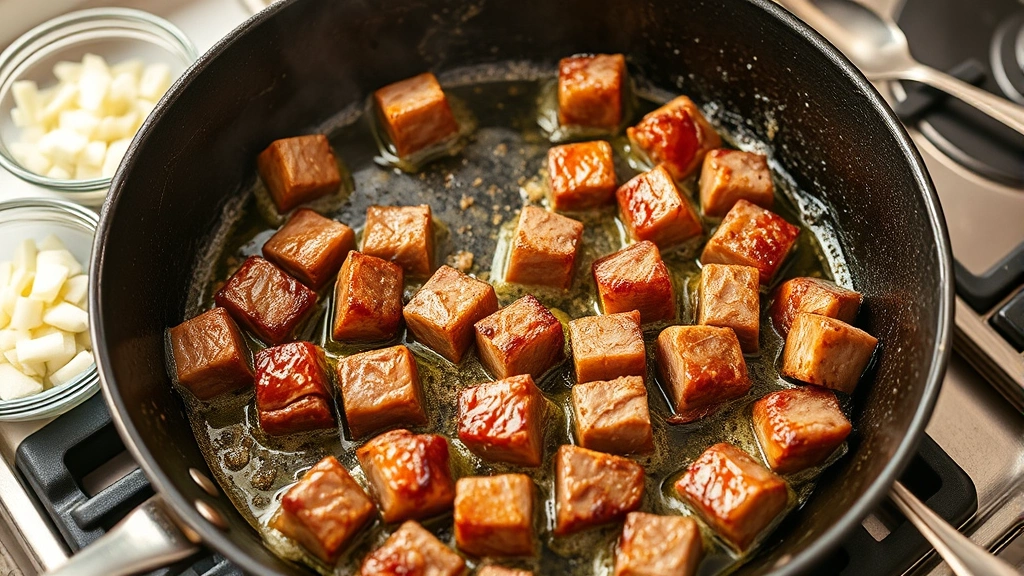
- Heat 1½ tablespoons of olive oil in a large, heavy-bottomed Dutch oven or braising pan over medium-high heat until it shimmers. Working in batches to avoid crowding the pan, sear the venison cubes for 3-4 minutes per side until deeply browned. Transfer seared meat to a plate and repeat with remaining venison.
- Add the remaining 1½ tablespoons olive oil to the same pot and reduce heat to medium. Add diced onion and cook for 3-4 minutes, stirring occasionally, until softened and beginning to caramelize. This builds tremendous flavor depth.
- Stir in minced garlic and tomato paste, cooking for 1-2 minutes until fragrant and the tomato paste darkens slightly. The tomato paste adds umami richness that’s essential to venison braises.
- Pour in the red wine, scraping the bottom of the pot with a wooden spoon to release all the flavorful browned bits (this is called deglazing, and it’s magic). Let the wine reduce by half, about 3-4 minutes, which concentrates and mellows the wine’s acidity.
- Return the seared venison to the pot along with any accumulated juices. Add beef stock, bay leaves, thyme sprigs, and whole black peppercorns. Stir gently to combine, ensuring the liquid comes about three-quarters of the way up the meat.
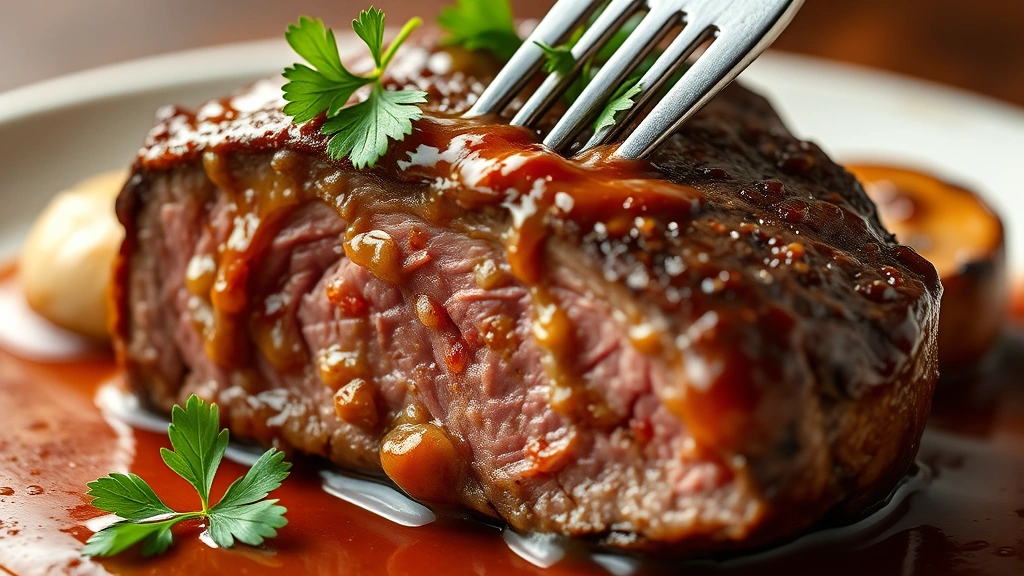
- Bring to a gentle simmer, then cover and reduce heat to low. Braise for 1 hour and 30 minutes to 1 hour and 45 minutes, until the venison is fork-tender. The meat should break apart easily when pierced with a fork.
- Meanwhile, prepare your vegetables. Heat 1 tablespoon of olive oil in a separate skillet over medium heat. Add pearl onions and cook for 4-5 minutes, stirring occasionally, until they develop light golden color. Set aside. In the same skillet, sauté mushroom halves for 5-6 minutes until they release moisture and begin to brown. Set aside separately.
- Add carrots to the braising pot about 1 hour into cooking so they finish at the same time as the venison. They’ll be perfectly tender without falling apart.
- When the venison is nearly done, stir in the sautéed pearl onions and mushrooms along with any accumulated juices from their cooking. Taste the braising liquid and adjust seasoning with additional salt and pepper as needed.
- If you prefer a thicker sauce, mix cornstarch with water to create a slurry and stir it into the simmering liquid, cooking for 1-2 minutes until it thickens slightly. However, the natural richness often doesn’t need thickening.
- Remove from heat and let rest for 5 minutes. Remove bay leaves and thyme sprigs (though some prefer leaving them in for presentation). Garnish generously with fresh parsley and finish with a pinch of sea salt for brightness.
Pro Tips
This venison braise is genuinely forgiving and improves dramatically after a day or two as flavors meld. The meat becomes even more tender, and the sauce deepens in complexity. Store in an airtight container in the refrigerator for up to 4 days, or freeze for up to 3 months.
For reheating, transfer the braise to a pot and warm gently over medium-low heat with a splash of water or stock if it’s thickened too much during storage. Never boil venison—gentle warmth preserves tenderness. The stovetop method takes about 15-20 minutes.
Substitution note: If pearl onions are unavailable, regular onions cut into quarters work beautifully. Additionally, cremini mushrooms can replace button mushrooms, or use a mixture of varieties for complexity. Red wine enthusiasts might substitute burgundy or pinot noir depending on personal preference.
This dish pairs wonderfully with creamy mashed potatoes, egg noodles, or crusty bread for sauce soaking. However, it’s equally delicious served over polenta or with simple roasted root vegetables. The braising liquid is genuinely precious—don’t skip it.
For a make-ahead option, prepare through step 7 the day before, cool completely, cover, and refrigerate. The next day, bring to room temperature for 30 minutes, then continue from step 8. This actually improves flavor development and makes entertaining significantly less stressful.
Wine selection matters here. Choose a wine you’d genuinely enjoy drinking—the quality transfers directly to your finished dish. Similarly, homemade or quality store-bought stock elevates the final result noticeably compared to bouillon.
Venison cooking temperature is crucial. Use a meat thermometer to ensure the venison reaches at least 160°F for food safety, though most braises naturally reach higher temperatures during the extended cooking time. The meat should be falling-apart tender, not chewy.