
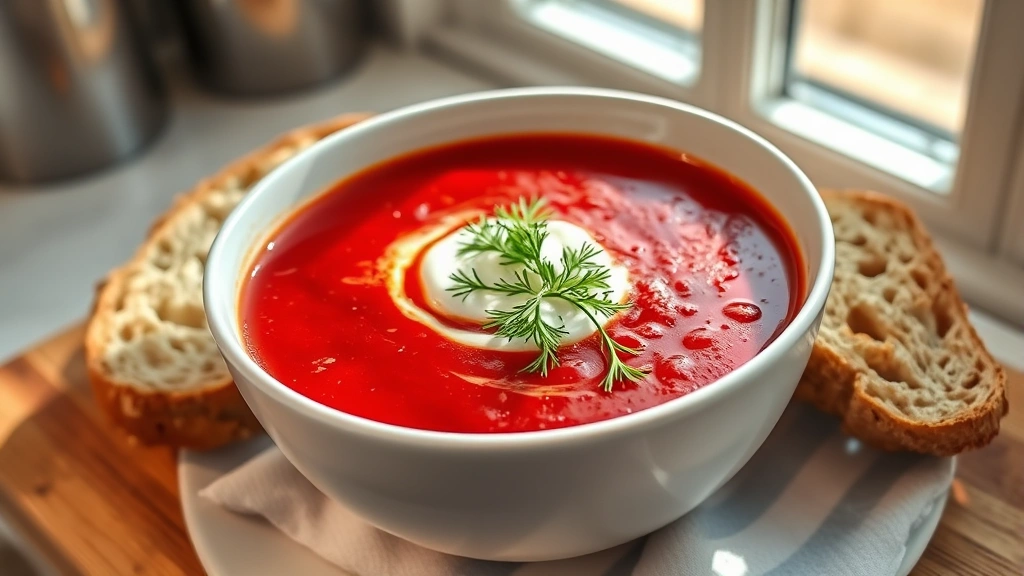
Russian borscht is one of the most iconic and beloved dishes in Eastern European cuisine, and this deliciously simple version proves you don’t need complicated techniques to create something truly spectacular. This vibrant, jewel-toned soup is a celebration of humble ingredients—beets, cabbage, and root vegetables—combined with savory beef broth to create a warming, deeply satisfying meal that’s perfect for any season.
What makes this borscht recipe so special is its perfect balance of earthy sweetness from the beets and cabbage, with just a hint of acidity from vinegar and the richness of beef. The beauty of traditional Russian borscht lies in its simplicity; there are no fancy techniques or hard-to-find ingredients, just honest, wholesome cooking that has been passed down through generations. This is the kind of soup that fills your kitchen with an incredible aroma and brings comfort to everyone who tastes it.
Borscht is incredibly versatile and can be served hot or cold, depending on the season. It’s often topped with a dollop of sour cream, which creates a beautiful contrast against the deep red broth, and fresh dill adds a bright, herbaceous note that’s absolutely essential to the final dish. Whether you’re looking to explore new salad recipes or warming soups, this Russian classic deserves a permanent spot in your cooking repertoire.
The best part about making borscht at home is that it actually improves with time. The flavors deepen and meld together beautifully, making it an ideal dish to prepare ahead for meal prep or entertaining. Serve it alongside some crusty bread, and you have a complete, restaurant-quality meal that tastes like you spent hours in the kitchen—though it’s surprisingly quick and easy to prepare.
If you’re interested in exploring more international cuisine, you might also enjoy trying quick bacon carbonara or learning how to make rich cream sauces. For a fresh side dish to accompany your borscht, consider making pickled red onions for an extra layer of flavor and tang.
For more inspiration on how to prepare this classic dish, check out resources from Serious Eats, which offers excellent guidance on Eastern European cooking techniques. You can also explore Bon Appétit for creative variations on traditional borscht recipes. The New York Times Cooking section also features wonderful international soup recipes that pair beautifully with borscht for a complete meal plan.
Ingredients
- 2 pounds beef chuck or stewing beef, cut into bite-sized pieces
- 8 cups beef broth or stock
- 4 medium beets, peeled and cut into matchsticks or julienned
- 1 small head of cabbage, thinly sliced
- 3 medium carrots, peeled and cut into thin matchsticks
- 2 medium potatoes, peeled and cut into small cubes
- 1 medium onion, diced
- 3 cloves garlic, minced
- 2 tablespoons tomato paste
- 2 tablespoons red wine vinegar or apple cider vinegar
- 2 tablespoons olive oil
- 1 teaspoon caraway seeds (optional but traditional)
- 2 bay leaves
- Salt and black pepper to taste
- Fresh dill for garnish
- Sour cream for serving
- Crusty bread for serving
Instructions
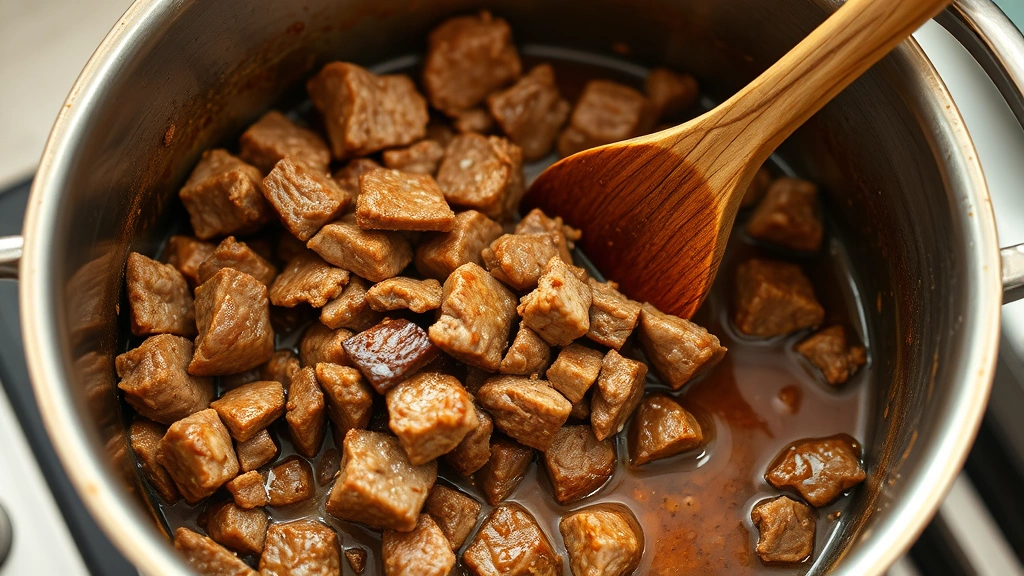
- Heat the olive oil in a large, heavy-bottomed pot or Dutch oven over medium-high heat. Working in batches if necessary, brown the beef pieces on all sides, about 8-10 minutes total. This step is crucial for developing deep flavor. Season the meat lightly with salt and pepper as it cooks. Once browned, remove the meat to a plate and set aside.
- In the same pot, add the diced onion and cook until softened and translucent, about 3-4 minutes, stirring occasionally. Add the minced garlic and cook for another 30 seconds until fragrant, being careful not to burn the garlic.
- Stir in the tomato paste and cook for about 1-2 minutes, stirring constantly. This helps develop the tomato flavor and removes any raw taste from the paste.
- Pour in the beef broth, scraping up any browned bits from the bottom of the pot with a wooden spoon. These flavorful bits, called fond, add incredible depth to your soup. Return the browned beef to the pot.
- Add the bay leaves and caraway seeds if using. Bring the mixture to a simmer, then reduce heat to medium-low. Let it simmer gently for about 15 minutes to allow the beef to begin tenderizing and the flavors to meld.
- Add the julienned beets, sliced cabbage, matchstick carrots, and diced potatoes to the pot. Stir well to combine all ingredients. The soup will have a beautiful ruby color starting to develop.
- Continue simmering for another 20-25 minutes, or until the beef is tender and all vegetables are cooked through but still hold their shape. The beets should be tender and the cabbage should be soft but not falling apart.
- Stir in the red wine vinegar or apple cider vinegar. The acid is essential to authentic borscht as it balances the sweetness of the beets and brightens all the flavors. Taste the soup and adjust seasoning with additional salt and pepper as needed.
- Remove the bay leaves from the pot. Ladle the borscht into serving bowls, ensuring each bowl gets a generous portion of vegetables and beef.
- Top each bowl with a generous dollop of sour cream and a sprinkle of fresh dill. Serve immediately with crusty bread on the side for dipping and soaking up the delicious broth.
Pro Tips
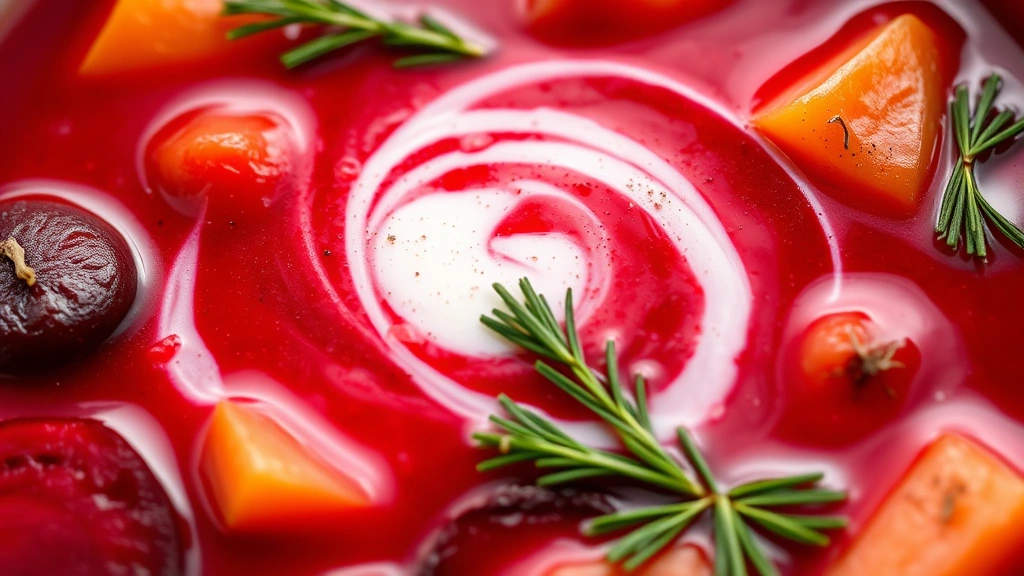
- Traditional Russian borscht should have a deep ruby-red color from the beets. Don’t be shy with the beets—they’re the star of this dish
- The sour cream topping isn’t just for decoration; it’s an essential component that adds richness and helps balance the acidity of the vinegar. Swirl it in just before eating for the best presentation
- Fresh dill is absolutely crucial for authentic flavor. Dried dill simply won’t have the same bright, herbaceous quality. Add it just before serving for maximum flavor impact
- This soup improves with time as the flavors continue to develop and meld together. Make it a day ahead and reheat gently before serving for even better results
- For a vegetarian version, simply omit the beef and use vegetable broth instead. Increase the cooking time slightly to ensure all vegetables are perfectly tender
- Caraway seeds are traditional in Russian borscht and add a distinctive, slightly earthy flavor. If you can’t find them or don’t enjoy their taste, you can omit them without affecting the basic recipe
- The vinegar amount can be adjusted to your taste preference. Some prefer more acidity, while others like a subtler tang. Start with 2 tablespoons and add more if desired
- Borscht freezes beautifully for up to 3 months. Cool completely before transferring to freezer containers. The sour cream and dill should be added fresh after reheating
- For a heartier version, serve alongside creamy pasta dishes or hearty breads
- Leftovers can be transformed into a delicious borscht salad by chilling the soup and serving it over greens with additional sour cream
- The beef can be replaced with chicken for a lighter version, though you may want to reduce the cooking time accordingly
- Some cooks add a pinch of sugar to balance the acidity if the borscht tastes too sour, though quality beets usually provide enough natural sweetness