

This detroit style pizza recipe is an absolute game-changer for anyone who loves crispy, rectangular pizza with caramelized cheese edges and a perfectly airy crumb. I’m talking about that iconic Sicilian-inspired Detroit pizza that’s taken the pizza world by storm—the kind with those gorgeous, lacy, crispy corners that everyone fights over. Once you master this technique, you’ll understand why Detroit-style pizza has become a beloved staple from coast to coast.
Detroit pizza isn’t just another pizza trend; it’s a legitimate style with roots going back generations in Motor City. The signature rectangular shape, the thick yet airy dough, and most importantly, those incredible crispy, cheese-laden edges make this style absolutely irresistible. What makes this detroit style pizza recipe so special is how it celebrates simplicity—quality ingredients, proper technique, and patience do all the heavy lifting.
Jump To Section
The beauty of this recipe lies in its accessibility. You don’t need fancy equipment or years of pizza-making experience to pull off restaurant-quality results. A standard rectangular baking sheet (or even a half-sheet pan) is all you need to create something truly magical. The dough is forgiving, the toppings are straightforward, and the results are consistently impressive.
Why This Recipe Works
The magic of this detroit style pizza recipe starts with understanding the dough hydration and fermentation process. A well-hydrated dough creates those beautiful air pockets and a tender crumb that’s characteristic of authentic Detroit pizza. Meanwhile, a long, cold fermentation develops flavor and makes the dough easier to stretch and shape.
The rectangular pan is absolutely crucial to this recipe’s success. Unlike traditional round pizza pans, the rectangular shape maximizes surface area, which means more of that coveted crispy edge. Additionally, the way the dough spreads and the cheese caramelizes against the sides of the pan creates those iconic lacy, golden-brown corners that make Detroit pizza so addictive.
Temperature control is another key factor that separates good Detroit pizza from great Detroit pizza. A hot oven (around 500°F) combined with the bottom heat from the preheated pan ensures the crust develops a crispy exterior while staying light and airy inside. The cheese gets those beautiful brown spots without becoming rubbery or greasy.
Ingredient Tips & Substitutions
For this detroit style pizza recipe, bread flour is your best friend because it contains more protein than all-purpose flour, which helps develop those gorgeous air pockets. However, if you only have all-purpose flour on hand, it’ll work perfectly fine—just expect a slightly less chewy crumb. The difference is minimal, honestly, so don’t stress if you need to swap.
When it comes to cheese, this is where Detroit pizza really shines. A combination of whole milk mozzarella and white cheddar creates those crispy, caramelized edges that are absolutely essential. For instance, you could use block mozzarella that you shred yourself, which actually melts more evenly than pre-shredded varieties. The white cheddar adds a sharpness that elevates the entire pizza.
The toppings are entirely up to you, though traditional Detroit pizza keeps things simple. A light sauce (usually a tangy tomato sauce), quality mozzarella, and maybe some pepperoni is all you need. That said, feel free to get creative—caramelized onions, fresh basil added after baking, or roasted vegetables all work beautifully. Just remember that less is more with this style; you want the dough and cheese to be the stars.
For a gluten-free version, there are excellent gluten-free bread flour blends available that work surprisingly well. The fermentation times might need slight adjustment, but the technique remains the same. Additionally, if you’re dairy-free, cashew-based mozzarella alternatives have come a long way and can create decent caramelization.
Making the Perfect Detroit Pizza Dough
The dough for this detroit style pizza recipe requires patience, but it’s straightforward once you understand the process. Mix your ingredients, let them hydrate for about 30 minutes (this step is called autolyse and makes a huge difference), then knead and bulk ferment for a few hours at room temperature. After that, oil your rectangular pan generously, stretch the dough into it, and refrigerate overnight or up to 48 hours.
This long fermentation is what creates those incredible flavors and textures you’re after. The cold time in the fridge actually benefits the dough—it becomes easier to shape, develops deeper flavor, and the gluten structure strengthens. When you’re ready to bake, simply let the dough come to room temperature for about 30 minutes before topping and baking.
The stretch-and-rest method works beautifully for detroit style pizza. Gently stretch the dough to fill about three-quarters of your oiled pan, let it rest for 5-10 minutes, then do a final stretch to reach the edges. This two-step approach prevents the dough from shrinking back and ensures even thickness throughout.
Serving Suggestions
Detroit pizza is naturally shareable and perfect for casual gatherings or weeknight dinners. Cut it into squares and serve it with a simple caesar salad for a well-rounded meal. A crisp salad with tangy dressing provides a refreshing contrast to the rich, cheesy pizza.
Consider pairing your detroit style pizza recipe with cold beverages—whether that’s beer, sparkling water with lemon, or iced tea. The bright, clean flavors cut through the richness beautifully. For a more substantial meal, add a potato salad or chinese salad on the side.
If you’re making this for game day or a party, rectangular Detroit pizza is fantastic because people can grab a square and go. It’s less formal than traditional round pizza and somehow feels more approachable. Pair it with pizza burgers or smash burgers for a build-your-own feast that’ll impress everyone.
Storage & Reheating
Leftover detroit style pizza stores beautifully in the refrigerator for up to 4 days in an airtight container. The crust actually stays crispy thanks to the way it’s baked, which is one of the advantages of this style over other pizza methods. Simply peel a slice directly from the container and reheat it however you prefer.
For reheating, a 350°F oven for about 5-7 minutes works wonderfully and preserves the crispy edges better than a microwave. However, if you’re in a hurry, the microwave certainly works—just expect the crust to soften slightly. Alternatively, reheat slices in a skillet over medium heat for a minute or two per side to restore some of that original crispiness.
Freezing is absolutely an option with this detroit style pizza recipe. Wrap individual slices tightly in plastic wrap, then place them in a freezer bag for up to 3 months. Thaw them in the refrigerator overnight before reheating, and they’ll taste remarkably close to fresh-baked pizza. This makes detroit pizza an excellent make-ahead option for busy weeks.
For more inspiration on rectangular pan cooking techniques, check out Serious Eats’ pizza guides and New York Times Cooking for additional pizza styles. Bon Appétit’s pizza coverage also offers excellent variations and troubleshooting tips. These resources have helped countless home cooks master rectangular pan pizza techniques.
Once you’ve made this detroit style pizza recipe a few times, you’ll develop an intuition for the dough and how it behaves in your specific oven. Every oven has personality, so minor adjustments to temperature or timing might be necessary. The wonderful thing about detroit pizza is its forgiving nature—even slight variations usually result in delicious pizza.
Ingredients
- 3 cups (360g) bread flour
- 1 teaspoon (5g) instant yeast
- 1.5 teaspoons (9g) salt
- 1.25 cups (300ml) warm water
- 3 tablespoons (45ml) olive oil, divided
- 2 cups (200g) whole milk mozzarella, shredded
- 1 cup (100g) white cheddar cheese, shredded
- 1 cup (240ml) tangy tomato sauce
- 8 ounces pepperoni slices, optional
- 2 tablespoons fresh basil, for garnish
- Fleur de sel or finishing salt for topping
- Red pepper flakes, optional
Instructions
- In a large bowl, combine bread flour, instant yeast, and salt. Add warm water and stir until a shaggy dough forms with no dry flour remaining. Cover the bowl and let rest for 30 minutes (this is the autolyse stage, which helps develop gluten and flavor).
- After the 30-minute rest, add 1 tablespoon of olive oil to the dough. Mix and knead by hand for about 8-10 minutes until the dough becomes smooth and elastic, or use a stand mixer on medium speed for 5-6 minutes.
- Shape the dough into a ball and place it in a lightly oiled bowl. Cover with plastic wrap and let bulk ferment at room temperature for 2-3 hours until it roughly doubles in size.
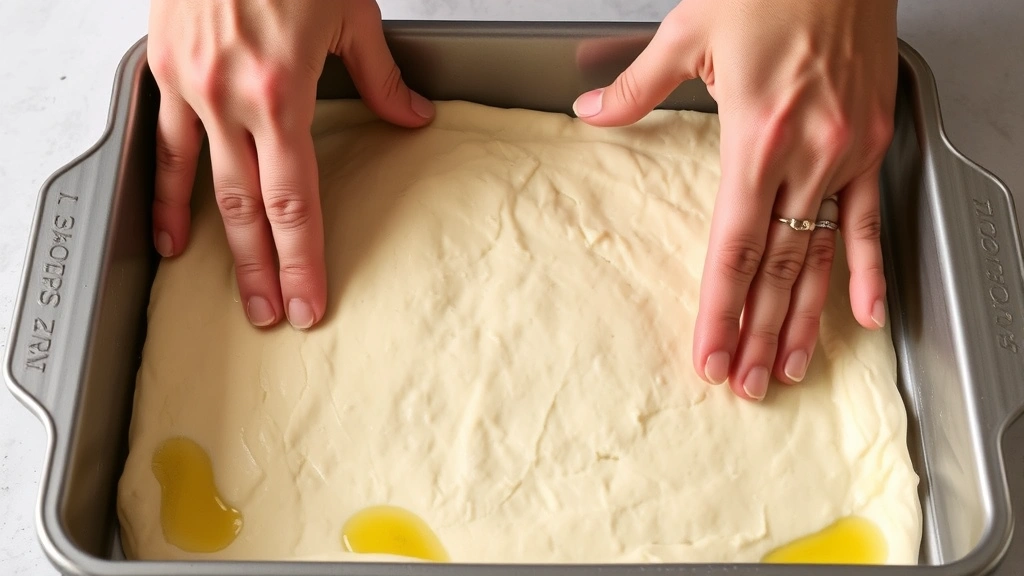
- Generously oil a 13×18-inch rectangular baking sheet (half-sheet pan) with 2 tablespoons of olive oil, making sure to coat the bottom and sides well. This is crucial for achieving those crispy, golden edges.
- Transfer the fermented dough to the oiled pan. Gently stretch it to fill about three-quarters of the pan. Let it rest for 5-10 minutes, then do a final stretch to reach the edges and corners.
- Cover the dough-lined pan with plastic wrap and refrigerate overnight (or up to 48 hours). This long fermentation develops flavor and makes the dough easier to work with.
- When ready to bake, remove the pan from the refrigerator and let the dough come to room temperature for about 30 minutes. Meanwhile, preheat your oven to 500°F with a rack positioned in the lower-middle area.
- Spread the tomato sauce evenly over the dough, leaving about a half-inch border around the edges. This border allows the dough to rise and create that signature puffed crust.
- In a small bowl, combine the shredded mozzarella and white cheddar. Distribute the cheese mixture evenly over the sauce, making sure to get cheese right into the corners of the pan—these corners will become those incredible crispy, caramelized edges.
- If using pepperoni, arrange the slices over the cheese. Don’t worry about perfect placement; a rustic arrangement actually looks and tastes better.
- Place the pan in the preheated 500°F oven and bake for 22-28 minutes until the crust is golden brown and the cheese is deeply browned with some charred spots around the edges. The bottom should be crispy and golden.
- Remove the pizza from the oven and let it cool for 2-3 minutes. Drizzle any pan oil over the top, sprinkle with fresh basil and a pinch of fleur de sel, and add red pepper flakes if desired.
- Cut into squares and serve immediately while the crust is still crispy. Use a sharp knife or pizza cutter to make clean cuts through the cheese and crust.

Pro Tips
The dough hydration in this detroit style pizza recipe is intentionally high at around 75%, which creates those beautiful air pockets and tender crumb. However, if your kitchen is particularly humid, you might need to reduce the water slightly—start with 1.2 cups and add more as needed. Conversely, in very dry climates, you might need slightly more water. The dough should be soft and slightly sticky but still manageable.
Temperature control during fermentation makes a significant difference in the final result. A cooler room temperature (around 65-70°F) actually produces better flavor development than a warmer environment. If your kitchen is quite warm, consider using cooler water in your dough or fermenting in the refrigerator from the start. The timing is flexible; longer fermentation up to 48 hours only improves the flavor.
The oil in the pan isn’t just for preventing sticking—it’s essential for creating those crispy, lacy edges that make detroit pizza so special. As the dough bakes, the oil heats up and crisps the bottom and edges while the cheese caramelizes beautifully. Don’t skimp on this step; generous oiling is absolutely necessary for authentic results.
Cheese selection truly matters for this detroit style pizza recipe. Avoid low-moisture mozzarella, which doesn’t melt as smoothly. Whole milk mozzarella creates a better texture and browning pattern. If you can find it, Detroit-style pizza shops often use a blend of mozzarella with white cheddar or even provolone for added complexity. You could also try a small amount of asiago or pecorino romano for extra sharpness.
The sauce for detroit pizza is intentionally thin and tangy to balance the rich cheese and crispy crust. A simple tomato sauce with garlic, oregano, salt, and a touch of acid (like vinegar or lemon juice) works perfectly. You can absolutely make your own sauce, but quality jarred sauce also delivers excellent results. The key is not using too much sauce, which can make the pizza soggy.
Oven temperature is critical for success with this detroit style pizza recipe. A 500°F oven is ideal, but if your oven runs cool, increase to 525°F. Conversely, if it runs hot, you might reduce to 475°F and monitor the baking time carefully. Every oven is different, so pay attention to the visual cues: golden-brown crust, deeply browned cheese with some charring, and a crispy bottom.
Don’t skip the cooling period after baking. Even though it’s tempting to dig in immediately, letting the pizza rest for 2-3 minutes allows the cheese to set slightly and makes cutting cleaner. Additionally, this brief rest prevents you from burning the roof of your mouth on molten cheese.
Leftover slices actually make incredible next-day breakfasts or lunch additions. Cold detroit pizza straight from the fridge is satisfying, or reheat it gently to restore the crispy edges. Some people swear that day-old detroit pizza is even better than fresh because the flavors have time to meld.