
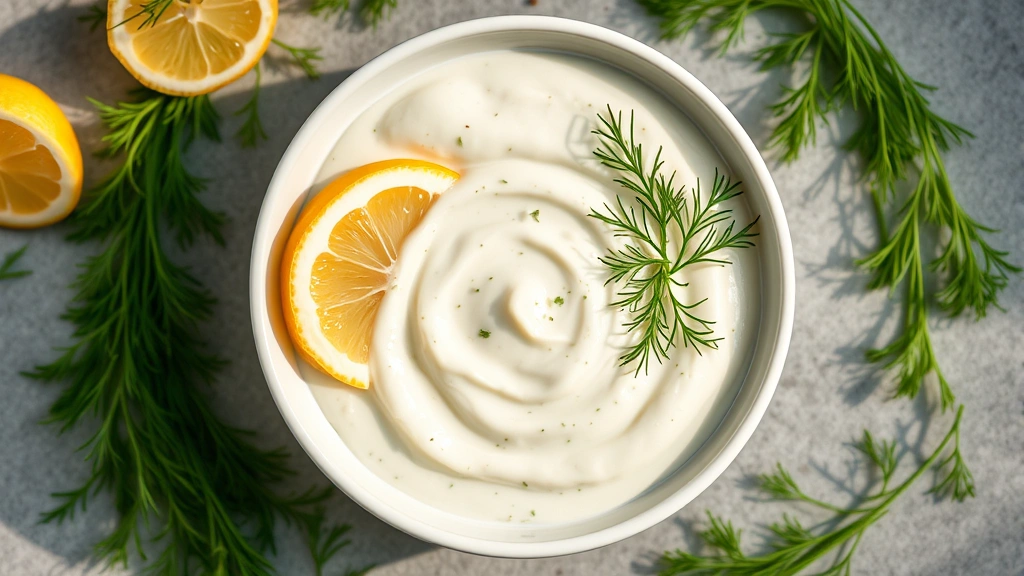
A dill sauce recipe is honestly one of those kitchen secrets that transforms everything it touches. Whether you’re drizzling it over crispy fish, dolloping it onto a juicy burger, or swirling it into a creamy salad, this bright and herbaceous sauce brings that fresh, garden-forward flavor that makes people ask for your recipe.
I’ve been making dill sauce for years now, and I’ve learned that the best version isn’t complicated—it’s all about balance. You want that tangy brightness from fresh dill to shine through without overpowering the creaminess underneath. The secret? Quality ingredients and a gentle hand with the blending.
Jump To Section
Why This Recipe Works
This dill sauce recipe hits all the right notes because it respects the ingredient that gives it its name. Fresh dill has this subtle anise-like quality that pairs beautifully with cool, creamy bases like sour cream or Greek yogurt. The acidity from lemon juice or vinegar cuts through the richness, making it feel light and refreshing even though it’s technically a creamy sauce.
What makes this sauce so versatile is its simplicity. You’re looking at maybe five or six core ingredients, all of which you probably have on hand. There’s no cooking involved—just mixing and adjusting to taste. This means you can make it in under five minutes, which is perfect for those moments when inspiration strikes at dinnertime.
Additionally, the beauty of a homemade dill sauce is that you control exactly what goes into it. No weird stabilizers, no mystery ingredients, just pure flavor. It’s the kind of sauce that tastes like someone who actually cares made it, because someone did—you.
Ingredient Tips & Substitutions
Fresh dill is non-negotiable here, but I understand that sometimes it’s not available. If you’re in a pinch, dried dill works, though you’ll need to use about one-third the amount since the flavors concentrate when dill is dried. However, fresh is always superior if you can find it—check your grocery store’s herb section or, better yet, grow your own on a sunny windowsill.
For the creamy base, I prefer using a combination of sour cream and Greek yogurt. The sour cream adds tanginess and richness, while the Greek yogurt keeps things lighter and adds protein. You could use all sour cream for a richer sauce, or all Greek yogurt for something more health-conscious. Mayonnaise is another option if you want something even more luxurious—it creates an almost aioli-like consistency.
The acid component—whether you choose lemon juice, white wine vinegar, or even a touch of apple cider vinegar—really matters. Start with less than you think you need, then taste and adjust. Lemon juice is my go-to because it’s bright without being aggressive, and it pairs naturally with dill’s flavor profile.
For garlic, I recommend fresh minced garlic over garlic powder. The fresh version has more complexity and vibrancy. If you’re sensitive to raw garlic’s bite, you can mellow it out by letting the sauce sit for 30 minutes before serving—the flavors meld and soften beautifully.
Perfect Pairing Ideas
This sauce is absolutely phenomenal on seafood, which is probably its most traditional pairing. Drizzle it over the perfect lobster salad or spoon it alongside baked salmon. It’s like the sauce was made specifically for delicate fish—the dill echoes the briny, fresh flavors of the sea.
But here’s where it gets interesting: this sauce is incredible on burgers too. I’ve been known to slather it on a homemade smash burger recipe, and it adds this unexpected freshness that elevates the whole experience. You could even use it as a base for the perfect smashburger sauce recipe.
Meanwhile, don’t sleep on using this sauce for vegetable sides. Roasted potatoes, steamed green beans, blanched asparagus—they all become restaurant-quality when you add a dollop of dill sauce. It’s also spectacular mixed into the perfect mustard potato salad recipe for extra creaminess and herb flavor.
For something different, try it as a sandwich spread. Use it on the perfect sub in a tub recipe, and you’ve instantly upgraded your lunch. The cool, herby sauce contrasts beautifully with warm, savory fillings.
Storage & Make-Ahead Tips
One of the best things about this dill sauce is that it actually improves after sitting for a bit. Make it a few hours ahead, refrigerate it, and let the flavors get to know each other. The dill becomes more integrated, and everything tastes more cohesive. You can make it up to two days ahead, though the dill flavor does fade slightly after that.
Store your sauce in an airtight container in the refrigerator. It’ll keep for about three days before the fresh dill flavor starts to noticeably diminish. If you’ve made a bigger batch, you can freeze portions in ice cube trays—just thaw them out when you need a quick flavor boost for dinner.
The texture might separate slightly in the fridge, which is completely normal. Just give it a quick stir before serving, and it’ll come back together beautifully. If it seems too thick after sitting, whisk in a teaspoon or two of milk or water to loosen it up.
Flavor Variations to Try
While this classic dill sauce recipe is perfect as-is, there’s room for creativity. For instance, you could add a pinch of fresh tarragon for a more sophisticated herb blend, or a tiny bit of Dijon mustard for tanginess and complexity. Some people love adding capers for a briny punch, especially if they’re serving it with fish.
If you want to make it spicier, try adding a small pinch of cayenne pepper or some fresh cracked black pepper. For something more luxurious, a tablespoon of fresh lemon zest adds brightness without extra wetness. You could even experiment with adding a touch of honey to balance the acidity if your sauce tastes too sharp.
According to serious eats and other culinary sources, herb sauces benefit from tasting as you go. This is your chance to make it exactly how you like it. There’s no wrong answer here—just personal preference.
Why Fresh Dill Matters
Fresh dill has this incredible brightness that dried dill simply cannot replicate. The fresh herb contains volatile oils that give it that characteristic flavor, and these oils diminish significantly during the drying process. When you use fresh dill in your sauce, you’re capturing the essence of that herb at its peak.
If you’re shopping for fresh dill, look for bright green fronds that aren’t wilted or yellowing. The stems should be firm, not soft or slimy. When you get it home, wrap it loosely in a damp paper towel and store it in a plastic bag in your fridge—it’ll stay fresh for about a week this way.
For the best flavor, add your fresh dill at the very end of preparation, just before serving if possible. Blending or mixing it too vigorously can bruise the delicate fronds and darken them, which affects both appearance and flavor. A gentle fold is all you need.
According to New York Times cooking, fresh herbs should always be treated with respect. They’re the stars of dishes like this sauce, so honor them by using them thoughtfully.
Making a dill sauce recipe is honestly one of those small kitchen victories that feels bigger than it should. You’re creating something delicious, versatile, and entirely your own. Whether you’re serving it tonight or saving it for the weekend, you’ve got a sauce that’ll make everything taste a little bit better. That’s the magic of good, simple cooking.
Ingredients
- 1 cup sour cream
- ½ cup Greek yogurt
- 3 tablespoons fresh dill, finely chopped
- 2 cloves garlic, minced
- 2 tablespoons fresh lemon juice
- 1 teaspoon Dijon mustard
- ½ teaspoon salt
- ¼ teaspoon black pepper
- Pinch of cayenne pepper (optional)
Instructions
- Combine sour cream and Greek yogurt in a medium bowl, whisking together until smooth and well blended.
- Add minced garlic and whisk to incorporate evenly throughout the base.
- Pour in fresh lemon juice and add Dijon mustard, stirring until the sauce is smooth and the mustard is fully dissolved.
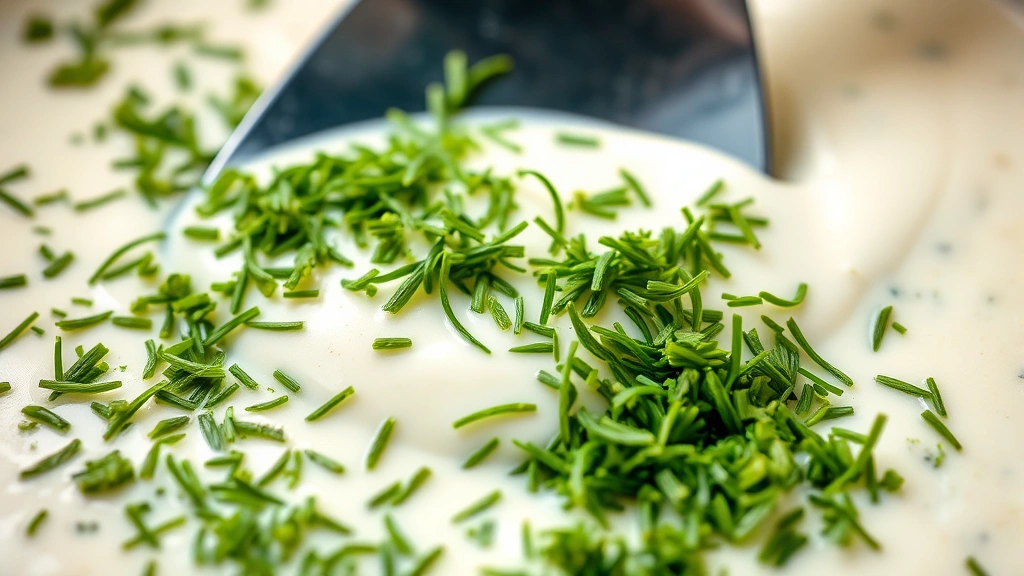
- Gently fold in the fresh chopped dill using a spatula—avoid overmixing to preserve the herb’s bright color and fresh flavor.
- Season with salt, black pepper, and cayenne pepper if desired, tasting as you go.
- Stir gently once more to combine all ingredients, then let the sauce rest in the refrigerator for at least 30 minutes before serving.
- Give it a quick stir before serving, adjusting consistency with a splash of milk if needed.
Pro Tips
This dill sauce recipe makes about 1½ cups, which is perfect for serving four to six people as a condiment or eight people as a light sauce. If you’re doubling the recipe, keep the dill amount the same initially—you can always add more after tasting, but you can’t remove it.
The beauty of this sauce is its flexibility with timing. You can make it five minutes before serving, or you can prepare it several hours ahead. I actually prefer making it a few hours in advance because the flavors meld together and become more cohesive.
If your sauce seems too thick, thin it out gradually with milk, water, or even a bit of buttermilk. Add just a teaspoon at a time and whisk well between additions. If it’s too thin, you can whisk in a tablespoon of cream cheese or add another tablespoon of sour cream.
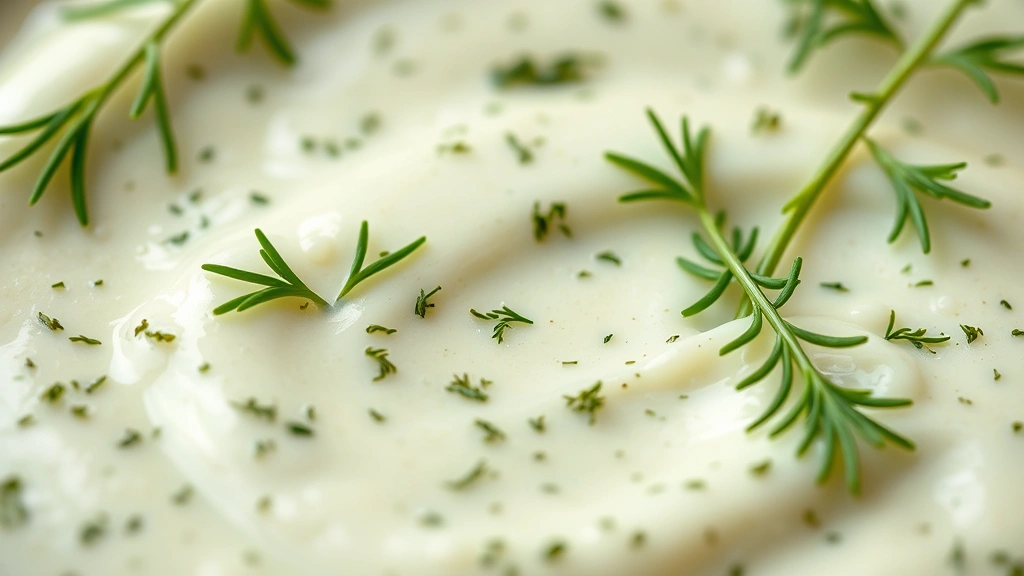
For a more elegant presentation, reserve a few fresh dill fronds as a garnish and sprinkle them on top just before serving. This adds visual appeal and makes it clear what the sauce is flavored with—always helpful for guests with allergies or preferences.
Storage is straightforward: keep this sauce in an airtight container in the refrigerator for up to three days. The dill flavor will fade slightly after day two, but the sauce remains delicious. You can also freeze it in ice cube trays for up to one month, then thaw individual portions as needed.
One pro tip: if you’re making this for a crowd and want to get ahead, prepare the base (sour cream, yogurt, garlic, lemon, mustard, and seasonings) the day before, then fold in the fresh dill just a few hours before serving. This way, you maintain the dill’s brightness while enjoying the convenience of advance prep.
Additionally, this sauce works beautifully at room temperature or chilled. If you’re serving warm food, you might want to pull the sauce out of the fridge 10-15 minutes before serving so it’s not ice cold against hot dishes. This creates a more pleasant temperature contrast and allows the flavors to come through more clearly.