
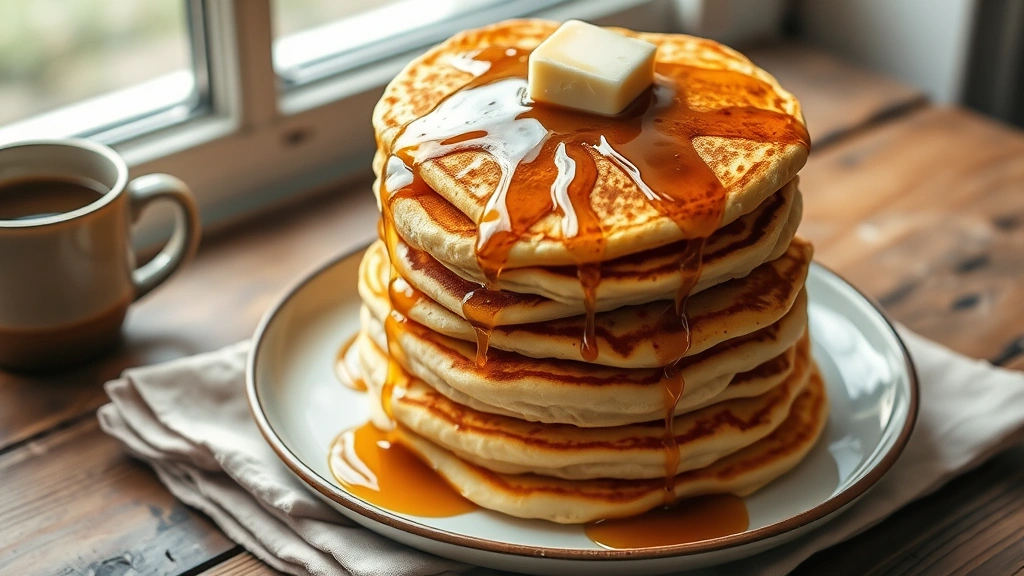
Discard recipes are an absolute game-changer if you keep a sourdough starter on your counter. Instead of throwing away that bubbly liquid gold each time you feed your starter, you can transform it into delicious treats that’ll make you wonder why you ever considered discarding it in the first place. Whether you’re a sourdough veteran or just starting your fermented journey, these fifteen best ways to use sourdough starter will revolutionize how you think about maintenance feeding.
The beauty of discard recipes is that they don’t require a perfectly active starter or precise timing. You’re working with the “discard” portion—that part you remove before feeding—which means you get to experiment without worrying about killing your starter or affecting your bread-baking schedule. This is genuinely liberating for home bakers who want to maximize every bit of their sourdough culture.
Jump To Section
Why This Recipe Works
Sourdough discard has wild yeast and bacteria that create amazing flavor, even if it’s not at peak strength for bread baking. The tangy, complex notes develop naturally from fermentation, giving your pancakes, waffles, and baked goods that distinctive sourdough taste without extra effort. You’re essentially getting professional-quality flavor from something you’d otherwise waste.
Additionally, discard-based recipes tend to be incredibly forgiving. Since you’re not relying on the starter for primary leavening in most cases, the exact activity level doesn’t matter. This means you can bake with confidence, knowing your cookies will turn out delicious whether your starter is bubbling like crazy or quietly fermenting in the background.
The fermentation process also breaks down gluten and improves digestibility in many of these recipes. Meanwhile, the natural acids add depth and complexity to flavors that commercial recipes simply can’t match. It’s like having a secret ingredient that makes everything taste more interesting and intentional.
The Fifteen Best Discard Recipes
Pancakes and waffles top the list because they’re absolute crowd-pleasers. Sourdough discard creates light, fluffy pancakes with incredible tang and a crispy exterior that keeps people coming back for more. Pair them with your favorite toppings—fresh berries, maple syrup, whipped cream—or serve alongside shredded chicken for a savory brunch situation.
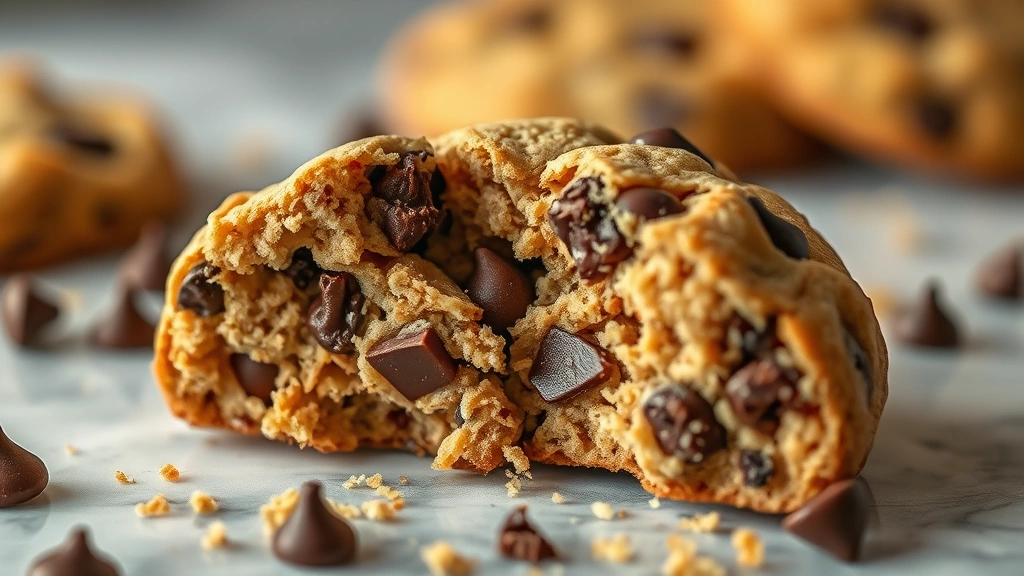
Cookies and brownies are where discard really shines for dessert lovers. The tangy undertones elevate chocolate flavors, while the natural fermentation creates surprisingly tender crumbs. Snickerdoodles become infinitely more interesting, and chocolate chip cookies develop almost caramel-like notes that feel incredibly indulgent.
Muffins and quick breads deserve serious attention on your discard recipe list. Blueberry muffins, banana bread, and zucchini bread all benefit from the subtle sourness that rounds out sweet flavors beautifully. The crumb structure becomes more delicate, and these treats stay moist longer than traditional versions.
Biscuits represent the savory side of discard baking magic. These tender, flaky biscuits have incredible flavor complexity that makes them perfect alongside soups or as standalone treats. They’re perfect for pairing with tomato soup or for creating satisfying breakfast sandwiches.
Crackers and shortbreads showcase how versatile discard truly is for savory applications. Cheese crackers gain incredible depth, while buttery shortbreads develop almost nutty undertones from fermentation. These keep well in airtight containers and make excellent gifts or pantry staples.
Pancake and waffle batters can be made ahead and stored in your refrigerator, giving you quick breakfasts throughout the week. Cakes—from simple vanilla to elaborate chocolate creations—all benefit from sourdough discard’s natural leavening and flavor enhancement. Your everyday cake recipes suddenly taste like they came from a professional bakery.
Donuts represent the more adventurous end of discard baking, offering a delightful way to use larger quantities of starter. Scones become tender and flaky with subtle tanginess that pairs beautifully with jam and cream. Crepes become more sophisticated with sourdough’s complex flavor profile adding unexpected elegance.
Pizza dough made with discard ferments beautifully and develops amazing crust characteristics. Dinner rolls benefit from the natural leavening and flavor development that comes from sourdough culture. Focaccia topped with herbs and olive oil showcases how discard can create bakery-quality results at home.
Ingredient Tips & Substitutions
Most discard recipes work best with active, recently fed starter that’s bubbly and at peak rise. However, here’s the secret: you can use discard at any point in the feeding cycle, which makes these recipes incredibly convenient. If your starter is sluggish, just give it extra time or add a pinch of baking soda for additional lift.
When substituting discard for regular ingredients, generally replace about one cup of flour and liquid with one cup of discard. This means reducing other wet ingredients slightly to maintain proper batter consistency. Experimenting with ratios helps you find the perfect balance for your specific starter and preferences.
For instance, if a recipe calls for one cup of milk and one cup of flour, you might use one cup of discard plus half a cup of milk and three-quarters cup of flour. The exact ratio depends on how thick your discard is and how much tang you want in the final product. Start conservative and adjust based on results—baking is forgiving when you’re working with fermented ingredients.
Temperature affects fermentation speed significantly, so warmer kitchens require shorter fermentation times. Cold weather means you might need to plan ahead or place your batter near a warm spot. Additionally, whole wheat flour, rye, or specialty flours absorb more liquid than all-purpose, so recipes may need slight adjustments.
Serving Suggestions & Pairing Ideas
Breakfast items shine when paired with quality butter, fresh fruit, and real maple syrup. Savory applications like biscuits and scones work beautifully alongside soups, salads, or as part of a charcuterie board. Slider sandwiches made with discard buns become memorable enough to serve at parties.
Consider serving discard-based desserts with coffee or tea for afternoon treats that feel more sophisticated than standard baked goods. Chocolate cakes pair wonderfully with fresh berries and whipped cream, while simpler cookies work perfectly for lunchbox additions or after-dinner treats. Meanwhile, savory crackers become elegant appetizer companions when paired with cheese, charcuterie, or dips.
For tea time, tea sandwiches made on discard bread become show-stopping presentations. Scones served warm with jam and cream transform ordinary afternoons into special occasions. The subtle tang of sourdough adds sophistication that guests definitely notice and appreciate.
Storage & Reheating Guidance
Most baked discard recipes store beautifully at room temperature in airtight containers for three to five days. Cookies often improve after a day as flavors meld and texture becomes more interesting. Breads and biscuits stay fresh longer than conventional versions thanks to sourdough’s natural preservative qualities from fermentation.
Freezing is your secret weapon for batch baking with discard recipes. Pancakes and waffles freeze exceptionally well—just pop them in the toaster to reheat. Muffins, cookies, and quick breads freeze for up to three months, making it easy to have homemade treats available whenever cravings strike.
For optimal texture when reheating, bring frozen items to room temperature before warming. Alternatively, reheat directly from frozen at lower temperatures to prevent over-browning. Refresh day-old biscuits or scones by wrapping in foil and warming in a 325-degree oven for about five minutes.
Batter can be refrigerated overnight, which is incredibly convenient for busy mornings. The fermentation continues slowly in the cold, actually improving flavor depth. Just let batter sit at room temperature for fifteen minutes before cooking to allow yeast activity to resume and ensure even cooking.
Pro Tips for Success
Keep a discard jar in your refrigerator specifically for collecting starter between feedings. This way you always have discard ready for spontaneous baking projects without affecting your main starter maintenance. Label your jar with the date to stay organized and ensure freshness.
However, don’t stress about using discard immediately—refrigerated discard stays viable for weeks. The cold slows fermentation dramatically, giving you flexibility to bake on your schedule rather than your starter’s. This freedom is one of the biggest advantages of discard recipes over regular sourdough baking.
Experiment with incorporating different flours and mix-ins to create signature variations. Whole wheat discard recipes develop richer flavors, while additions like seeds, nuts, or spices create endless possibilities. Document your favorite combinations so you can recreate successes consistently.
Join online sourdough communities to discover new discard recipe ideas and troubleshoot any issues. Many home bakers share their favorite applications, giving you endless inspiration beyond these fifteen basics. Resources like Serious Eats and New York Times Cooking offer sophisticated sourdough techniques and variations.
Remember that using discard recipes transforms sourdough baking from a commitment that generates waste into a sustainable, delicious practice. You’ll find yourself feeding your starter more frequently just to have extra discard for baking projects. It’s the kind of beautiful cycle that makes home baking feel less like work and more like genuine pleasure.
Whether you make sub rolls, simple cookies, or elaborate cakes, these discard recipes prove that nothing needs to go to waste in your kitchen. Your starter becomes a reliable source of bakery-quality ingredients rather than something requiring constant care and feeding. Start with one or two recipes that excite you, then gradually expand your discard recipe collection as confidence grows and flavor preferences develop.
The sourdough baking journey becomes infinitely more rewarding when you embrace the entire process, from feeding and maintaining your starter to creatively using every bit of it. These fifteen recipes represent just the beginning of what’s possible—your imagination and kitchen creativity are the only real limits. Happy baking, and enjoy discovering how much delicious potential hides in that humble discard jar.
Ingredients
- 1 cup active sourdough discard
- 1 cup all-purpose flour
- 1/2 cup whole milk or buttermilk
- 1 large egg
- 2 tablespoons sugar or honey
- 1/2 teaspoon salt
- 1/2 teaspoon vanilla extract
- 1/4 teaspoon baking soda
- 2 tablespoons melted butter
- Optional: 1/2 teaspoon cinnamon or 1/4 cup chocolate chips
Instructions
- Combine your room-temperature sourdough discard with milk or buttermilk in a large mixing bowl, stirring until smooth and well combined.
- In a separate bowl, whisk together flour, sugar, salt, and baking soda, breaking up any lumps.
- Add the egg, vanilla extract, and melted butter to the wet ingredients, stirring until just combined.
- Fold the dry ingredients into the wet mixture using a spatula, stirring until the batter just comes together—overmixing creates tough results.
- Let the batter rest for 10-15 minutes at room temperature to allow fermentation to activate and flavors to develop.
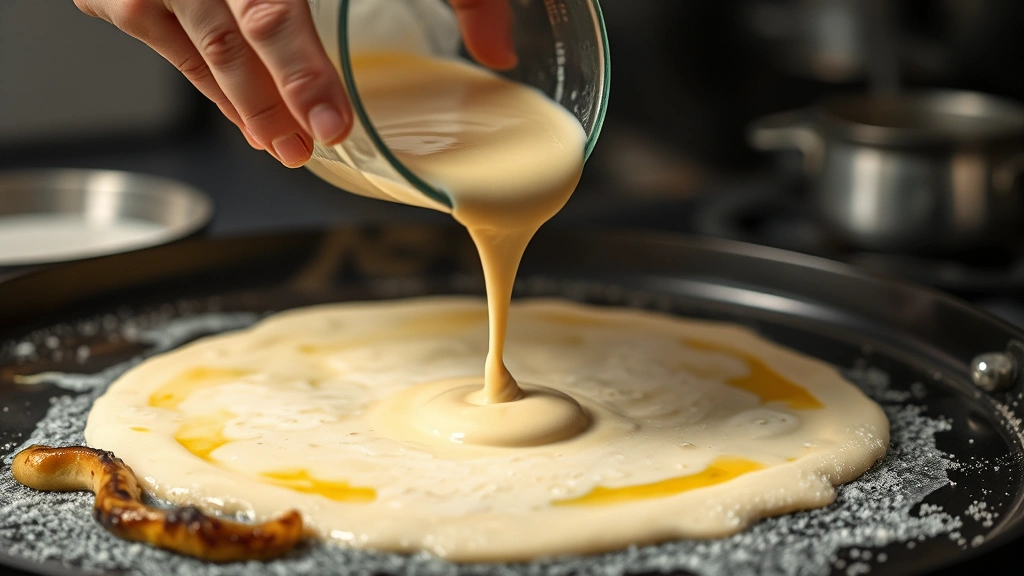
- For pancakes: heat a griddle or skillet over medium heat, lightly butter it, then pour quarter-cup portions of batter and cook until bubbles form on top, about 2 minutes per side.
- For cookies: drop spoonfuls onto parchment-lined baking sheets and bake at 350°F for 12-15 minutes until golden brown.
- For biscuits: gently fold dough together, pat to three-quarter-inch thickness, cut with a biscuit cutter, and bake at 425°F for 12-15 minutes until golden.
- For quick breads or muffins: pour into prepared pans and bake at 375°F for 25-30 minutes until a toothpick inserted in the center comes out clean.
- Cool baked items on wire racks before storing in airtight containers at room temperature or freezing for later use.
Pro Tips
Discard recipes truly shine because they’re incredibly forgiving compared to traditional sourdough baking. The exact activity level of your starter matters far less than with bread-making, so you can bake confidently regardless of feeding schedules. However, using discard that’s at least a few hours post-feeding gives better rise and more pronounced flavor.
Consistency matters more than specific quantities when working with discard. If your discard is very thick, add a bit more milk to reach pancake-batter consistency. Meanwhile, if it’s runnier than desired, reduce other liquids slightly—every starter behaves differently based on hydration and feeding ratios.
Temperature impacts fermentation speed significantly, so warmer kitchens produce faster rise times. In cold weather, consider letting batter rest longer or placing it in a slightly warm spot like near your oven. Additionally, overnight fermentation in the refrigerator develops deeper, more complex flavors that many bakers prefer.
For substitutions, whole wheat flour creates nuttier, earthier discard recipes but absorbs more liquid. Rye flour adds distinctive tang that pairs beautifully with chocolate or cinnamon flavors. Specialty flours like spelt or einkorn work wonderfully—just adjust liquid ratios based on absorption rates since fermented batters are more forgiving than traditional recipes.
Storage extends significantly when using sourdough discard because natural acids act as preservatives. Room-temperature storage in airtight containers keeps most items fresh for five to seven days, while freezing extends viability to three months. Batter stores in the refrigerator for up to five days, with flavor actually improving as fermentation continues slowly.
Reheating frozen pancakes or waffles is simplest in a toaster—they thaw and warm evenly. Muffins and quick breads benefit from gentle warming in a 325-degree oven wrapped in foil. Meanwhile, cookies are best enjoyed at room temperature or very lightly warmed to preserve texture and prevent over-drying.
Batch baking becomes easier when you prepare extra batter, which stores beautifully refrigerated. This means you can have fresh pancakes or waffles ready throughout the week without daily preparation. The fermentation continues slowly in cold conditions, actually improving flavor depth and digestibility through extended fermentation.
Experiment with mix-ins like chocolate chips, berries, nuts, or spices to create signature variations. Documentation of successful combinations helps you recreate favorites consistently. Building a personal recipe collection tailored to your preferences and available ingredients makes discard baking feel genuinely creative rather than routine.