
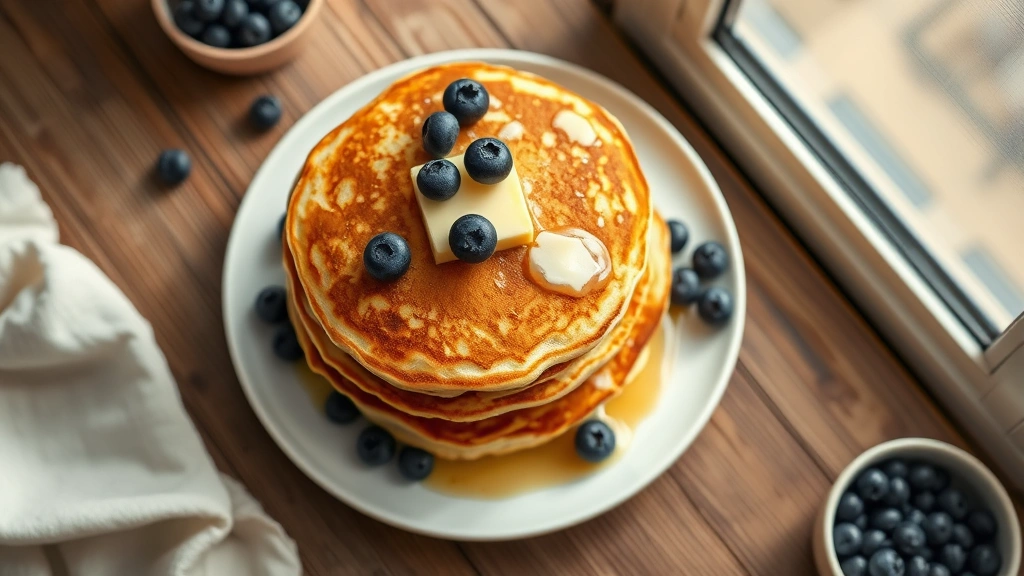
If you’re maintaining a sourdough starter, you already know that feeding it regularly means lots of discard—and throwing away perfectly good starter feels wasteful. That’s where discard sourdough recipes come in to save the day. These recipes are designed specifically to use that starter you’d normally toss, transforming it into delicious baked goods, pancakes, waffles, and more.
The beauty of discard sourdough recipes is that you don’t need to plan ahead or wait for your starter to reach peak activity. You simply use what you have on hand, right after you feed your starter. It’s one of my favorite kitchen shortcuts because it eliminates waste while delivering incredible flavor.
Jump To Section
Why This Recipe Collection Works
Discard starter is incredibly forgiving. Unlike recipes that demand a perfectly active, bubbly starter at just the right moment, these recipes embrace the starter at any stage. You can use it fresh from the fridge, or several hours after feeding—the results remain consistently delicious.
Additionally, the tang and depth that sourdough starter brings to your baking is unmatched. Even small amounts of discard create remarkable flavor complexity. Think of it as adding a secret ingredient that elevates everything from simple pancakes to rich chocolate cakes.
I’ve compiled 15 of the best ways to use that starter, and I promise you’ll never feel guilty about maintaining your sourdough culture again. From breakfast favorites to dinner sides and desserts, there’s something here for every occasion.
The Best Discard Sourdough Recipes for Every Meal
For breakfast, you absolutely cannot go wrong with sourdough pancakes and waffles. They develop beautiful, crispy edges while staying fluffy inside, with a subtle tang that makes them taste like you spent hours perfecting them. Meanwhile, sourdough biscuits are perfect alongside fresh tomato soup, creating the ultimate comfort meal pairing.
For lunch and dinner, consider sourdough crackers, muffins, or simple quick breads. However, if you’re feeling more adventurous, try incorporating discard into your burger bun recipe—trust me, a perfect BBQ burger tastes exponentially better on sourdough. You might also explore sourdough pizza dough or focaccia for weeknight entertaining.
For dessert, discard shines in brownies, chocolate cakes, and cinnamon rolls. The slight sourness balances sweetness perfectly, creating desserts that taste sophisticated without requiring extra effort. Additionally, sourdough scones and shortbread cookies offer elegant options for afternoon tea.
Ingredient Tips & Substitutions
Most discard sourdough recipes call for the same basic ingredients: flour, sugar, eggs, butter, baking soda, and salt. For instance, if a recipe asks for buttermilk and you don’t have it, your sourdough starter actually provides similar acidity, so skip the buttermilk and increase your starter slightly.
Flour flexibility is one advantage of using discard. You can substitute all-purpose flour with whole wheat, spelt, or even gluten-free flour blends, though you may need to adjust liquid slightly. The starter’s fermentation helps activate whole grains beautifully.
For the best results, use room-temperature starter if possible. Cold starter from the fridge works fine, but it may slow rising times slightly. Also, keep in mind that you’re not using your starter as a leavening agent in most cases—you’re typically using baking soda or baking powder for that, so timing isn’t critical.
Sourdough Discard Beyond Traditional Baking
Here’s where things get really fun. Discard works beautifully in savory applications too. Mix it into pancake batter for savory-sweet pancakes, or add it to cornbread for incredible depth. You can even incorporate it into salad dressings or whipped cream for unexpected sophistication.
For sandwich enthusiasts, best slider sandwiches become absolutely transcendent when made with sourdough discard buns. Moreover, spicy chicken sandwiches paired with sourdough focaccia take on restaurant-quality appeal.
Even your slow cooker mac and cheese deserves a sourdough breadcrumb topping made from discard. The possibilities genuinely expand once you start thinking creatively about where sourdough belongs.
Storage & Make-Ahead Tips
Most baked goods made with discard store beautifully at room temperature for 2-3 days. For longer storage, freeze them in airtight containers for up to three months. This means you can batch-make sourdough muffins or biscuits on the weekend and enjoy them throughout the week.
Additionally, many discard recipes freeze wonderfully before baking. Prepare your dough, portion it, freeze on a baking sheet, then transfer to freezer bags. Later, you can bake directly from frozen, adding just a few minutes to cook time.
For refrigeration, most discard doughs keep for 3-5 days, allowing you to bake fresh sourdough crackers or biscuits whenever the mood strikes. This flexibility makes discard recipes perfect for busy families who want homemade baked goods without daily baking.
Why Sourdough Starter Shouldn’t Go to Waste
Maintaining a sourdough starter is genuinely rewarding, but it does come with responsibility. Regular feeding means regular discard, and conventional wisdom says to simply toss it. However, that feels wrong when these discard sourdough recipes prove how delicious and useful that starter truly is.
Beyond the practical benefits, using discard connects us to traditional baking practices. Sourdough cultures have been maintained for centuries specifically because they were too valuable to waste. By using your discard intentionally, you’re honoring that heritage while creating spectacular food.
For more inspiration, check out Serious Eats sourdough content or New York Times cooking for additional discard ideas. Food blogs dedicated to sourdough offer creative variations you might not find elsewhere.
The truth is, once you start exploring discard sourdough recipes, you’ll wonder how you ever managed your starter without them. You’ll look forward to feeding your starter specifically so you can bake something delicious. Your kitchen will smell incredible, and everyone you share these baked goods with will be deeply impressed—without knowing how simple they actually are to make.
Ingredients
- 1 cup active sourdough discard (unfed starter)
- 2 cups all-purpose flour
- 1/2 cup granulated sugar
- 2 large eggs, room temperature
- 1/4 cup unsalted butter, melted
- 1 1/2 teaspoons baking soda
- 1/2 teaspoon baking powder
- 1/2 teaspoon salt
- 1 teaspoon vanilla extract
- 1/4 teaspoon cinnamon (optional)
- 1/4 teaspoon nutmeg (optional)
- 2 tablespoons milk or water
- 1/2 teaspoon lemon zest (optional)
Instructions
- Gather your sourdough discard from the top of your starter container—you want roughly one cup of the bubbly or settled starter, whatever stage it’s in. No need to measure precisely; these recipes are wonderfully forgiving about exact amounts.
- In a large mixing bowl, whisk together your discard, melted butter, eggs, and vanilla extract until well combined. This creates your wet base that will carry all the sourdough flavor throughout your baked good.
- In a separate bowl, whisk together flour, sugar, baking soda, baking powder, salt, and any optional spices you’re using. The baking soda is crucial because it reacts with the acidity in your starter to create lift.
- Pour your wet ingredients into the dry ingredients, stirring until just combined. Don’t overmix—lumpy batter is your friend here. Overmixing develops gluten, which creates tough, dense results rather than tender baked goods.
- If your batter seems too thick, add milk or water a tablespoon at a time until you reach desired consistency. This depends entirely on what you’re making—pancake batter should flow easily, while muffin batter should be thick and chunky.
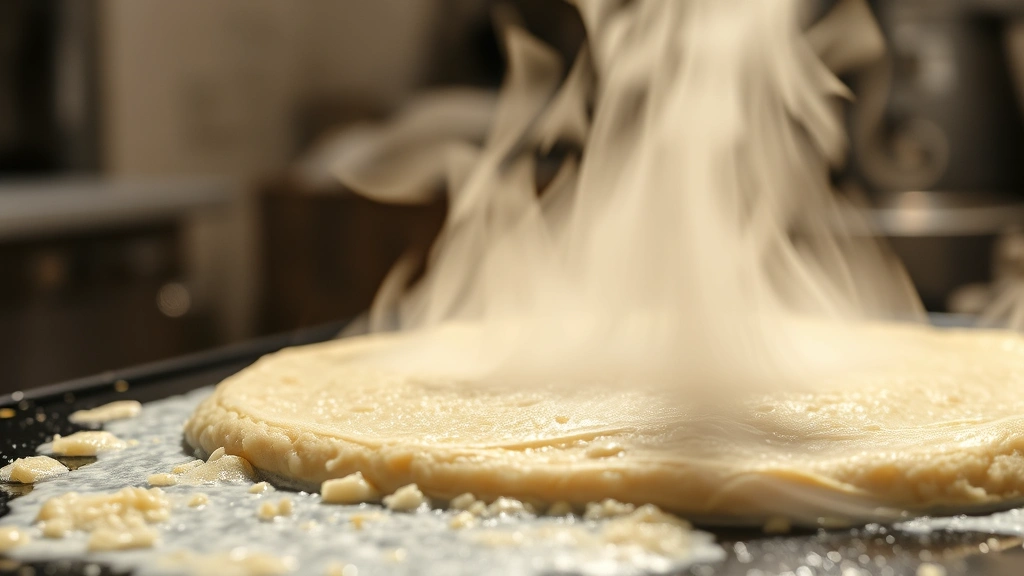
- For pancakes or waffles: heat your griddle or waffle iron, lightly grease it, and cook according to your appliance’s instructions until golden brown and cooked through. The batter will cook slightly faster than traditional recipes because of the baking soda’s immediate action.
- For muffins: divide batter evenly among greased muffin cups, filling each about two-thirds full. Bake at 375°F for 18-22 minutes, or until a toothpick inserted into the center comes out clean and the tops are golden brown.
- For quick breads or loaves: pour batter into a greased loaf pan and bake at 350°F for 35-40 minutes, until a toothpick comes out clean and the edges pull slightly from the pan.
- For biscuits: press dough onto a floured surface, cut into rounds with a biscuit cutter, place on a baking sheet, and bake at 425°F for 12-15 minutes until golden brown and cooked through.
- For crackers: spread thin batter on parchment-lined baking sheets, score into squares, and bake at 375°F for 12-15 minutes until crispy throughout.
- Remove from oven and allow to cool for 5 minutes in the pan before turning out onto a wire rack. This prevents delicate items from falling apart while still allowing steam to escape.
- Serve warm with your favorite toppings—butter and jam for breakfast items, cheese and charcuterie for crackers, or simply enjoy as-is. These are equally delicious at room temperature, making them perfect for meal prep.
Pro Tips
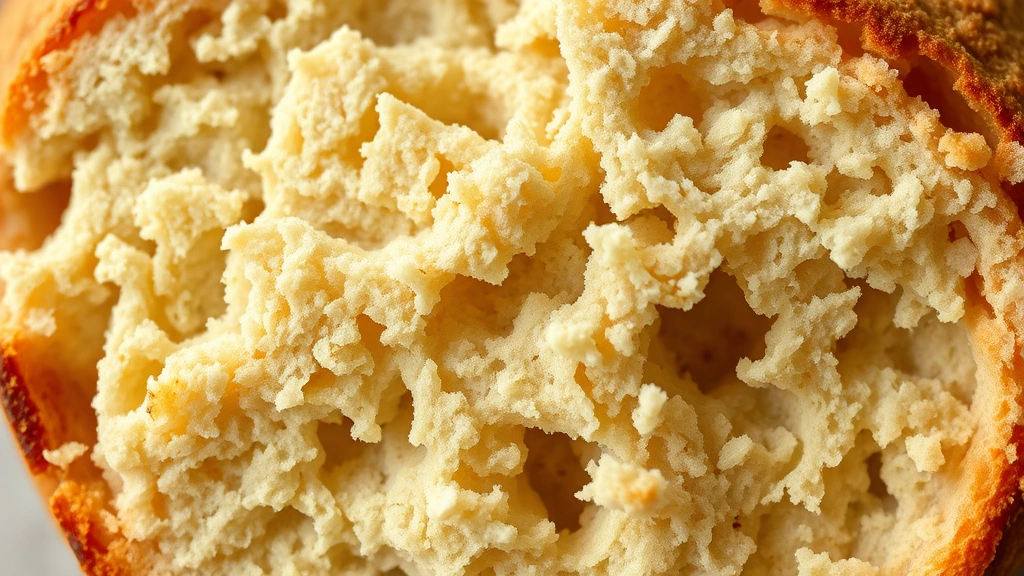
These discard sourdough recipes are endlessly adaptable depending on what you’re making. For pancakes and waffles, add chocolate chips, blueberries, or chopped nuts to the batter before cooking. For muffins, fold in your favorite mix-ins—everything from chocolate chips to fresh fruit to chopped herbs works beautifully.
The consistency of your discard matters less than you’d think. Whether it’s thick and paste-like or thin and pourable, these recipes adjust easily. Thicker discard means you might add a splash more milk, while thinner discard means you might use slightly more flour. Trust your instincts here.
Storage is wonderfully simple. Most items keep at room temperature in an airtight container for 2-3 days. However, if you’re making larger batches, freezing extends shelf life to three months. Layer items with parchment paper to prevent sticking, and thaw at room temperature before serving.
For make-ahead convenience, many of these recipes freeze beautifully before baking. Prepare your dough, portion onto baking sheets, freeze completely, then transfer to freezer bags. Bake directly from frozen, adding just 2-3 minutes to cooking time.
Temperature matters more than you might expect. Room-temperature ingredients mix together more easily and create more tender, evenly-textured results. If your eggs and butter are cold, let them sit on the counter while you gather other ingredients.
One pro tip: if you’ve been throwing away discard and just started using it, your starter might initially seem sluggish or weak. This is completely normal. After a week or two of consistent feedings, your culture bounces back beautifully and becomes increasingly active and flavorful.
Substitutions are genuinely flexible here. All-purpose flour can become whole wheat (use slightly less), spelt, or even gluten-free blends. Brown sugar can replace white sugar for deeper molasses notes. Greek yogurt can replace some of the liquid for tangier results. Experiment freely—sourdough’s natural fermentation helps most variations succeed.
If you’re using whole grain flours, increase liquid slightly because they absorb more water than all-purpose flour. Additionally, whole grains benefit from slightly longer resting time before baking, which allows them to fully hydrate and develop better texture.