
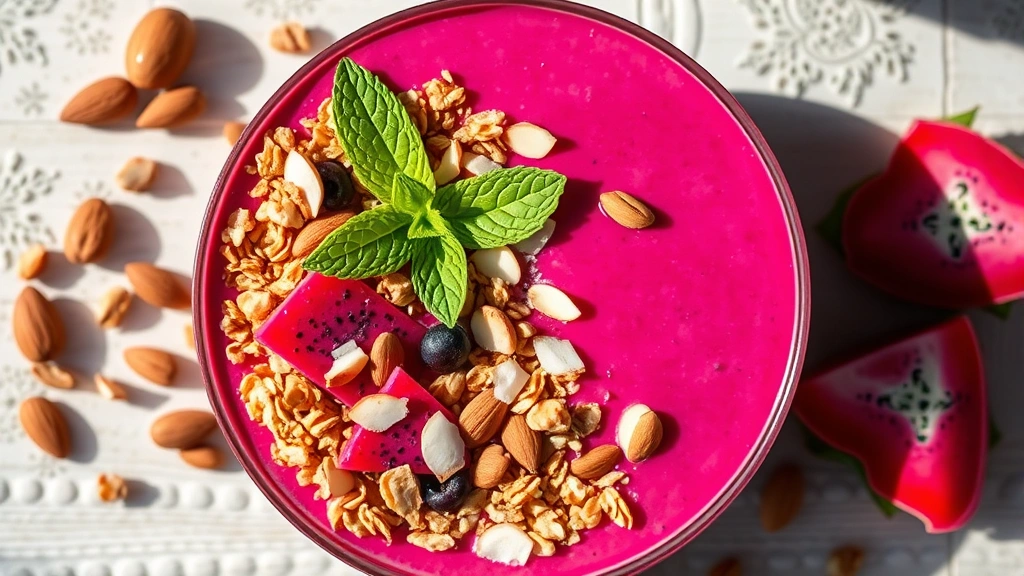
Dragon fruit recipes are some of the most vibrant and exciting dishes you can make in your kitchen. This stunning tropical fruit, with its hot pink exterior and speckled white or magenta flesh, transforms any recipe into something Instagram-worthy while delivering serious nutritional benefits. Whether you’re a smoothie enthusiast, a dessert devotee, or someone looking to add tropical flair to your everyday meals, there are so many creative ways to incorporate this superfruit into your cooking.
I first discovered dragon fruit at a farmers market about five years ago, and honestly? I was intimidated. The fruit looked almost too exotic to eat. But once I cut into it and tasted that subtle, slightly sweet flavor with its delicate floral notes, I became obsessed with finding new ways to use it. Now I keep them stocked in my fruit bowl year-round, and I’m constantly experimenting with fresh dragon fruit recipes that go way beyond the basic smoothie.
Jump To Section
Why Dragon Fruit Deserves a Spot in Your Kitchen
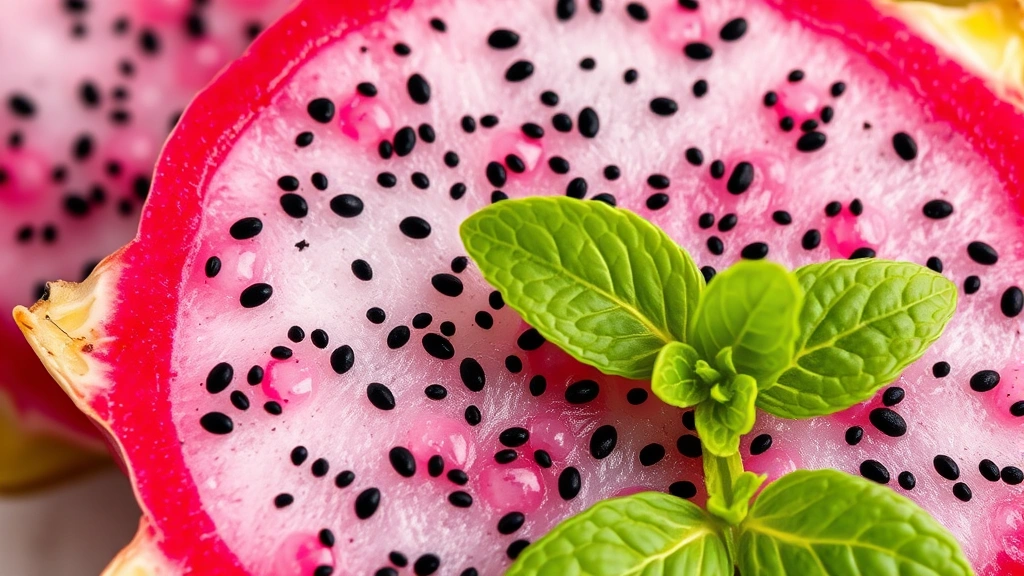
Dragon fruit is packed with vitamin C, fiber, and antioxidants, making it one of the healthiest fruits you can eat. The flesh is naturally low in calories but high in water content, which means it keeps you hydrated and satisfied. Plus, those tiny black seeds throughout the fruit? They’re loaded with omega-3 and omega-6 fatty acids, so you’re getting real nutritional value with every bite.
Beyond the health benefits, dragon fruit has this magical quality where it makes every dish feel special. The vibrant pink and white colors are naturally beautiful—no food coloring needed. When you serve dragon fruit recipes at a dinner party or share them on social media, people immediately notice. It’s the kind of ingredient that elevates your cooking game without requiring complicated techniques.
The flavor profile is wonderfully subtle too. Unlike mangoes or pineapples that demand attention, dragon fruit plays well with others. It’s mildly sweet with just a hint of floral undertones, which means you can pair it with everything from tropical flavors to unexpected combinations. This versatility is why dragon fruit recipes work so well across both sweet and savory applications.
How to Choose and Prepare Your Dragon Fruit
When selecting dragon fruit at the grocery store, look for fruits that are bright pink (or yellow, depending on the variety) with minimal brown spots. The skin should give slightly when you apply gentle pressure—similar to how you’d check an avocado for ripeness. If it feels rock hard, it needs a few more days on your counter.
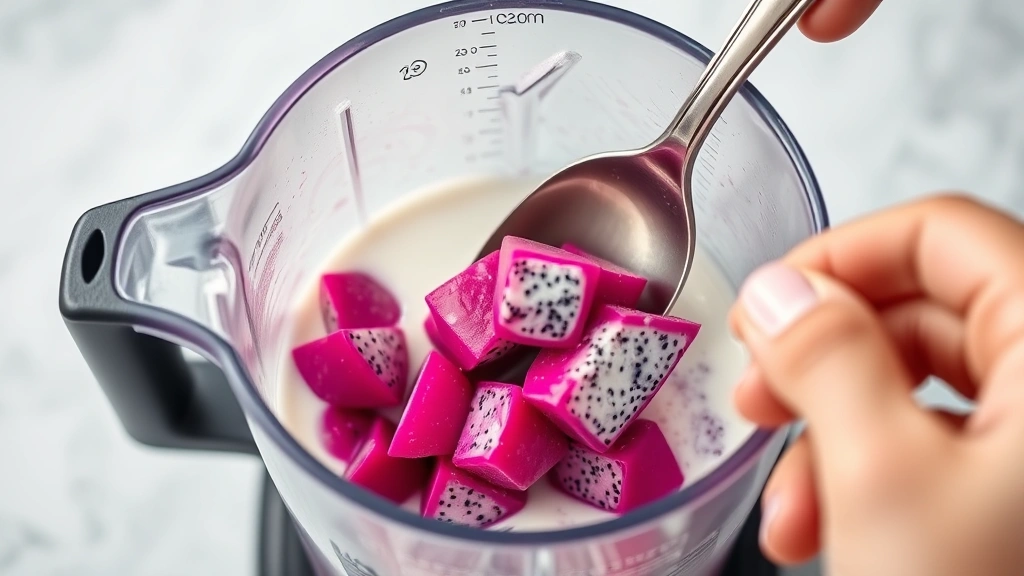
Preparing dragon fruit is incredibly simple. Slice it in half lengthwise, and you’ll see the gorgeous white or magenta flesh studded with those distinctive black seeds. You can scoop the flesh out with a spoon, or peel back the skin like you would an orange. Some people prefer to cut the fruit into cubes while still in the skin, then push the skin inward to pop the cubes out. It’s all about whatever method feels easiest to you.
One pro tip: dragon fruit stains, and it stains badly. Those gorgeous pink juices will absolutely color your cutting board and your hands. I learned this the hard way after making several batches of dragon fruit recipes and looking like I’d been in a paint fight. Use a cutting board you don’t mind discoloring, or better yet, use one designated specifically for bright fruits and vegetables.
Creative Dragon Fruit Recipes to Try Right Now
The beauty of dragon fruit recipes is that they work across every meal and every season. Start your morning with a dragon fruit smoothie bowl topped with granola and coconut, or blend it into a refreshing breakfast smoothie that tastes like a vacation. For lunch, try adding dragon fruit to grain bowls for color and nutrition, or create a stunning salad that rivals the best Waldorf salad recipe you’ve ever made.
When it comes to dessert, dragon fruit recipes truly shine. You can make dragon fruit sorbet for a light, refreshing treat, or incorporate it into cheesecake, mousse, and ice cream. Bakers love using dragon fruit puree in cakes and macarons because the color is so naturally striking. Meanwhile, adventurous cooks are experimenting with dragon fruit in unexpected ways, like pairing it with spicy flavors in salsas or adding it to Thai cucumber salad for an additional layer of tropical complexity.
For something truly different, consider dragon fruit recipes that incorporate Asian-inspired flavors. The fruit pairs beautifully with lime, mint, ginger, and chili—flavors you’d find in traditional Southeast Asian cuisine. You can create vibrant dragon fruit cocktails, refreshing water infusions, or even add it to tom yum soup for a modern twist on a classic.
Ingredient Tips & Substitutions for Dragon Fruit Recipes
Since dragon fruit has such a delicate, subtle flavor, it works best when paired with ingredients that either complement or contrast it. Citrus like lime and lemon brightens the natural sweetness, while coconut milk creates a luxurious, tropical base. Additionally, ginger and mint add freshness without overpowering the fruit’s delicate taste.
If you can’t find fresh dragon fruit, frozen dragon fruit puree is an excellent substitute for most recipes. However, note that the texture will be slightly different—frozen works beautifully for smoothies, sauces, and desserts, but won’t give you those gorgeous whole pieces for visual appeal. You can also use dragon fruit juice concentrate if that’s what’s available in your area, though you’ll need to adjust sweetness levels accordingly.
For recipes calling for dragon fruit, you could theoretically substitute other tropical fruits like passion fruit or mango, but you’ll lose the stunning visual element that makes dragon fruit recipes so special. Sometimes it’s worth seeking out the real thing just for that wow factor. However, if you’re making a smoothie or sauce where appearance matters less, other tropical fruits will work in a pinch.
Storage & Serving Suggestions
Fresh dragon fruit keeps in your refrigerator for about 5-7 days once ripe. Store it in a plastic bag to prevent it from drying out, and check it every couple of days for signs of overripeness. If you’ve already cut your dragon fruit, keep the exposed flesh in an airtight container and use it within 2-3 days for best quality.
You can also freeze dragon fruit for later use in smoothies and desserts. Simply cut the fruit into cubes, spread them on a baking sheet to freeze individually, then transfer to a freezer bag. This method preserves both flavor and nutritional value, making it perfect for having dragon fruit recipes available year-round.
When serving dragon fruit recipes, remember that presentation is half the appeal. The vibrant colors make any dish look restaurant-quality without much effort. Use dragon fruit recipes as a centerpiece for summer entertaining—they photograph beautifully and taste even better than they look.
Want more inspiration? Check out how the best food writers at Bon Appétit approach tropical fruit recipes, or explore Serious Eats for science-backed cooking techniques. The New York Times Cooking section also features seasonal tropical fruit recipes worth exploring.
Dragon fruit recipes represent a beautiful intersection of nutrition, beauty, and flavor. Whether you’re making something simple like a refreshing fruit salad or attempting an ambitious dragon fruit cheesecake, this superfruit delivers every single time. Start with one recipe that excites you, then branch out from there. Before you know it, you’ll have a whole collection of dragon fruit recipes that friends and family will be requesting again and again.
Ingredients
- 2 cups fresh dragon fruit flesh, cubed
- 1 cup Greek yogurt
- 1/2 cup coconut milk
- 2 tablespoons raw honey
- 1 tablespoon fresh lime juice
- 1/2 teaspoon vanilla extract
- 1/2 cup granola
- 1/4 cup shredded coconut, unsweetened
- 2 tablespoons sliced almonds
- Fresh mint leaves for garnish
- 2 tablespoons chia seeds
Instructions
- In a blender, combine 1.5 cups of the cubed dragon fruit, Greek yogurt, coconut milk, honey, lime juice, and vanilla extract. Blend until completely smooth and creamy.
- Pour the dragon fruit mixture evenly into two serving bowls, creating a smooth base.
- Top each bowl with the remaining fresh dragon fruit cubes, distributing them evenly across the surface.
- Sprinkle granola over the top of each bowl, followed by shredded coconut and sliced almonds.
- Add a generous sprinkle of chia seeds to each bowl for extra nutrition and texture contrast.
- Garnish with fresh mint leaves and serve immediately while the yogurt base is cold and creamy.
- For a thicker consistency, use less coconut milk and more Greek yogurt; for a thinner bowl, reverse the proportions.
Pro Tips
This dragon fruit smoothie bowl is the perfect canvas for customization. You can swap the granola for muesli, add extra protein powder to the base, or use different nuts and seeds depending on what you have available. The key is balancing creamy elements with crunchy toppings—that textural contrast is what makes smoothie bowls so satisfying.
For a vegan version, substitute the Greek yogurt with coconut yogurt or cashew cream, and use agave nectar instead of honey. The flavor remains equally delicious, and you’ll still get that beautiful pink color that makes these dragon fruit recipes so visually stunning.
Make-ahead tip: You can prepare the smoothie base up to 24 hours in advance and store it in the refrigerator. However, add your toppings just before serving to keep the granola crispy and the almonds from getting soggy. This makes these dragon fruit recipes perfect for busy mornings when you want something nutritious without much fuss.
Storage is straightforward—the smoothie bowl base keeps for 2-3 days in an airtight container, though the texture is best consumed within 24 hours. The toppings should always be added fresh, right before eating. If you’re meal prepping several bowls, store the base and toppings separately in individual containers.
Flavor variations are endless with these dragon fruit recipes. Try adding passion fruit puree to the yogurt base, or mix in a teaspoon of matcha powder for an unexpected twist. Some people love adding a splash of pineapple juice or mango puree for extra tropical flavor depth. The beauty of smoothie bowls is that you can experiment freely without worrying about ruining the recipe.