
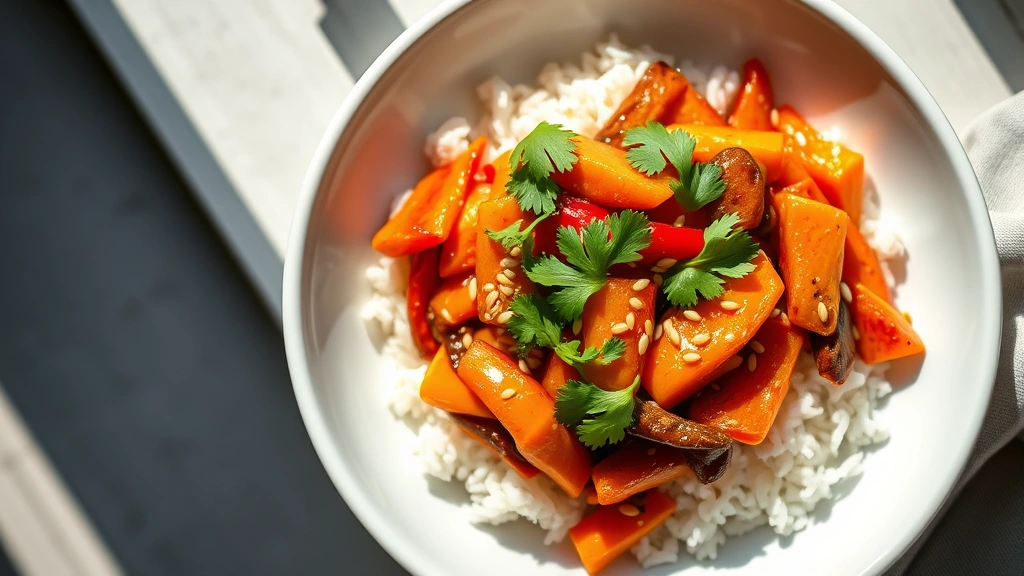
Easy Asian recipes are transforming home kitchens everywhere, and I’m thrilled to share why these dishes deserve a permanent spot on your dinner rotation. There’s something magical about bringing authentic flavors to your table in under 30 minutes—no fancy equipment or hard-to-find ingredients required. Whether you’re craving the comfort of a steaming bowl of best pork ramen recipe or the fresh crunch of quick tasty PF Chang lettuce wraps, these recipes prove that restaurant-quality Asian cuisine belongs in your home.
I’ve spent countless evenings experimenting with simple Asian cooking techniques, and the results have been nothing short of revelatory. What surprised me most? How a few quality pantry staples—soy sauce, sesame oil, rice vinegar, and ginger—can unlock an entire world of flavors. These aren’t complicated dishes requiring culinary school training; they’re straightforward, weeknight-friendly meals that taste like you spent hours in the kitchen.
Jump To Section
The beauty of easy Asian recipes lies in their simplicity and versatility. You can customize almost every dish to match your preferences and dietary needs. Additionally, many of these recipes come together faster than ordering takeout, which means more time with family and less time stressing about dinner plans.
Why This Recipe Collection Works
These easy Asian recipes succeed because they balance authenticity with accessibility. Each dish respects traditional flavor profiles while working with ingredients you can find at any supermarket. You won’t need to hunt through specialty stores or spend your entire paycheck on exotic spices.
The techniques used across these recipes are remarkably forgiving. High heat, quick cooking, and proper seasoning are your secret weapons. For instance, stir-frying is genuinely foolproof once you understand the basic principle: prep everything first, then cook quickly over high heat. This means you’re never standing there frantically chopping vegetables mid-recipe.
Moreover, Asian cooking teaches you fundamental kitchen skills that transfer everywhere. Learning to properly season food, build layers of flavor, and understand how heat affects different ingredients will make you a better home cook overall. It’s an investment in your culinary confidence that pays dividends across all cuisines.
Essential Pantry Staples for Quick Asian Cooking
Before diving into specific recipes, let’s talk about the foundation. A well-stocked Asian pantry transforms cooking from stressful to seamless. I keep soy sauce, dark soy sauce, fish sauce, sesame oil, rice vinegar, and sriracha permanently in my kitchen—they’re non-negotiable for authentic quick Asian recipes.
Fresh ingredients matter just as much as pantry staples. Garlic, ginger, scallions, and fresh cilantro bring brightness and life to every dish. However, don’t stress if you can’t find fresh cilantro—dried herbs work in a pinch, though the flavor profile shifts slightly.
Rice and noodles are your carbohydrate foundation. Jasmine rice, short-grain sushi rice, and various noodle styles (ramen, pad Thai noodles, rice noodles) each bring something different to the table. Keeping 2-3 varieties on hand means you’re always ready for spontaneous Asian cooking adventures.
Popular Easy Asian Recipes to Master First
If you’re new to easy Asian recipes, start with stir-fries and noodle dishes—they’re incredibly forgiving and deliver impressive results quickly. A simple chicken stir-fry with vegetables, soy sauce, and sesame oil teaches you the fundamentals while producing restaurant-quality results in under 20 minutes. The best ramen bowl recipe builds on similar principles, transforming simple ingredients into comfort food magic.
Beyond stir-fries, explore curries, fried rice, and noodle soups. Thai red curry requires just five minutes of active cooking time, yet delivers complex, nuanced flavors that’ll make your dinner guests think you’ve been studying in Bangkok. Fried rice is genuinely the ultimate leftover transformer—yesterday’s rice becomes today’s show-stopping side dish with nothing more than eggs, vegetables, and seasoning.
Don’t overlook appetizers either. Fresh spring rolls, dumplings, and these lettuce wraps are perfect for weeknight entertaining or meal prep. They’re light, refreshing, and showcase how easy Asian recipes can be elegant without being fussy.
Ingredient Tips & Substitutions
One of the greatest advantages of easy Asian recipes is their flexibility. Can’t find Thai basil? Regular basil works beautifully, though the flavor is slightly different. Fish sauce too pungent for your taste? Try soy sauce or tamari as a gentler alternative. These substitutions won’t perfectly replicate traditional recipes, but they’ll create delicious meals you’ll actually enjoy eating.
Protein swapping is particularly easy in Asian cooking. Most stir-fry recipes work equally well with chicken, beef, pork, shrimp, or tofu. Vegetarian? Skip the meat entirely and add an extra portion of vegetables plus cashews or peanuts for richness and texture. The beauty of these recipes is their adaptability to your pantry, preferences, and dietary restrictions.
Regarding heat levels—adjust chili peppers and sriracha to suit your family’s tolerance. Start with less heat, taste as you go, and gradually increase. It’s far easier to add spice than to remove it from a finished dish. Additionally, remember that coconut milk and peanut butter both help cool down overly spicy dishes if you accidentally go overboard.
Storage & Make-Ahead Tips
Most easy Asian recipes are fantastic for meal prep and leftovers. Stir-fries, curries, and noodle dishes all refrigerate beautifully for 3-4 days. Store them in airtight containers, and they’re ready to reheat for quick lunches throughout the week. Meanwhile, some dishes like spring rolls and lettuce wraps are best assembled fresh, though components can be prepped ahead.
Freezer storage works well for many Asian recipes. Curries, soups, and marinated meats freeze beautifully for up to three months. Thaw overnight in the refrigerator, then reheat gently on the stovetop. However, avoid freezing dishes with crispy components—they’ll lose their texture and appeal once thawed.
Fresh herbs like cilantro and basil don’t freeze well, so add them after reheating. Similarly, if you’re prepping ingredients, keep raw vegetables separate from sauces until cooking time. This simple step preserves texture and prevents mushiness in your finished dishes.
Serving Suggestions & Pairings
Easy Asian recipes shine when paired thoughtfully with complementary sides. Jasmine rice is the classic choice, but consider alternatives like coconut rice, cauliflower rice, or even simple cucumber salad for lighter options. The cucumber salad concept translates beautifully to Asian preparations with rice vinegar and sesame seeds.
Build balanced bowls by combining protein, vegetables, rice or noodles, and a flavorful sauce. This approach—inspired by Asian street food culture—creates meals that are nutritionally complete and visually stunning. Top with crushed peanuts, toasted sesame seeds, fresh herbs, and lime wedges for maximum impact.
Beverage pairings matter too. Light Asian lagers, crisp sauvignon blancs, or even Thai iced tea complement these bold flavors beautifully. For non-alcoholic options, sparkling water with lime or jasmine tea provide refreshing contrast to rich, spiced dishes.
The wonderful thing about easy Asian recipes is how they encourage experimentation and personalization. Start with foundational recipes, master the basic techniques, then confidently adapt as you develop your palate. Within weeks, you’ll be throwing together impressive Asian meals without consulting recipes—just pure instinct and flavor.
These recipes represent more than just quick weeknight solutions. They’re doorways into understanding flavor building, heat management, and ingredient synergy. They’re proof that restaurant-quality meals don’t require restaurant-sized budgets or culinary degrees. Most importantly, they’re invitations to bring people together around tables laden with bold, delicious, satisfying food. Start tonight, and watch how easy Asian recipes transform your cooking confidence and your kitchen’s reputation.
Ingredients
- 3 tablespoons soy sauce
- 2 tablespoons sesame oil
- 1 tablespoon rice vinegar
- 1 tablespoon honey or brown sugar
- 3 cloves garlic, minced
- 1 tablespoon fresh ginger, grated
- 1 pound chicken breast or protein of choice, sliced thin
- 2 cups broccoli florets
- 1 red bell pepper, sliced
- 1 cup snap peas
- 2 tablespoons vegetable oil for cooking
- 2 scallions, chopped
- 1 teaspoon cornstarch (optional, for thickening)
- Sesame seeds for garnish
- Fresh cilantro for garnish
- Cooked jasmine rice for serving
Instructions
- Whisk together soy sauce, sesame oil, rice vinegar, honey, garlic, and ginger in a small bowl—this is your sauce base and can be made up to 2 days ahead.
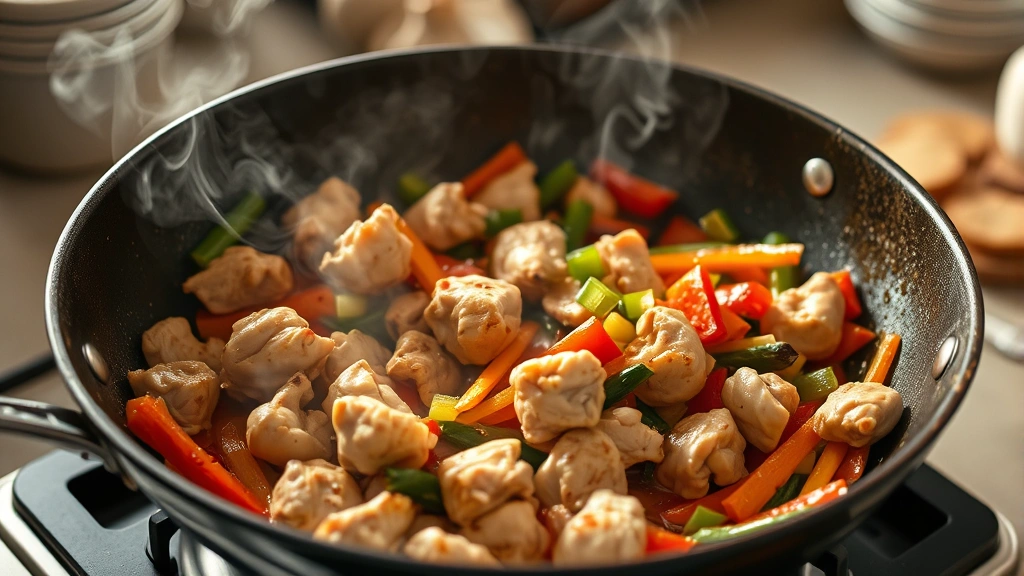
- Pat your protein dry with paper towels; moisture is the enemy of good browning and proper cooking. Slice into bite-sized pieces and set aside.
- Prep all vegetables and arrange them on a large cutting board or plate in the order you’ll cook them—this mise en place approach prevents scrambling mid-recipe.
- Heat 1 tablespoon vegetable oil in a large skillet or wok over high heat until it shimmers and barely smokes.
- Add protein and cook undisturbed for 2-3 minutes until golden on one side, then stir and cook until cooked through (about 3-5 minutes total depending on thickness). Transfer to a clean plate.
- Add remaining oil to the skillet, then add broccoli and bell pepper—cook for 3-4 minutes, stirring frequently, until they begin to soften but still retain crunch.
- Add snap peas and cook for another 2 minutes, stirring constantly to ensure even cooking and prevent burning.
- Return protein to the skillet along with all accumulated juices from the plate.
- Pour your prepared sauce over everything and toss gently but thoroughly, ensuring all pieces are coated evenly—cook for 1-2 minutes until sauce coats all ingredients.
- If sauce seems too thin, mix cornstarch with 1 tablespoon water and stir into the skillet, cooking for 30 seconds until it thickens slightly.
- Remove from heat and taste carefully—add more soy sauce for saltiness, sesame oil for richness, or rice vinegar for brightness as needed.
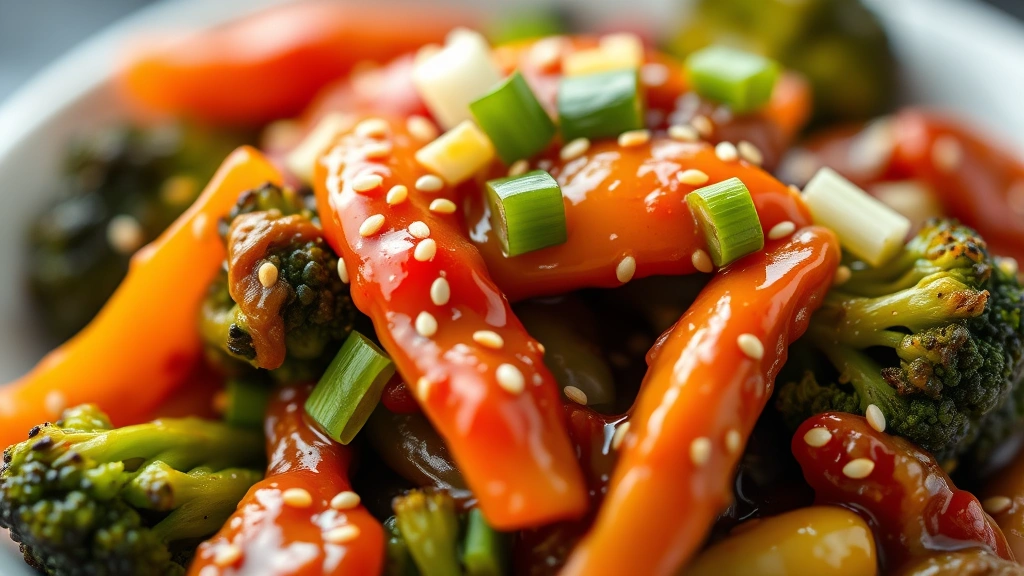
- Divide cooked jasmine rice among serving bowls, top with stir-fry mixture, and garnish with scallions, sesame seeds, and fresh cilantro.
- Serve immediately while everything is hot and vegetables maintain their pleasant crunch.
Pro Tips
The secret to restaurant-quality stir-fry is properly dry protein and high heat—these two factors alone elevate your results dramatically. Pat your chicken, beef, or shrimp completely dry before cooking. Excess moisture creates steam rather than the beautiful golden sear that develops flavor through the Maillard reaction. Additionally, don’t overcrowd your pan. If you’re cooking for more than four people, work in batches rather than piling everything in at once.
Sauce-to-ingredient ratios matter more than exact measurements in easy Asian recipes. The 3:2:1 ratio of soy sauce to sesame oil to vinegar is a reliable starting point, but adjust based on your preferences and the specific proteins and vegetables you’re using. Fattier proteins like salmon need less oil in the sauce, while lean proteins benefit from richer sauce components.
Vegetable selection is wonderfully flexible here. Love broccoli? Use more. Prefer bok choy? Absolutely perfect. Mushrooms, water chestnuts, baby corn, and carrots all work beautifully. The only consideration is cooking time—add longer-cooking vegetables first and quick-cooking ones near the end. This ensures everything finishes simultaneously with proper texture.
Regarding proteins: chicken breast is leanest and quickest-cooking (perfect for weeknights), beef adds richness, pork provides balanced flavor, and shrimp delivers impressive results in just 2-3 minutes. Tofu requires slightly different handling—press it between paper towels to remove excess moisture, then cook it separately until golden before adding back at the end to prevent breakage.
Leftover stir-fry refrigerates beautifully for up to 4 days. Reheat gently in a skillet over medium heat with a splash of water to restore moisture. However, if your stir-fry has crispy elements like fried onions or fresh herbs, add them after reheating to maintain texture and freshness. Meanwhile, rice can be stored separately and reheated independently, making meal prep incredibly convenient.
For make-ahead convenience, prepare your sauce and chop all vegetables the morning of cooking. Store vegetables in separate containers to prevent flavor transfer and maintain optimal texture. Protein can be sliced and marinated in the sauce for 2-4 hours before cooking, which adds flavor depth. This prep work transforms your evening from stressful to relaxed—everything cooks in under 15 minutes once you begin.